
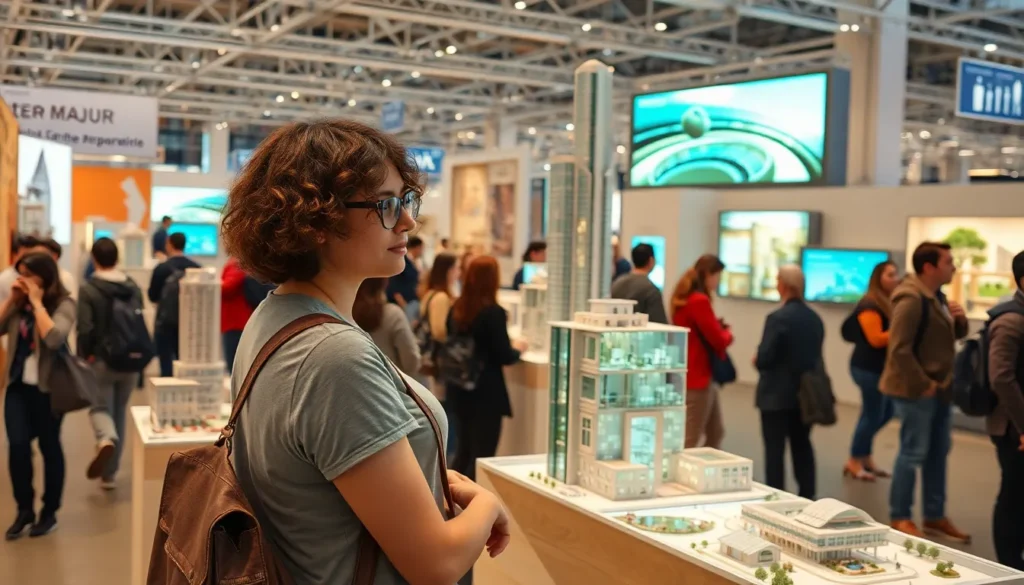

Architecture exhibitions are like a buffet for the eyes, serving up a feast of creativity that leaves visitors hungry for more. From jaw-dropping skyscrapers to whimsical tiny homes, these showcases bring together the best and brightest minds in the field, turning blueprints into breathtaking realities. It’s the perfect chance to escape the mundane and immerse oneself in a world where walls tell stories and roofs inspire dreams.
Overview of Architecture Exhibitions
Architecture exhibitions serve as vibrant showcases that celebrate creativity and innovative design. These events allow attendees to explore a variety of structures, gaining insight into the narratives shaped by architecture.
Importance of Architecture in Culture
Architecture plays a crucial role in cultural identity and expression. It reflects societal values and technological advancements at different historical moments. Cities can communicate their character through iconic buildings. Diverse architectural styles reveal unique cultural heritages, influencing local communities and traditions. Exhibitions foster public appreciation for design by bridging the gap between architects and the public. Visitors gain a deeper understanding of how architecture shapes daily life and the environment.
Evolution of Architecture Exhibitions
Architecture exhibitions have undergone significant transformation over the years. Initially focused on traditional design, they now encompass cutting-edge technology and sustainability. The introduction of digital media has made exhibitions more interactive and engaging. Trends showcase not only structures but also strategies for addressing global challenges, like climate change. This shift reflects a growing awareness of architecture’s social responsibility. Each exhibition invites exploration of new materials and theories, pushing creative boundaries and inspiring future generations.
Notable Architecture Exhibitions Worldwide
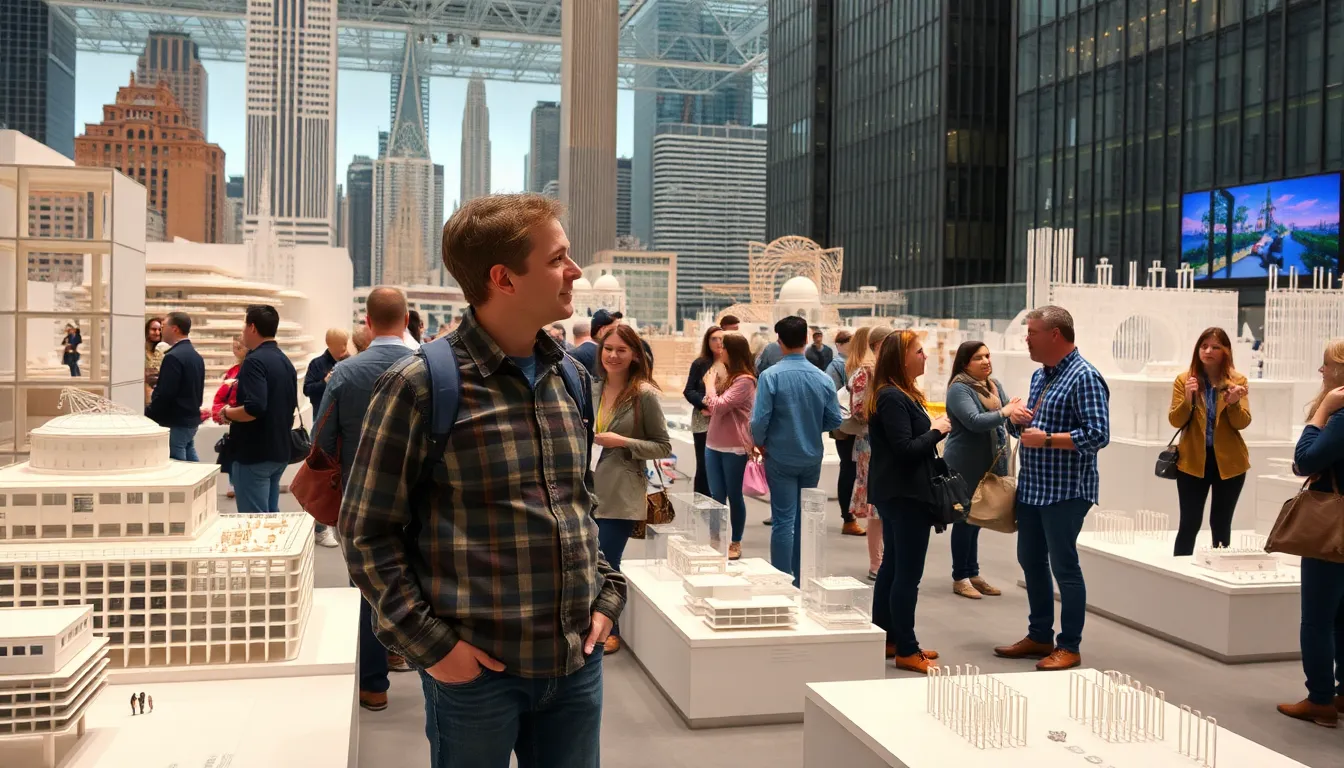
Architecture exhibitions around the globe showcase innovative designs and significant cultural narratives. These events attract architects, designers, and enthusiasts alike.
Venice Biennale
Venice Biennale stands as one of the most prestigious architectural exhibitions. This event occurs every two years and features national pavilions representing various countries. Each pavilion demonstrates unique architectural perspectives and themes, emphasizing contemporary issues. The exhibition often showcases emerging architects alongside established figures, fostering dialogue on design’s role in society. A hallmark of the Biennale is its focus on sustainability, driving conversations about environmentally responsible practices. Visitors engage with thought-provoking installations that challenge traditional notions of architecture.
Chicago Architecture Biennial
Chicago Architecture Biennial offers a platform for innovative ideas in design. Launched in 2015, it represents a commitment to showcasing diverse architectural voices. Each edition features themes that reflect current trends and challenges in the built environment. The event includes exhibits, panels, workshops, and community events, encouraging public interaction with architecture. Architects and designers share their visions, often exploring the intersection of architecture and social justice. The Biennial’s influence stretches beyond the exhibition space, inspiring local initiatives and discussions on urban development.
Themes and Trends in Recent Exhibitions
Architecture exhibitions highlight current trends that shape the industry. Sustainability and technological innovations represent two dominant themes in recent showcases.
Sustainability in Architecture
Sustainability captures attention in modern architecture. Exhibitions increasingly feature eco-friendly materials, passive design strategies, and renewable energy solutions. Designers incorporate vertical gardens and green roofs to enhance urban settings. Notable projects at the Venice Biennale emphasize reducing carbon footprints while promoting livability. Exhibitors showcase methods for reusing and repurposing materials, reflecting a commitment to circular economies. These trends not only address climate concerns but also foster community engagement.
Technological Innovations
Technological innovations redefine architectural practices at exhibitions. Augmented reality enhances visitor experiences by providing immersive design interactions. Designers utilize advanced modeling software to visualize concepts in real time. 3D printing emerges as a significant trend, allowing for the creation of intricate structures quickly. Many exhibitions highlight smart buildings equipped with IoT devices that optimize energy use. This integration of technology encourages discussions on the future of urban living and shapes design standards. Engaging displays illustrate how these innovations address real-world challenges, captivating both professionals and the public.
Visitor Experience and Engagement
Architecture exhibitions provide immersive experiences that encourage visitor engagement. Attendees often explore interactive installations that invite participation. Unique features, such as virtual reality experiences, enhance understanding of complex designs. Communities engage through workshops where local architects share insights, fostering a collaborative atmosphere.
Discussion panels allow experts to exchange ideas with the public. Visitors gain new perspectives on architectural trends while addressing pressing issues like climate change. The inclusion of sustainable practices in architecture is a recurring theme. Exhibitions often highlight eco-friendly solutions, sparking interest in green design among attendees.
Art installations complement architectural displays, adding visual diversity. Participants frequently express their thoughts through feedback stations, contributing to an ongoing dialogue. Technology plays a significant role in shaping the visitor experience. Digital applications guide attendees, offering detailed information about exhibits at their fingertips.
Families enjoy dedicated sections designed for children, which encourage creativity through hands-on activities. Educational programs at these events enhance learning while making architecture accessible. Multimedia presentations often blend historical context with contemporary themes, enriching the overall experience.
Engagement is not limited to physical spaces. Online platforms extend the reach of exhibitions, enabling global participation. Virtual tours connect international audiences with local architecture, promoting broader appreciation. The combination of physical and digital engagement ensures that architecture exhibitions resonate with diverse demographics.
Each of these elements drives deeper connections among visitors, creators, and the broader community, fostering a lasting interest in architecture.
Impact on the Architecture Community
Architecture exhibitions significantly influence the architecture community by fostering professional collaboration. Exhibitors showcase innovative designs that inspire architects and encourage the exploration of uncharted territories. Engaged audiences interact with displays, sparking critical conversations about sustainable solutions and social equity in urban environments.
Networking opportunities arise during these exhibitions, allowing architects, designers, and students to connect and exchange ideas. Communities benefit from workshops where local architects guide participants through design processes, nurturing a hands-on understanding of architecture. Visitors often leave with fresh perspectives on current industry challenges, as exhibitions address pressing societal issues.
Emerging talent receives attention through curated national pavilions, especially in prestigious events like the Venice Biennale. Platforms such as the Chicago Architecture Biennial highlight diverse voices within architecture, broadening discussions to include underrepresented perspectives. The exposure gained from these exhibitions can lead to future collaborations and projects that push creative boundaries.
Sustainability becomes a central theme in many exhibitions, influencing practices both locally and globally. Showcased projects often emphasize eco-friendly materials and practices, encouraging architects to adopt similar methods in their own work. Thought-provoking displays illustrate how advancements in technology, like augmented reality, reshape visitor experiences while prompting discussions on the future of architectural design.
Inclusivity and community involvement shape the impact of these exhibitions. Activities designed for families create a welcoming environment that fosters interest in architecture among younger generations. Online engagement strategies extend the reach of exhibitions, ensuring broader participation and awareness, ultimately reinforcing the architecture community’s commitment to innovation and improvement.
Architecture exhibitions serve as dynamic platforms that inspire creativity and foster dialogue. They not only showcase innovative designs but also reflect cultural identities and societal values. By integrating sustainability and technology, these events push the boundaries of architectural practice and engage audiences in meaningful ways.
As visitors explore interactive installations and participate in workshops, they gain a deeper understanding of the built environment’s role in addressing global challenges. The impact of these exhibitions extends beyond the immediate experience, nurturing a community committed to sustainable and inclusive design. Ultimately, architecture exhibitions play a crucial role in shaping the future of architecture and encouraging ongoing exploration and appreciation of this vital field.


