
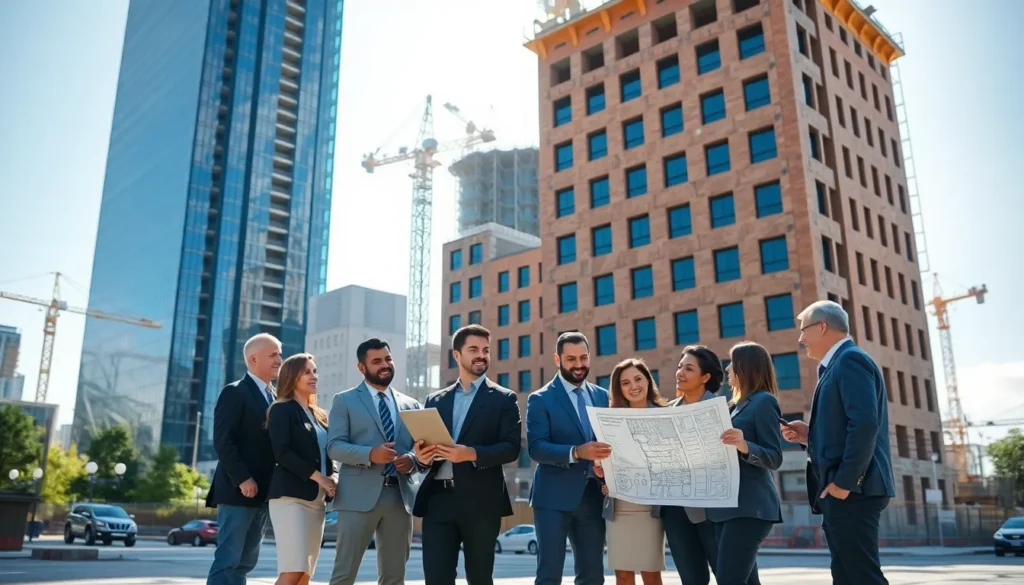

When it comes to shaping the urban landscape, commercial and institutional building construction stands as a crucial player. From towering office skyscrapers to sprawling educational facilities, these structures are more than just concrete and steel: they embody the aspirations of businesses and communities alike. But diving into the world of construction can feel like trying to decipher a foreign language, complete with its jargon and regulations. Fear not. This guide may not come with a hard hat, but it will equip you with all the knowledge you need to navigate through this vital sector, without getting lost in construction lingo.
Understanding Commercial And Institutional Buildings

Commercial buildings are generally spaces designed for businesses, focusing primarily on boosting profits. Think offices, shopping centers, and hotels. On the other hand, institutional buildings cater to public needs, schools, hospitals, and community centers fall into this category. While both types serve essential roles in society, their goals and functions differ significantly.
In essence, commercial buildings are profit-driven, while institutional buildings prioritize community development and societal advancements. It’s also worth noting that the audience for these structures varies: commercial buildings mainly attract corporations, while institutional buildings serve the general public. By recognizing this difference, one begins to appreciate the uniqueness of each type of building.
Key Differences Between Commercial And Institutional Buildings
The distinctions between commercial and institutional buildings transcend mere definitions: they also include aspects like design, financing, and usage.
1. Purpose and Function
Commercial buildings primarily aim for profitability. Landlords want tenants who can pay rent and keep the cash flow steady. Institutional buildings, but, focus on service delivery, these spaces often provide essential services to communities.
2. Funding Sources
When it comes to funding, commercial buildings are often financed by private investments or banks. They rely on market demand and financial performance. In contrast, institutional buildings frequently receive government funding, grants, or donations, emphasizing their social impact.
3. Design and Regulations
The design of commercial buildings usually caters to aesthetics and functionality, prioritizing open layouts and customer traffic patterns. Institutional buildings tend to emphasize safety and accessibility, following stricter regulations about building codes and universal design features.
The Construction Process Overview
The construction of commercial and institutional buildings involves several phases that ensure the final product is safe, functional, and compliant.
Planning And Design Considerations
Before laying a single brick, thorough planning is essential. This phase typically includes site analysis, feasibility studies, and community consultation. Designers and architects work together to create blueprints that reflect the structure’s intended use while adhering to budget constraints.
Regulatory Requirements And Compliance
Navigating local building codes and regulations is no small feat. Builders must ensure compliance with zoning laws, health and safety codes, and environmental regulations. Hiring experienced consultants and legal advisors can save both time and money in the long run.
Sustainability In Building Construction
Sustainability has become a buzzword in modern construction, and for good reason. With climate change looming over our heads, constructing eco-friendly buildings is more important than ever. This shift impacts both commercial and institutional projects, encouraging builders to adopt green materials and energy-efficient technologies.
Implementing sustainable practices like using recycled resources and facilitating energy efficiency can yield long-term savings and enhance building lifespan. Designing solar panels into roofs or using rainwater harvesting solutions showcase how builders are creatively incorporating sustainability into their projects.
Choosing The Right Materials And Technologies
Selecting the appropriate materials and technologies is a critical component of the construction process. Builders must consider various factors such as durability, cost, and environmental impact when making their choices.
Traditional vs. Modern Materials
While traditional materials like wood and concrete remain popular, innovative options like bamboo and recycled steel are gaining traction. These modern materials often meet sustainability goals while also offering unique aesthetic qualities.
Technology Integration
Advancements in technologies like Building Information Modeling (BIM) and prefabrication techniques can significantly enhance efficiency and reduce construction time. Utilizing technology allows for better visualization throughout the construction phase, leading to fewer costly changes.
Future Trends In Commercial And Institutional Construction
As the construction industry evolves, several key trends are emerging. The incorporation of smart technologies, for example, is transforming how buildings operate, from energy management to security systems.
Also, the focus on wellness and sustainability is reshaping design philosophies. There’s a noticeable shift towards creating spaces that enhance user experience, improve indoor air quality, and contribute positively to mental and physical well-being.
Adaptability is another important trend: both commercial and institutional buildings are designed with flexibility in mind to accommodate changing needs over time. This ensures that investments remain relevant well into the future.


