


When it comes to commercial office building construction, things can get pretty serious, but that doesn’t mean we can’t have a little fun along the way. Picture this: towering structures filled with ambition, creativity, and caffeine-fueled meetings. The journey from an empty plot of land to a bustling business hub involves a blend of art, science, and an occasional dash of chaos. So, buckle up as we jump into the nitty-gritty of what goes into constructing these modern-day marvels.
Overview of Commercial Office Buildings
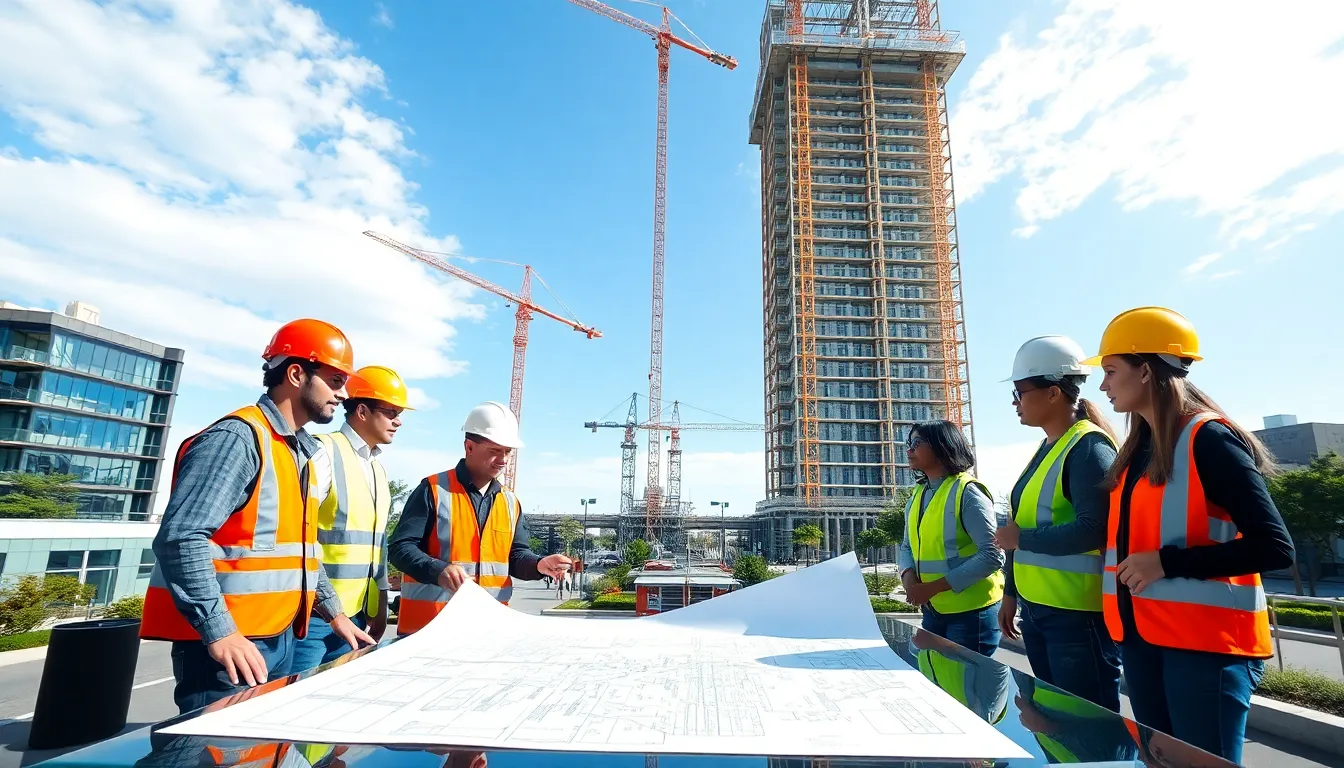
Commercial office buildings serve as the backbone of many economies, providing space for businesses to thrive and employees to collaborate. These structures range from sleek skyscrapers gracing city skylines to more intimate low-rise buildings in suburban settings. The diverse use of space within these buildings allows for a wide array of businesses, from tech startups to financial institutions, to set up shop. Typically designed for maximum functionality, these buildings prioritize not just aesthetics but also the comfort and productivity of their occupants.
Types of Commercial Office Buildings
Understanding the types of commercial office buildings is essential for anyone in the construction or real estate industries.
High-Rise Buildings
Often defined as buildings that exceed seven stories, high-rise office buildings embody the notion of urban efficiency, housing numerous businesses under one roof. Some notable examples include iconic skyscrapers found in major metropolitan areas. These giant structures often come with breathtaking views and high-end amenities.
Mid-Rise Buildings
Ranging from four to six stories, mid-rise buildings strike a balance between high and low-rise options. Think of them as a comfortable middle-ground, often favoring function over extravagance while maintaining a professional appearance. Typically found in business parks or downtown areas, they are popular with many firms.
Low-Rise Buildings
With two to three stories, low-rise commercial office buildings present a more approachable feel. These structures often host small businesses and are located in suburban environments, providing a homey atmosphere while still offering professional spaces.
Key Stages in Office Building Construction
The journey of constructing a commercial office building is akin to piecing together a puzzle. Each stage plays a crucial role in ensuring the final product meets expectations.
Planning and Design
Before a single brick is laid, thorough planning and design processes are paramount. Architects and engineers collaborate to create blueprints that meet zoning regulations, safety standards, and the client’s vision. This stage can take several months, but getting it right is vital for the project’s success.
Permitting and Financing
Once designs are completed, securing the necessary permits and financing becomes the next hurdle. By navigating local regulations and assembling the required documentation, obtaining approval ensures the project can move forward without legal hiccups. Also, securing financing through investors or lenders is crucial for the actual construction to begin.
Construction
This stage is where the magic happens. Construction teams break ground and prepare the site for building. Foundations are laid, and structures begin to rise swiftly. It’s a dynamic and unpredictable phase, often requiring on-the-go adjustments to manage challenges like weather or supply chain issues.
Important Factors in Office Building Design
Designing a commercial office building goes beyond aesthetic appeal: it involves hard science and thoughtful planning to create an environment that boosts productivity and efficiency.
Layout and Space Utilization
The internal layout of the office must help smooth movement and communication among employees. Open floor plans have become popular, promoting collaboration, while designated quiet zones can foster concentration. Effective space utilization is key, and even small adjustments can enhance workflow.
Safety and Compliance
Building safety is non-negotiable. Adhering to safety regulations ensures the wellbeing of future occupants. This includes fire safety, structural integrity, and accessibility.
Aesthetics
Curb appeal matters. The outward appearance of an office building not only attracts tenants but also reflects the business’s ethos. Striking a balance between functionality and looks ensures that a building stands out in the market.
Sustainability in Commercial Office Construction
With increasing awareness of environmental issues, sustainable building practices have moved to the forefront of commercial office construction.
Green Materials
Using eco-friendly materials reduces the carbon footprint of a building. Reclaimed wood, recycled steel, and low-VOC paint are just a few materials commonly used in green construction.
Energy Efficiency
Incorporating energy-efficient systems, from HVAC to lighting, can drastically reduce operational costs and make a building more appealing to tenants. Achieving certifications like LEED signals a commitment to sustainability.
Water Conservation
Utilizing water-saving fixtures and rainwater harvesting systems contributes to reducing overall water usage, an essential factor in sustainable construction.
Future Trends in Office Building Construction
As the workplace evolves, so too does the design and construction of commercial office buildings.
Flexible Spaces
The shift towards remote work has made flexibility a primary focus in office design. Spaces that can adapt to various needs, like collaborative zones, breakout areas, and individual workstations, are becoming vital.
Technology Integration
High-tech buildings featuring smart systems that control lighting, temperature, and security are expected to become the norm. Innovations such as IoT devices and AI integration can enhance the experience and operational efficiency of office spaces.
Community Focus
Modern office buildings are increasingly designed to promote community involvement, often featuring shared spaces that encourage interaction between different businesses. This fosters a sense of belonging and enhances collaboration.


