


Container home designs are reshaping the way people think about sustainable living. As urbanization rises and housing costs soar, more individuals are turning to these innovative structures that offer both affordability and versatility. With their unique aesthetic and eco-friendly appeal, container homes are not just a trend; they represent a lifestyle choice that prioritizes sustainability.
These homes provide a blank canvas for creativity, allowing architects and homeowners to experiment with layouts and styles. From minimalist designs to luxurious retreats, the possibilities are endless. As the world embraces a more eco-conscious approach to living, container homes stand out as a practical solution that meets modern needs while minimizing environmental impact.
Overview of Container Home Designs
Container home designs transform shipping containers into livable spaces. These structures serve multiple purposes, including residential, office, and commercial applications. Container homes typically consist of one or more interconnected containers, maximizing space efficiency and offering flexible layouts.
Container homes feature various architectural styles. Many designs showcase minimalism, emphasizing clean lines and subdued aesthetics. Others integrate luxurious elements, such as large windows and expansive decks, promoting outdoor living. Sustainable materials often complement these designs, enhancing the eco-friendly appeal.
Container home construction provides significant cost savings. Building with containers reduces traditional construction time, often lowering overall expenses. Additionally, containers are frequently available from shipping companies, making them an affordable alternative to traditional building materials.
Innovative container homes incorporate mobile and modular designs. Some homes are easily transportable, allowing residents to relocate without significant hassle. Modular configurations enable homeowners to expand or customize layouts as needed, adapting to changing lifestyles.
Functionality defines contemporary container home interiors. Open floor plans create spacious living areas, while strategic window placement maximizes natural light. High insulation values and energy-efficient systems address climate control, enhancing comfort throughout the year.
As container homes gain traction, they face zoning and regulatory challenges. Local building codes may restrict certain designs and locations. Homeowners must carefully research regulations to ensure compliance and successful project completion.
Container home designs exemplify creativity and practicality, aligning with modern sustainability goals. By promoting an efficient use of resources and sleek aesthetics, these homes are establishing themselves as a viable option in contemporary housing markets.
Benefits of Container Home Designs
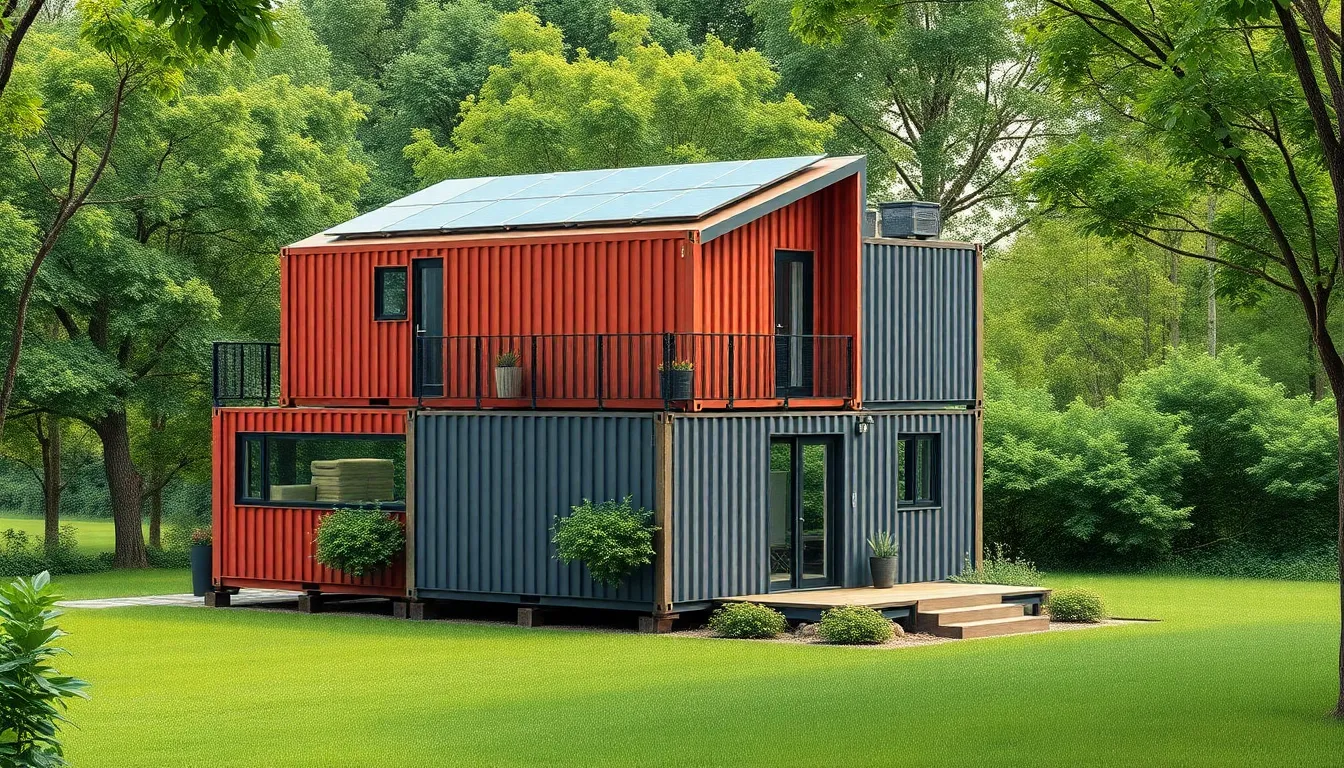
Container home designs offer several advantages, particularly in sustainability, cost-effectiveness, and versatility. These benefits make them an appealing choice for modern living.
Sustainability and Environmental Impact
Sustainability stands at the forefront of container home designs. Containers, often repurposed from shipping logistics, minimize the need for new materials, reducing waste. These homes often utilize energy-efficient technologies, such as solar panels and green roofing, further decreasing their carbon footprint. Implementing rainwater harvesting systems also enhances sustainability by conserving water. The use of eco-friendly insulation materials improves energy efficiency, ensuring comfortable living spaces throughout varying climates.
Cost-Effectiveness
Cost-effectiveness significantly contributes to the appeal of container home designs. Purchasing used shipping containers costs less than traditional building materials, leading to substantial savings. Construction time often decreases due to the pre-fabricated nature of containers, allowing homeowners to move in faster. Minimal site preparation and reduced labor requirements further cut costs. Additionally, energy-efficient systems tend to lower utility bills, reinforcing long-term financial benefits. The potential for modular designs allows for easy expansion, providing flexibility for future needs without excessive costs.
Popular Design Styles
Container home designs encompass various styles, each suited to different tastes and lifestyles. The adaptability of shipping containers allows for unique transformations that reflect individual preferences.
Modern Minimalist
Modern minimalist designs prioritize simplicity and functionality. These container homes often feature clean lines, open spaces, and a neutral color palette. Large windows enhance natural light, creating an airy atmosphere. Minimalist interiors incorporate essential furnishings, focusing on efficient use of space. Sustainable materials play a crucial role, with reclaimed wood and eco-friendly finishes commonly used, promoting an environmentally conscious aesthetic.
Rustic Charm
Rustic charm integrates natural elements and cozy aesthetics into container homes. This style often includes warm colors, textured materials, and vintage decor. Exposed metal and wood surfaces create a welcoming ambiance. Energy-efficient features such as wood-burning stoves and rainwater systems add practicality while preserving the charm. Outdoor spaces may feature landscaped yards or decks made from repurposed materials, enhancing connectivity with nature.
Challenges and Considerations
Container home designs present unique challenges and considerations that potential homeowners must address. These factors impact the feasibility, comfort, and compliance of container living.
Building Regulations and Permits
Building regulations and permits significantly affect container home projects. Many jurisdictions enforce strict building codes concerning size, foundation, and safety standards. It’s crucial for homeowners to research local regulations to ensure compliance. Failing to obtain necessary permits can lead to fines or forced removal of the structure. Engaging with local planning departments often reveals specific requirements, such as structural integrity assessments and zoning restrictions. Additionally, homeowners may need to involve architects or engineers familiar with container home regulations to streamline the process.
Insulation and Climate Adaptation
Insulation and climate adaptation are essential components of container home design. Containers conduct heat and cold efficiently, making adequate insulation critical for energy efficiency. Homeowners often opt for spray foam or rigid board insulation to regulate indoor temperatures and enhance comfort. Climate considerations also dictate design elements, such as ventilation and shading. In hot climates, incorporating overhangs or strategic landscaping minimizes heat gain. Conversely, in colder regions, designs may include triple-glazed windows or green roofs to improve thermal performance. Proper adaptation ensures livability throughout the year, aligning with sustainable practices.
Future Trends in Container Home Designs
Container home designs continue to evolve, incorporating innovative concepts that enhance livability and sustainability. Preference for sustainable solutions drives these trends, emphasizing eco-friendly materials and technologies.
Smart Home Integration
Smart home technology increasingly comes into play in container home designs. Systems providing remote control for heating, cooling, lighting, and security enhance convenience and energy efficiency. Homeowners can monitor energy consumption in real time, facilitating smarter living choices.
Biophilic Design
Biophilic design focuses on connecting residents with nature. Container homes increasingly feature large windows, green roofs, and integrated gardens, improving air quality and mental well-being. This trend promotes the use of natural light and outdoor spaces, fostering a harmonious relationship with the environment.
Modular and Mobile Designs
Modular designs gain traction as flexibility becomes essential. Container homes can be configured into multi-unit complexes or easily reconfigured for different uses. Mobile designs offer adaptability, allowing homeowners to relocate as needed while maintaining their living space.
Customization and Aesthetic Diversity
Customization options thrive in container home designs, appealing to diverse tastes. Architectural styles range from industrial chic to contemporary elegance, accommodating personal preferences. Unique color schemes and innovative layouts ensure no two container homes look the same.
Enhanced Sustainability Features
Sustainability features receive increased attention, exemplified by the incorporation of renewable energy sources. Solar panels, wind turbines, and rainwater harvesting systems contribute to net-zero energy homes. These initiatives lead to reduced utility costs and a smaller environmental footprint.
Community Living Solutions
Community-oriented container housing solutions emerge, addressing housing shortages in urban areas. Container villages provide affordable, eco-friendly living spaces while fostering social interaction among residents. This trend supports the idea that modern living can intertwine affordability and community.
Advanced Materials and Construction Techniques
Advancements in materials and construction techniques enhance the durability and performance of container homes. Use of insulated panels, lightweight framing, and eco-friendly finishes improves energy efficiency and aesthetic appeal. These innovations reduce construction waste and enhance sustainability.
Adopting these future trends in container home designs not only aligns with environmental goals but also contributes to a new way of living that prioritizes convenience, individuality, and social connection.
Container home designs represent a transformative approach to modern living. They not only offer affordability and versatility but also align with sustainable practices that resonate with today’s eco-conscious homeowners. As urbanization continues to challenge traditional housing options, these innovative structures provide a viable solution that prioritizes resource efficiency and customization.
The future of container homes looks promising with trends like smart technology integration and biophilic design gaining traction. Homeowners can enjoy unique living spaces that reflect their individual tastes while benefiting from reduced environmental impact. As the movement grows, container homes are set to redefine the landscape of affordable housing, making sustainable living more accessible than ever.


