


Ever wondered what it would be like to step into a world where the buildings defy gravity and the castles are woven from the very fabric of dreams? Welcome to the enchanting realm of fantasy architecture. This captivating genre allows architects and storytellers to stretch their imaginations and create structures that challenge the very laws of physics. From towering spires of magnificent castles to whimsical villages nestled in the clouds, the world of fantasy architecture opens the door to limitless creativity. So buckle up, because we’re about to embark on an extraordinary journey through the skies of imagination.
The Origins of Fantasy Architecture
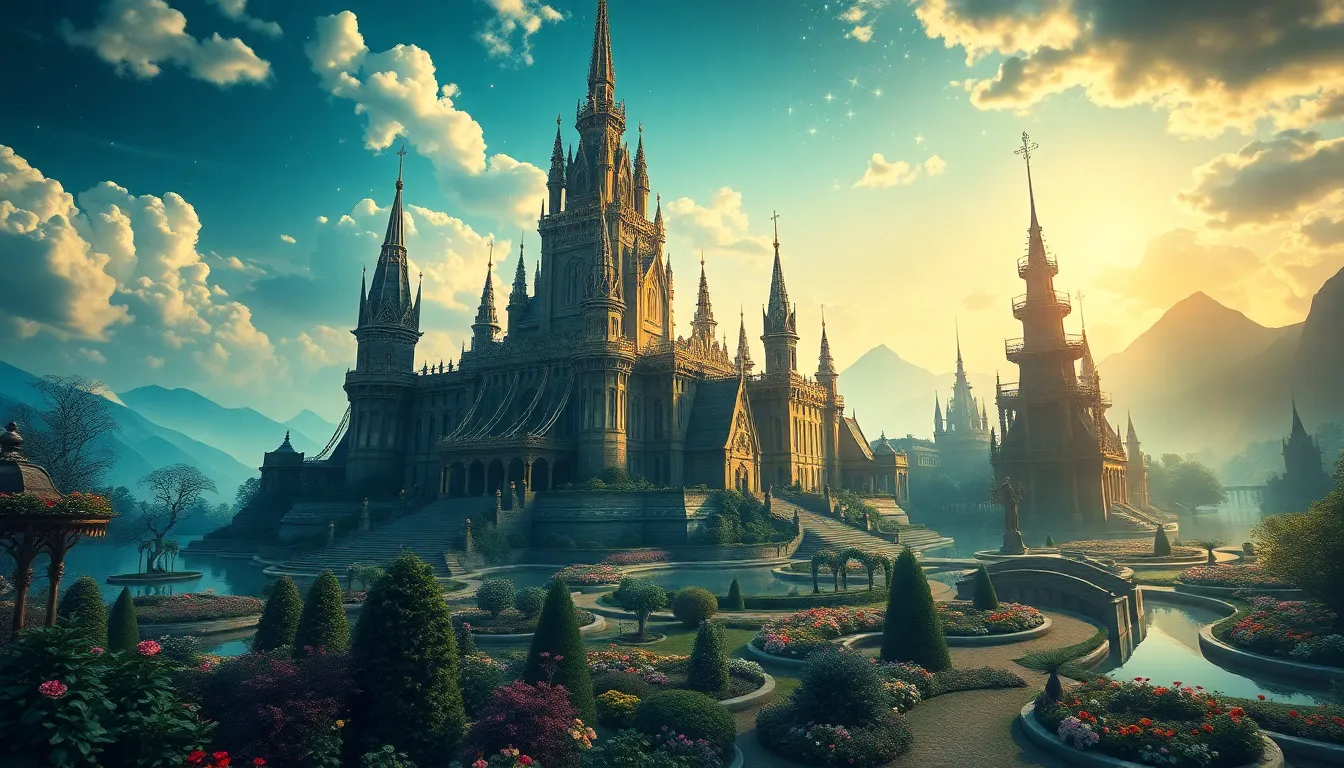
Fantasy architecture as a concept is as old as storytelling itself. Historically, cultures across the globe have produced structures that reflect their beliefs, dreams, and mythologies. Ancient civilizations, from the Egyptian pyramids to the Greek temples, have drawn inspiration from the heavens and nature, leading to architectural feats that seemed almost otherworldly.
In literature, one can trace the roots of fantasy architecture to epic tales crafted by authors like J.R.R. Tolkien, whose Middle-earth was filled with unique structures like Rivendell and the towering Barad-dûr. These weren’t merely buildings: they were reflections of culture, history, and magic. As fantasy literature evolved, so too did the architecture within it, rising to new heights of grandeur and imagination.
Key Characteristics of Fantasy Architecture
What sets fantasy architecture apart from its real-world counterpart? For starters, scale plays a crucial role. Buildings in fantasy worlds often reach heights and sizes that seem impossible in reality. Think of sprawling castles perched on mountaintops or towering spires that reach for the stars.
Another defining feature is the intricate designs that draw on elements from nature and mythology. Curved lines, organic shapes, and vibrant colors often populate the landscapes. They create an illusion of harmony with the environment, making it feel as though the architecture itself belongs to a realm touched by magic.
Illusions also abound, structures might appear to morph and change, delighting the eye and exciting the imagination. In good fantasy architecture, the impossible becomes possible, and every corner turned reveals something spectacular.
Famous Examples in Literature and Film
When it comes to fantasy architecture, a few examples stand out, shining brightly in the collective imagination. Hogwarts School of Witchcraft and Wizardry from the “Harry Potter” series illustrates how towers, turrets, and enchanted rooms can evoke a sense of wonder. Its ever-changing layout and magical features lead students, and readers, on countless adventures through its halls.
Similarly, the Elven city of Lothlórien exemplifies harmony between nature and architecture. Nestled among the towering mallorn trees, its golden leaves and graceful structures create a dreamy environment where magic seems to linger in the air.
Failures can also be found in architectural choices, such as Barad-dûr, which symbolizes tyranny and oppression, demonstrating how even in fantasy, architecture can tell stories. These structures serve more than just aesthetic appreciation: they communicate the essence of their worlds and the cultures thriving within them.
Influences from Real-World Architecture
While fantasy architecture thrives in the realm of imagination, real-world influences shape its design. Gothic cathedrals, with their soaring arches and grand facades, provide inspiration for fantasy castles and temples. The intricacies of stained glass windows often find their echoes in fantastical depictions of magical realms.
Japanese pagodas manifest delicately in some fantasy landscapes, adding a cultural depth that enriches the fantastical designs. To many, these influences act as a bridge between reality and fantasy, transforming traditional architectural concepts into something extraordinary. The result? Structures that breathe life and soul into imaginary realms, resonating with anyone who gazes upon them.
The Role of Fantasy Architecture in Video Games
In the gaming universe, fantasy architecture plays a pivotal role in immersing players into the story. Titles like “The Legend of Zelda” or “Elder Scrolls” transport players to worlds where every castle and village has history and purpose. The architecture not only shapes gameplay, influencing navigation and quests but also deepens emotional connections. Players become invested in the environments, exploring every nook and cranny, uncovering secrets that lead to thrilling adventures.
Also, developing these fantastical environments encourages creativity among game designers. With technology advancing, the possibility of constructing worlds filled with awe-inspiring structures continues to expand, allowing players to experience escapism like never before.
Creating Your Own Fantasy Architectural Designs
If you’re feeling inspired to create your own fantasy architecture, where do you begin? First, let your imagination run wild. Sketching ideas without boundaries can spark innovation. Think about the elements you draw from your favorite literature or films, twisted trees, floating islands, or castles in the sky.
Next, consider the purpose behind your structure. Is it a fortress symbolizing strength? A whimsical village reflecting tranquility? Focusing on the emotional tone will add depth. Also, drawing on real-world architecture can ground your ideas, making them feel more relatable while still allowing for extraordinary features.
Finally, assembly is key. Use digital tools or models to visualize and refine your concepts. Collaboration with artists or architects can enhance your vision, yielding results you might never have imagined. The only limit is your imagination.


