
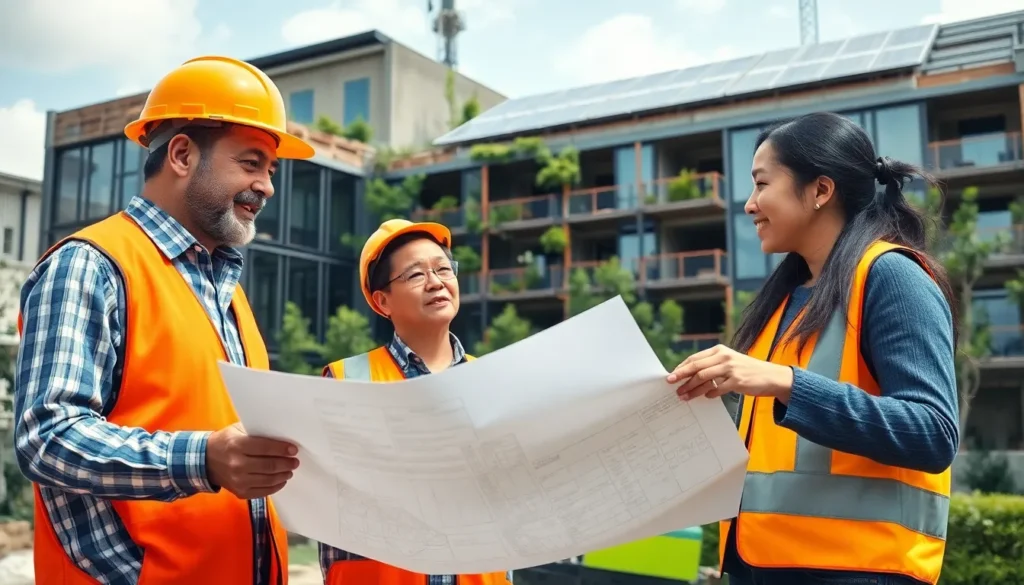

In a world increasingly aware of environmental challenges, green building has emerged as a beacon of hope. This innovative approach to construction focuses on creating structures that are not only energy-efficient but also sustainable and healthy for occupants. As cities grow and resources dwindle, the demand for eco-friendly buildings is more pressing than ever.
Green building techniques encompass a variety of practices, from using renewable materials to optimizing energy consumption. These methods not only reduce the environmental impact but also enhance the quality of life for those who inhabit these spaces. As the construction industry evolves, embracing green building principles can lead to a more sustainable future for generations to come.
Overview of Green Building
Green building encompasses the design, construction, and operation of structures that prioritize energy efficiency, resource conservation, and occupant health. Green buildings utilize materials and practices that significantly reduce environmental impact while enhancing life quality.
Green building techniques involve several key strategies:
- Energy Efficiency: Implementing energy-efficient systems reduces energy consumption. Efficient HVAC systems, insulation, and appliances contribute to lower utility costs.
- Sustainable Materials: Using renewable and recycled materials helps minimize resource depletion. Bamboo, reclaimed wood, and recycled metal exemplify sustainable choices.
- Water Conservation: Incorporating water-efficient fixtures and systems limits water usage. Rainwater harvesting and greywater recycling systems promote sustainability.
- Indoor Environmental Quality: Prioritizing air quality, natural lighting, and thermal comfort enhances occupant wellbeing. Non-toxic materials and effective ventilation systems improve indoor environments.
- Site Selection: Choosing locations that reduce environmental disruption supports biodiversity. Proximity to public transportation and infrastructure fosters sustainable mobility options.
The growing interest in green building stems from recognition of climate change and resource scarcity. Constructing eco-friendly buildings leads to long-term cost savings, reduced environmental footprint, and healthier communities. Building codes and certification systems, such as LEED and BREEAM, further promote the adoption of green practices, confirming their significance in modern development.
Benefits of Green Building
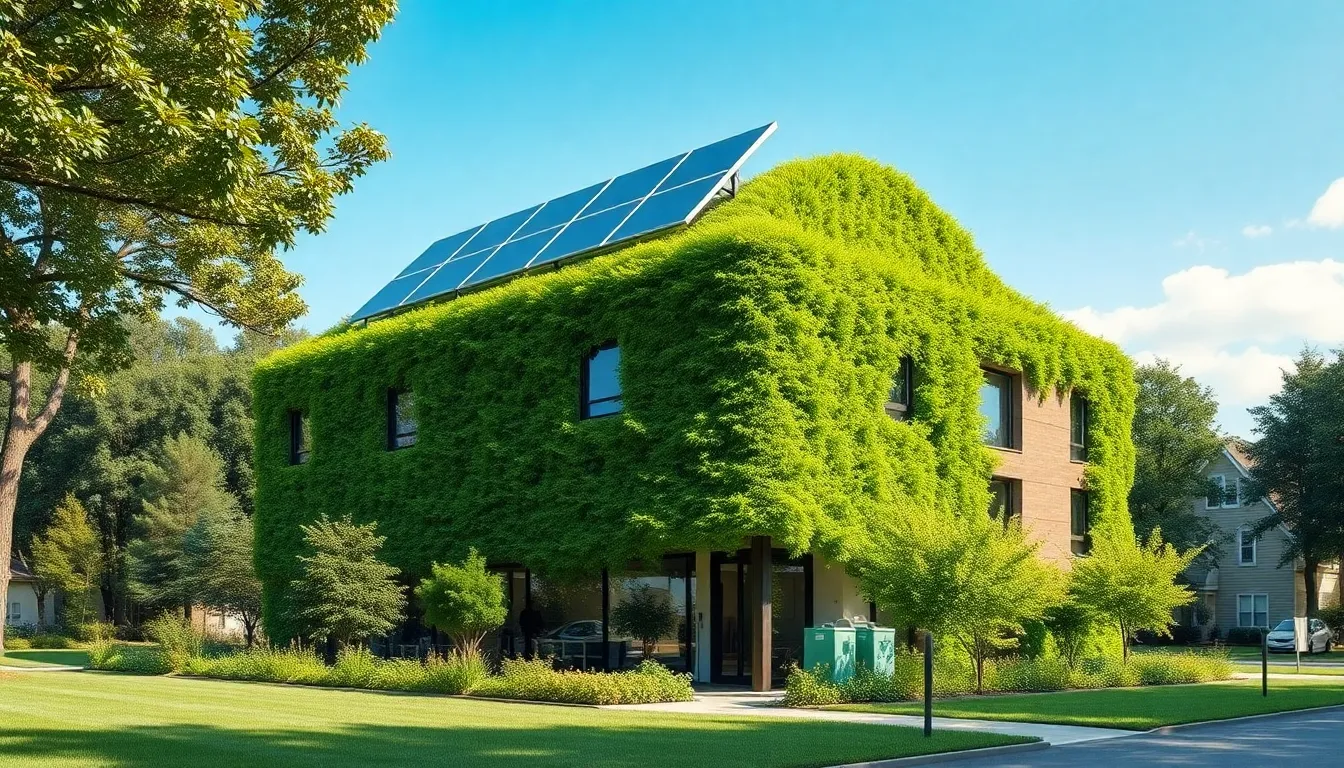
Green building offers significant advantages that extend beyond aesthetics, ultimately benefiting the environment and economy.
Environmental Impact
Green building practices contribute to reducing ecological footprints. Sustainable materials minimize resource depletion, while energy-efficient systems decrease greenhouse gas emissions. By implementing water conservation techniques, such as rainwater harvesting, these buildings ensure responsible water usage. Additionally, improved indoor air quality fosters healthier living spaces, positively impacting occupant well-being. Moreover, selecting sites with minimal environmental disruption protects local ecosystems, promoting biodiversity.
Economic Advantages
Green buildings often lead to substantial financial savings over time. Reduced energy consumption results in lower utility bills for occupants and permanent cost reductions for property owners. Initial investments in sustainable materials and technologies may be higher, but they pay off through long-term benefits. Incentives, such as tax rebates and grants for green construction, further enhance financial appeal. Properties with green certifications, like LEED, typically experience increased market value and occupancy rates, making them attractive investments.
Key Principles of Green Building
Green building incorporates various principles that promote sustainability and reduce environmental impact. These principles focus on materials, energy use, and resource conservation.
Sustainable Materials
Sustainable materials form the backbone of green building practices. These materials include recycled, reclaimed, or rapidly renewable resources. Examples are bamboo, recycled steel, and reclaimed wood. Utilizing these materials reduces waste, conserves natural resources, and minimizes environmental degradation. The life cycle assessment of materials helps in selecting options that have a lower carbon footprint, ensuring that construction projects are environmentally responsible.
Energy Efficiency
Energy efficiency is a critical aspect of green building. Implementing high-performance insulation, energy-efficient windows, and advanced HVAC systems significantly reduces energy consumption. Strategies such as passive solar design utilize natural sunlight for heating and lighting, decreasing reliance on artificial sources. Additionally, integrating renewable energy sources, like solar or wind power, further enhances energy efficiency, lowering greenhouse gas emissions and operational costs.
Water Conservation
Water conservation techniques play an essential role in green building. Implementing low-flow fixtures, rainwater harvesting systems, and drought-tolerant landscaping minimizes water usage. Installing greywater recycling systems allows for the reuse of water from sinks and showers in irrigation systems. These strategies not only reduce water waste but also support sustainable water management practices, ensuring efficient water use in buildings.
Challenges in Green Building
Green building faces several challenges that can hinder its widespread adoption. Understanding these hurdles is crucial for the evolution of sustainable construction practices.
Cost Considerations
Cost factors significantly impact green building initiatives. Although green structures lead to long-term savings, initial investment costs often exceed conventional construction prices. Budget overruns can occur due to premium materials and advanced technologies. Additional training for construction teams may incur further expenses. Financial institutions may present obstacles as traditional lending practices often favor standard construction models, complicating access to funds for green projects. Developers must also navigate the costs associated with obtaining green certifications, which can deter investment in sustainable practices.
Regulatory Hurdles
Regulatory frameworks present complexities for green building. Local building codes may not accommodate innovative, eco-friendly design practices. Outdated regulations can restrict the use of sustainable materials and renewable energy technologies. Zoning laws may limit site selection options that minimize ecological disruption, undermining green building objectives. Navigating these regulatory landscapes may require significant time and resources, causing delays in project timelines. Builders must work closely with authorities to ensure compliance while advocating for updated regulations that support sustainable practices.
Future Trends in Green Building
Future trends in green building focus on innovative technologies, practices, and policies aimed at enhancing sustainability and resilience. Key trends shaping the sector include:
- Smart Building Technologies: Integration of Internet of Things (IoT) devices enables real-time monitoring and optimization of energy consumption. Smart thermostats and energy management systems automate energy use, enhancing efficiency.
- Biophilic Design: Incorporating natural elements into building design improves occupant well-being. This approach emphasizes natural light, vegetation, and natural materials, promoting mental health and productivity.
- Net-Zero Energy Buildings: Growing demand for buildings that produce as much energy as they consume highlights a shift towards net-zero energy designs. Solar panels, green roofs, and energy-efficient systems play critical roles in achieving this goal.
- Sustainable Urban Development: Emphasis on integrating green buildings within urban landscapes fosters community resilience. Mixed-use developments and walkable neighborhoods support reduced transportation emissions and improve quality of life.
- Carbon-Neutral Materials: Increased focus on low-carbon construction materials, such as hempcrete and bamboo, reduces the carbon footprint of buildings. Selective sourcing of materials ensures minimal environmental impact throughout their lifecycle.
- Water-Efficient Technologies: Advanced water management solutions, including greywater recycling and water-efficient landscaping, address water scarcity issues while promoting responsible consumption.
- Resilience Planning: Future green buildings incorporate designs that withstand climate impacts, such as flooding and extreme weather. Resilient structures ensure long-term viability and community safety.
- Policy and Regulation Advancements: Emerging regulations encourage green building initiatives through incentives and stricter sustainability mandates. Governments are increasingly promoting policies that support low-carbon economies.
These trends reflect ongoing advancements in technology, design, and policy that enhance the effectiveness and appeal of green building practices. As the demand for sustainable environments grows, these innovations will play a crucial role in shaping the future of the built environment.
The shift towards green building is not just a trend but a necessity for a sustainable future. As urbanization accelerates and environmental concerns mount, adopting eco-friendly practices becomes crucial. Green building techniques enhance energy efficiency and promote healthier living spaces while reducing the ecological footprint.
With the backing of certification systems and evolving regulations, the construction industry is poised to embrace these principles. Overcoming initial cost barriers and regulatory challenges will pave the way for broader acceptance. The future of green building looks promising with innovative technologies and practices on the horizon. As the demand for sustainable solutions grows, the commitment to green building will play a vital role in shaping resilient and thriving communities.


