

Having a furry friend in the house is delightful, until they decide to munch on your lovely houseplants. It’s always a heart-stopping moment when a pet owner finds their pup nibbling on a lush foliage. Not all plants are as friendly for your canine companions as they are for your living room décor. If you’ve ever wondered if your green thumb hobby could turn into a vet visit, you’re in the right place. Let’s jump into the world of house plants toxic to dogs, armed with knowledge to keep both your pets and plants healthy.
Common Toxic House Plants
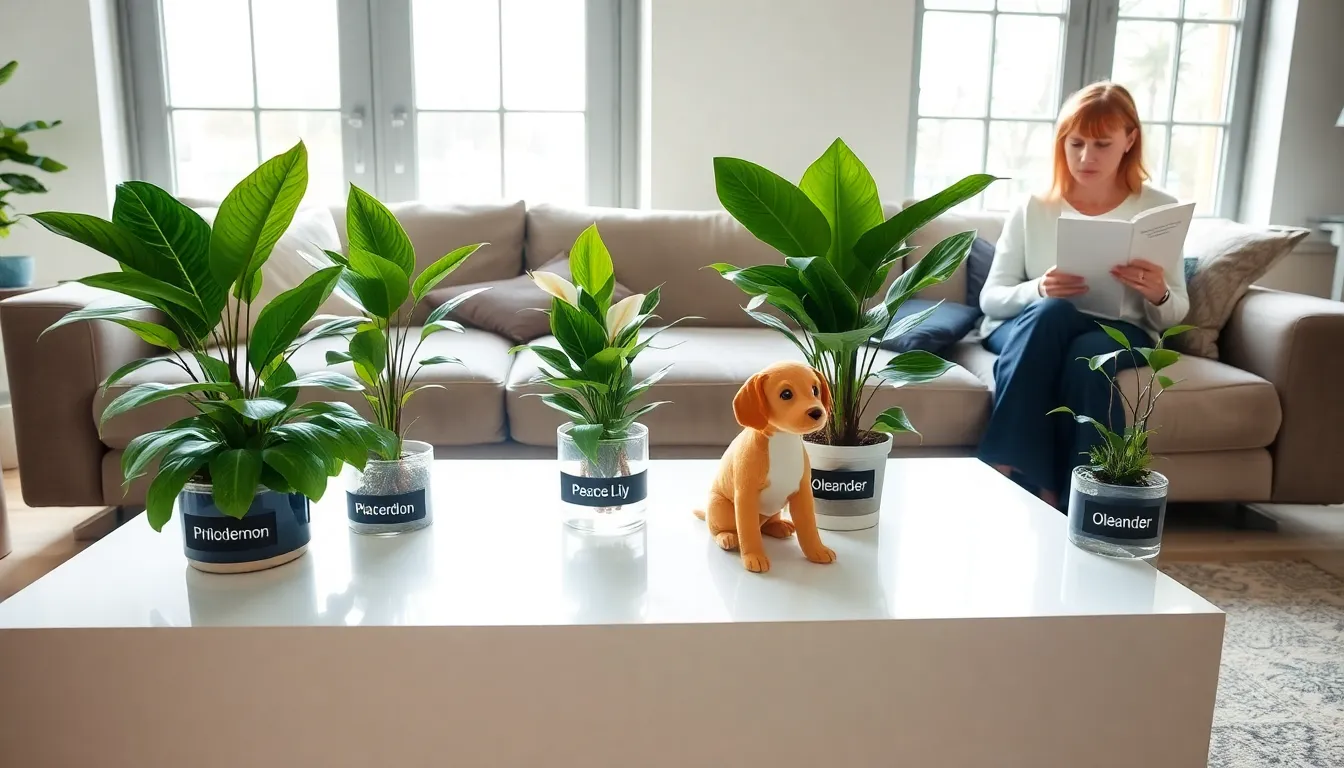
If you think all houseplants are safe, think again. Numerous popular house plants can be harmful to dogs, turning your home into a plant poisoning hazard. Here are some of the usual suspects:
1. Philodendron
A favorite for many indoor gardeners, philodendrons feature lovely heart-shaped leaves. But, they contain insoluble calcium oxalate crystals, which can irritate a dog’s mouth and digestive tract.
2. Spathiphyllum (Peace Lily)
Peace lilies are aesthetically pleasing but can leave your canine companion feeling less than peaceful. Ingesting any part of this plant can cause irritation and swelling in the mouth, difficulty swallowing, and even vomiting.
3. Dieffenbachia (Dumb Cane)
True to its name, Dumb Cane can leave your pup feeling dumb if ingested. It can cause severe oral irritation, swelling, and even difficulty breathing.
4. Aloe Vera
Though famous for its healing properties in humans, aloe vera can be toxic to dogs. If consumed, it can lead to vomiting, lethargy, and diarrhea.
5. Azalea
This flowering shrub packs a punch. Ingesting even a few leaves can result in serious illness, including gastrointestinal upset and even cardiovascular issues.
6. Oleander
Also known for its beauty, oleander is deadly to dogs. All parts of this plant are toxic, with ingestion leading to severe heart issues and potentially death.
Remember, this list is just the tip of the iceberg. Always research before bringing new plants into your home, if your four-legged friends are around.
Understanding Plant Toxicity Levels
Not all toxic plants are created equal. When it comes to plant toxicity levels, the effects can vary significantly depending on the species and the amount ingested. Here’s a broad overview of how toxicity is classified:
1. Mildly Toxic
These plants cause mild symptoms like drooling or an upset stomach. Examples include some varieties of ferns and pothos. While bothersome, they are generally not life-threatening.
2. Moderately Toxic
Moderately toxic plants can cause more severe symptoms, including vomiting, diarrhea, and lethargy. A common example is the snake plant, which can affect digestive health.
3. Severely Toxic
Severely toxic plants, like oleander, can be life-threatening. They may cause respiratory failure, heart problems, or even death. Always treat these plants with caution.
4. Non-toxic
Naturally, it’s essential to distinguish which plants are entirely non-toxic to dogs. Many popular houseplants, like spider plants or Boston ferns, pose no risk and can beautifully complement your home.
Symptoms of Plant Poisoning in Dogs
It’s crucial for pet owners to recognize the signs of plant poisoning quickly. If a dog has ingested a toxic plant, symptoms can range from mild to severe:
1. Gastrointestinal Symptoms
Vomiting and diarrhea are common indicators. If your dog is retching or showing signs of discomfort, investigate their recent activities.
2. Oral Irritation
Signs include drooling, difficulty swallowing, and swelling in the mouth. Excessive licking or biting their lips might signal discomfort.
3. Lethargy and Weakness
A sudden change in behavior, such as increased lethargy or reluctance to get up, could indicate a serious issue. Watch for your dog’s energy levels post-ingestion.
4. Respiratory Issues
Labored breathing, choking sounds, or coughing can signify more severe poisoning. This symptom is particularly associated with highly toxic plants.
5. Unusual Behavior
If your dog seems confused, disoriented, or excessively agitated, it might be experiencing more than just a case of the munchies.
Preventing Accidental Ingestion
Prevention is always better than cure, especially when it comes to our four-legged friends. Here are some practical strategies to prevent accidental ingestion:
1. Research Before Buying
Always check whether a plant is safe for dogs before making a purchase. Make it a habit to do a quick search before adding to your collection.
2. Designate Plant Free Zones
If certain rooms have plants that are toxic, consider keeping your dog out of those areas. Baby gates can be an effective physical barrier.
3. Dog Training and Commands
Teach your dog commands like “leave it” or “no.” Consistent training can reduce their eagerness to explore your greenery.
4. Dog-Safe Plant Alternatives
Opt for plants known to be safe for pets. Encourage your dog to enjoy safe chewing and exploring without the risk of toxic consequences.
Alternatives: Dog-Safe House Plants
If you want your home green without the risk of harm, there are plenty of dog-safe house plants to choose from:
1. Spider Plant
This hardy plant is not only easy to care for but also non-toxic to dogs. The feline friends also adore it, as it can grow arching leaves.
2. Boston Fern
Perfect for adding a soft, fern-like touch, Boston ferns are safe for dogs and can thrive in humid environments.
3. Areca Palm
With its feathery fronds, the areca palm is a beautiful addition to any room and is non-toxic to dogs.
4. Bamboo Palm
Another lovely indoor palm, bamboo palms not only purify the air but are also completely safe for dogs.
5. Ponytail Palm
This quirky plant, with its bulbous base and long leaves, is safe for your dog to be around and adds a unique touch to your decor.
What To Do If Your Dog Ingests A Toxic Plant
Even with preventive measures, accidents can happen. If your dog ingests a toxic plant, don’t panic. Here’s what to do:
1. Stay Calm
First things first, keep your cool. Panicking won’t help the situation.
2. Identify the Plant
Try to identify exactly what plant your dog has ingested. This information is crucial for any subsequent steps.
3. Contact Your Veterinarian
Reach out to your veterinarian immediately or call a pet poison hotline. They can guide you on the best course of action based on what was ingested.
4. Follow Instructions
Be ready to provide details on your dog’s size, symptoms, and the plant. Follow the instructions given by your vet closely which may include bringing your dog in for further testing or treatment.


