
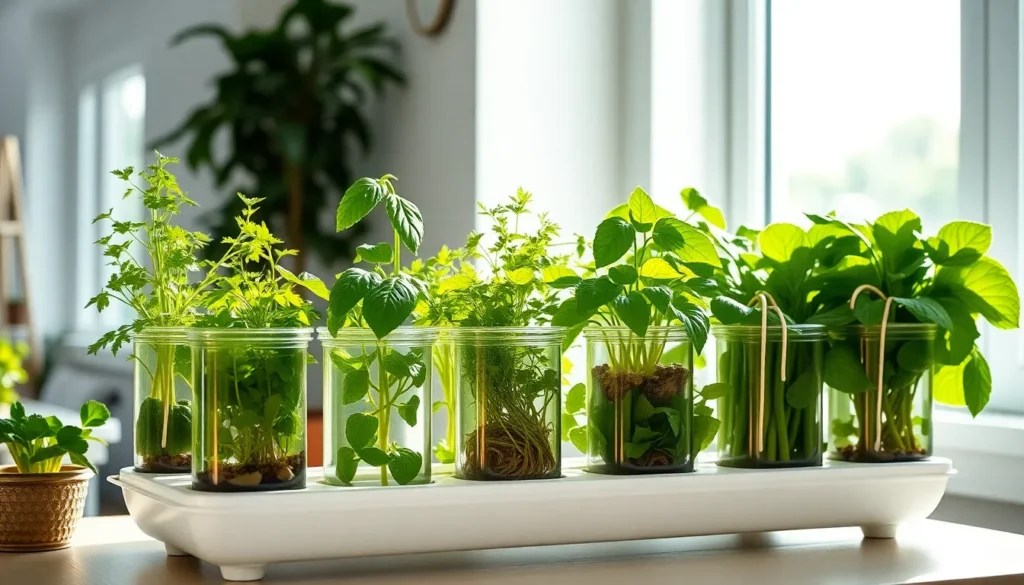

If you’ve ever looked at a houseplant and thought, “Why does this poor green buddy look so sad?” you’re not alone. Enter hydroponic house plants, the superhero of the indoor gardening world. No soil, no problem. These plants are thriving in nutrient-rich water, giving them the superfood they need to grow strong and beautiful. Imagine having a lush green oasis right in your home, all while being the coolest person in the room. So, buckle up as we jump into the leafy universe of hydroponics.
What Are Hydroponic House Plants?
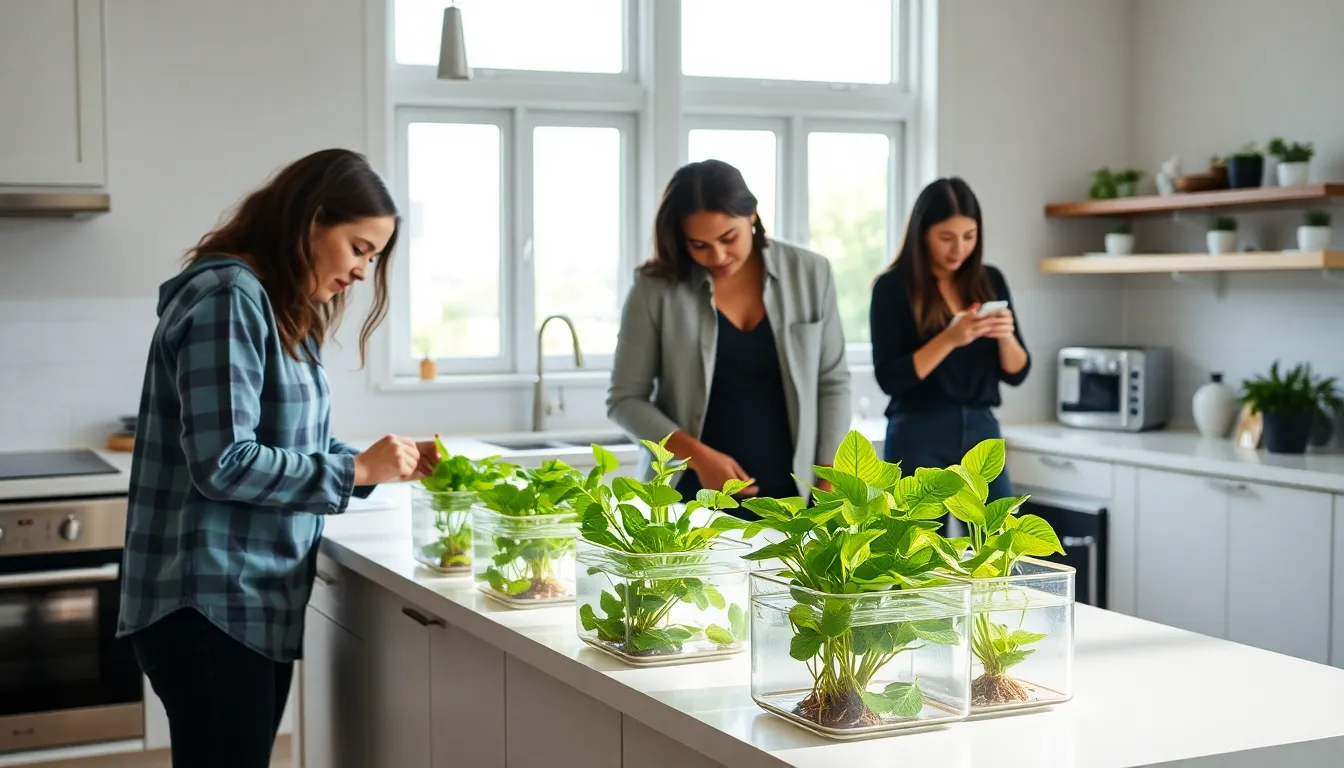
Hydroponic house plants are simply plants grown in water instead of soil, using nutrient solutions to deliver essential minerals directly to their roots. This method skips the messiness of dirt and offers a more efficient way to grow plants with fewer pests or diseases. Clean, right? Hydroponics can be as simple as a small countertop garden or expand into a grand indoor greenhouse, making it ideal for both beginners and seasoned plant parents alike.
Benefits of Growing Hydroponic House Plants
Growing hydroponic house plants comes with a delightful buffet of benefits:
Soil-Free Living
No soil means less mess. It’s perfect for those with a penchant for pristine living spaces.
Faster Growth Rates
Plants thrive more vigorously in hydroponic systems, often growing 30% faster than their soil-bound siblings. They get nutrient-rich water 24/7, which means healthier plants and quicker harvests.
Space Efficiency
Hydroponic systems can be vertical, allowing you to maximize space. This is excellent for those living in compact apartments.
Year-Round Gardening
No need to wait for perfect weather. Hydroponics provides the perfect environment for plants all year round, making it suitable for any season.
Water Efficiency
Surprisingly, hydroponics uses less water than traditional gardening. The water is recycled and reused, minimizing waste.
Types of Hydroponic Systems for House Plants
When it comes to choosing a hydroponic system, there are several types to consider:
Deep Water Culture (DWC)
In this method, plants are suspended in a nutrient-rich oxygenated solution. The roots dangle directly in the water, which provides them with everything they need. Easy to set up and maintain.
Nutrient Film Technique (NFT)
Here, a thin film of nutrient solution flows over the roots, allowing the plants to absorb what they need. This system is great for leafy greens and herbs.
Ebb and Flow (Flood and Drain)
This method involves flooding the plant roots with a nutrient solution and then draining it back, promoting oxygenation between watering. It’s versatile for various plant types.
Wick System
The simplest of all, this system uses a wick to draw nutrient solution from a reservoir to the plant’s roots. It’s low-maintenance and ideal for beginners.
Choosing the Right Hydroponic House Plants
Selecting the right plants for your hydroponic setup can make all the difference. Some of the best choices include:
- Herbs: Basil, mint, cilantro, and parsley thrive in hydroponic systems.
- Leafy Greens: Lettuce, spinach, and kale grow quickly and easily.
- Strawberries: Yes, you can grow these sweet treats hydroponically.
- Tomatoes: For those looking for a challenge, tomatoes can flourish with the right care.
When selecting plants, consider their nutrient needs, space requirements, and light preferences. Some low-light plants may struggle in brighter environments, while others might prefer a sunny window.
Caring for Your Hydroponic House Plants
Caring for hydroponic house plants may vary from traditional practices, but it’s straightforward once you get the hang of it:
Nutrient Management
Monitor nutrient solutions regularly. Plants need macro and micronutrients, ensuring they get what they need to grow strong and healthy.
pH Levels
Maintaining the right pH level (typically between 5.5 and 6.5) is crucial for nutrient absorption. A simple pH test kit can help you keep track.
Light Requirements
Plants need light to photosynthesize. Depending on the species, either natural sunlight or grow lights will be essential.
Cleanliness
Keep the system clean to prevent algae growth and waterborne diseases. Regularly check, rinse, and clean reservoirs and tubing.
Common Challenges and Solutions
Like any gardening venture, hydroponics has its fair share of challenges:
Algae Growth
If algae appear, reduce light exposure and clean the system thoroughly. Preventative measures include using opaque containers.
Nutrient Imbalance
Symptom: yellowing leaves? Check the nutrient solution. Periodically adjust and ensure you’re using the right mix.
Root Rot
Often caused by poor oxygenation, ensuring sufficient oxygen in the water is crucial. Consider aeration devices if necessary.


