


The iPhone 16 has captured the attention of tech enthusiasts and everyday users alike, but what happens when it suddenly won’t turn on? This frustrating issue can leave users feeling helpless and confused. Whether it’s due to a software glitch, battery failure, or hardware malfunction, understanding the potential causes can help users troubleshoot effectively.
In a world where smartphones are essential, a non-responsive iPhone can disrupt daily life. Fortunately, there are several steps one can take to diagnose the problem before seeking professional help. This article will explore common reasons why the iPhone 16 might not power up and offer practical solutions to get it back in action.
Common Reasons Why iPhone 16 Won’t Turn On
The iPhone 16 may not turn on due to various factors. Understanding these common reasons aids in identifying potential solutions.
Battery Issues
Battery issues frequently prevent the iPhone 16 from powering on. A completely drained battery, not holding a charge, or an internal battery failure can cause this problem. Users should connect the device to a charger, allowing it to charge for at least 15 minutes before attempting to power it on again. If the battery displays no charging indicator, the battery might require professional evaluation or replacement.
Hardware Failures
Hardware failures can also result in the iPhone 16 not turning on. Faulty components, such as a malfunctioning power button, damaged charging port, or internal circuit issues, may interfere with the device’s functionality. In such cases, users should check for visible damage and ensure the charging cable is functional. Persistent issues may necessitate visiting an authorized service center to diagnose and repair hardware problems.
Troubleshooting Steps for iPhone 16 Won’t Turn On
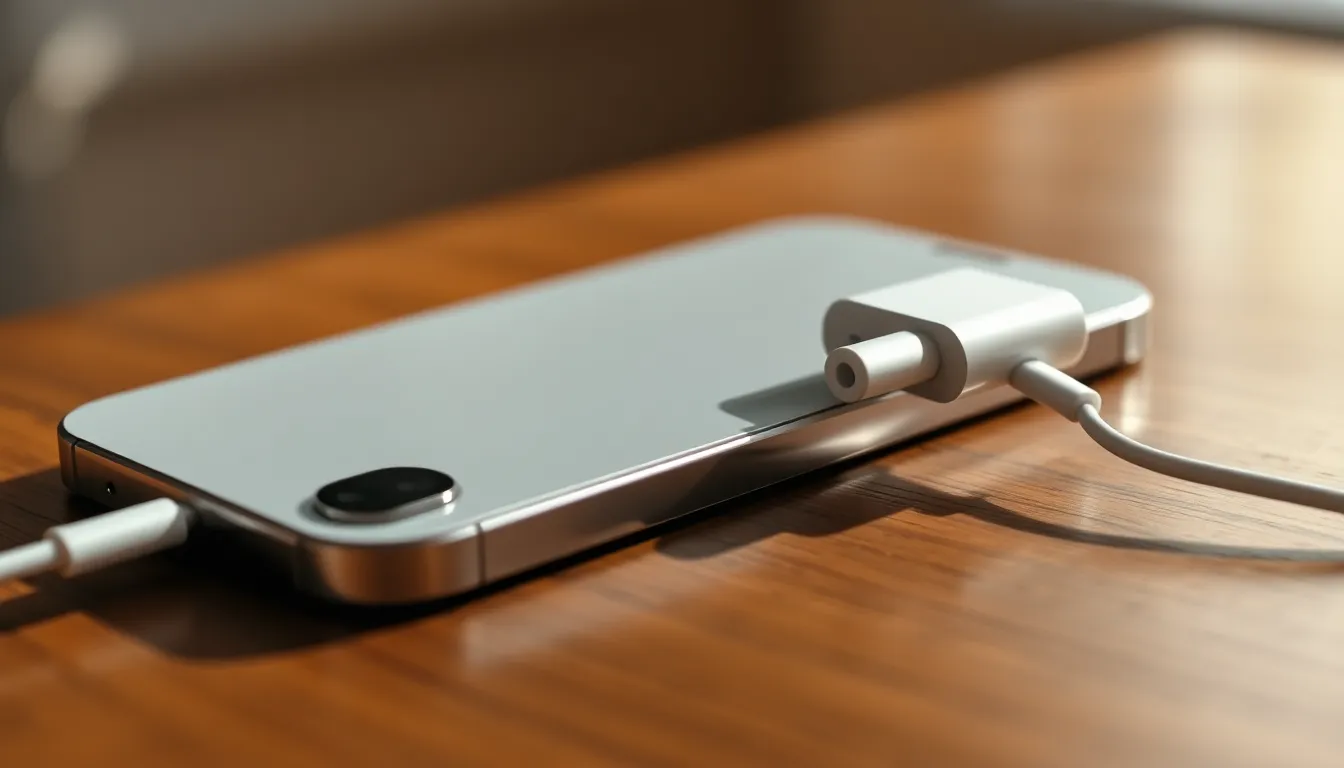

Addressing the issue of an iPhone 16 that won’t turn on involves specific troubleshooting steps. These steps help users determine if the device can be revived without professional help.
Hard Reset Process
Performing a hard reset can resolve many software-related issues. To execute a hard reset on an iPhone 16, follow these steps:
- Quickly press and release the Volume Up button.
- Quickly press and release the Volume Down button.
- Press and hold the Side button until the Apple logo appears.
This process typically takes about 10 seconds. A successful restart can address minor glitches and help the device power on.
Charging Your Device
Charging the device properly is essential for troubleshooting power issues. Users should follow these steps:
- Connect the iPhone 16 to a genuine Apple charger and cable. Using third-party accessories may cause compatibility issues.
- Ensure the charging port is free of debris. Dirt or lint can interfere with the connection.
- Leave the device connected for at least 15 minutes. This allows the battery to gain enough power if it’s completely drained before attempting to turn it on again.
If the device doesn’t respond after following these steps, further investigation might be necessary.
When to Seek Professional Help
Determining when to seek professional help for an iPhone 16 that won’t turn on is crucial for effective troubleshooting. Users should consider engaging a technician if basic remedies do not yield results.
Authorized Service Providers
Authorized service providers offer specialized expertise in diagnosing and repairing iPhones. Users should consult these providers if the device shows signs of extensive damage or if hardware components may need replacement. Authorized providers utilize genuine parts, ensuring that repairs meet Apple’s standards. They also possess training and tools specifically designed for iPhone repairs, which enhances the likelihood of resolving complex issues quickly. To locate an authorized provider, users can visit Apple’s official website or use the Apple Support app.
Warranty Considerations
Understanding warranty coverage is essential before seeking repairs. If the iPhone 16 is still under warranty, repairs at authorized service centers may be free of charge for eligible issues. Users should check warranty status by entering their device’s serial number on Apple’s warranty page. If the battery or hardware defect falls within the warranty guidelines, professional help is not only recommended but also financially sensible. Users may also consider AppleCare+ coverage, which provides extended service options and reduced repair costs for accidental damage.
Preventive Measures
Implementing preventive measures can reduce the chances of an iPhone 16 not turning on. Regular upkeep and timely updates play crucial roles in maintaining optimal device functionality.
Regular Maintenance Tips
- Charge the Battery Regularly: Keeping the battery charged above 20% can prevent it from fully draining. Aim to charge the device frequently to avoid potential battery failures.
- Clean the Charging Port: Dirt or debris in the charging port can hinder charging. Use a soft, dry brush or a toothpick to carefully remove obstructions.
- Inspect for Damage: Check the exterior for cracks or signs of wear. Visible damage may indicate underlying hardware issues that could affect functionality.
- Use Genuine Accessories: Utilizing Apple-certified chargers and cables ensures compatibility. Avoid third-party accessories that may not meet Apple’s safety standards.
- Backup Data: Regularly back up important data using iCloud or iTunes. This helps protect valuable information and facilitates easy recovery if issues arise.
Software Updates
- Enable Automatic Updates: Activating automatic updates ensures the latest software is installed. Frequent updates fix bugs that may contribute to performance issues.
- Check for Updates Regularly: Manually check for updates in Settings > General > Software Update. Staying current with updates helps mitigate potential software glitches.
- Reset Settings if Necessary: Occasionally resetting all settings can resolve persistent problems without erasing data. Navigate to Settings > General > Transfer or Reset iPhone > Reset > Reset All Settings.
- Monitor App Performance: Keep apps up to date. Outdated apps can cause conflicts. Check the App Store for available updates.
- Avoid Overloading Storage: Maintain ample storage space. High storage usage can slow performance and contribute to software issues. Remove unnecessary files and apps periodically.


