


If home decor were a game, red house plants would be winning at every turn. Imagine stepping into your living room and being greeted by lush, vibrant foliage that practically screams “look at me.” These eye-catching gems not only elevate your space but also bring a bit of nature indoors, giving your home that much-needed pop of color. From the passionate crimson hues of a Japanese Maple to the bold streaked leaves of a Red Aglaonema, there’s a stunning variety waiting to brighten your sanctuary. So, if you’re ready to jump into the world of red flora, keep reading to discover how these captivating plants can transform your home from drab to fab.
Understanding Red House Plants
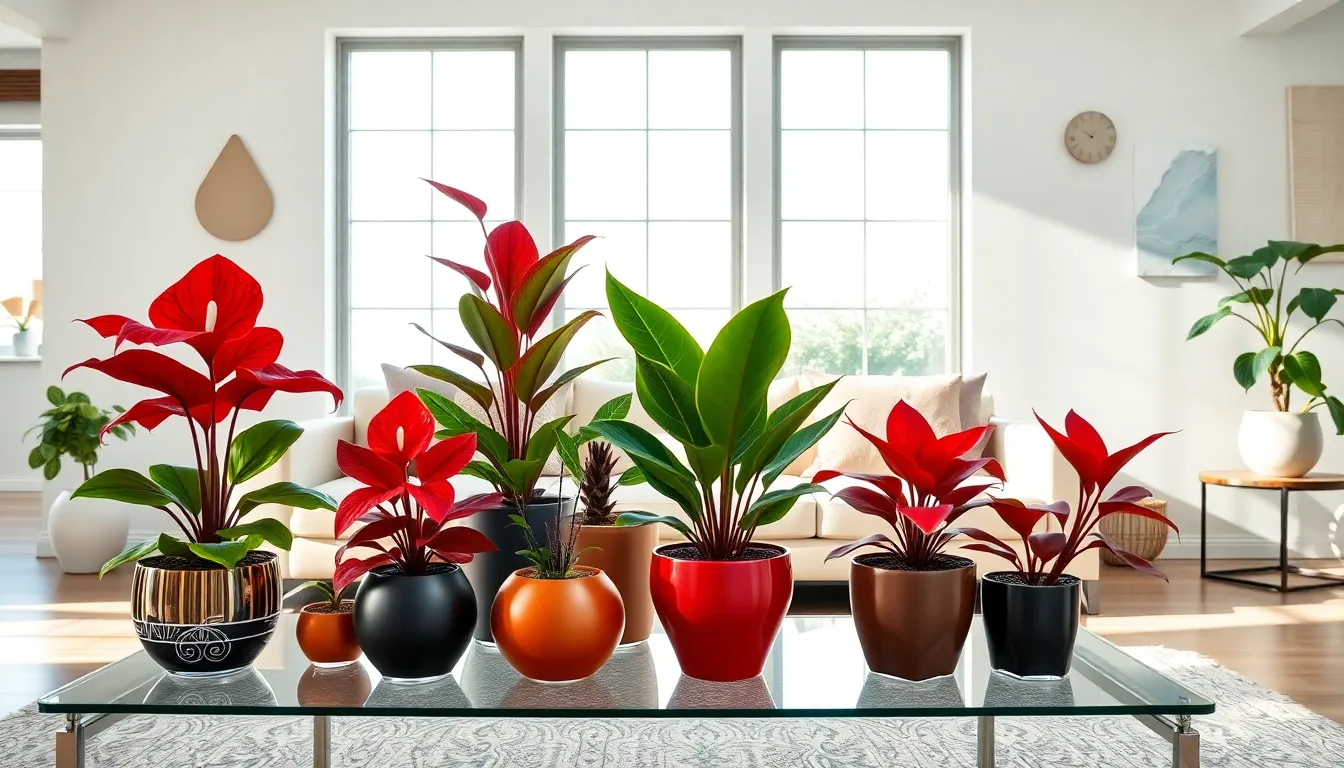
Red house plants are more than just colorful decorations: they can be a vibrant centerpiece in any room. The rich reds you see in these plants often come from pigments called anthocyanins, which can change based on light, temperature, and even the plant’s age. Many red house plants thrive in different environments, making them versatile choices for both novice and experienced plant lovers.
These plants can fit into various aesthetic styles, from bohemian to modern chic, making them a perfect addition to any home. Understanding what makes each plant unique is crucial. Some red plants may require more light or humidity than others, so knowing their preferences can make a significant difference in how they flourish in your living space.
Popular Types of Red House Plants
There’s no shortage of stunning red house plants, each with its flair. Here are a few favorites:
1. Red Aglaonema
Known for its fabulous pinkish-red streaks, the Red Aglaonema is not just visually appealing: it’s also very forgiving when it comes to care. If you tend to forget watering, this plant won’t hold a grudge.
2. Japanese Maple
Though traditionally an outdoor tree, many love keeping the Japanese Maple indoors during cool months. Its striking red leaves bring a distinct beauty that can make a room feel more refined.
3. Coleus
With numerous varieties, Coleus plants come in dazzling combinations of red, yellow, and green. They thrive in bright light and are perfect for sunny windowsills.
4. Maranta Leuconeura (Red Prayer Plant)
This beauty doesn’t just sit pretty. Its leaves are vibrant red underneath and fold up at night, resembling praying hands. This plant is sure to be a conversation starter.
5. Anthurium
Also known as the flamingo flower, its glossy red spathes are relatively easy to care for. It adds a tropical touch to any indoor space while being a long-lasting bloomer.
Caring for Your Red House Plants
Caring for red house plants requires understanding their specific needs. Here are some essential tips:
- Light Requirements: Most red house plants flourish in bright, indirect sunlight. Direct sun can scorch their delightful leaves, while too little light can rob them of their vibrant color.
- Watering Needs: Overwatering is a common mistake. It’s important to allow the topsoil to dry out between watering sessions. While a red plant often looks thirsty, they prefer to gauge their moisture level rather than sitting in water.
- Humidity Levels: Many red plants adore humidity. Using a humidifier or placing a pebble tray under the pot can create a more inviting atmosphere. This is especially beneficial for tropical varieties like the Anthurium.
- Fertilizing: During the growing season, feed your red plants a balanced fertilizer every few weeks. This helps them maintain their stunning colors and promotes healthy growth.
The Benefits of Having Red House Plants
Adding red house plants to your decor can do wonders, and here’s why:
- Aesthetic Appeal: Vibrant colors draw the eye, making red plants an ideal option for adding flair. They create focal points or subtle enhancements, depending on where they are placed.
- Mood Booster: Color psychology suggests that red hues can bring warmth and energy to a space. Whether you’re trying to energize your mornings or wind down in the evenings, these plants can help create the desired ambiance.
- Air Purification: Many house plants, including red varieties, can act as natural air purifiers. They remove toxins from the air, promoting a healthier living environment.
- Connection to Nature: In today’s fast-paced world, having plants at home allows a connection to nature, reducing stress and enhancing overall well-being.
Styling Tips for Red House Plants
Incorporating red house plants into your home decor requires a little finesse. Here are some styling tips to get you started:
- Contrast with Greenery: Pair red plants with lush green foliage to create a dynamic display. The contrasting colors enhance each other’s beauty.
- Use Unique Containers: Selecting pots that complement the plant’s vibrant color can elevate your styling game. Consider using ceramic pots in earthy tones or metallic finishes for a modern look.
- Group Plants: Creating a mini indoor garden by grouping various red and complementary plants can create visually appealing scenes. Layer heights and textures for depth.
- Highlight with Light: Use spotlights or backlighting to create captivating displays. A well-placed light can emphasize the rich reds, making them even more stunning.


