


Rustic architecture isn’t just a style: it’s a way of life that reconnects us with nature and simplicity. Imagine warm wooden beams, cozy stone fireplaces, and maybe even a few squirrels deciding to move in with you. This approach to building is all about embracing the raw beauty of materials and the environment we live in. If you’re tired of cookie-cutter homes that look more like they belong in a video game than the real world, this guide to rustic architecture is for you. Embrace the charm, and let’s jump into the world of rustic design.
What Is Rustic Architecture?
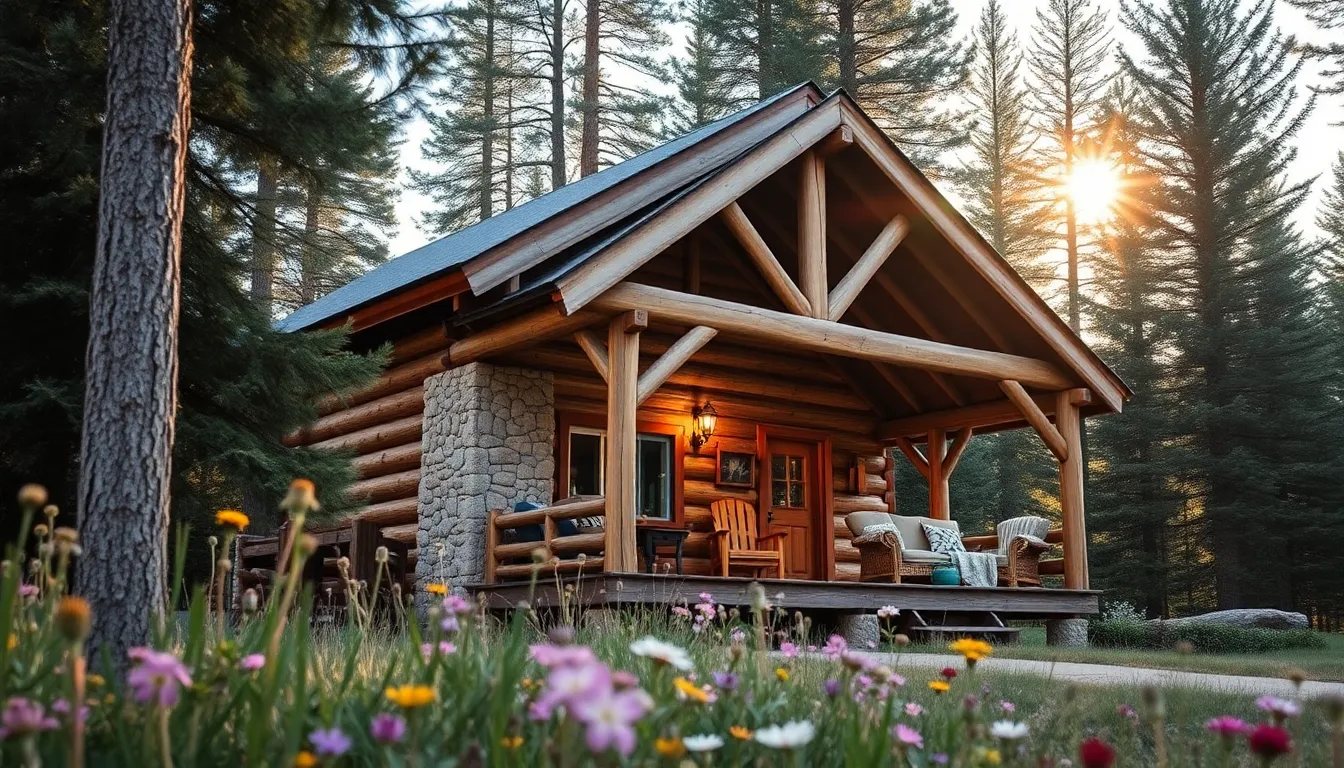
Rustic architecture refers to a style that emphasizes natural materials, organic shapes, and an overall harmony with the surrounding landscape. It’s not just about aesthetics: it embodies a lifestyle that respects tradition and embraces the authenticity of local resources. Picture a cozy cabin nestled among tall pines, or a charming farmhouse where every beam tells a story. This style evokes feelings of warmth and familiarity, often drawing inspiration from rural settings. Rustic design focuses on creating a sense of comfort, making spaces feel inviting and lived-in rather than sterile and grand. This architectural approach reminds us to take a step back and appreciate the beauty in simplicity.
Key Features of Rustic Architecture
Understanding rustic architecture involves appreciating its unique features that set it apart from other styles. Many elements come together to create this warm, inviting aesthetic.
Materials Commonly Used in Rustic Architecture
First and foremost, the materials play a pivotal role. Expect to see an abundance of wood, stone, and other natural resources. Earthy tones dominate this style, with a focus on textures that create visual interest. These materials don’t just look good: they also connect the structure to its environment, which is a fundamental principle in rustic design.
Wood: The Heart of Rustic Design
Wood is often considered the heart of rustic architecture. Whether it’s reclaimed barn wood or sturdy logs, wood brings life to a space. Beams and trusses add depth, while wood paneling creates warm interiors. It’s hard to deny that a well-crafted wooden piece can tell a story of its own, enhancing the romantic charm commonly associated with rustic homes.
Stone and Natural Elements
Stone is another common material, providing durability and a sense of permanence. Think of stone walls, pathways, and fireplaces that add character to a home. Natural elements like clay, metals, and even glass can complement the wood and stone, tying the overall design together. The integration of nature-based materials creates a seamless transition between the indoors and outdoors.
Rustic Architecture Around the World
Rustic architecture can be found in various forms across the globe, each region offering its own unique twist. In Europe, for example, you might find charming thatched-roof cottages, especially in England and France, where the landscape plays a crucial role in architectural choices. The Alps boast beautiful chalets made from local materials, harmonizing with their snowy surroundings.
Moving to North America, log cabins symbolize the rustic charm that many people associate with the great outdoors. The severe cold and inviting wilderness shaped these homes to offer warmth and comfort. In contrast, South American rustic architecture leans heavily on vibrant colors and cultural influences, with traditional adobe buildings that echo the region’s rich history.
No matter where one travels, rustic architecture emphasizes a connection to place and community, making it universally appealing.
The Influence of Rustic Architecture on Modern Design
The principles of rustic architecture have found their way into modern design, influencing everything from urban dwellings to commercial spaces. With sustainability at the forefront of contemporary thought, many architects are integrating rustic elements into their projects, utilizing reclaimed materials and focusing on energy efficiency. This blend creates beautifully harmonious spaces that respect the past while being mindful of the future.
Design elements such as exposed beams, rough-hewn finishes, and natural landscaping are now seen in modern homes, bringing a touch of that rustic charm into the city. Even minimalist designs borrow from rustic architecture’s warmth, making the aesthetic more appealing to a broad audience. This cross-pollination taps into the human desire for connection, reminding modern dwellers of nature and simplicity amid urban chaos.
Tips for Incorporating Rustic Architecture in Your Home
If the allure of rustic architecture has captured your heart, incorporating its charm into your home doesn’t have to be daunting. Here are some tips to get you started:
- Start with the Materials: Use natural materials like wood and stone, opting for reclaimed wood to add character and history.
- Embrace Color: Warm earthy tones can set the mood. Consider including browns, greens, and soft whites to evoke a cozy feeling.
- Include Rustic-Focused Furniture: Look for pieces that display craftsmanship, such as handmade tables or vintage items that tell a story.
- Natural Light is Key: Large windows can bring the outside in, making your space feel more open and connected to nature.
- Accessorize Wisely: Incorporate natural elements in your decor, such as woven baskets, pottery, or plants, to enhance that rustic vibe.
By considering these elements, anyone can start to weave rustic charm into their living spaces, creating a home that feels both inviting and timeless.


