

When it comes to building construction, Type 5 is like the double espresso of the construction world, intense, versatile, and often misunderstood. This article sets out to demystify everything about Type 5 building construction, from its core characteristics to its essential regulations. So, if you’ve ever wondered what makes these structures tick, or why they benefit from the occasional rethinking, stick around. You’re about to get schooled in a way that’s not just informative, but also entertaining.
Overview of Type 5 Buildings

Type 5 buildings are primarily made of wood frame construction, recognized as the most common type used in residential buildings across the United States. Typically characterized by their wooden frames, these structures fall under the International Building Code’s (IBC) classification for combustible buildings. Often found in neighborhoods, they range from single-family homes to multi-story apartments. This type offers builders flexibility in design and construction, yet it raises some eyebrows about fire resistance and durability compared to heavier materials. Perhaps that’s why some homebuyers debate choosing between the cozy charm of Type 5 and the sturdiness of, say, a concrete option.
Key Characteristics of Type 5 Construction
What sets Type 5 construction apart? First off, the use of combustible materials is a hallmark feature. The framework typically consists of timber, plywood, and particleboard, which provide good thermal insulation and energy efficiency. Another key characteristic is its flexibility in layout design, allowing for an array of styles and configurations. It has lower initial costs when building, making it a popular choice for developers. But, this brings about concerns about fire risks, especially in areas prone to wildfires or dense populations. Yet, building codes have evolved to reflect these realities, ensuring that safety standards are maintained without sacrificing aesthetics.
Materials Used in Type 5 Construction
When it comes to materials, Type 5 buildings mainly use timber framed walls, which effectively support roofs and floors. Other materials include oriented strand board (OSB) for sheathing and plywood for flooring. These materials are chosen not just for their cost-effectiveness but for their availability. Insulation is typically made from fiberglass or foam, contributing to the overall energy efficiency of the structure. But, these materials must comply with local building codes for fire safety. This means that while cost-effective, it’s crucial to strike a balance between affordability and safety, because nobody wants their beautiful new home to go up in smoke.
Benefits and Drawbacks of Type 5 Building
Type 5 construction isn’t without its pros and cons. On one hand, the benefits include affordability, ease of construction, and the use of sustainable, renewable materials. This attracts developers and homeowners alike, especially in urban areas where budget constraints are a reality. Also, the speed of construction often results in quicker occupancy. Yet, it also comes with drawbacks: notably, lower fire resistance compared to other building types. Also, insurance rates may be higher due to the perceived risks. Besides, in areas with high humidity, wood can be susceptible to pests and rot, bringing maintenance concerns to the forefront.
Code Requirements and Regulations for Type 5 Buildings
Code requirements for Type 5 buildings are stringent but adaptable. The International Building Code (IBC) outlines specific mandates about fire safety, structural safety, and accessibility. This means that even though wood frame structures are prone to certain risks, these building codes include requirements like fire-resistant materials and separation barriers between units in multi-family dwellings. Local regulations may also enforce additional fire distance requirements or impose restrictions on the height and size of the building. These regulations ensure that while Type 5 construction remains popular, it does not compromise on safety compliance.
Common Applications and Examples
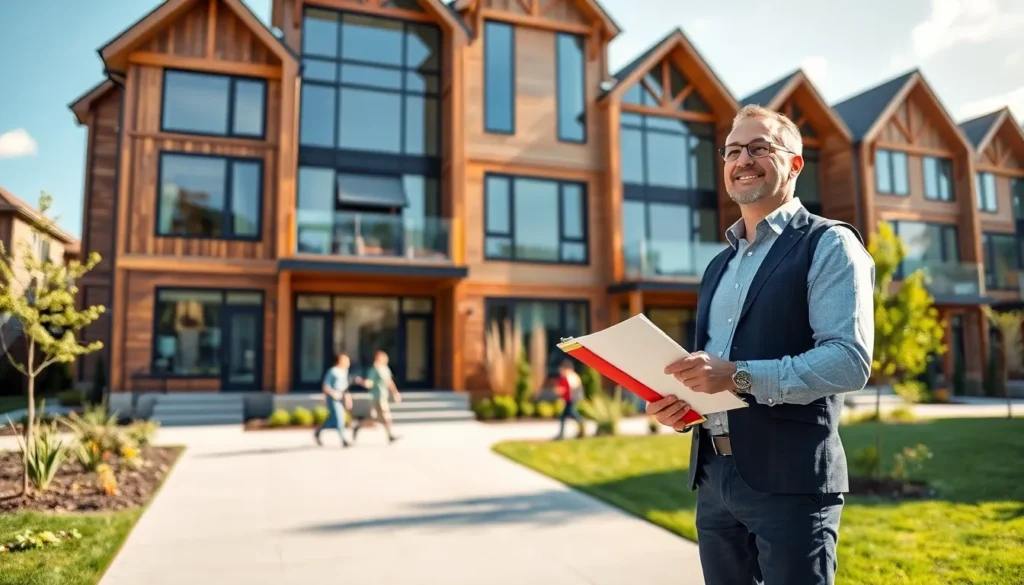
Type 5 construction is ubiquitous in many residential projects. Think suburban single-family homes, townhouses, and multi-family apartment complexes. Its versatility allows architects to play with designs while keeping costs manageable. Notable examples can be found in planned developments across the country, where cookie-cutter homes showcase Type 5’s scalability. In some regions, developers are also turning to Type 5 for affordable housing projects, demonstrating that it’s not just suited for the upscale market. While it may lack the grandiosity of high-rises, its community-focused designs foster a sense of belonging and home.
Future Trends in Type 5 Building Construction
The future of Type 5 construction looks promising. An increasing emphasis on sustainable building practices has led to innovations in making wood-based options more resilient against fire and pests. Advances in engineered wood products aim to enhance durability, while green certification programs are becoming more prevalent. Also, technology such as cross-laminated timber (CLT) is gaining ground, offering stronger structures that meet sustainability goals. As the construction industry moves toward environmentally conscious practices, Type 5 buildings may soon evolve into energy-efficient, sustainable homes that don’t sacrifice comfort or design.


