

When it comes to warehouse building construction, most would think it’s all about bricks, mortar, and a matching hard hat. Forget that image: we’re diving deeper. This isn’t just about getting a roof over your head for excess inventory. No, it’s about crafting a marvel of logistics that can outsmart, outlast, and outperform the competition. With e-commerce booming faster than a cheetah on roller skates, the right warehouse design can create a competitive edge. So, let’s roll up those sleeves and explore this exciting construction realm where efficiency meets innovation.
Understanding Warehouse Building Types
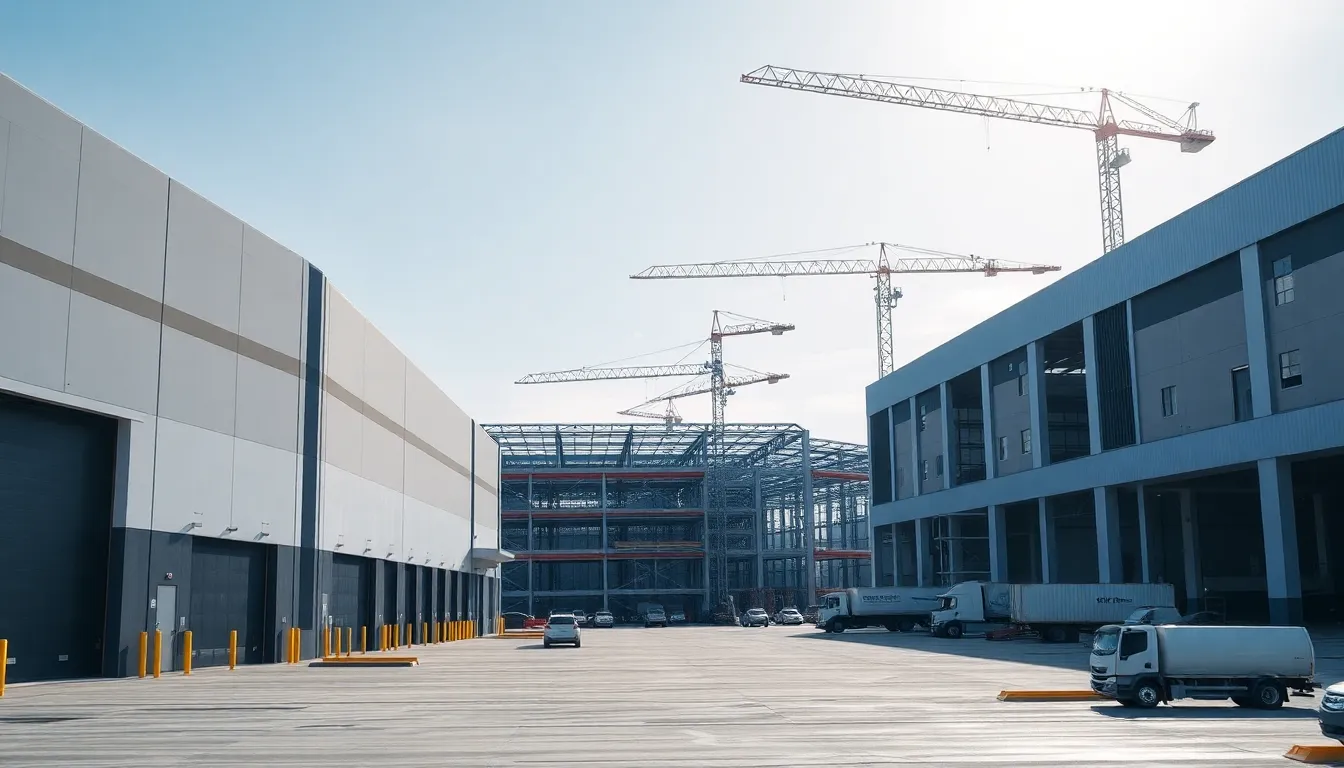
Warehouses come in many shapes and sizes, each tailored to meet specific needs. The most common types include:
General Purpose Warehouses
These versatile structures serve a broad range of industries. They typically feature high ceilings for ample storage and easy access for loading and unloading.
Climate-Controlled Warehouses
Perfect for storing sensitive items such as pharmaceuticals or certain foods, climate-controlled warehouses maintain specific temperature and humidity levels.
Distribution Centers
These are the superheroes of the warehousing world. Designed for the rapid and efficient distribution of goods, distribution centers often include advanced technology for inventory management.
Automated Warehouses
As technology advances, automated warehouses are becoming more popular. Featuring robotics and conveyor systems, these warehouses ensure swift operations and minimal human intervention.
Cold Storage Warehouses
When it comes to food and pharmaceuticals, temperature is crucial. Cold storage warehouses are designed to maintain low-temperature environments, preserving the integrity of perishables.
Cross-Dock Warehouses
The goal here? Speed. Cross-dock facilities are designed to transfer goods directly from inbound to outbound transportation, minimizing storage time and maximizing efficiency.
Factors Influencing Warehouse Construction
Multiple factors influence the construction of a warehouse, and each plays a vital role in ensuring successful project completion:
Location
The geographic location is key. A well-placed warehouse can reduce transportation costs and improve delivery times. Proximity to major transportation networks enhances operational efficiency.
Zoning Regulations
Understanding local zoning laws is crucial. These laws dictate what can be built and where. Compliance is not only necessary for legal reasons but also affects design capabilities.
Budget Constraints
Every builder knows that money talks. Establishing a clear budget early on ensures that the design remains feasible and doesn’t veer off course unexpectedly.
Technology Integration
In this tech-driven age, integrating technology during the construction phase is a game-changer. Smart warehouses boast sophisticated inventory management and security systems, making them more efficient and secure.
Labor Availability
Merely building a warehouse isn’t enough: skilled labor is essential for successful construction. Availability of a skilled workforce can impact timelines and quality.
Key Steps in the Warehouse Construction Process
Constructing a warehouse involves several critical steps:
Planning and Design
Before the first brick is laid, effective planning is essential. This step includes determining the warehouse size, layout, and any special requirements.
Site Preparation
Clearing and preparing the site ensures a solid foundation. Proper grading and drainage systems are necessary to avoid future complications.
Foundation Work
The foundation is arguably the most crucial part of construction. A robust foundation supports the entire structure, so ensuring it meets local codes is vital.
Structural Framework
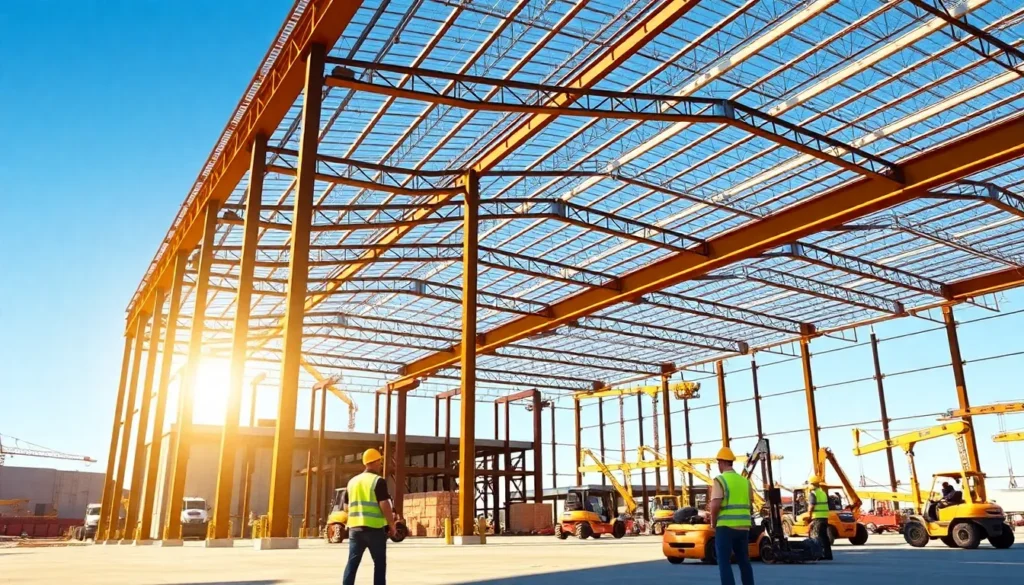
Raising the structural framework brings the warehouse to life. Steel frames are common due to their strength and flexibility.
Roofing and Siding
This step seals the building. Proper roofing and siding choices impact energy efficiency and maintenance costs later on.
Interior Setup and Systems
After the exterior is complete, focus shifts to the interior. This includes installing shelves, conveyor belts, and other systems designed for operation efficiency.
Final Inspection
Before operations can begin, a thorough inspection must occur. This ensures everything meets codes and regulations.
Design Considerations for Efficient Warehousing
Design plays a pivotal role in the effectiveness of a warehouse. Here are key considerations:
Space Utilization
Maximizing every inch of space is essential for efficiency. Smart designs incorporate vertical storage solutions and strategic aisle layouts to enhance accessibility and workflow.
Workflow Optimization
An effective layout minimizes unnecessary movements for staff. By strategically placing commonly used items, operational efficiency is achieved.
Accessibility
Designing for easy access can make or break a warehouse. Wide aisles and multiple entrance points help smoother operations.
Safety Features
Safety should never be an afterthought. Including features such as fire exits, sprinkler systems, and proper ventilation ensures a safe working environment.
Sustainability in Warehouse Building Practices
Sustainability is increasingly influencing warehouse construction. Here’s what to consider:
Green Building Materials
Using sustainable materials can reduce the carbon footprint. Options like recycled steel and eco-friendly insulation make a significant difference.
Energy Efficiency
Incorporating energy-efficient systems helps lower operational costs. Solar panels, LED lighting, and smart HVAC systems enhance sustainability efforts.
Water Conservation
Implementing strategies for water conservation can reduce waste. Features such as rainwater harvesting and efficient plumbing fixtures promote sustainability.
Future Trends in Warehouse Construction
As the industry evolves, new trends are emerging in warehouse construction:
Robotics and Automation
The deployment of robotics is set to increase. Automating tasks can significantly improve efficiency and cut labor costs.
Modular Construction
This approach reduces construction time and increases flexibility. Buildings can be expanded easily based on demand.
Smart Warehouses
Integrating IoT and AI technologies enables real-time tracking and inventory management. These technologies allow for data analysis to improve operations and decision-making.


