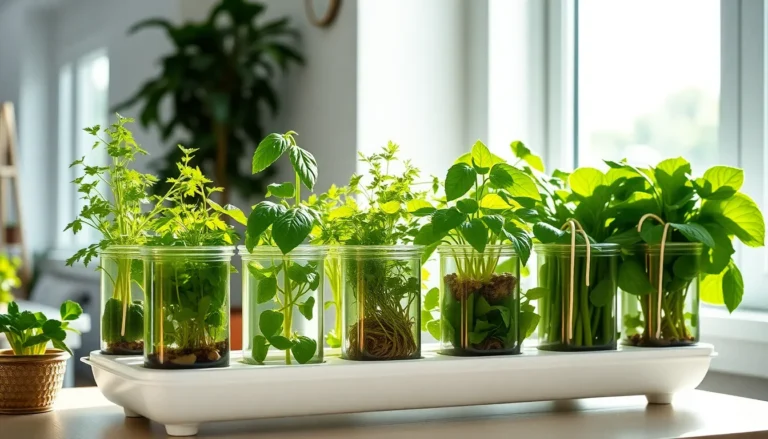
Picture this: it’s Monday morning, coffee’s in hand, and you stroll past your house plants, only to discover the poor ferns are looking more parched than a desert. Knowing how often to water house plants can feel like deciphering an ancient script. But fear not. It’s easier than explaining your love for avocado toast while skipping leg day at the gym. In this guide, we’ll jump into the watery abyss and explore how to keep your leafy friends thriving, without turning them into sad, droopy specimens.
Understanding Soil Moisture Needs

To keep house plants healthy, understanding soil moisture is critical. Soil is not just a home for roots: it’s a complex ecosystem that holds vital components for plants. This means knowing when the soil is dry enough to water is essential.
Generally, house plants tend to prefer their soil to dry out slightly between waterings, but how dry is dry? This can vary based on the plant type. For instance, succulents may demand a much drier soil compared to tropical plants like calatheas, which prefer consistently moist soil.
An easy way to check moisture is the “finger test.” Insert a finger about an inch deep into the soil. If it feels dry, it’s time to water. But, if it feels damp, your plant is just fine for now. This simple test goes a long way in preventing the common watering mistake that many plant parents make.
Factors Affecting Watering Frequency
Watering frequency isn’t just a shot in the dark. Several factors can transform a simple question into a more complex puzzle.
Light Conditions: Plants bask in sunlight to thrive. More light usually means more moisture is needed as the plant uses up water faster. If the plants are enjoying a sunbath on a windowsill compared to languishing in a shadowy corner, their water needs will differ significantly.
Temperature and Humidity: Warm, dry air can quickly deplete moisture in the soil. In dry environments, plants may need water more frequently. A humid environment can prolong the time between waterings. So during those scorching summers, keep an eye on your leafy friends.
Seasonal Changes: Just like a new wardrobe for winter, house plants go through seasonal cycles that affect how they drink. In spring and summer, many plants are actively growing and may need more frequent watering. Come fall and winter, they often enter dormancy and require less water.
Regularly assessing these factors will help ensure your plant is not suffering from dryness or drowning in moisture.
Types Of House Plants And Their Water Requirements
Not all house plants are created equal. Their hydration needs range from high to low, which can be baffling for even the most seasoned plant owner. To simplify the process, here’s a breakdown of some common house plants and their watering requirements:
- Succulents and Cacti: These hardy plants love dry conditions. Water once every 2-3 weeks, letting the soil dry completely in between.
- Ferns: They thrive in humidity and need evenly moist soil. Water them at least once a week.
- Peace Lily: This beauty signals when she needs water by drooping. Water it when the top inch of the soil is dry, which may be every 5-7 days.
- Spider Plant: These curious green companions like their soil slightly dry between waterings, needing water every week to ten days.
- Snake Plant: Often referred to as the toughest plant, the snake plant needs little water, about every 3-4 weeks.
Understanding these differences can enhance your plant parenting game, ensuring each of your green pals gets the proper uptake.
Signs Of Overwatering And Underwatering
Whether plants are your lifelong companions or recent additions, learning to recognize signs of distress is crucial. Overwatering and underwatering can wreak havoc, leading to sad plants, so let’s identify the signs.
Overwatering Symptoms:
- Yellowing Leaves: Often a cry for help, yellow leaves may indicate excess water, leading to root rot.
- Wilting: It may sound contradictory, but saturated roots can lead to wilting as the plant struggles to take in water.
- Mold or Fungus: If you notice mold growing on the surface of the soil, it’s time to back off on the H2O.
Underwatering Symptoms:
- Brown, Crispy Leaves: Leaves that look like a crispy snack are likely suffering from lack of moisture.
- Droopiness: If the plant looks like it’s had a long night out, drooping leaves are a solid sign it’s thirsty.
- Dry Soil: If the topsoil is bone-dry, it’s probably time to water, especially if it’s been a while since the last watering.
Being aware of these signs can save your plants from drastic situations, don’t let them suffer in silence.
Best Practices For Watering House Plants
Ready to become a plant watering expert? Follow these best practices to keep your house plants perky and hydrated.
- Water in the Morning: Morning watering allows plants to absorb moisture before the heat sets in. Plus, it offers them a refreshing start to the day, who wouldn’t love that?
- Thorough Watering: When it’s time to water, give the plant a good soak until water drains out of the bottom of the pot. This signals that all parts of the soil have received their moisture.
- Drainage Matters: Ensure your pot has drainage holes. This prevents water from accumulating at the bottom, which is a surefire way to encourage root rot.
- Monitor Regularly: Check your plants frequently. Creating a watering schedule based on plant type can help streamline the process.
- Adjust Seasonally: Keep seasonal changes front of mind. As the weather transitions, so should your watering habits, less in the winter, more in the growing season.
Implementing these practices will put you on the path to being the ultimate house plant caretaker.
Tools To Monitor Soil Moisture
Equipped with simple tools, monitoring soil moisture can become a breeze. A few handy gadgets can take the guesswork out of watering:
- Soil Moisture Meters: These handy devices give an instant read on soil moisture levels, helping you know when it’s time to water. No more guesswork: just plug it in and let the device do its magic.
- Hydrometers: This tool measures humidity levels in the air, which can help assess how much water your plant might need, especially during dry seasons.
- Smart Plant Monitors: If you’re tech-savvy, consider smart monitors that connect to your phone, offering real-time updates on soil moisture, light levels, and temperature. These are perfect for the modern plant parent.
Using these tools can take the guesswork out of watering, ensuring your plants stay hydrated and happy.