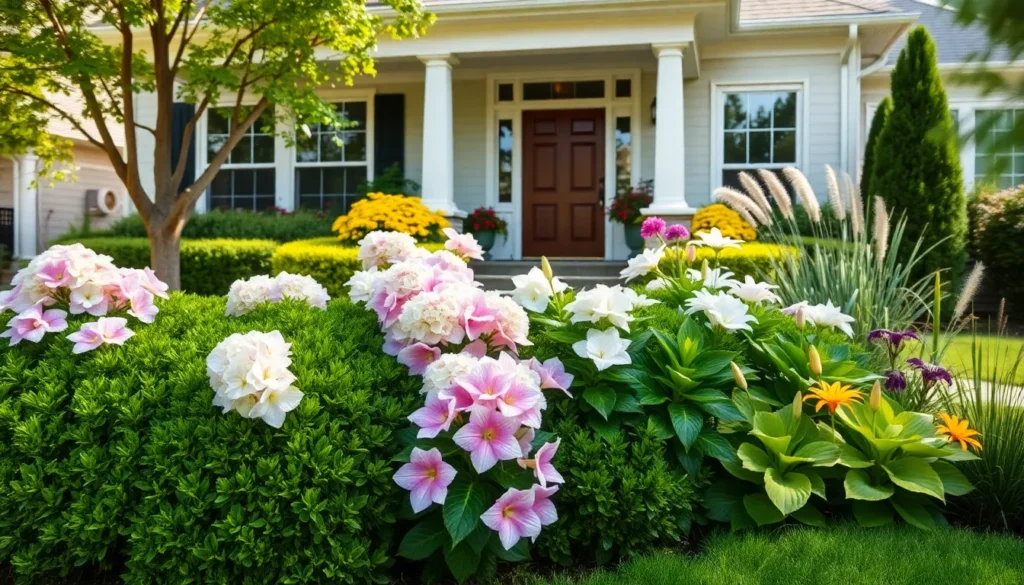

When it comes to enhancing the front of a house, foundation plants are the unsung heroes. They don’t just look pretty: they serve a vital purpose. Picture this: a home with a manicured lawn, a freshly painted exterior, and, oh wait, is that a sad patch of dirt you’re looking at? Fear not. With the right foundation plants, even the most lackluster front can transform into a picturesque paradise. So, let’s dig into why foundation plants are essential, how to choose them wisely, and a few tips to keep them thriving, because a house without charm is like a cake without frosting.
Importance of Foundation Plants
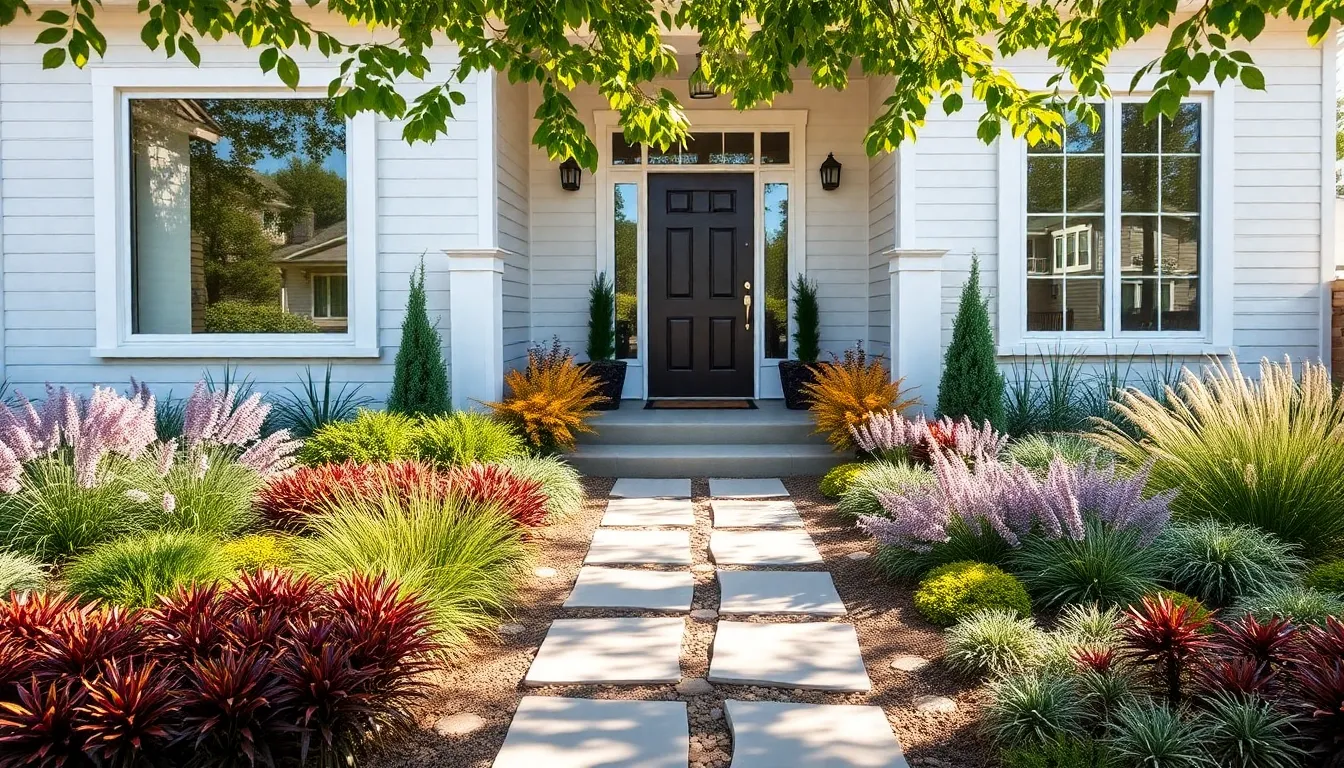
Foundation plants are crucial for multiple reasons. They enhance the aesthetics of a home, providing color, texture, and depth that many houses lack. Also, these plants help define the structure of your landscape design. They can soften hard edges, create visual continuity, and eventually draw the eye toward the home.
Also, they have practical benefits as well. Strategically placed foundation plants can provide shade during hot months, protect the house from harsh winds, and even help with energy efficiency by reducing heating and cooling costs. Let’s not forget the environmental impact: they can absorb rainwater, reducing runoff and increasing water absorption into the soil. Who knew plants could be so multi-talented?
Choosing the Right Plants for Your Climate
Selecting the right foundation plants starts with understanding your local climate. A plant that’s thriving in sunny Florida might not survive the frigid winters of Minnesota. Hence, it’s essential to consider the USDA Hardiness Zone of your area.
For instance, regions with high humidity may benefit from moisture-tolerant plants like ferns and hydrangeas that love a bit of dampness, whereas arid zones might do better with succulents or drought-resistant plants like lavender. Always think about the sun’s position in your yard and how it shifts throughout the seasons. Sunny spots will require a different ensemble than shaded areas. It’s all about finding the right match.
Popular Foundation Plants
Not sure where to begin? Here are some popular foundation plants to consider:
1. Boxwood
This evergreen shrub is a classic choice for foundation planting. They can be shaped and pruned to create a clean, structured look that complements many home styles.
2. Hydrangeas
Offering stunning blooms in various colors, hydrangeas provide seasonal interest and attract pollinators, adding life to your garden.
3. Daylilies
These hardy perennials are perfect for adding vibrant colors and require minimal maintenance. Plus, they’re drought-tolerant.
4. Hostas
If you have shaded areas, hostas are a superb choice. Their broad leaves add lushness to your landscape and come in various shades of green.
5. Ornamental Grasses
Great for movement and texture, ornamental grasses can frame your house beautifully. They sway in the wind, giving life to the landscape.
Choosing a mix ensures variety in textures and colors, making your home a focal point in the neighborhood.
Design Considerations for Foundation Planting
When planning your foundation garden, consider the scale of your home. Large houses often benefit from taller, bushier plants, while smaller homes can be complemented with low-growing varieties.
Think about layering too. Placing taller plants in the back and shorter ones in the front creates depth and intrigue. You don’t want to block windows or views. Also, think about seasonal changes. Plants that bloom in various seasons give your landscape year-round appeal. Using evergreens along with seasonal flowers can keep things lively. Why not also think about symmetry or asymmetry? Mirror-imaging can create a formal look, while a more staggered, natural design can feel cozy and welcoming.
Maintenance Tips for Healthy Foundation Plants
Establishing a care routine is crucial for the happiness of your foundation plants. Here are some tips to keep them thriving:
- Water Regularly: Newly planted foundation plants need consistent moisture, especially during dry spells. But, once established, many require less frequent watering.
- Mulch: A layer of mulch not only retains moisture but also suppresses weeds. Plus, it gives a polished look.
- Pruning: Regularly prune your plants to encourage growth and maintain shape. Don’t be afraid to cut back, sometimes, plants just need a little TLC to shine.
- Fertilize: Feed your plants during the growing season to encourage vigorous growth. Organic options like compost can work wonders.
Remember, a little effort goes a long way.
Common Mistakes to Avoid
Even the most seasoned gardeners can fall victim to a few classic missteps:
- Overcrowding: Forgetting how big plants get can lead to a crowded front. Give them room to breathe.
- Ignoring Sunlight: Placing sun-loving plants in the shade will lead to disappointment. Always check your plants’ light preferences.
- Choosing Invasive Species: Some plants look enticing but can outgrow their welcome. Do your research.
- Neglecting Soil Quality: Soil is the lifeblood of any plant. Poor soil can lead to weak, sickly plants. Consider a soil test and amend accordingly.
By steering clear of these common traps, your foundation plants are more likely to thrive.