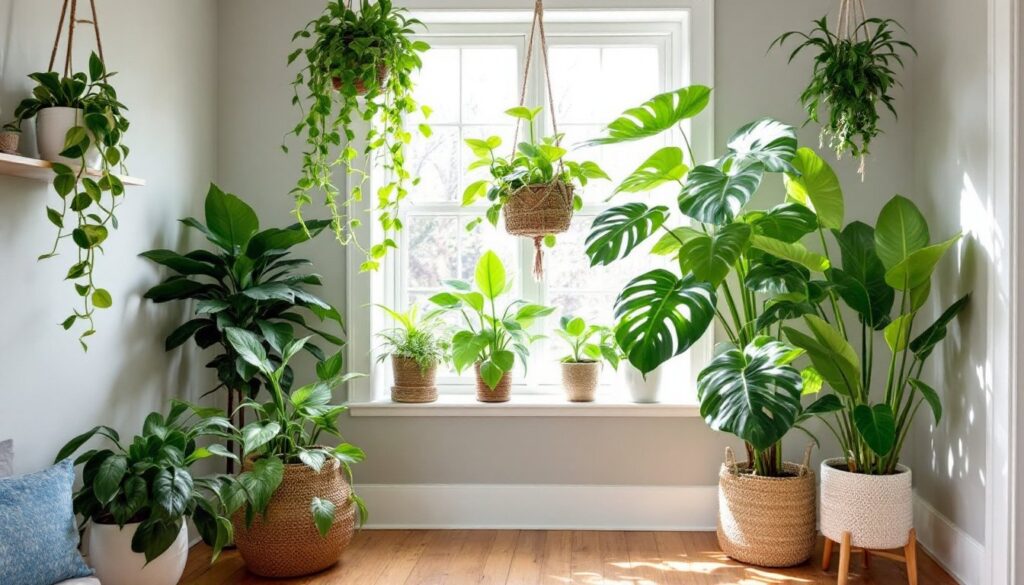

Indoor plants do more than just sit pretty on a shelf. They clean the air, boost mood, and bring life to corners that otherwise collect dust. Whether someone’s working with a sun-drenched bay window or a basement office that barely sees daylight, there’s a plant that’ll thrive there. The trick is matching the right species to the space, the schedule, and the skill level. This guide breaks down the best indoor house plants for 2026, from bullet-proof beginner options to show-stopping statement pieces.
Table of Contents
ToggleKey Takeaways
- The best indoor house plants remove airborne toxins like formaldehyde and benzene while improving air quality and boosting mood and focus.
- Low-maintenance species like Pothos, Snake Plant, and ZZ Plant thrive in various light conditions and tolerate irregular watering, making them ideal for busy homeowners.
- Match your plant selection to your space by assessing light conditions, ceiling height, humidity levels, and pet safety before purchasing.
- Air-purifying varieties such as Spider Plant and Peace Lily actively filter toxins while adding visual interest to any room.
- Statement plants like Fiddle Leaf Fig and Monstera Deliciosa create dramatic focal points in living spaces but require consistent care and adequate vertical space.
- Beginners should start with forgiving species like Cast Iron Plant and Heartleaf Philodendron that tolerate watering mistakes and irregular light before advancing to more finicky tropical varieties.
Why Indoor Plants Are Essential for Every Home
Indoor plants aren’t just decorative, they’re functional. NASA’s Clean Air Study (yes, the space agency) identified several common houseplants that remove toxins like formaldehyde, benzene, and trichloroethylene from indoor air. While you’d need a small jungle to replace an air purifier, even a few strategically placed plants improve air quality.
Beyond air purification, plants increase humidity through transpiration, which helps during dry winters when forced-air heating systems suck moisture from the air. Studies show that indoor greenery reduces stress, sharpens focus, and can even speed recovery times in hospital patients. For DIYers tackling projects indoors, a healthier environment means better concentration and fewer respiratory irritants.
From a design standpoint, plants add texture, color, and vertical interest. They soften hard surfaces like tile and concrete, fill awkward corners, and create natural dividers in open-concept spaces. Unlike furniture, they grow and change, making rooms feel alive.
Top Low-Maintenance Indoor Plants for Busy Homeowners
Not everyone has time to fuss over finicky plants. These species tolerate neglect, irregular watering, and less-than-ideal conditions.
Pothos (Epipremnum aureum) is nearly indestructible. It thrives in low to bright indirect light and only needs water when the top inch of soil dries out. Its trailing vines work well on shelves or hanging planters. Pothos also propagates easily in water, snip a stem below a node, drop it in a jar, and roots appear in a week or two.
Snake Plant (Sansevieria trifasciata) survives in almost any light condition and can go weeks between waterings. Its upright, sword-like leaves add architectural interest. Snake plants tolerate dry air and temperature fluctuations, making them ideal for drafty entryways or rooms with inconsistent heating.
ZZ Plant (Zamioculcas zamiifolia) stores water in its thick rhizomes, so it handles sporadic watering. It grows slowly but steadily in low to medium light. The glossy, dark green leaves resist pests and dust buildup. For homeowners juggling renovation projects, these plants won’t die if forgotten for a couple of weeks.
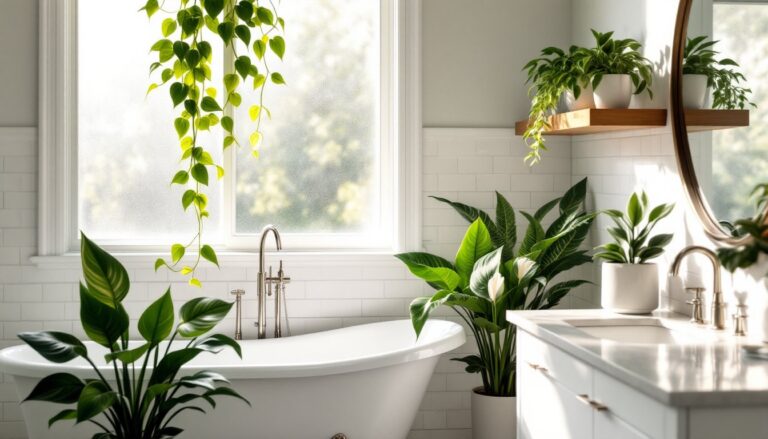
Many easy house plants for low light conditions require minimal intervention, making them perfect for spaces like hallways or bathrooms.
Best Air-Purifying House Plants for Healthier Living Spaces
If air quality is a priority, especially in homes with poor ventilation, new paint, or off-gassing materials, these plants offer measurable benefits.
Spider Plant (Chlorophytum comosum) removes carbon monoxide and xylene. It’s safe for homes with pets (non-toxic to cats and dogs) and produces offshoots called “pups” that can be potted separately. Spider plants prefer bright, indirect light but tolerate lower conditions.
Peace Lily (Spathiphyllum) filters formaldehyde, benzene, and ammonia. It blooms with white, hood-shaped flowers even in low light. The plant visibly droops when thirsty, which makes watering schedules foolproof, just wait for the leaves to sag slightly, then water thoroughly. Note: Peace lilies are toxic to pets if ingested, so keep them out of reach.
Rubber Plant (Ficus elastica) excels at removing airborne toxins and tolerates a range of light conditions. Its large, glossy leaves are efficient at oxygen production. Rubber plants can grow quite tall (6–10 feet indoors), so plan for vertical space or prune regularly to control height.
For those dealing with particularly dim areas, house plants that don’t need much light still deliver air-purifying benefits without requiring a sunny window.
Gorgeous Statement Plants to Elevate Your Interior Design
Some plants command attention. These species work as focal points in living rooms, entryways, or open-concept spaces.
Fiddle Leaf Fig (Ficus lyrata) has oversized, violin-shaped leaves that create instant drama. It needs bright, indirect light and consistent watering (let the top 1–2 inches of soil dry between waterings). Fiddle leaf figs are sensitive to drafts and sudden temperature changes, so avoid placing them near exterior doors or heating vents. They can reach 6–10 feet indoors with proper care.
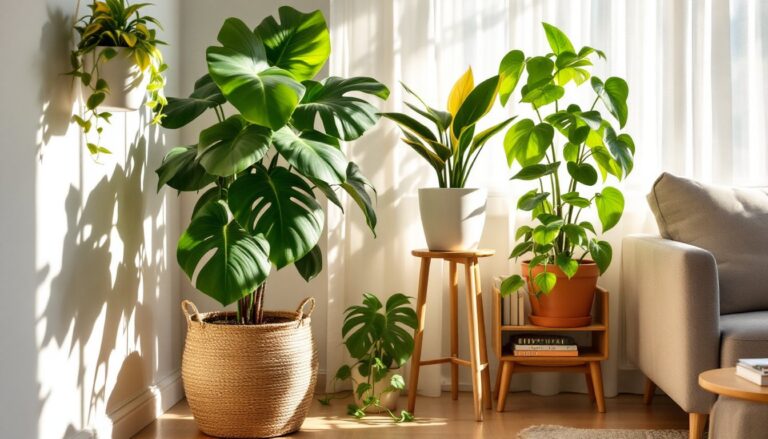
Monstera Deliciosa (Swiss Cheese Plant) features large, split leaves that add tropical flair. It climbs naturally, so provide a moss pole or trellis for support. Monstera tolerates medium to bright indirect light and prefers slightly moist soil. The aerial roots can be tucked back into the pot or trained upward.
Bird of Paradise (Strelitzia reginae) offers paddle-shaped leaves on tall stalks, resembling banana plants. It needs bright light to thrive and can grow 5–6 feet tall indoors. While it rarely flowers indoors, the foliage alone makes a strong design statement. This plant requires more space than average, so measure room dimensions before committing.
For vertical drama, tall house plants for low light can fill corners and awkward spaces without needing a south-facing window.
Easy-Care Plants Perfect for Beginners
First-time plant owners need species that forgive mistakes. These plants tolerate over- and under-watering, irregular light, and general trial-and-error.
Cast Iron Plant (Aspidistra elatior) lives up to its name. It survives in low light, tolerates neglect, and handles temperature swings. Growth is slow, but the dark green, strap-like leaves are nearly pest-proof. Water when the soil feels dry several inches down, this plant prefers underwatering to overwatering.
According to Gardenista’s guide to easy houseplants, beginner-friendly species often share traits like drought tolerance and adaptability to various light conditions.
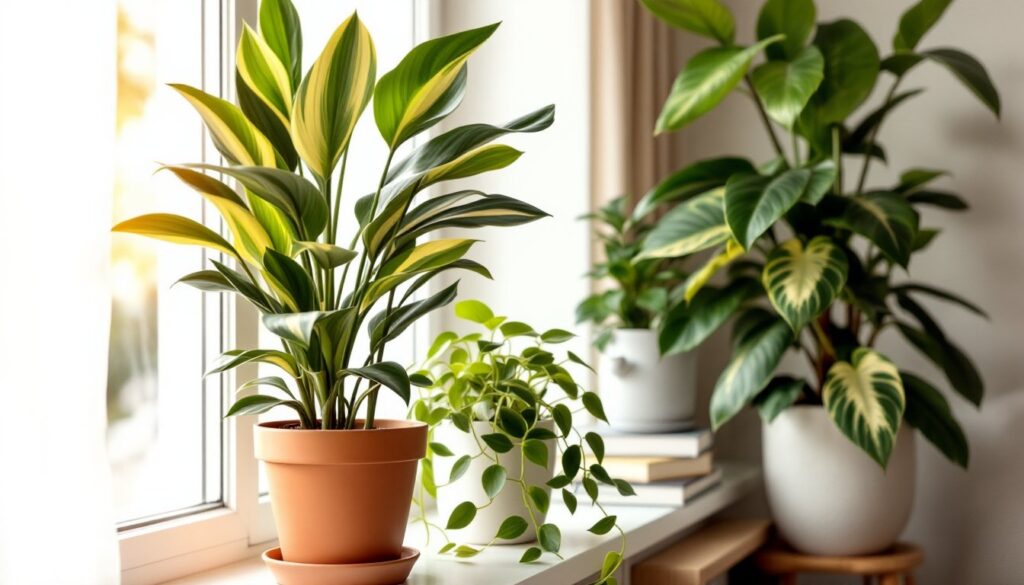
Heartleaf Philodendron (Philodendron hederaceum) grows quickly in almost any light and only needs water when the top inch of soil dries. Its trailing vines look great cascading from shelves or macramé hangers. Philodendrons are closely related to pothos and share similar care requirements.
Chinese Evergreen (Aglaonema) comes in dozens of varieties with variegated foliage in shades of green, pink, red, and silver. It tolerates low light and irregular watering. Chinese evergreens grow slowly and rarely need repotting, making them ideal for hands-off care.
Many resources, including The Spruce, recommend starting with these forgiving species to build confidence before moving on to finicky tropicals.
How to Choose the Right Indoor Plant for Your Space
Matching plant to environment prevents frustration and dead foliage. Start by assessing light conditions. North-facing windows provide low, indirect light: east-facing windows offer gentle morning sun: south- and west-facing windows deliver bright, direct light that can scorch sensitive leaves. Use a light meter app (many are free) to measure foot-candles if unsure.
Consider ceiling height and floor space. Large plants like fiddle leaf figs or bird of paradise need vertical clearance and won’t work in rooms with standard 8-foot ceilings plus furniture. Measure the mature size of any plant before purchasing, many species sold as tabletop plants eventually outgrow their spots.
Humidity matters, especially in dry climates or homes with forced-air heating. Ferns, orchids, and calatheas need 50–60% humidity, which often requires a humidifier. Succulents, cacti, and snake plants tolerate dry air (30–40% humidity) without issue.
Pet safety is non-negotiable for animal owners. Many common houseplants, including pothos, philodendron, peace lily, and rubber plant, are toxic if chewed or ingested. The ASPCA maintains a searchable database of toxic and non-toxic plants. Spider plants, Boston ferns, and parlor palms are safe alternatives.
For unconventional setups, hydroponic house plants eliminate soil entirely, reducing mess and pests while allowing precise nutrient control.
Watering frequency depends on pot size, material, and drainage. Terracotta pots dry faster than plastic or ceramic. Always use pots with drainage holes to prevent root rot. A moisture meter ($10–15 at garden centers) takes the guesswork out of watering schedules. For those working with challenging light conditions, options like low light house plants expand possibilities in basements, bathrooms, and interior rooms without windows.
Conclusion
Indoor plants aren’t a one-size-fits-all solution, but there’s a species for every space, schedule, and skill level. Start with one or two low-maintenance options, observe how they respond to the home’s conditions, then expand from there. The right plant in the right spot requires minimal effort and delivers years of growth, cleaner air, and a more livable space.