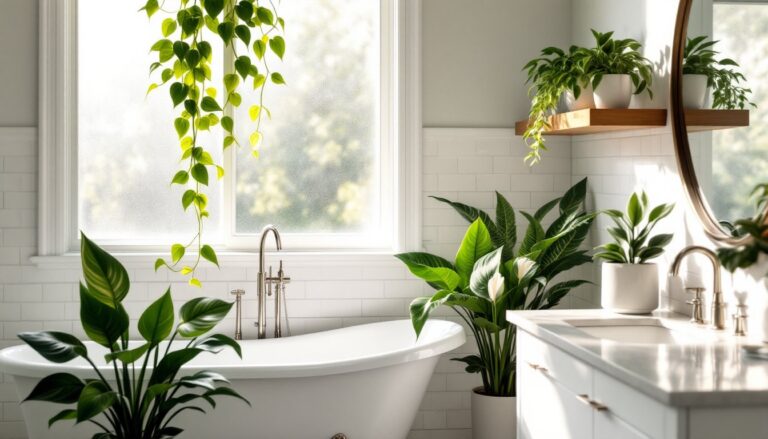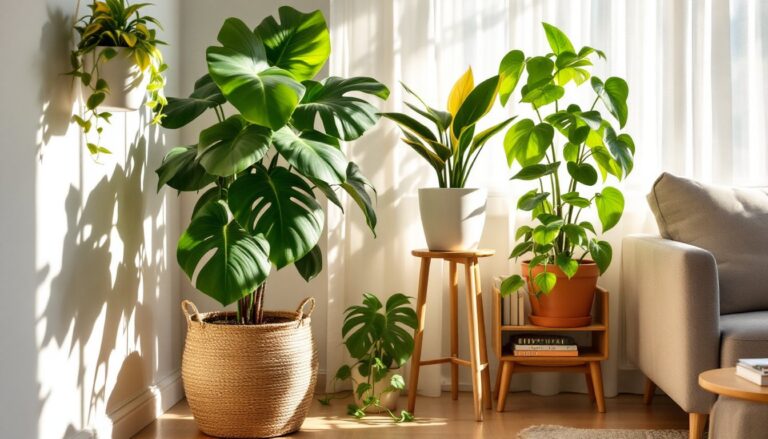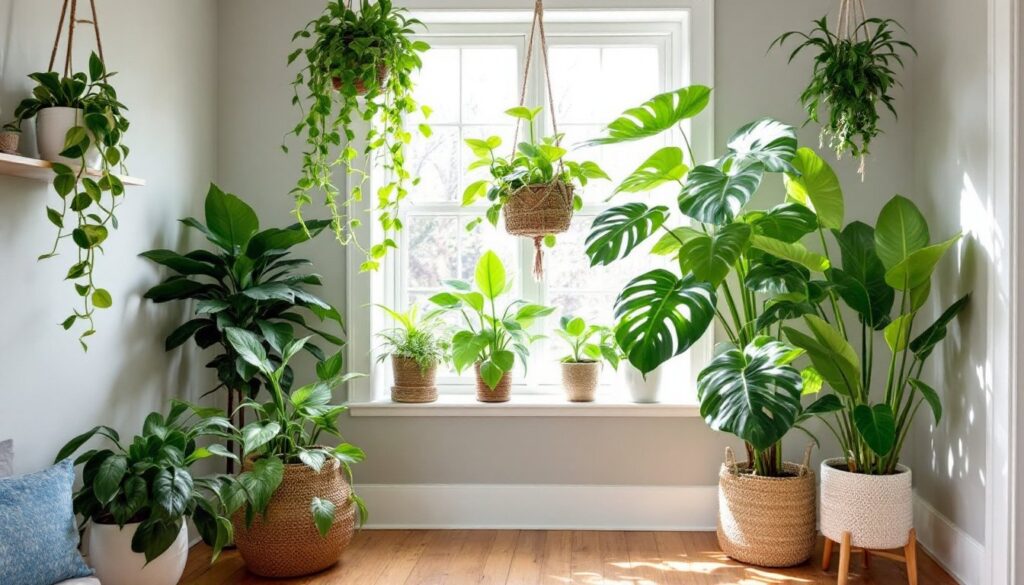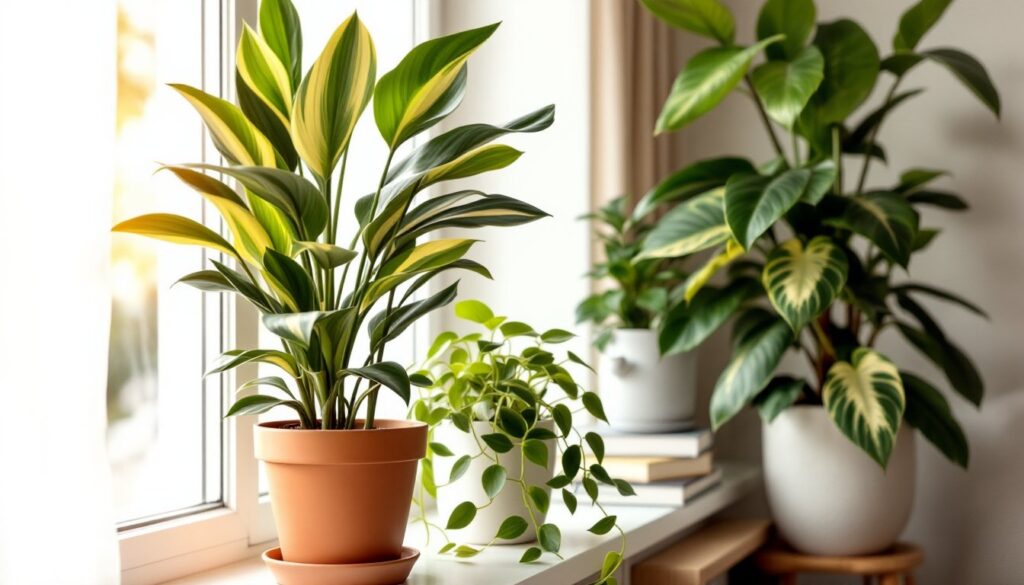

Starting an indoor plant collection doesn’t require a green thumb or hours of daily maintenance. The right plants can thrive with minimal care, surviving occasional neglect while still improving air quality and aesthetics. Whether the space is a sun-drenched living room or a dim office corner, selecting forgiving species makes the difference between wilting frustration and thriving greenery. This guide breaks down the most reliable beginner plants and the straightforward care practices that keep them alive year after year.
Table of Contents
ToggleKey Takeaways
- Easy to grow indoor plants like snake plants, pothos, and ZZ plants thrive with minimal care and tolerate inconsistent watering, variable light conditions, and common household environments.
- Overwatering is the leading cause of failure with indoor plants; water only when the top inch of soil feels dry and ensure pots always have drainage holes to prevent root rot.
- Snake plants and ZZ plants excel in low-light spaces, while pothos adapts to nearly any indoor setting and can be propagated quickly from stem cuttings placed in water.
- Most beginner houseplants need only basic care: bright indirect light, well-draining potting mix, monthly diluted fertilizer during growing season, and repotting every 1-3 years when roots become root-bound.
- Avoid common mistakes like using pots without drainage, skipping pest inspections on new plants, and planting in oversized containers that trap excess moisture around the roots.
Why Choose Low-Maintenance Indoor Plants?
Low-maintenance plants offer practical advantages beyond their decorative appeal. They tolerate inconsistent watering schedules, survive in a range of light conditions, and resist most common pests without chemical intervention.
For busy households or first-time plant owners, these species reduce the learning curve. Instead of monitoring soil moisture daily or adjusting grow lights, growers can focus on basic routines, watering every week or two, occasional dusting of leaves, and annual repotting. That simplicity translates to fewer dead plants and lower replacement costs.
Resilient varieties also adapt to typical indoor environments: dry air from HVAC systems, temperature swings, and inconsistent natural light. While delicate tropicals demand humidity trays and precise care, hardy plants like those listed here handle real-world conditions. They’re a practical starting point before investing in more demanding orchids or carnivorous species.
From a practical standpoint, low-maintenance plants also require less investment in specialized equipment. No need for humidifiers, full-spectrum LED arrays, or expensive fertilizer regimens. Standard potting mix, occasional liquid fertilizer, and a watering can are enough.
Best Easy-Care Indoor Plants for Beginners
Snake Plant: The Nearly Indestructible Houseplant
Snake plant (Sansevieria trifasciata) earns its reputation as the ultimate beginner plant. Its thick, upright leaves store water like a succulent, meaning it tolerates weeks of neglect without wilting. Place it in indirect light or even low-light corners, it adapts to nearly any exposure except prolonged direct sun, which can scorch the leaves.
Watering once every 2-3 weeks is sufficient during active growth (spring and summer). In winter, stretch that to once a month. Overwatering causes root rot faster than underwatering causes damage, so err on the dry side. Use a well-draining potting mix (standard houseplant mix works fine) and a pot with drainage holes.
Snake plants grow slowly, so repotting every 2-3 years is typical. They propagate easily via leaf cuttings or division, slice a mature leaf into 3-inch segments, let the cut ends callus overnight, then plant in moist soil. New shoots appear within weeks.
They also filter airborne toxins like formaldehyde and benzene, based on research referenced by guides on low-light indoor plants. Varieties include the classic green-and-yellow striped cultivar, cylindrical S. cylindrica, and the compact ‘Hahnii’ (bird’s nest snake plant).
Pothos: The Versatile Trailing Plant
Pothos (Epipremnum aureum) thrives in nearly any indoor setting. Its vining stems cascade from shelves or climb moss poles, making it adaptable to vertical or hanging displays. The waxy, heart-shaped leaves come in variegated patterns, golden, marble, or neon, depending on the cultivar.
Pothos tolerates low to bright indirect light. More light intensifies variegation: less light produces darker green leaves. Water when the top inch of soil feels dry, typically once a week in warm months and less in winter. Yellowing leaves signal overwatering: drooping leaves mean it’s thirsty.
Propagate by snipping 4-6 inch stem cuttings below a node (the bump where leaves attach). Place cuttings in water until roots develop (7-14 days), then transplant to soil. Pothos grows fast, plan to trim wayward vines a few times a year to maintain shape.
This plant tolerates neglect but responds to basic care. Use a balanced liquid fertilizer diluted to half strength once a month during spring and summer. Wipe dust from leaves with a damp cloth to maximize photosynthesis. Pothos is toxic to pets if ingested, so place it out of reach of curious cats and dogs.
Many easy house plants for dim spaces share pothos’ adaptability, making it a solid baseline for building a collection.
ZZ Plant: Perfect for Low-Light Spaces
ZZ plant (Zamioculcas zamiifolia) is the go-to choice for offices, bathrooms, or any space with minimal natural light. Its glossy, dark green leaflets grow on thick stems that store water, allowing the plant to survive weeks without attention.
Place ZZ plants in low to moderate indirect light. They grow faster with more light but tolerate fluorescent bulbs and shadowy corners better than most species. Direct sun causes leaf burn, so avoid south-facing windows without sheer curtains.
Water every 2-3 weeks, letting the soil dry completely between waterings. The fleshy rhizomes beneath the soil store moisture, so root rot from overwatering is the main failure point. Use a pot with drainage and a chunky potting mix (standard mix amended with perlite or orchid bark works well).
ZZ plants grow slowly and rarely need repotting, every 2-3 years is typical. They propagate via division or leaf cuttings, though leaf propagation takes months. To divide, unpot the plant, separate rhizomes with a clean blade, and replant each section.
All parts of the ZZ plant contain calcium oxalate crystals, which cause irritation if chewed or handled with open cuts. Wear gloves when pruning or repotting, and keep it away from pets and young children.
For those dealing with particularly dark rooms, options like house plants that thrive in minimal light expand the range of possibilities.
Essential Care Tips for Indoor Plant Success
Watering: Most beginner plant deaths result from overwatering, not neglect. Check soil moisture by inserting a finger 1-2 inches deep. If it’s dry, water thoroughly until excess drains from the pot’s bottom. Empty saucers after 15 minutes to prevent roots from sitting in standing water. In winter, plants enter dormancy and require less frequent watering, cut back by 30-50%.
Light: Bright indirect light means the plant sits near a window with sheer curtains or receives filtered light through tree cover. Low light refers to spots several feet from windows or areas with only artificial light. Most beginner plants tolerate low light but grow faster with more. Rotate pots 90 degrees every few weeks to promote even growth.
Soil and Drainage: Use well-draining potting mix formulated for houseplants. Garden soil compacts in containers, suffocating roots. For succulents and snake plants, amend standard mix with perlite or coarse sand (1 part amendment to 2 parts mix). Always use pots with drainage holes, decorative cachepots are fine, but the inner grow pot must drain.
Fertilizer: Feed plants during active growth (spring and summer) with a balanced liquid fertilizer (10-10-10 or 20-20-20 NPK ratio). Dilute to half the package-recommended strength and apply once a month. Skip fertilizer in fall and winter when growth slows. Overfertilizing causes salt buildup, leading to brown leaf tips.
Humidity and Temperature: Most houseplants tolerate typical indoor humidity (40-60%) and temperatures between 65-75°F. Avoid placing plants near heating vents, AC units, or drafty windows. If leaf edges brown even though proper watering, low humidity may be the culprit, group plants together or add a pebble tray (a shallow dish of water with pebbles supporting the pot above water level).
Repotting: Repot when roots circle the pot’s interior or emerge from drainage holes, typically every 1-3 years depending on species. Choose a pot 1-2 inches larger in diameter. Repot in spring before active growth resumes. Loosen root-bound clumps gently, trim any dead or mushy roots with clean shears, and settle the plant in fresh mix at the same depth it was previously planted.
For additional guidance on varieties that tolerate dim interiors, consider expanding the collection once these basics become routine.
Common Mistakes to Avoid When Growing Indoor Plants
Overwatering: More plants die from soggy soil than drought. Root rot sets in when roots sit in waterlogged conditions, cutting off oxygen. Symptoms include yellowing leaves, musty soil odor, and soft, brown roots. If root rot is suspected, unpot the plant, trim dead roots with sterilized shears, and repot in fresh, dry mix. Water sparingly until new growth appears.
Ignoring Drainage: Pots without drainage holes trap excess water, even with careful watering. Drill drainage holes in ceramic or plastic pots using a masonry or multipurpose bit, or double-pot by placing a nursery pot inside a decorative container and removing it to water.
Wrong Light Levels: Placing a low-light plant in a south-facing window causes scorched, faded leaves. Conversely, putting a high-light plant in a dim corner leads to leggy, weak growth. Match plant requirements to available light, or supplement with a full-spectrum LED grow bulb (10-15 watts for small spaces).
Skipping Acclimation: Plants shipped or moved from a nursery to home experience environmental shock. Gradual acclimation, introducing them to new light and temperature conditions over 1-2 weeks, reduces stress. Start in lower light and gradually shift toward the intended spot.
Neglecting Pest Checks: Inspect new plants for spider mites, mealybugs, and fungus gnats before introducing them to a collection. Quarantine new arrivals for 2 weeks. If pests appear, isolate the affected plant and treat with insecticidal soap or neem oil, following product label instructions. Wear gloves and apply treatments outdoors or in a well-ventilated area.
Over-Repotting: Planting in an oversized pot causes soil to stay wet too long, increasing rot risk. Size up incrementally, one or two pot sizes max. Most houseplants prefer slightly snug roots over excess space.
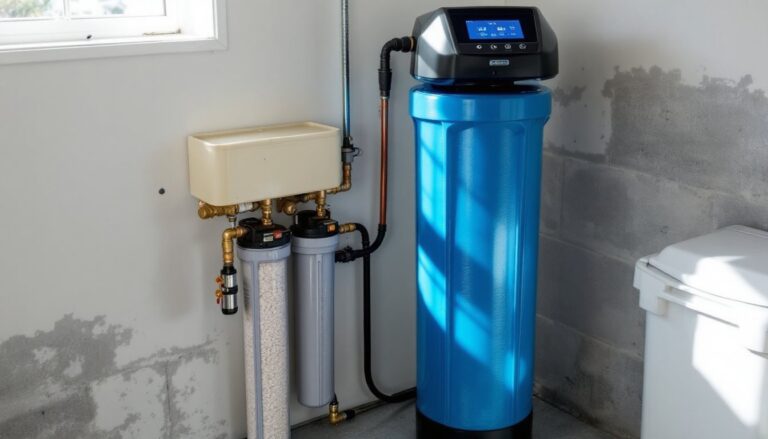
Using Cold or Softened Water: Tap water straight from the faucet can shock roots if it’s very cold. Let water sit at room temperature for an hour before watering. Softened water contains salts that harm plants over time: use unsoftened tap water, filtered water, or collected rainwater when possible.
Forgetting to Dust Leaves: Dust blocks light and clogs stomata (leaf pores), reducing photosynthesis. Wipe leaves monthly with a damp microfiber cloth. For small-leafed plants, rinse in the shower with lukewarm water.
Resources like The Spruce and Sunset offer region-specific advice on managing indoor environments, from desert climates to humid coastal areas. Even the most low-light tolerant species benefit from avoiding these common pitfalls, ensuring long-term success with minimal frustration.