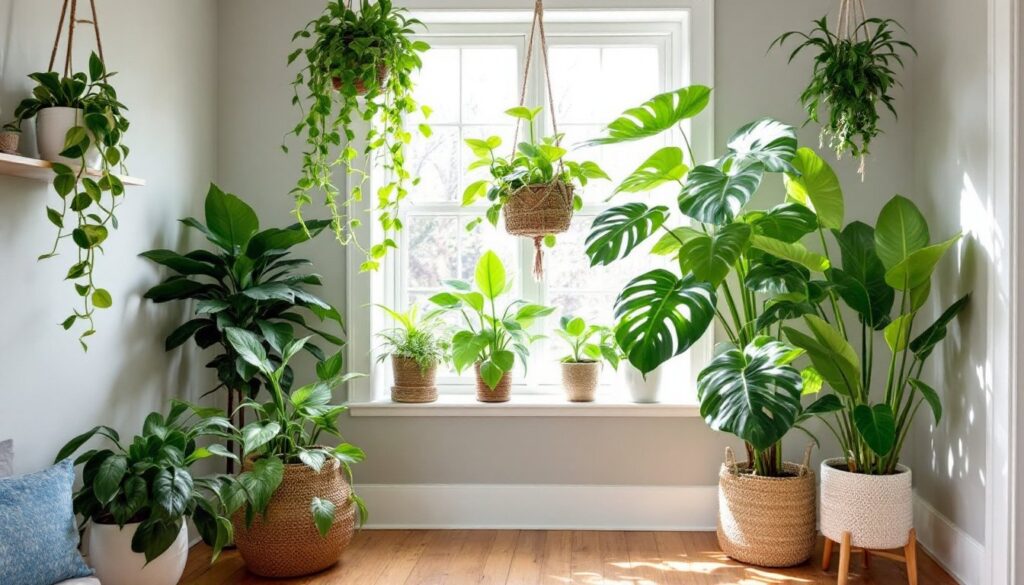
Bathrooms often get overlooked when it comes to houseplants, but they’re actually one of the best rooms in the house for growing greenery. The combination of higher humidity, consistent temperatures, and often lower light levels creates conditions that many tropical and shade-loving plants crave. Whether you’re dealing with a windowless powder room or a bright master bath with natural light streaming in, there’s a plant that’ll thrive in your specific conditions. This guide covers the best bathroom plants based on your space’s unique characteristics, from low-light warriors to humidity-loving stunners, and how to position them for success.
Table of Contents
ToggleKey Takeaways
- Bathrooms provide ideal conditions for houseplants with consistent humidity (60-90%), stable temperatures, and low light that mimics tropical rainforest understory habitats.
- Low-light bathroom plants like Pothos, ZZ Plant, Snake Plant, and Cast Iron Plant thrive with minimal care and tolerance for neglect or irregular watering.
- Humidity-loving plants such as ferns, orchids, peace lilies, and air plants flourish in steamy bathroom environments and can help filter mold spores from the air.
- Bathrooms with natural window light open options for sun-loving plants like Aloe Vera, Spider Plants, Begonias, and String of Pearls that require brighter conditions.
- Optimal bathroom plant placement includes windowsills for bright-light varieties, hanging planters above tubs, counter corners for stability, and vertical shelving to maximize space in small bathrooms.
- Easy-care options like Lucky Bamboo, Rubber Plant, Philodendron, and Chinese Evergreen require minimal intervention, making them ideal for busy homeowners seeking low-maintenance bathroom greenery.
Why Bathrooms Are Perfect for Certain Houseplants
Most bathrooms naturally recreate the understory conditions of tropical rainforests, the native habitat for a huge percentage of popular houseplants. When someone takes a hot shower, the humidity spikes to 60-90%, which mimics the moisture levels these plants evolved to handle.
The typical bathroom also maintains more stable temperatures than other rooms. There’s less fluctuation between day and night, fewer drafts from windows being opened, and less direct heating or cooling from HVAC vents. This consistency reduces stress on plants that don’t tolerate rapid environmental changes.
Lower light levels, which might seem like a drawback, actually benefit species that naturally grow under forest canopies. These low-light house plants have adapted to filter dim, indirect light rather than intense sun exposure. A bathroom without windows or with frosted glass isn’t a limitation, it’s an opportunity to grow plants that would scorch on a south-facing windowsill.
Top Low-Light Plants That Thrive in Bathrooms
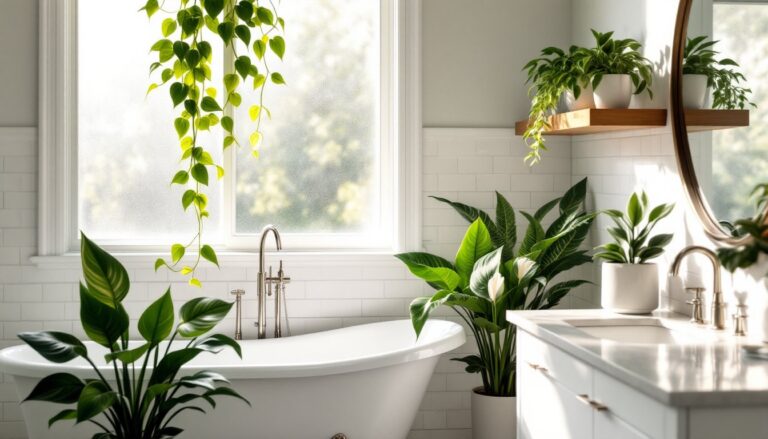
Pothos (Epipremnum aureum) tops the list for nearly indestructible bathroom plants. It tolerates extremely low light, handles irregular watering, and actually benefits from the humidity boost after showers. The vining growth habit works well on shelves or hanging planters where the stems can cascade down.
ZZ Plant (Zamioculcas zamiifolia) stores water in its rhizomes and thick stems, making it drought-tolerant even in humid environments. It grows slowly in low light but stays compact and upright, ideal for counter corners or the back of the toilet tank. The glossy leaves also resist the mineral deposits that can accumulate from steam.
Snake Plant (Dracaena trifasciata) handles neglect better than most. It needs minimal water, tolerates low light, and has an upright architectural form that fits narrow floor spaces next to the tub or in unused corners. Some varieties like ‘Black Gold’ or ‘Moonshine’ add visual interest without requiring any additional care.
Cast Iron Plant (Aspidistra elatior) earned its name from its ability to survive poor conditions. It grows in near-darkness, tolerates temperature swings, and isn’t bothered by occasional overwatering from bathroom humidity. The broad, dark green leaves provide a tropical look without the fuss.
High-Humidity Loving Plants for Steamy Bathrooms
Ferns are the classic bathroom plant for good reason. Boston ferns, maidenhair ferns, and bird’s nest ferns all crave the moisture that showers provide. Keep the soil consistently damp (not soggy), and they’ll reward you with lush, feathery growth. Be aware that ferns need more attention than some other options, they’ll brown and crisp up quickly if humidity drops or soil dries out completely.
Orchids (Phalaenopsis) actually prefer the humidity found in bathrooms over the dry air in most living rooms. They need indirect light, so a bathroom with a window works best. Mount them on bark or keep them in well-draining orchid mix, and water weekly by running the pot under lukewarm water. The steam from showers mimics the morning mist of their tropical origins, according to guidance from home decor experts.
Peace Lily (Spathiphyllum) signals when it needs water by drooping dramatically, then perks back up within hours of watering. It tolerates low light and loves humidity, producing white spoon-shaped blooms several times per year. The leaves also help filter airborne mold spores and other contaminants, which makes them particularly useful in bathrooms prone to mildew.
Air Plants (Tillandsia) don’t need soil at all, they absorb moisture and nutrients through their leaves. In a steamy bathroom, they can often survive on ambient humidity alone, though a weekly soak still helps. Display them in glass terrariums, mounted on driftwood, or nestled in decorative holders on shelves. Dischidia Pectinoides is another humidity-loving option that thrives in bathroom conditions with minimal care.
Best Plants for Bathrooms With Natural Light
If your bathroom has a window that receives direct or bright indirect light, you can expand your plant options significantly.
Aloe Vera thrives in bright light and appreciates the higher humidity, though it still needs the soil to dry out between waterings. Keep it on a sunny windowsill, and the gel inside the leaves doubles as a first-aid treatment for minor burns or skin irritation, handy in a bathroom.
Spider Plant (Chlorophytum comosum) produces cascading offshoots called “pups” that create a waterfall effect when grown in a hanging planter near a window. It adapts to various light levels but produces more plantlets and variegated leaf color with brighter light. It’s also non-toxic to pets, which matters if cats or dogs wander into the bathroom.
Begonias offer colorful foliage and occasional blooms when grown in bright, indirect light. Rex begonias, in particular, display stunning leaf patterns in silver, pink, red, and purple. They need consistent moisture and humidity, making a bright bathroom ideal. Avoid getting water on the leaves to prevent spotting and rot.
String of Pearls (Senecio rowleyanus) is a succulent with trailing stems covered in bead-like leaves. It needs bright light to maintain its compact growth and prevent stretching. Hang it near a window where it can cascade down, and water sparingly, the bathroom humidity helps, but overwatering will cause the pearls to burst and rot.
Easy-Care Bathroom Plants for Busy Homeowners
Not everyone wants to check soil moisture levels or mist leaves daily. These plants require minimal intervention beyond occasional watering.
Lucky Bamboo (Dracaena sanderiana) grows in just water, making it nearly maintenance-free. Place it in a container with 1-3 inches of water and change the water every few weeks. It tolerates low light and adds a clean, modern look to bathroom counters. Even though the name, it’s not actually bamboo but a type of dracaena.
Rubber Plant (Ficus elastica) grows slowly in lower light, which means less pruning and repotting. Wipe the large, glossy leaves occasionally to remove dust and mineral buildup from steam. Water when the top 2 inches of soil feels dry, about every 1-2 weeks depending on conditions.
Philodendron (Heartleaf or Brasil varieties) vines easily and tolerates neglect. It grows in low to medium light, handles irregular watering, and propagates readily if you want to expand your collection. The trailing stems look great draped over shelves or growing from wall-mounted planters, similar to the way larger low-light plants can fill vertical space.
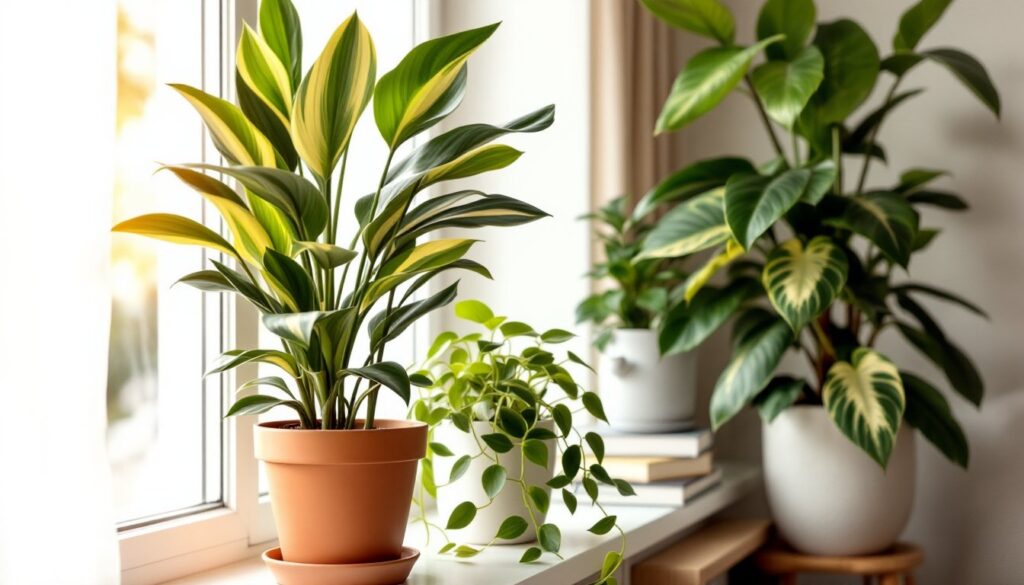
Chinese Evergreen (Aglaonema) offers colorful foliage in shades of green, pink, red, and silver with almost zero effort. It grows slowly, tolerates low light, and only needs water when the soil dries out. The compact size fits on vanity corners or small shelves without overwhelming the space.
Where to Place Plants in Your Bathroom for Maximum Impact
Windowsills are prime real estate for any plant that tolerates or requires bright light. Make sure pots have drainage holes or use cache pots, since water from showers can accumulate. Avoid blocking window ventilation, many bathrooms rely on window airflow to prevent mold.
Hanging planters work well in bathrooms with limited floor or counter space. Mount them near windows, above the tub, or in shower corners (if the plant can handle getting splashed). Use ceiling hooks rated for at least 10-15 pounds to account for the weight of wet soil and the planter itself.
Counter corners and the back of the toilet tank offer stable, elevated surfaces that keep plants out of the way. Use waterproof saucers or trays underneath pots to protect surfaces from water damage. Group smaller plants together for visual impact rather than scattering single pots around the room.
Shelving units maximize vertical space in small bathrooms. Floating shelves or tiered metal racks can hold multiple plants at different heights, creating a layered look. Make sure shelves are mounted into studs if they’ll hold heavier ceramic pots with wet soil, toggle bolts work for drywall if stud placement doesn’t line up.
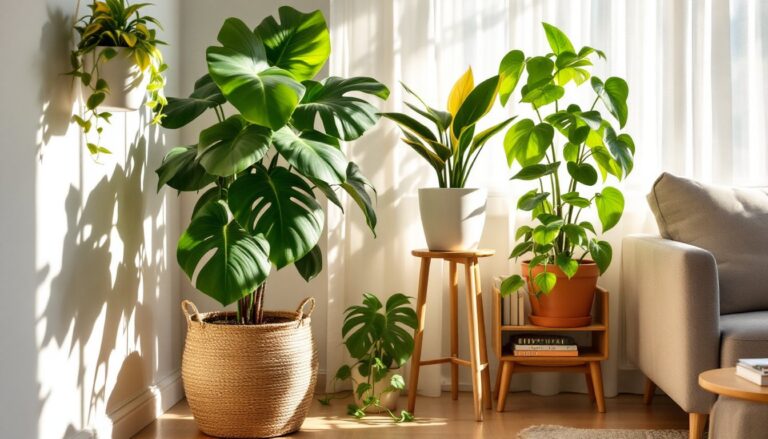
Floor placement works for larger houseplants like snake plants, ZZ plants, or rubber trees in spacious bathrooms. Position them where they won’t get knocked over or block pathways. Use pot feet or risers to keep the bottom from sitting in any water that accumulates from cleaning or shower splashing.
Keep plants away from direct shower spray unless they specifically tolerate it (like ferns or air plants). Most tropical houseplants prefer ambient humidity rather than being soaked. Also avoid placing plants directly over heat vents or on top of space heaters, as noted in seasonal project planning guides, which can dry them out even though bathroom humidity.
Conclusion
Bathrooms offer conditions that many houseplants crave, consistent humidity, stable temperatures, and often the lower light levels that mirror their native habitats. Whether dealing with a windowless half-bath or a bright master suite, there’s a plant that’ll thrive with minimal effort. Focus on matching the plant’s needs to the available light and humidity in the space, and position them where they’ll get the benefits of shower steam without being in the way of daily routines.