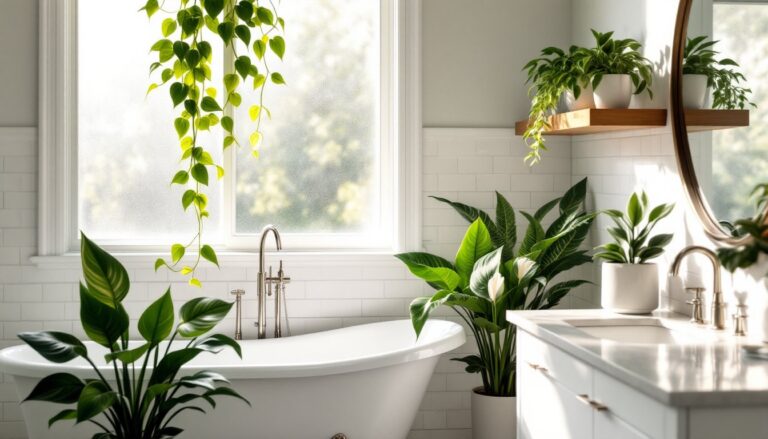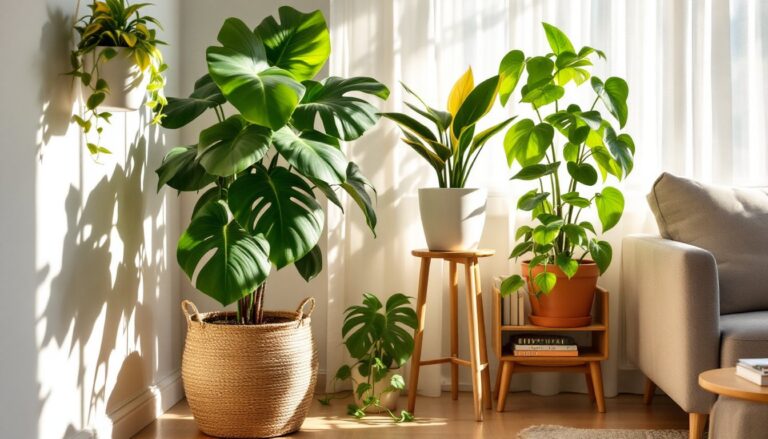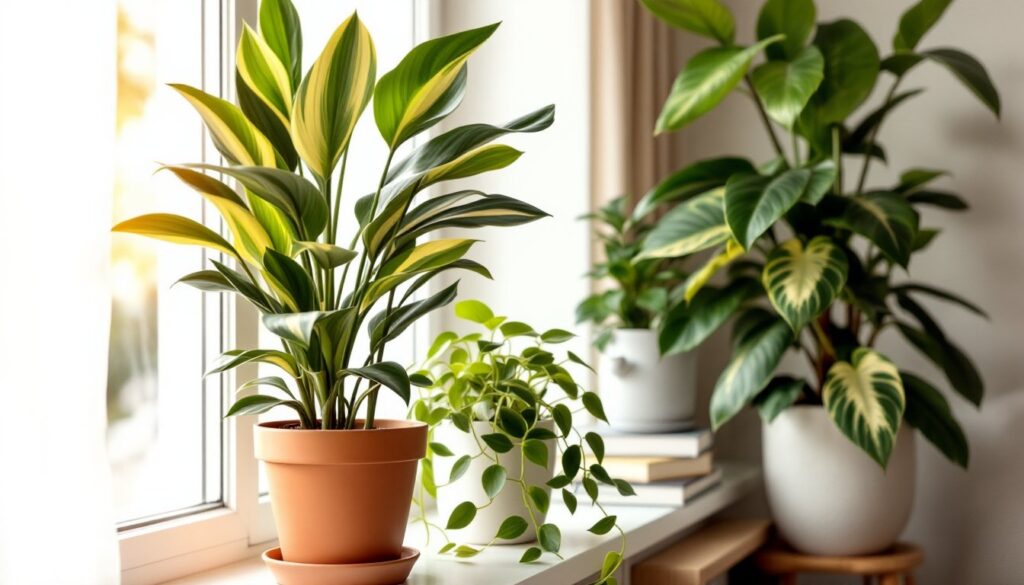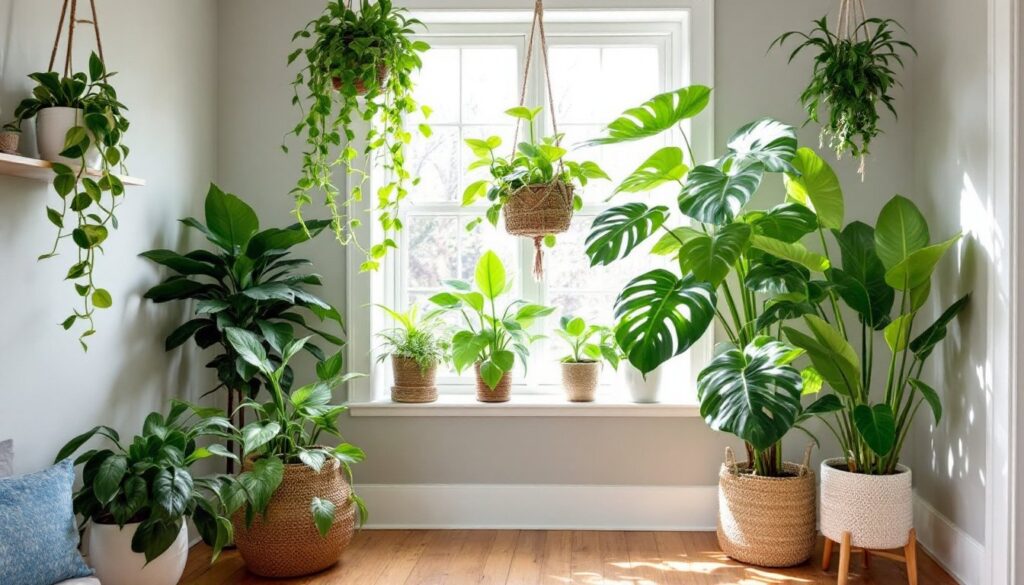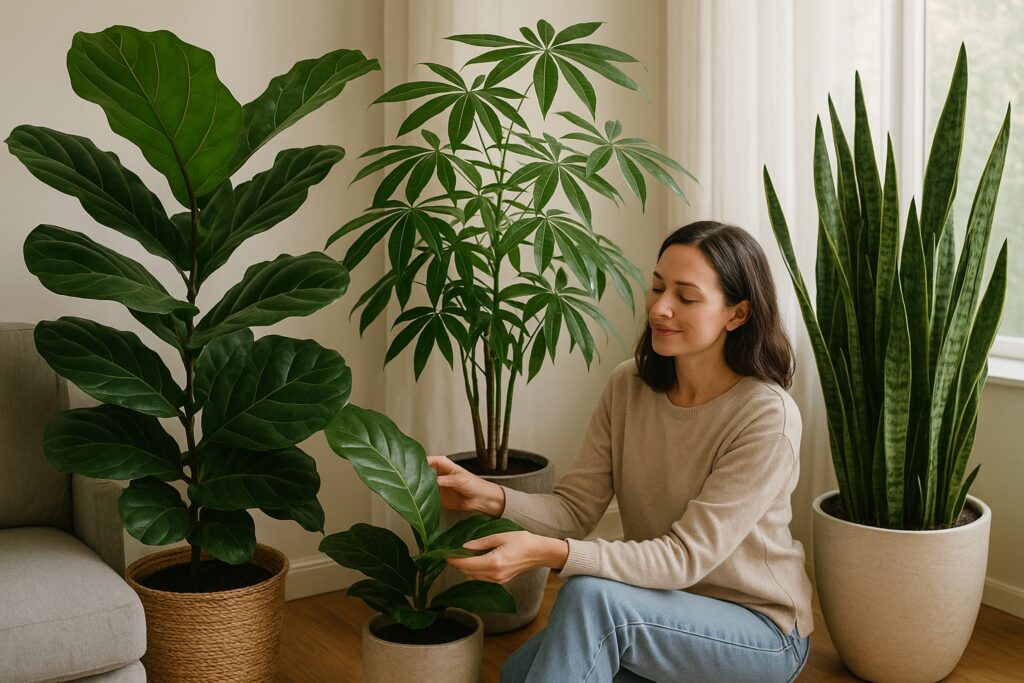

Imagine transforming your home into a lush oasis without needing a sun-drenched greenhouse. Large house plants that thrive in low light can do just that, bringing life and vibrancy to even the dimmest corners of your space. They’re like the superheroes of the plant world, ready to rescue your home from the clutches of dullness.
Table of Contents
ToggleOverview of Large House Plants
Large house plants thrive in low light conditions and significantly enhance indoor areas. These plants not only add visual appeal but also improve air quality. Popular options include the Snake Plant, which tolerates neglect and proves resilient, and the ZZ Plant, known for its glossy leaves and drought resistance.
Fiddle Leaf Figs bring a bold statement with their oversized leaves, becoming focal points in any room. Additionally, the Peace Lily blooms beautiful white flowers and thrives in shadier spaces, offering a touch of elegance. Employing these plants in varying heights and textures creates depth and invites engagement within the space.
Selection of the right pot is crucial for avoiding overwatering, as many low light plants prefer their soil to dry out between waterings. Care includes dusting leaves to maximize photosynthesis and ensuring they receive indirect sunlight.
Placement matters as well; these plants flourish closer to windows but should be kept out of direct sunlight. Benefits extend beyond aesthetics; studies show that indoor plants reduce stress and increase productivity. By integrating various large house plants, individuals can cultivate a refreshing environment that transforms their home into a vibrant oasis.
Not every large house plant requires a green thumb. Various species adapt to different conditions, making them suitable for both novice and experienced plant owners. Engaging with these plants offers both aesthetic pleasure and practical health benefits in residential settings.
Benefits of Low Light House Plants
Low light house plants offer numerous advantages that enhance indoor environments significantly. These plants not only brighten spaces but also contribute to overall well-being.
Air Purification
Air quality improves significantly with the introduction of low light house plants. Snake Plants and Peace Lilies filter toxins like formaldehyde and benzene from the air. Studies by NASA confirm their effectiveness in removing pollutants. Health benefits arise from breathing cleaner air, which reduces headaches and fatigue. Keeping these plants in living rooms or bedrooms aids in creating a healthier atmosphere. Moreover, caring for them requires minimal effort, making them ideal for busy lifestyles.
Aesthetic Appeal
Low light house plants contribute beautifully to home decor. Large plants like Fiddle Leaf Figs serve as stunning focal points in any room. Their lush, green foliage adds vibrant color without overwhelming darkness. Complementing modern interiors, these plants enhance visual interest and create a calming space. Stylish pots and arrangements elevate the overall design aesthetic. Integrating various shapes and sizes maintains a dynamic look across interior spaces.
Best Large House Plants for Low Light
Large house plants that thrive in low light can significantly enhance any space. Below are some excellent options for transforming dim corners into vibrant areas.
Snake Plant
Snake plants adapt well to low light and require minimal care. They feature tall, stiff leaves that display striking variegation. This plant not only tolerates neglect but also filters indoor air pollutants effectively. Snake plants grow up to 4 feet tall, making them a fantastic accent piece. Placing them in a well-draining pot helps prevent overwatering, ensuring a healthy environment.
ZZ Plant
ZZ plants stand out for their shiny, dark green leaves that reflect light beautifully. They thrive in low-light conditions, making them perfect for offices or rooms lacking sunlight. Their growth can reach about 3 feet high, contributing to a modern aesthetic. ZZ plants are drought-resistant, requiring watering only when the soil is completely dry. Regularly dusting their leaves enhances their appearance and promotes better air quality.
Pothos
Pothos plants are famous for their trailing vines and heart-shaped leaves. These plants grow quickly in low light, reaching lengths of up to 10 feet, which can create stunning visual effects. They adapt effortlessly to various settings, whether hung in a basket or placed on a shelf. Pothos also purify the air, absorbing harmful toxins. Given their forgiving nature, these plants tolerate infrequent watering, making them an excellent choice for those new to plant care.
Tips for Caring for Low Light House Plants
Caring for low light house plants involves several key practices that ensure healthy growth.
Watering Practices
Watering techniques should focus on the specific needs of each plant. Snake Plants prefer to dry out between waterings, while Peace Lilies enjoy slightly more moisture. It’s essential to check soil moisture levels before adding water. Overwatering can lead to root rot, a common issue affecting these plants. Allowing the top inch of soil to dry out typically supports healthier growth. Adjusting the frequency of watering during different seasons also promotes vitality. For instance, during winter, plants may require less frequent watering due to reduced light and lower temperatures.
Soil Requirements
Soil choice plays a crucial role in plant health. A well-draining potting mix benefits many low light plants, such as ZZ Plants and Fiddle Leaf Figs. Incorporating elements like perlite or orchid bark enhances drainage and aeration. Selecting a mix designed for indoor plants ensures adequate nutrient supply. Soil should retain some moisture but not remain soggy. Regularly refreshing the soil every 1-2 years helps maintain nutrient levels and prevents compacted conditions. This practice promotes root health and encourages vigorous growth.
Common Misconceptions about Low Light Plants
People often assume that low light plants don’t grow well or thrive indoors. This assumption leads to the belief that these plants are weak or unattractive, which is far from the truth. It’s important to recognize that several species, like the Snake Plant and ZZ Plant, flourish in low light while exhibiting vibrant qualities.
Some think that low light conditions limit the variety of plants available. In reality, many large house plants offer stunning foliage and can tolerate dim environments, contributing greatly to home decor. Examples include the Fiddle Leaf Fig and Peace Lily, each bringing unique aesthetics to living spaces.
Another misconception suggests low light plants require minimal care. While they do adapt to low light, these plants still benefit from proper watering and the right soil mix to thrive. For instance, overwatering can harm a Snake Plant, so letting the top inch of soil dry out remains essential.
Many believe low light plants won’t improve air quality as effectively as their high light counterparts. However, research shows that plants like the Peace Lily can still filter toxins such as formaldehyde, enhancing indoor air quality.
Lastly, some individuals feel that indoor plants won’t contribute to their well-being due to low light. Not only do these plants beautify interiors, they also reduce stress and improve focus, proving that they have significant psychological benefits regardless of their light requirements. Embracing low light plants opens up possibilities for creating a vibrant and refreshing home atmosphere.
Incorporating large house plants that thrive in low light can transform any space into a vibrant oasis. These plants not only enhance aesthetics but also contribute to improved air quality and mental well-being. With options like the Snake Plant and ZZ Plant, even those with limited sunlight can enjoy the benefits of greenery in their homes.
By selecting the right pots and following simple care tips, anyone can successfully cultivate these stunning plants. The versatility and resilience of low light house plants make them ideal for both novice and experienced plant lovers alike. Embracing these green companions can lead to a more refreshing and inviting atmosphere.