Installing a whole house air purification system isn’t a weekend project, it’s a serious HVAC upgrade that integrates directly into existing ductwork. Unlike portable units that clean one room at a time, whole house systems treat every square foot of conditioned air moving through the home. The investment ranges from a few hundred dollars for basic UV lights to several thousand for advanced multi-stage filtration systems. Understanding equipment types, installation requirements, and ongoing costs helps homeowners make informed decisions before committing to cleaner indoor air.
Table of Contents
ToggleKey Takeaways
- Whole house air purifier cost ranges from $800 to $3,500 installed, with equipment costs between $300–$2,500 depending on system type (media filters, UV lights, electronic cleaners, or PCO systems).
- Professional installation typically adds $300–$800, though ductwork modifications, electrical upgrades, and tight access can increase labor costs significantly.
- Annual maintenance and operating costs for whole house air purifiers range from $100–$400, including filter replacements, UV lamp changes, and continuous blower operation expenses.
- Home size, HVAC capacity, ductwork condition, and regional air quality concerns directly influence which whole house air purifier technology and price point best suits your needs.
- DIY installation is realistic only for UV light systems; media filters and electronic cleaners require professional HVAC expertise to avoid reducing system efficiency or voiding warranties.
Understanding Whole House Air Purification Systems
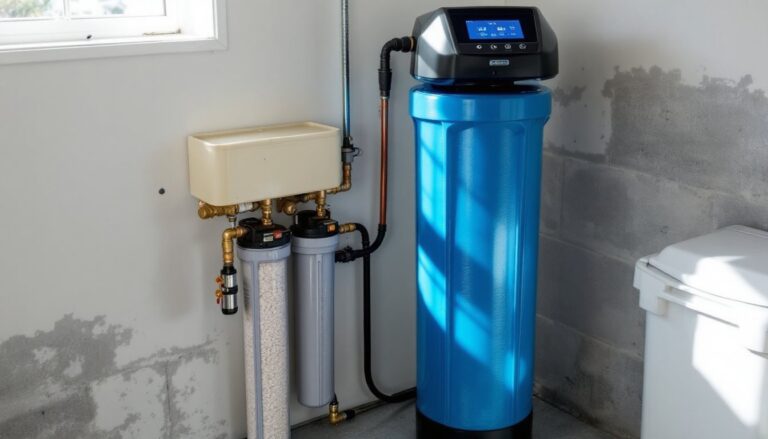
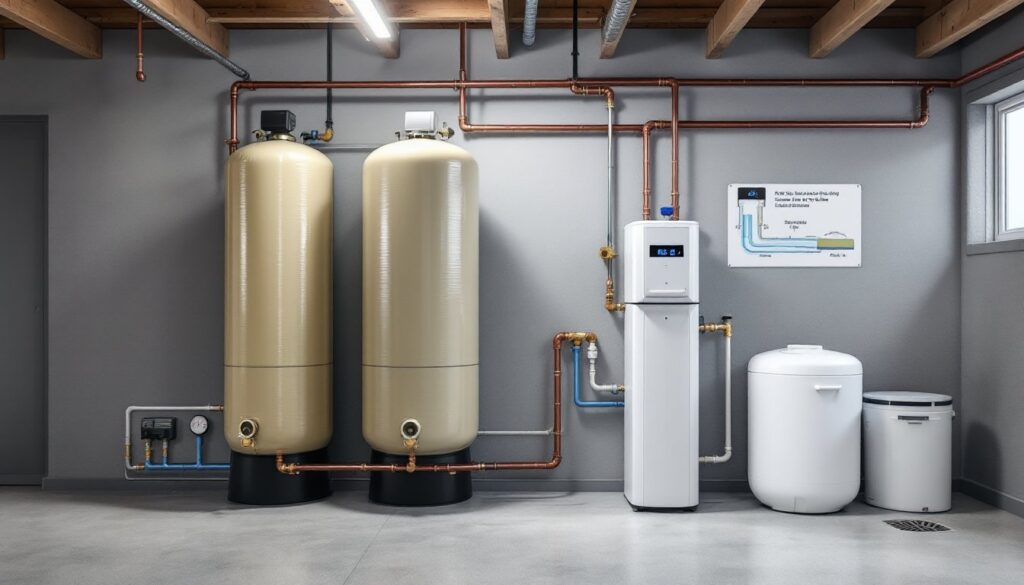
Whole house air purifiers integrate into a home’s existing HVAC system, typically installing in the main supply or return duct. They treat air continuously as the heating or cooling system cycles, filtering particles, neutralizing pathogens, or removing volatile organic compounds (VOCs) depending on the technology.
The most common systems fall into four categories:
- Media air cleaners use high-efficiency pleated filters (MERV 11-16) that trap dust, pollen, mold spores, and pet dander. These replace standard 1-inch furnace filters with 4- to 6-inch deep-pleated media housed in a dedicated cabinet.
- Electronic air cleaners (electrostatic precipitators) charge particles electrically, then collect them on oppositely charged plates. They’re washable and reusable but require regular cleaning to maintain efficiency.
- UV germicidal lights mount inside ductwork or near evaporator coils, using ultraviolet-C wavelengths to kill bacteria, viruses, and mold. They address biological contaminants but don’t remove particulates.
- PCO (photocatalytic oxidation) systems combine UV light with a catalyst to break down VOCs, odors, and chemical fumes at the molecular level. They’re often paired with media filters for comprehensive air treatment.
None of these systems operate independently, they all require the furnace or air handler blower to move air through them. That means they only clean air when the HVAC system runs, though many homeowners set the blower to continuous circulation mode during high-pollution seasons.
Average Cost of Whole House Air Purifiers
Equipment Costs by System Type
Equipment pricing varies widely based on technology and capacity. For a typical 1,500- to 2,500-square-foot home:
- Media air cleaners: $400–$1,200 for the cabinet and initial filter. Higher MERV ratings and antimicrobial coatings push prices toward the upper range.
- Electronic air cleaners: $600–$1,500 for the unit. Commercial-grade models with larger collection cells cost more but handle higher airflow.
- UV germicidal lights: $300–$800 for single-lamp systems, $900–$1,800 for dual-lamp configurations that treat both supply and return air.
- PCO systems: $1,000–$2,500 for integrated units combining UV, catalyst cells, and ionization. Premium models include air quality sensors and smartphone controls.
Some homeowners install multiple technologies, for example, a media filter for particles plus UV lights for pathogens, which drives total equipment costs to $1,500–$3,000 or higher.
Professional Installation Costs
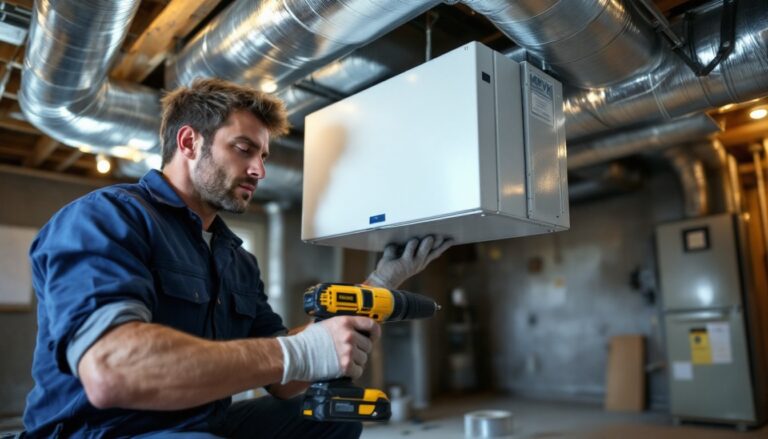
Professional installation typically adds $300–$800 to the project, depending on system complexity and ductwork modifications. Media air cleaners often require cutting into the main trunk line and installing a bypass or mounting cabinet, which takes 3–5 hours of labor. UV lights are simpler, most HVAC techs can mount them and wire them into the furnace control board in under 2 hours.
Complicated jobs cost more:
- Homes with tight attic access or finished basements where ductwork is concealed may add $200–$400 in labor.
- Systems requiring electrical upgrades (new circuit, transformer, or control panel integration) add $150–$300.
- Duct sealing or modifications to improve airflow compatibility can tack on $200–$500.
Total installed cost for most homeowners lands between $800 and $3,500, with the national average around $1,800 for a mid-tier media air cleaner or UV system professionally installed.
Factors That Affect Your Total Investment
Home size and HVAC capacity directly influence equipment selection. A 3,000-square-foot home with a 4-ton air handler needs a larger filter cabinet or more powerful UV lamps than a 1,200-square-foot bungalow. Manufacturers rate systems by maximum airflow (CFM), and undersizing leads to poor performance.
Ductwork condition matters. Leaky or undersized ducts reduce system efficiency and may require sealing or modifications before installation. Many smart home systems now integrate air quality monitoring, which can reveal duct issues that need addressing first.
Existing HVAC compatibility affects installation complexity. Older furnaces without electronic ignition may lack the wiring infrastructure for UV lights or electronic air cleaners. Upgrading the thermostat to a model that supports continuous fan operation adds $150–$300 but maximizes air purification effectiveness.
Regional air quality concerns shape technology choices. Homes near wildfire zones benefit most from high-MERV media filters. Those in humid climates with mold risk prioritize UV lights near evaporator coils. Urban areas with traffic pollution may justify PCO systems to address VOCs and diesel particulates.
Permit and code requirements vary by jurisdiction. Most whole house air purifiers don’t require permits since they’re accessories to existing HVAC systems, but electrical work or duct modifications might. Check with local building departments before starting.
Warranty coverage ranges from 1 to 10 years depending on manufacturer and component. UV lamps typically carry 1- to 2-year warranties, while media filter cabinets often include 5-year limited warranties. Extended warranties add 10–15% to upfront costs.
Ongoing Maintenance and Operating Costs
Whole house air purifiers aren’t install-and-forget. Each technology carries distinct maintenance requirements and recurring expenses.
Media air cleaners need filter replacements every 6–12 months, costing $60–$150 per filter depending on MERV rating and size. Homes with pets, smokers, or construction dust nearby should plan for the shorter replacement interval. Filters are typically user-replaceable, no service call needed.
Electronic air cleaners require washing the collection cells every 1–3 months. Remove the cells, soak them in a tub with mild detergent, rinse, and reinstall after drying. No replacement parts needed for years, though ionizing wires may eventually require replacement ($50–$100 every 3–5 years).
UV germicidal lights lose effectiveness over time even while still glowing. Replace bulbs annually, at around $50–$100 per lamp. Dual-lamp systems double that cost. The ballast (power supply) typically lasts 5–7 years before requiring replacement ($80–$150).
PCO systems combine maintenance needs: catalyst cells last 2–3 years ($150–$300 each), UV lamps need annual replacement, and pre-filters require quarterly changes ($15–$30 each). Testing conducted by organizations like Good Housekeeping shows these systems demand the highest upkeep commitment.
Energy costs increase slightly when running the HVAC blower continuously. A typical blower motor consumes 300–600 watts. At $0.13 per kWh, continuous operation adds $28–$56 per month. Variable-speed ECM blowers cut that by 40–60%.
Budget $100–$400 annually for maintenance and operating costs, depending on system type and usage patterns.
DIY vs. Professional Installation: Cost Comparison
UV light installation is the most DIY-friendly option for homeowners comfortable working with basic electrical. The process involves mounting the lamp bracket inside ductwork (drill two holes, secure with sheet metal screws), running low-voltage wiring to the furnace, and connecting to a transformer or the furnace control board. Total time: 2–3 hours.
Risks include improper UV exposure (serious eye and skin hazard during installation, safety goggles and gloves are mandatory), incorrect lamp placement that reduces effectiveness, and electrical errors that could damage the furnace control board. DIY saves $300–$500 in labor but voids some product warranties that require licensed installation.
Media air cleaner installation demands more skill. It requires cutting into sheet metal ductwork with aviation snips, securing a 16-inch or larger cabinet, ensuring proper airflow direction, and sometimes installing a bypass duct. Mistakes here reduce HVAC efficiency or create whistling noises from turbulent airflow.
Homeowners with sheet metal experience and tools (snips, drill, foil tape, mastic sealant) can tackle this, but most hire professionals. DIY saves $400–$700 but takes 4–6 hours and carries the risk of duct leaks that waste conditioned air.
Electronic air cleaners and PCO systems involve 120V or 240V electrical connections and complex control integration. These installations typically require a licensed electrician or HVAC technician. Many municipalities enforce this through permitting requirements. Reviews on technology platforms increasingly highlight smart air purifiers with app-based installation guidance, but these still benefit from professional setup for optimal performance.
DIY is realistic for UV lights only. Media filters and electronic systems are better left to pros unless the homeowner has HVAC experience. The cost difference narrows when factoring in tool purchases, time spent troubleshooting, and the value of warranty coverage that professional installation provides.