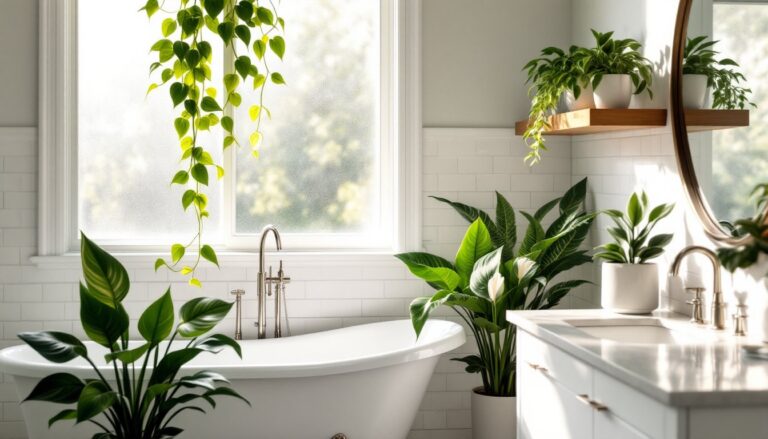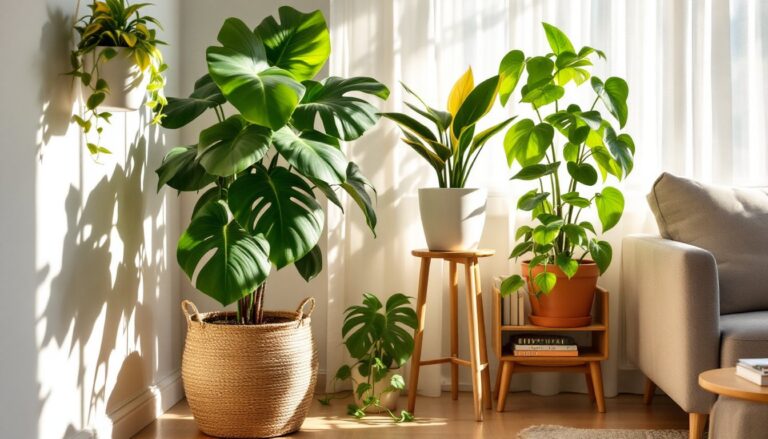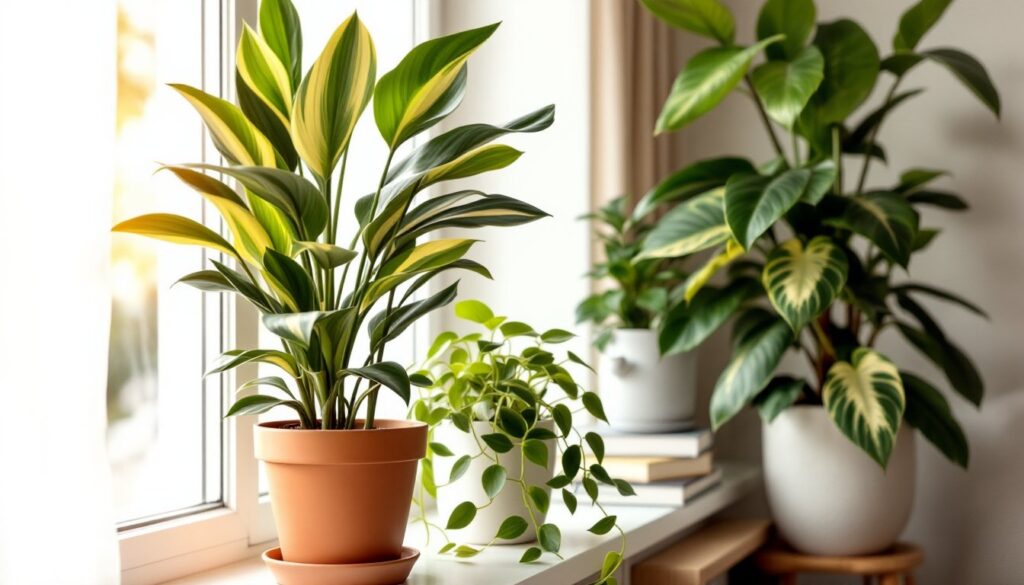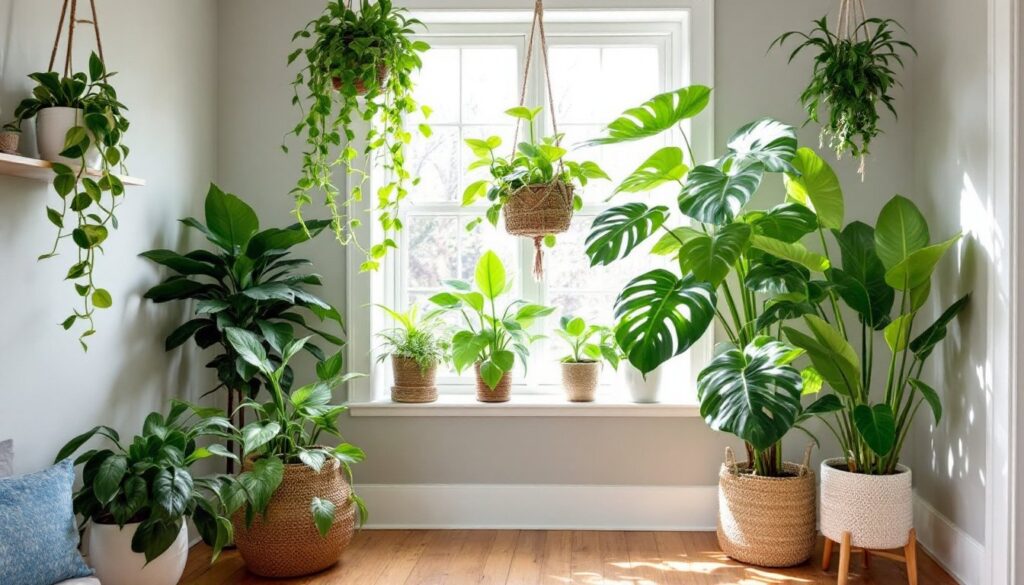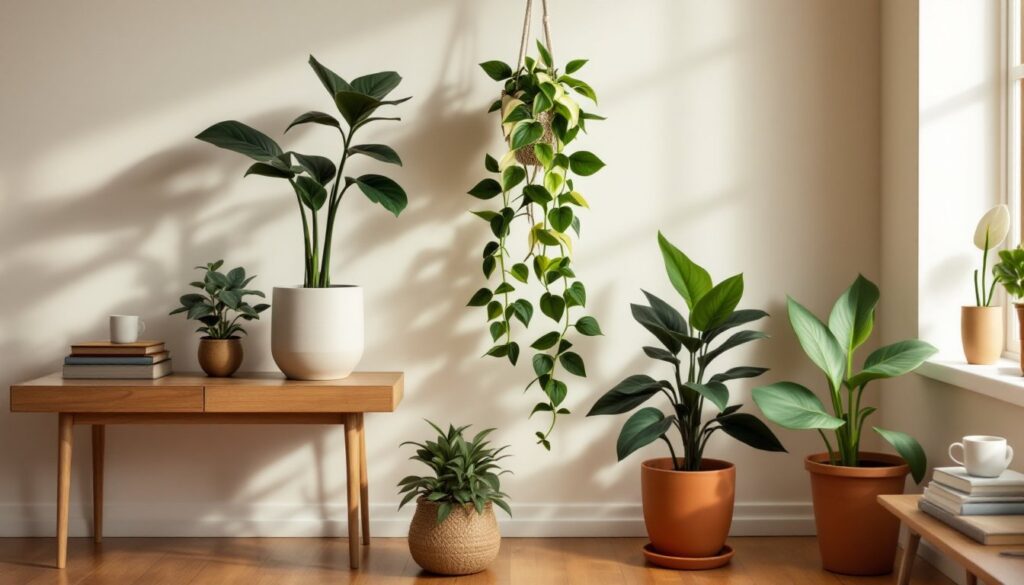

Not every home has sun-flooded south-facing windows. Hallways, bathrooms, north-facing bedrooms, and offices with minimal natural light don’t have to stay bare. Low light house plants thrive where most greenery would wither, making them ideal for spaces that never see direct sun. They’re forgiving, adaptable, and surprisingly resilient, perfect for anyone who wants lush foliage without installing grow lights or rearranging furniture. This guide covers what low light actually means, which plants handle it best, and how to keep them healthy without second-guessing every watering.
Table of Contents
ToggleKey Takeaways
- Low light house plants thrive in spaces receiving 50–150 foot-candles of light (5–8 feet from a north-facing window) and are ideal for hallways, bathrooms, and offices without direct sun.
- Species like pothos, snake plants, ZZ plants, and peace lilies are nearly indestructible and require less water because they photosynthesize more slowly in dim conditions.
- Overwatering is the leading cause of plant death; always check soil moisture 1–2 inches deep before watering, as low light plants use significantly less water than sun-loving varieties.
- Position low light house plants within 6–10 feet of a window and rotate them every few weeks to promote even growth and prevent leaning toward light sources.
- Feed sparingly during spring and summer (once every 8–12 weeks with diluted, balanced fertilizer) since low light reduces photosynthesis and nutrient uptake.
- Use well-draining potting soil with perlite, avoid pots without drainage holes, and wipe dust from leaves monthly to maximize the limited photosynthesis available in dim spaces.
Why Low Light Plants Are Perfect for Every Home
Low light plants solve a common problem: how to green up spaces that don’t get much sun. Most homes have corners, entryways, or rooms with small windows that collect dust instead of greenery. These plants handle those conditions without complaint.
Adaptability is their biggest strength. Species like pothos, snake plants, and ZZ plants evolved in forest understories where sunlight filters through dense canopy layers. They’ve adapted to survive on minimal light by slowing their growth and maximizing chlorophyll efficiency. That translates to less frequent watering, less fertilizer, and fewer demands on the grower.
They also improve indoor air quality. While no houseplant will replace a proper HVAC system, species like peace lilies and dracaena do filter trace amounts of volatile organic compounds (VOCs) from the air. It’s a modest benefit, but it adds up in poorly ventilated spaces.
Another practical advantage: low light plants are harder to kill. Overwatering is the most common cause of houseplant death, and low light plants naturally require less water because they photosynthesize more slowly. That built-in margin for error makes them beginner-friendly and low-maintenance for anyone juggling other home projects.
Understanding Low Light Conditions in Your Home
“Low light” doesn’t mean no light. It’s a specific range of brightness that’s dimmer than what most flowering plants need but still bright enough to read by during the day. Understanding the difference helps prevent putting plants in spots where they’ll slowly decline.
Low light typically means an area that receives 50 to 150 foot-candles of light, roughly equivalent to sitting 5 to 8 feet away from a north-facing window or in a room with indirect light from a nearby window. It’s enough for foliage plants but won’t support blooms or fast growth.
Medium light ranges from 150 to 250 foot-candles, think 3 to 5 feet from an east-facing window or filtered light through sheer curtains. Bright indirect light climbs to 250 to 500 foot-candles, the sweet spot for most houseplants, found within a few feet of a south or west-facing window without direct sun exposure.
What Qualifies as Low Light vs. No Light
No houseplant survives in zero light. Even the toughest species need some natural or artificial illumination to photosynthesize. A windowless bathroom or closet won’t work unless equipped with a grow light.
Low light means the room has a window but doesn’t receive direct sun at any point during the day. Examples include north-facing rooms, spaces more than 8 feet from a window, or rooms with obstructed views (facing a brick wall, shaded by trees, or blocked by neighboring buildings).
If you can’t comfortably read a book without turning on a light during midday, the space is probably too dark for most plants. A simple test: hold your hand a foot above a surface. If the shadow is barely visible or nonexistent, light levels are marginal. If there’s a soft, defined shadow, it’s low light. A sharp, crisp shadow indicates medium to bright light.
Artificial lighting can supplement natural light. A standard LED bulb (5000K to 6500K) positioned 12 to 18 inches above a plant can extend viable growing space into darker corners. It’s not necessary for most low light plants, but it’s an option for rooms with minimal windows.
Best Low Light House Plants for Beginners
Choosing the right plant matters more than experience level. These species tolerate neglect, recover from mistakes, and grow steadily in dim conditions.
Snake Plant (Sansevieria trifasciata) is nearly indestructible. It handles low light, irregular watering, and dry air without complaint. The thick, upright leaves store water, so it can go weeks between drinks. It’s also one of the few plants that releases oxygen at night, making it a solid pick for bedrooms.
Pothos (Epipremnum aureum) is a trailing vine that thrives on benign neglect. It tolerates low light better than most, though growth slows and variegation fades in deep shade. It’s forgiving with water and propagates easily from cuttings, trim a stem below a node, stick it in water, and roots appear within a week.
ZZ Plant (Zamioculcas zamiifolia) has glossy, waxy leaves and thick rhizomes that store water underground. It’s drought-tolerant and pest-resistant, making it ideal for offices or rooms that don’t see much foot traffic. Growth is slow in low light, but the plant stays healthy.
Cast Iron Plant (Aspidistra elatior) earned its name by surviving conditions that kill most houseplants. It tolerates low light, temperature swings, and inconsistent care. Growth is sluggish, but the broad, dark green leaves hold up in dim corners where other plants would etiolate.
Peace Lily (Spathiphyllum) is one of the few flowering plants that handles low light. It prefers more brightness but adapts to shadier spots, though blooms become less frequent. It’s also a reliable indicator of thirst, the leaves droop noticeably when it needs water, then perk up within hours of a drink. For additional options, easy house plants offer similar resilience.
Dracaena species (like Dracaena marginata and Dracaena fragrans) grow slowly in low light but maintain their structure and color. They’re tolerant of irregular watering and can reach several feet tall over time, making them useful for filling vertical space.
Chinese Evergreen (Aglaonema) comes in dozens of cultivars with varying leaf patterns. Most tolerate low light, though varieties with brighter colors (reds, pinks) need more brightness to maintain their hues. It’s slow-growing and low-maintenance, ideal for tabletops or shelves.
For larger statement plants, large house plants that thrive in low light can anchor a room without demanding constant sun.
Essential Care Tips for Low Light Plants
Low light plants don’t need much, but they do have specific requirements. Overcompensating with water or fertilizer causes more problems than underwatering.
Light placement matters even for shade-tolerant species. Position plants within 6 to 10 feet of a window if possible. If a room has multiple windows, choose the brightest spot available. Rotate plants a quarter turn every few weeks to promote even growth, low light plants tend to lean toward their light source.
Temperature and humidity are usually fine at typical indoor levels (60°F to 75°F). Most low light plants are tropical understory species that tolerate average household humidity (40% to 50%). If leaf tips brown or edges crisp, humidity may be low, group plants together, use a pebble tray, or run a small humidifier.
Fertilization should be minimal. Low light slows photosynthesis, which reduces nutrient uptake. Feed once every 8 to 12 weeks during spring and summer with a diluted, balanced liquid fertilizer (10-10-10 or 20-20-20 at half strength). Skip feeding in fall and winter when growth stalls. Overfertilizing causes salt buildup in the soil, which burns roots and creates more problems than skipping a feeding cycle.
Pruning and maintenance keeps plants compact and healthy. Remove yellowed or dead leaves at the base to prevent rot and improve airflow. Wipe dust off leaves with a damp cloth every few weeks, dust blocks light and reduces photosynthesis, which is already limited in low light conditions. Many house plants that don’t need much light require minimal intervention, but occasional cleaning helps.
Watering and Soil Requirements
Watering is the trickiest part of low light plant care. Reduced light means slower photosynthesis, which means less water consumption. Overwatering is the leading cause of root rot.
Check soil moisture before watering. Stick a finger 1 to 2 inches into the soil, if it’s dry, water. If it’s damp, wait. For plants like snake plants or ZZ plants, let the soil dry out almost completely between waterings. For pothos or peace lilies, water when the top inch is dry.
Water thoroughly when you do water. Soak the soil until water drains from the bottom, then empty the saucer to prevent roots from sitting in standing water. Shallow, frequent watering encourages shallow root systems and increases the risk of fungal issues.
Soil type affects drainage and moisture retention. Use a well-draining potting mix designed for houseplants, typically a blend of peat moss (or coco coir), perlite, and pine bark. Avoid <a href="https://www.gardenista.com/posts/10-garden-ideas-moss/” target=”_blank” rel=”noopener nofollow”>garden soil or heavy mixes that compact over time. For succulents like snake plants, add extra perlite or coarse sand to improve drainage.
Pot selection also matters. Terracotta pots wick moisture away from roots and dry out faster, which is helpful for overwater-prone species. Plastic or ceramic pots retain moisture longer, use these for plants that prefer consistent moisture, like peace lilies. Always use pots with drainage holes. If using a decorative cache pot, remove the plant to water it, let it drain, then return it.
Common Mistakes to Avoid with Low Light Plants
Even forgiving plants fail when basic requirements are ignored. Here’s what usually goes wrong and how to prevent it.
Overwatering is the most common killer. Low light plants grow slowly, so they use less water. Sticking to a rigid schedule (“water every Sunday”) doesn’t account for seasonal changes, pot size, or humidity levels. Always check soil moisture before watering. If in doubt, wait a day or two, most low light plants tolerate dryness better than soggy soil.
Placing plants in truly dark spaces dooms them to slow decline. A corner with no natural light or a windowless room won’t support photosynthesis. If the space is genuinely dark, install a grow light or choose artificial plants. Even house plants that don’t need light still require some illumination.
Ignoring drainage leads to root rot. Pots without drainage holes trap water at the bottom, creating anaerobic conditions that kill roots. If a favorite decorative pot lacks holes, use it as a cache pot and keep the plant in a plastic nursery pot with drainage.
Using the wrong soil causes problems over time. Dense, compacted soil holds too much moisture and suffocates roots. Refresh soil every 18 to 24 months or when it starts breaking down and clumping. Repot into fresh, well-draining mix to maintain healthy root systems. Guidance from resources like Gardenista’s houseplant field guide covers soil basics for various species.
Overfertilizing in low light is counterproductive. Plants can’t use excess nutrients when photosynthesis is limited, and salt buildup from fertilizer damages roots. Feed sparingly, once every few months during the growing season is plenty.
Skipping pest checks allows infestations to spread. Low light plants attract fewer pests than sun-loving species, but spider mites, mealybugs, and fungus gnats still show up. Inspect leaves (especially undersides) and soil surfaces monthly. Wipe leaves with a damp cloth, and if pests appear, treat with insecticidal soap or neem oil.
Neglecting acclimation shocks plants moved from bright nursery conditions to dim home environments. Gradually transition new plants by placing them in a brighter spot for a week, then moving them to their final location. Sudden light reduction causes leaf drop and stress.
Expecting fast growth leads to disappointment. Low light plants grow slowly by nature. A pothos that vines several feet in bright light may produce only a few inches of growth per year in low light. That’s normal. If the plant maintains its color and doesn’t drop leaves, it’s healthy, just patient. For a wider selection, low light house plants for sale to find species suited to your space.
By avoiding these pitfalls and sticking to straightforward care practices, low light plants deliver years of greenery with minimal fuss. They’re not magic, but they’re close, reliable, adaptable, and suited to the real conditions most homes offer.