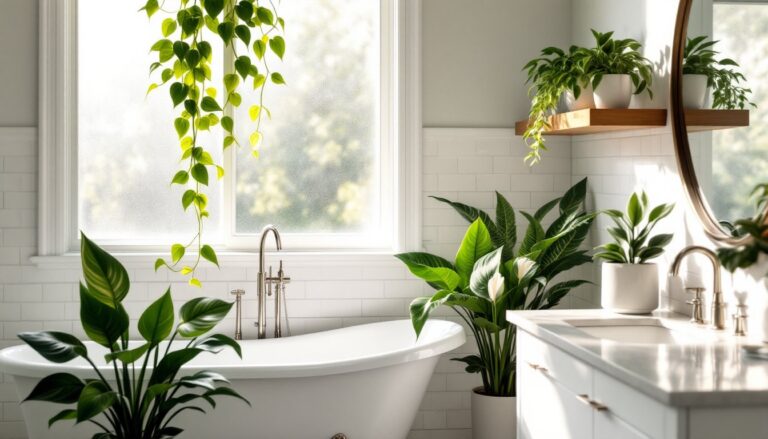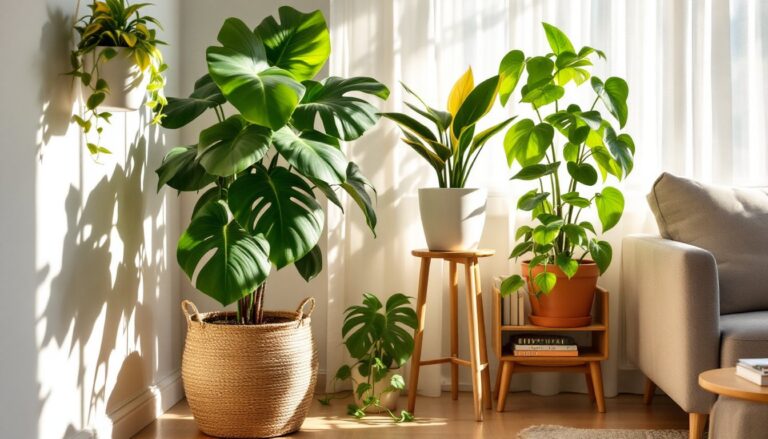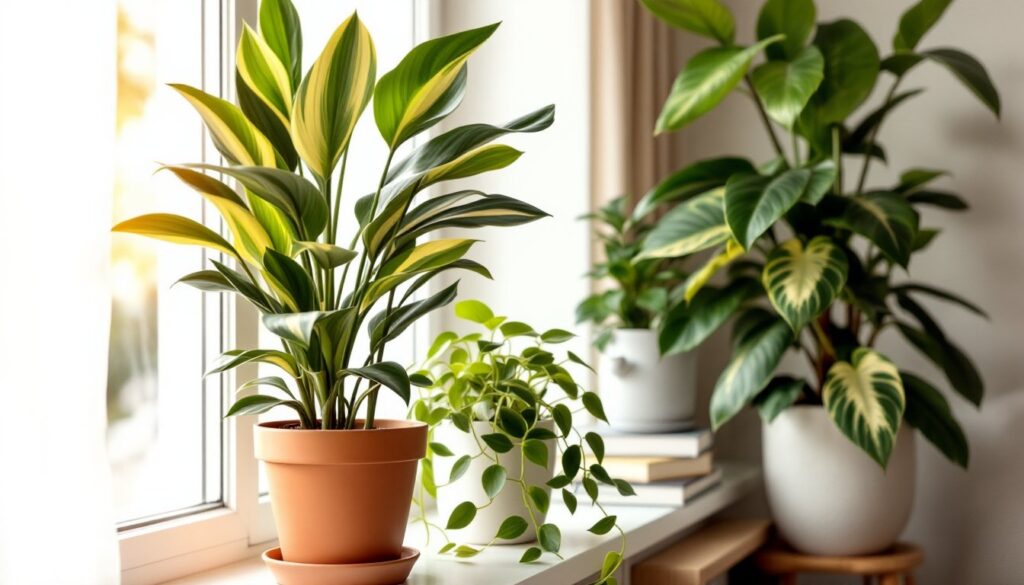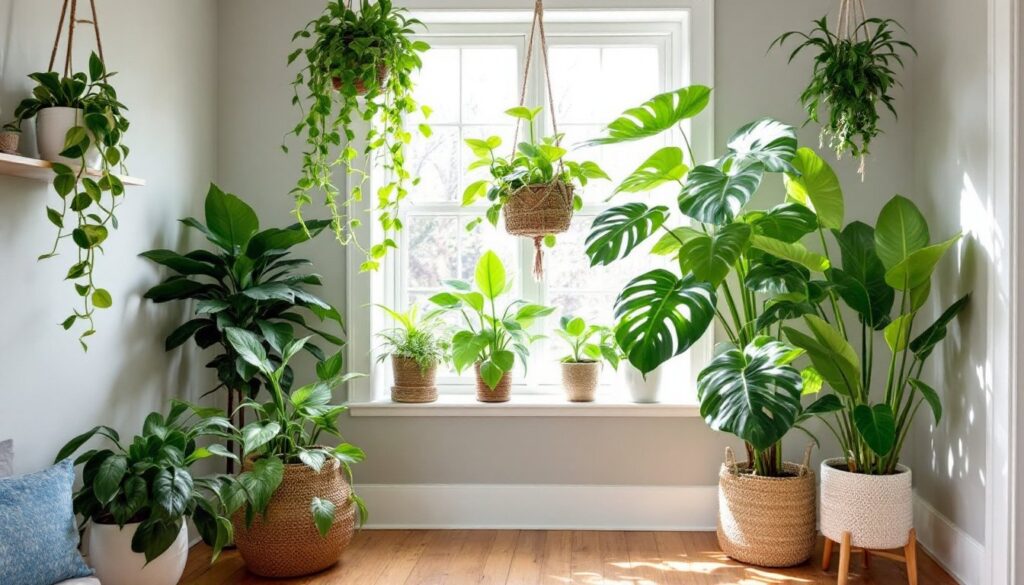

Imagine transforming your home into a lush oasis without the hassle of bright, sun-soaked windows. For those who think their thumbs are less than green, there’s good news. House plants that thrive in low light are here to save the day—and your sanity.
These resilient beauties don’t just survive; they flourish in dim corners, proving that even the most shade-loving plants can bring life to any space. From the tough-as-nails snake plant to the charming pothos, these low-light wonders are perfect for anyone who’s ever accidentally killed a cactus. So, whether you’re a seasoned plant parent or just starting out, it’s time to embrace the dark side of indoor gardening and discover the perfect companions for your cozy, light-challenged nooks.
Table of Contents
ToggleOverview of Low-Light House Plants
Low-light house plants offer adaptability and ease for individuals facing less-than-ideal lighting conditions. Snake plants, for instance, thrive in low-light spaces, requiring minimal care while adding visual interest with their striking upright leaves. Pothos plants also excel in these environments, with their heart-shaped foliage bringing a refreshing vibe to any room.
Spider plants serve as another excellent option, showcasing arching green leaves with white streaks. These resilient plants tolerate low light and can even produce small flowers. ZZ plants present a unique choice, with their glossy, dark leaves shining in dim areas. Extremely tough, they withstand neglect and infrequent watering.
Cast iron plants live up to their namesake by demonstrating remarkable durability. They grow well in nearly all light conditions, making them ideal for anyone unsure where to place their greenery. Peace lilies also perform well in low-light situations and bloom white flowers, adding elegance to their surroundings.
Chinese evergreen plants offer colorful patterns in their leaves, making them visually attractive. This versatility in low-light tolerance makes them suitable for homes and offices alike. Additionally, philodendrons create lush greenery with their dramatic, trailing vines, enhancing vertical space effectively.
Heated arguments often arise over the best low-light plants, but numerous varieties perform well consistently. Cultivating these resilient options not only enhances indoor spaces, but also promotes health benefits like improved air quality. Indoor gardening fosters a sense of tranquility, making low-light house plants perfect companions for those limited on sunlight.
Benefits of House Plants That Don’t Need Much Light
House plants that thrive in low light offer multiple advantages beyond basic aesthetics. Such plants provide easy maintenance, making indoor gardening accessible for everyone.
Air Quality Improvement
Indoor air quality often suffers from pollutants and toxins. House plants like peace lilies and snake plants filter harmful substances, removing toxins such as formaldehyde and benzene. Studies show that these plants contribute to increased humidity, promoting respiratory health. Filtering out air impurities not only creates a healthier environment but enhances overall well-being. Fresh, clean air supports better concentration and productivity, especially in low-light offices or homes.
Aesthetic Appeal
Low-light house plants add natural beauty to any space. With rich foliage and varied textures, plants like ZZ plants and pothos create visual interest. Incorporating green elements into decor softens harsh edges and contrasts in a room. This touch of nature fosters a serene atmosphere, encouraging relaxation and stress relief. Simple arrangements of low-light plants can transform dull corners into inviting areas. Their versatility allows for placement in various settings, from cozy living rooms to peaceful bedrooms.
Top House Plants That Thrive in Low Light
Many house plants flourish in low-light conditions, making them perfect for indoor environments. Each plant offers unique benefits and beauty, contributing to a vibrant home.
Snake Plant
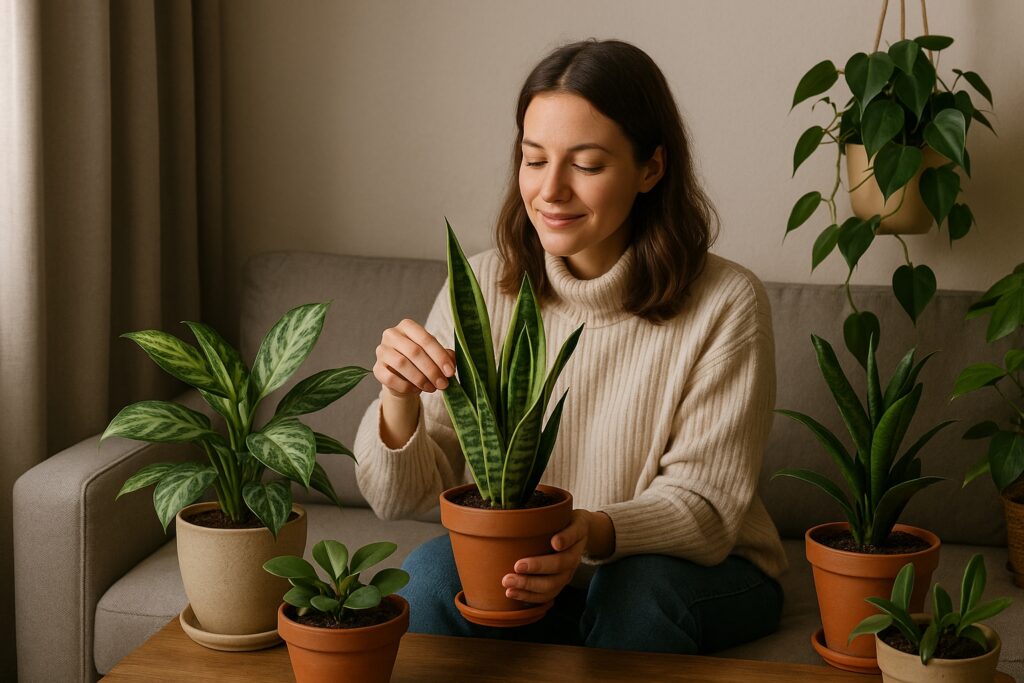
Snake plants, also known as Sansevieria, adapt well to low light. They require minimal care, thriving on infrequent watering. Features include tall, upright leaves with striking variegation. These plants tolerate neglect and improve air quality by filtering toxins. Available in various sizes, snake plants fit easily in diverse spaces.
ZZ Plant
The ZZ plant excels in low-light scenarios due to its waxy, dark green leaves. This hardy plant requires little maintenance and infrequent watering. Its ability to survive in neglect speaks to its resilience. ZZ plants also boost indoor air purity by removing harmful pollutants. They suit areas where other plants struggle to thrive.
Pothos
Pothos, or Epipremnum aureum, thrives in dim lighting conditions and adds a splash of greenery. They feature heart-shaped leaves and can trail or climb, providing versatility in any space. Pothos require occasional watering, making them easy to care for. Their air-purifying qualities enhance indoor atmospheres. These plants adapt to various containers, ensuring they fit different decor styles.
Spider Plant
Spider plants, known for their arching leaves, tolerate low light effectively. They produce “baby” plants that can be propagated easily. Requires minimal watering and thrives in indirect sunlight. Spider plants also improve air quality, making them excellent for homes. Their charming green foliage adds a lively touch to any room.
Peace Lily
Peace lilies, celebrated for their elegant white blooms, tolerate low light well. They thrive with minimal care and require occasional watering. Improving indoor air quality, peace lilies filter chemicals and provide a serene atmosphere. Their lush dark green leaves complement their delicate flowers. Peace lilies suit both home and office environments, creating calming spaces.
Tips for Caring for Low-Light House Plants
Provide adequate humidity for low-light house plants. Many, like peace lilies, prefer a humid environment to thrive. Use a spray bottle to mist leaves regularly or place a small humidifier nearby.
Ensure proper watering practices. Overwatering can damage roots, so check the soil moisture level before adding more water. Allow the top inch of soil to dry out between watering sessions.
Include occasional fertilization during the growing season. A balanced, diluted liquid fertilizer can support growth without overwhelming the plants. Apply it every 4 to 6 weeks.
Monitor for signs of stress. Yellowing leaves may indicate either too much water or inadequate light. Address any issues promptly to keep plants healthy.
Rotate plants occasionally to promote even growth. Turning them can help all sides receive any available light, fostering a balanced appearance. If possible, adjust their positions to maintain their vitality.
Select pots with drainage holes. These prevent excess water from accumulating, supporting healthy root systems. Proper drainage is critical for all house plants, especially in dim lighting conditions.
Limit direct sunlight exposure. Most low-light house plants prefer indirect light. Placing them near windows with sheer curtains can provide adequate brightness.
Inspect for pests regularly. Aphids, spider mites, and other pests can be hidden on leaves. Taking preventive measures helps ensure plant health.
Keep the leaves clean. Dust can inhibit photosynthesis, so gently wiping leaves with a damp cloth can enhance their appearance and functionality. Regular leaf maintenance promotes thriving plants.
Low-light house plants offer an excellent opportunity for anyone looking to enhance their indoor spaces without the need for abundant sunlight. Their resilience and adaptability make them perfect companions for both seasoned plant enthusiasts and those just starting their green journey.
By choosing the right plants and following simple care tips, anyone can create a vibrant indoor oasis that not only beautifies their home but also contributes to a healthier living environment. Embracing these low-light varieties can transform any dim corner into a refreshing and inviting area.