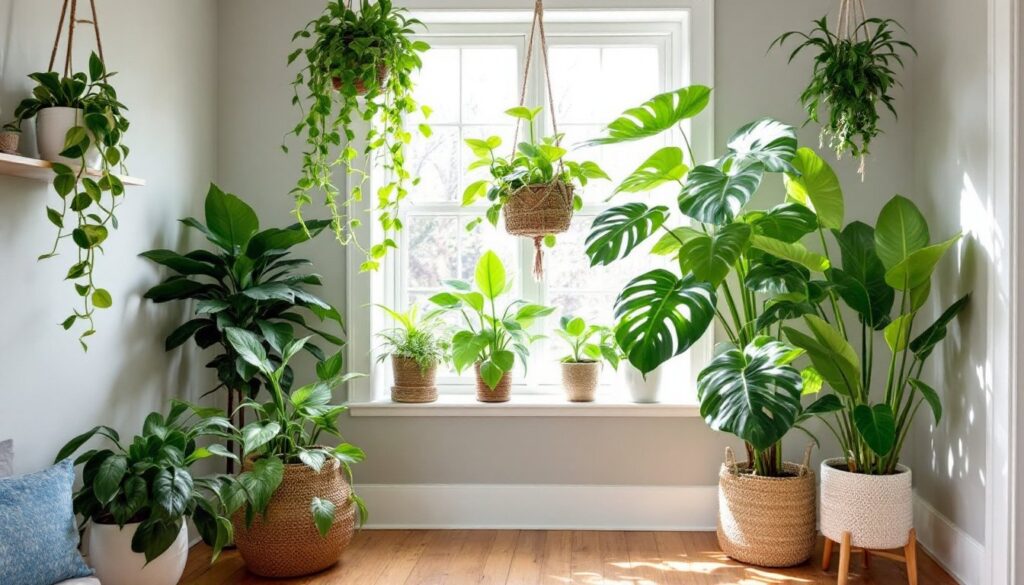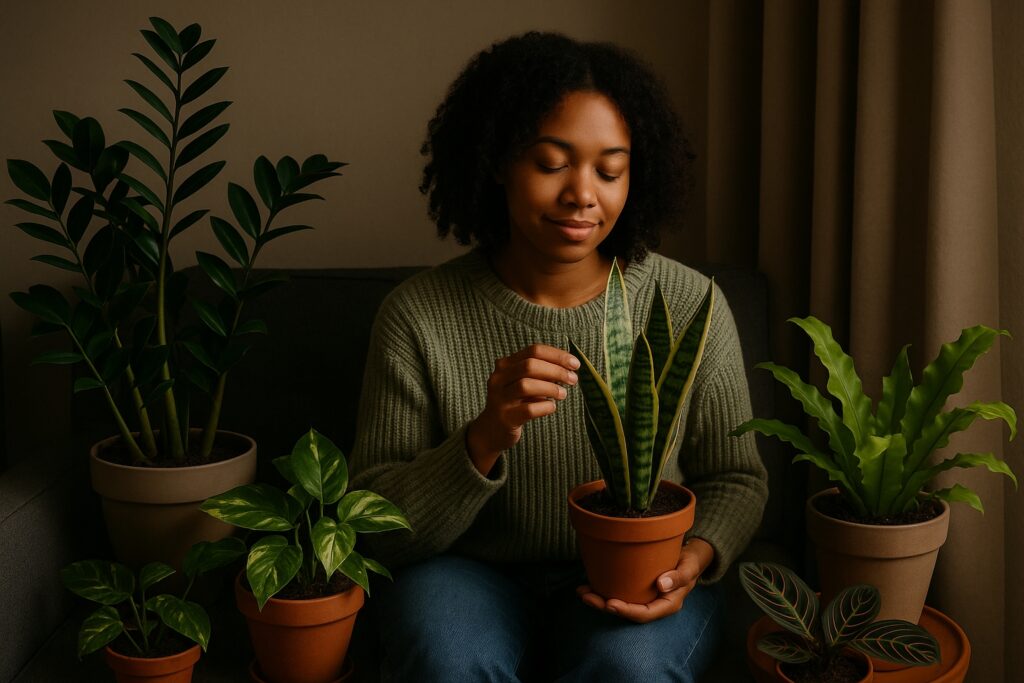

Imagine filling your home with lush greenery while barely lifting a finger. Sounds like a dream, right? Well, it’s time to wake up and smell the foliage because there are house plants that thrive in the shadows. No need for bright sunlight or fancy grow lights—these resilient beauties are here to prove that even the darkest corners can be a botanical paradise.
Table of Contents
ToggleOverview of House Plants That Don’t Need Light
Incorporating plants into low-light spaces adds beauty and improves air quality. Numerous house plants are well-suited for environments with minimal natural light. Snake plants, commonly found in homes, tolerate low illumination effectively. Similarly, ZZ plants thrive in conditions where other plants struggle.
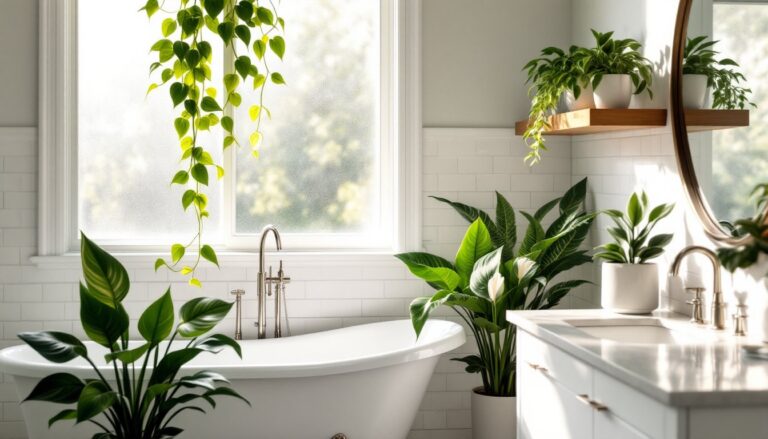
Pothos plants adapt easily, growing in diverse light situations. They require minimal care, making them perfect for busy individuals. Peace lilies also flourish in dim conditions, producing lovely white blooms when properly cared for.
Cast iron plants excel due to their hardiness and resistance to neglect. This characteristic makes them suitable for beginner plant owners. Spider plants provide additional green without demanding bright light, often showcasing fascinating arching leaves.
Ferns, such as the Boston fern, do well in shaded areas, adding texture to any space. Additionally, they need regular moisture but can survive in lower light.
When selecting plants, consider the specific characteristics of each type. Plants like these lend versatility to home decor while enhancing the living environment. Each brings unique attributes, demonstrating that greenery isn’t limited to sunny locations. Choose wisely to create a vibrant indoor oasis.
Benefits of House Plants That Don’t Need Light
House plants that thrive without light offer several advantages for indoor environments. These plants cater to busy lifestyles while enhancing decor and air quality.
Low Maintenance
Low maintenance defines many house plants that don’t require light. Snake plants demand minimal attention, adapting to irregular watering schedules. ZZ plants thrive on neglect and tolerate drought. Pothos plants prefer a simple care routine while tolerating low-light conditions. These varieties suit individuals with hectic schedules and limited gardening experience.
Air Quality Improvement
Air quality improvement represents another significant benefit. House plants effectively filter indoor air pollutants, contributing to a healthier environment. Peace lilies excel in removing harmful substances such as formaldehyde and benzene. Spider plants also play a role in improving air quality by absorbing toxins. By introducing these plants without light requirements, individuals can enhance their living spaces while promoting better air circulation and overall well-being.
Popular House Plants That Don’t Need Light
Several house plants thrive in low-light conditions, ensuring green spaces flourish even without bright sunlight. The following options are ideal for transforming dim areas into vibrant environments.
Snake Plant
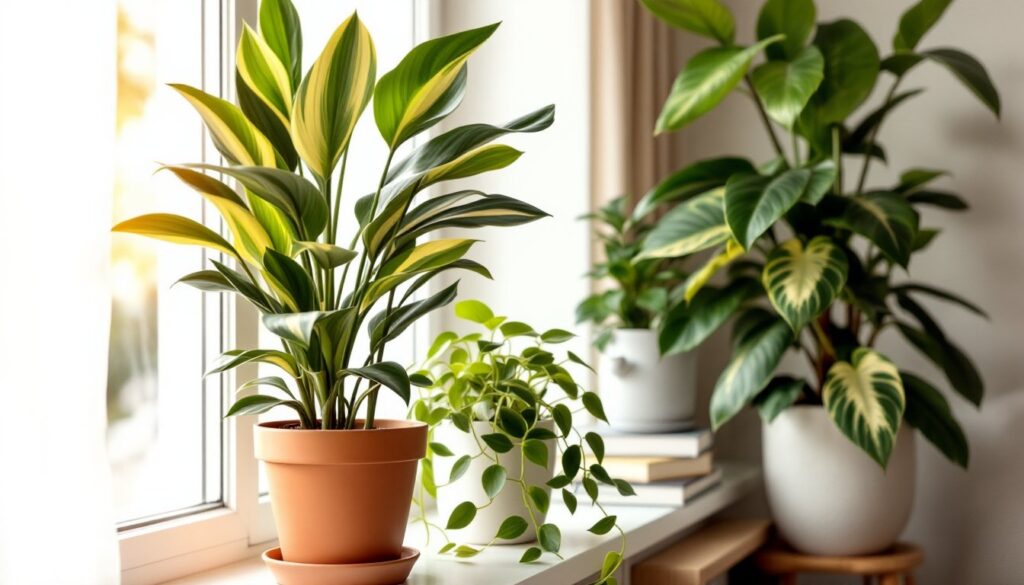
Snake plants resist neglect while thriving in low light. They feature sword-like leaves that adsorb toxins, contributing to improved air quality. With minimal watering requirements, these plants withstand drought effectively. Varieties like the Laurentii flaunt striking yellow edges, enhancing visual appeal. A snake plant’s ability to survive in various indoor conditions makes it a favorite for busy homes.
ZZ Plant
ZZ plants offer a unique look and patience in care. Their glossy leaves polish a room’s aesthetic, capturing attention effortlessly. Requiring little light, these plants adapt to various environments, making them suitable for corners or offices. ZZ plants tolerate infrequent watering, thriving on minimal attention. Ideal for novice plant parents, they continue to grow even in challenging conditions.
Pothos
Pothos plants provide versatility while thriving in low-light settings. They produce cascading vines with heart-shaped leaves, brightening up any space. Tolerating neglect, these plants flourish in indirect light and add a touch of greenery to bookshelves or hanging planters. Pothos also improves air quality, effectively filtering indoor pollutants. Their ability to adapt makes them a popular choice among house plant enthusiasts.
Care Tips for Low-Light House Plants
Low-light house plants require specific care to thrive. Understanding their needs ensures they remain healthy and attractive.
Watering Needs
Watering occurs less frequently for low-light plants compared to sun-loving varieties. Monitor the soil for moisture; allowing it to dry between waterings promotes root health. Some plants, like snake plants, tolerate drought well. Overwatering can lead to root rot, a common mistake in plant care. Adjust watering based on the season; plants often need less water in the winter months. Estimating a watering schedule every two weeks works for many low-light varieties. Listening to the plants also aids in understanding their needs; yellowing leaves may suggest too much water.
Optimal Soil and Fertilization
Choosing the right soil is vital for low-light plants. Use a well-draining potting mix that retains some moisture yet allows excess to escape. Consider incorporating materials like peat or perlite for increased aeration. Fertilizing occurs less often with these plants; a balanced houseplant fertilizer applied once every 1-2 months suffices. During the growing season, opting for a diluted fertilizer can boost growth without overwhelming the plant. Adjusting fertilizer frequency based on the specific species helps customize care effectively. Following these guidelines promotes thriving green spaces even in shadowy corners.
Challenges and Considerations
Selecting house plants that don’t require light presents specific challenges. First, understanding that even low-light plants need some indirect light is crucial for their survival. Low-light environments can lead to slower growth, affecting the plant’s overall health and vitality. Maintaining proper humidity levels becomes essential. Many low-light plants thrive in increased humidity, which might necessitate the use of pebble trays or humidifiers in drier climates.
Care routines must adapt to these plants’ unique needs. Overwatering often poses a threat, as low-light plants typically do not absorb water as quickly. Signs of distress include yellowing leaves or root rot, indicating a need for revised watering techniques. Regularly checking the soil moisture before watering helps prevent these issues.
Nutrient deficiencies can arise if fertilization practices aren’t maintained. Balanced fertilizers applied every 1-2 months ensure the plants receive necessary nutrients. Observing changes in growth patterns alerts caretakers to potential fertilizer needs.
Pest management also demands attention. Low-light conditions may attract specific pests seeking shelter. Regularly inspecting plants for signs of pests such as spider mites or aphids helps in early detection and treatment.
Finally, knowing the plant’s placement is vital. Positioning them too far from indirect light sources may hinder their health. Together, these considerations play a significant role in successfully incorporating low-light house plants into any indoor space.
Embracing low-light house plants can truly transform any indoor space into a vibrant oasis. These resilient plants not only enhance decor but also improve air quality, making them perfect for busy lifestyles. With options like snake plants, ZZ plants, and pothos, anyone can enjoy the benefits of greenery without the need for bright sunlight.
By selecting the right plants and adhering to simple care routines, it’s possible to cultivate a thriving indoor garden even in the dimmest corners. With the right knowledge and attention, anyone can successfully integrate these hardy plants into their home, creating a serene and inviting atmosphere.