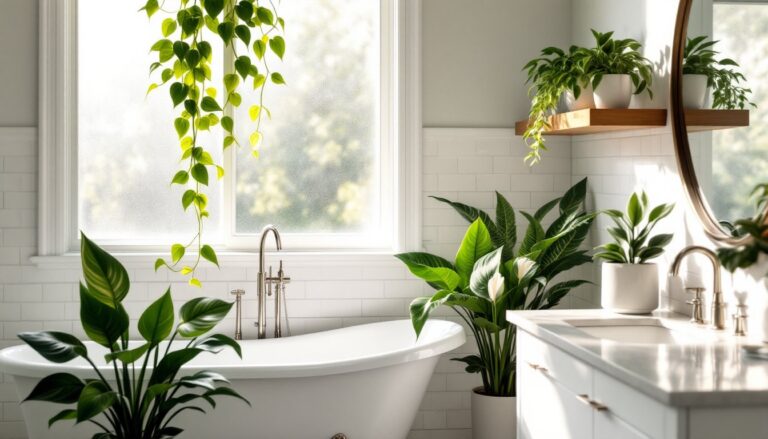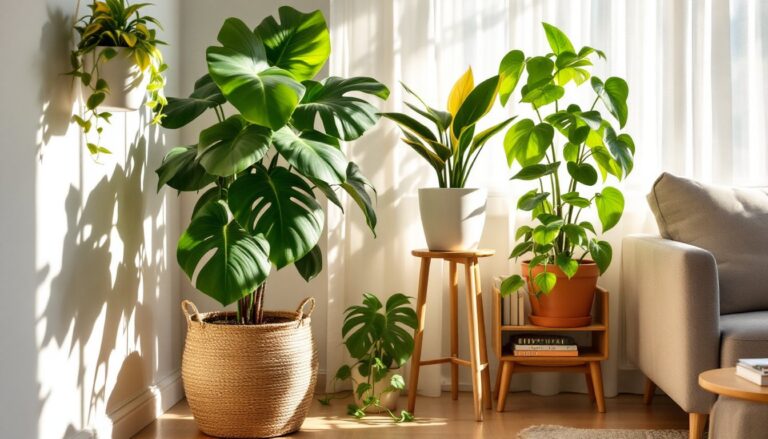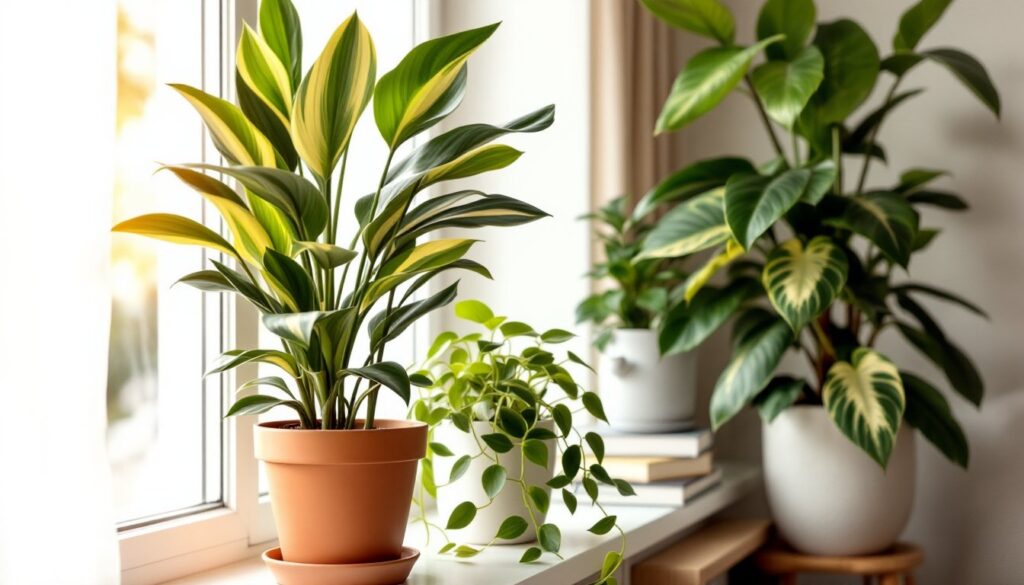

Bringing a touch of green into a home doesn’t have to feel like a high-stakes mission. For those who think their living space is too dim for a plant to thrive, fear not! There are plenty of easy houseplants that not only survive but thrive in low light. Think of them as the laid-back roommates of the plant world—no early morning sunlight required.
Table of Contents
ToggleBenefits Of Easy House Plants
Easy house plants offer numerous advantages that improve the home environment. These plants thrive in low light, making them ideal for various indoor spaces.
Enhancing Indoor Air Quality
Plants significantly improve air quality by absorbing toxins. They also release oxygen, contributing to better air circulation. Studies show numerous species such as Snake Plants and Pothos effectively reduce formaldehyde, benzene, and xylene levels in indoor settings. Improving air quality leads to enhanced well-being, promoting a healthier living space.
Aesthetic Appeal
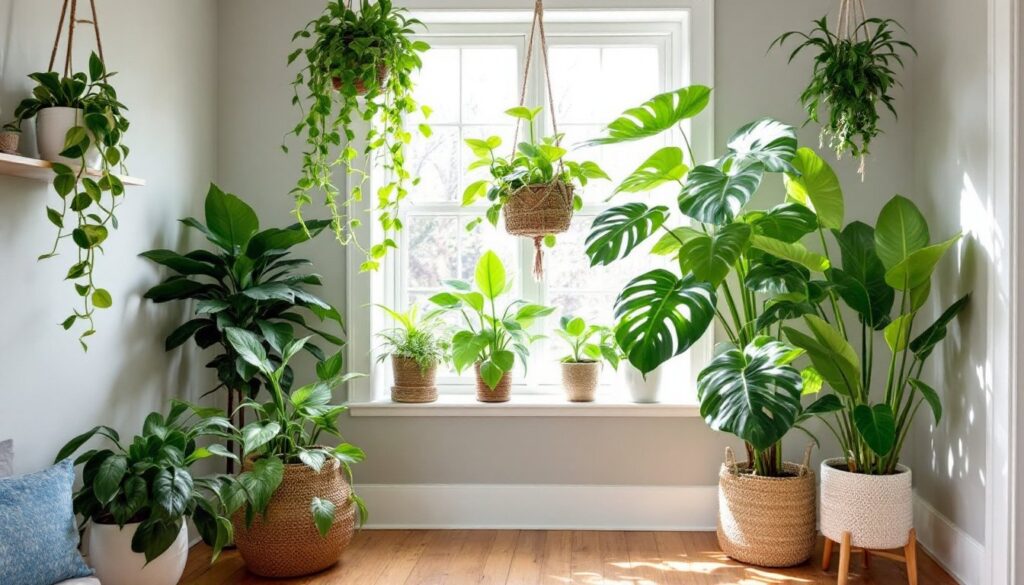
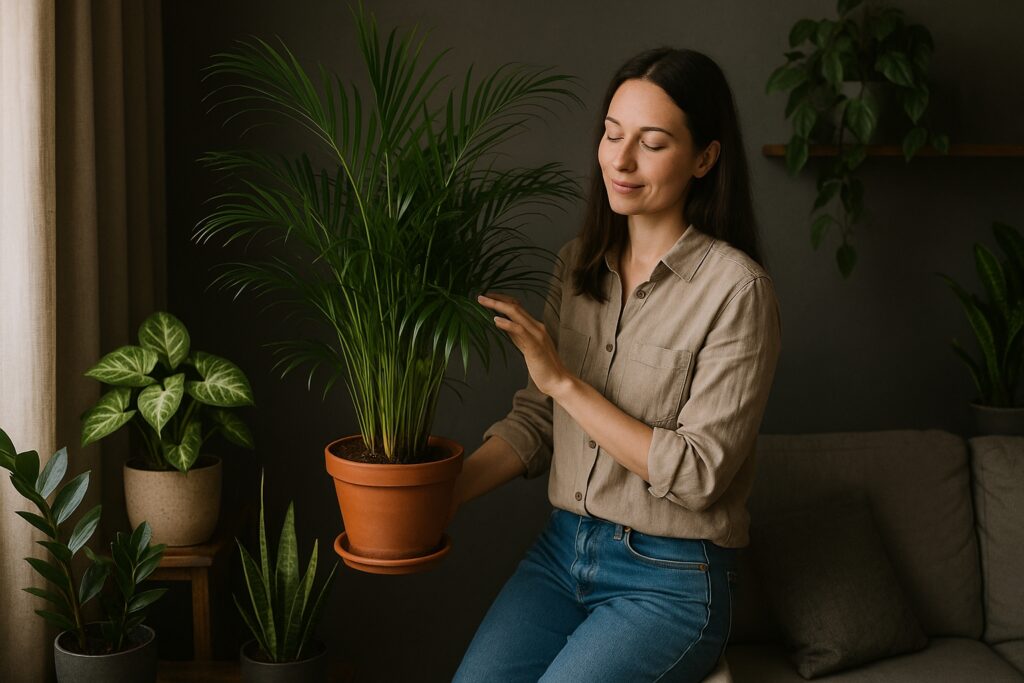
Easy house plants add a touch of greenery to any room. They come in various sizes, shapes, and colors, making it easy to find suitable options for different decor styles. Adding these plants brightens up spaces, creating a calming ambiance. Utilizing plants can transform a dull corner into a lively focal point, providing visual interest and improving overall aesthetics.
Top Easy House Plants For Low Light
Low light conditions won’t hinder growth for these resilient house plants. They thrive with minimal sunlight and offer an array of benefits.
Snake Plant
Snake plant, also known as Sansevieria, adapts effortlessly to low light. Its sturdy, upright leaves create a striking vertical look. Outdoor light is unnecessary for it to survive; a little indirect light suffices. This plant excels at filtering toxins from the air, making it a popular choice for bedrooms and offices. For maintenance, infrequent watering is all that’s needed, as it stores water in its leaves.
Pothos
Pothos stands out as an extremely forgiving house plant. It sprouts vibrant green leaves that can turn golden or variegated with the right conditions. Adaptable to various light situations, it flourishes in low light environments. Regular watering keeps its soil lightly moist but not soggy. This plant trails beautifully, making it ideal for hanging baskets or shelves. Air purification is another benefit, as it helps remove indoor pollutants.
ZZ Plant
ZZ plant, known for its glossy leaves, thrives in virtually neglectful care. It flourishes in low light and does well in dry conditions, making it perfect for busy individuals. This plant’s beautiful dark green leaves can add elegance to any space. Occasional watering is sufficient, as it resists drought effectively. The ZZ plant not only enhances decor but also improves indoor air quality, promoting a healthier environment.
Cast Iron Plant
Cast iron plant, scientifically named Aspidistra elatior, thrives on minimal attention. It tolerates extremely low light and neglect without an issue. Dense green foliage provides a lush appearance, adding depth to any room. Even under poor conditions, this plant survives with little watering required. Its resilience makes it an excellent choice for those new to gardening. Furthermore, it contributes to indoor air purification, enhancing overall well-being.
Care Tips For Low Light House Plants
Low light house plants require specific care to remain healthy and vibrant. Understanding their needs ensures these plants thrive even in dim conditions.
Watering Requirements
Watering for low light house plants involves a careful balance. Allow the soil to dry out slightly between waterings, preventing overwatering, which can lead to root rot. Checking the soil moisture once a week works well, particularly for plants like Snake Plant and ZZ Plant, which tolerate dryness. Adjust the frequency based on seasonal changes; during winter, most plants require less water. Observing the specific plant’s response helps dictate the right amount, as some may show signs of thirst through wilted leaves or dry soil. Ensuring proper drainage also promotes healthy root systems.
Soil Recommendations
Soil choice greatly influences growth for low light house plants. A well-draining potting mix ensures roots receive adequate air circulation and moisture retention. Using a mix designed for indoor plants, like a combination of peat moss, perlite, and compost, promotes a healthy environment. Regularly checking for compacted soil is essential; it might need aeration to maintain optimal health. For plants such as Pothos and Cast Iron Plant, incorporating organic matter enhances nutrient availability. Repotting every couple of years refreshes the soil and provides room for growth, supporting long-term success.
Common Issues And Solutions
Low light conditions can lead to specific challenges for houseplants. Identifying these issues early helps maintain healthy plants and a vibrant home environment.
Issues With Low Light
Varied growth patterns emerge when houseplants adjust to low light. Stretching, or etiolation, occurs as plants reach for more light, which often results in leggy stems and fewer leaves. Brown leaf tips might develop due to insufficient light, indicating the plant struggles to photosynthesize effectively. Leaf drop can also be a sign of stress, as plants conserve energy by shedding foliage. Maintaining an appropriate light level becomes crucial to prevent these problems. Placing plants closer to indirect light sources like windows or using grow lights can counteract these issues.
Pests And Diseases
Pests can thrive in low-light situations, manifesting as a significant concern for indoor plants. Common pests include spider mites and aphids, which can quickly damage plants by feeding on sap. Symptoms often include stippling on leaves or a web-like appearance. Prevention is essential; regular monitoring helps catch infestations early. Proper air circulation aids in reducing disease risk, as stagnant air creates a breeding ground for mold and mildew. Treating affected plants promptly with insecticidal soap or neem oil minimizes damage and maintains plant health.
Low light doesn’t have to mean a lack of greenery in the home. With the right selection of easy house plants, anyone can create a vibrant indoor environment. These resilient plants not only enhance aesthetics but also contribute to improved air quality and overall well-being.
By choosing varieties like the Snake Plant, Pothos, ZZ Plant, and Cast Iron Plant, individuals can enjoy the beauty of nature without the stress of demanding care routines. With a little attention to their specific needs, these plants can thrive and bring life to even the dimmest corners of a home. Embracing low light house plants is a simple way to elevate living spaces while enjoying the numerous benefits they offer.