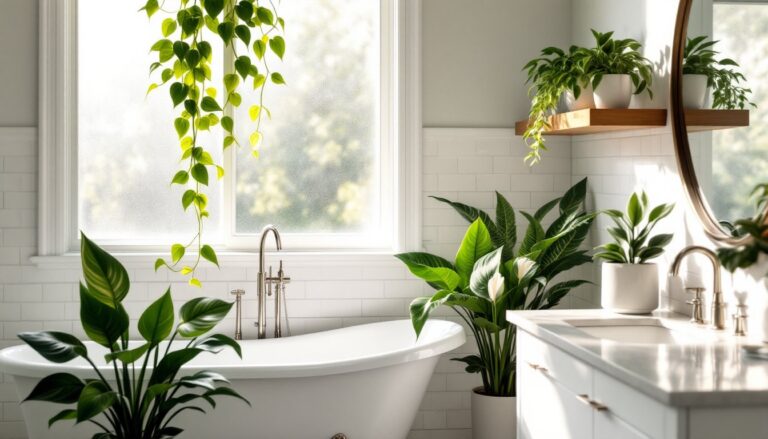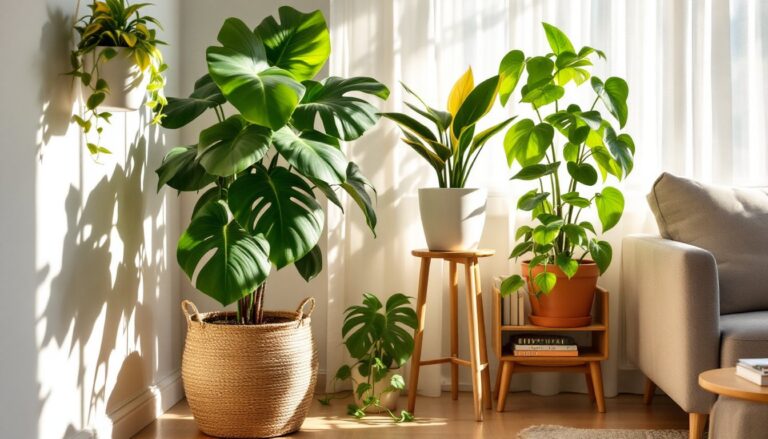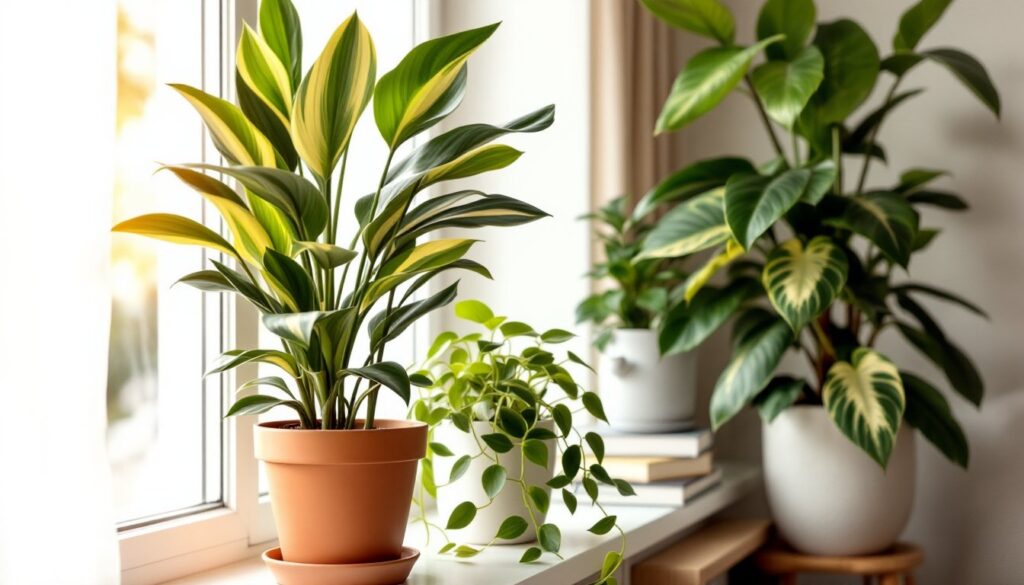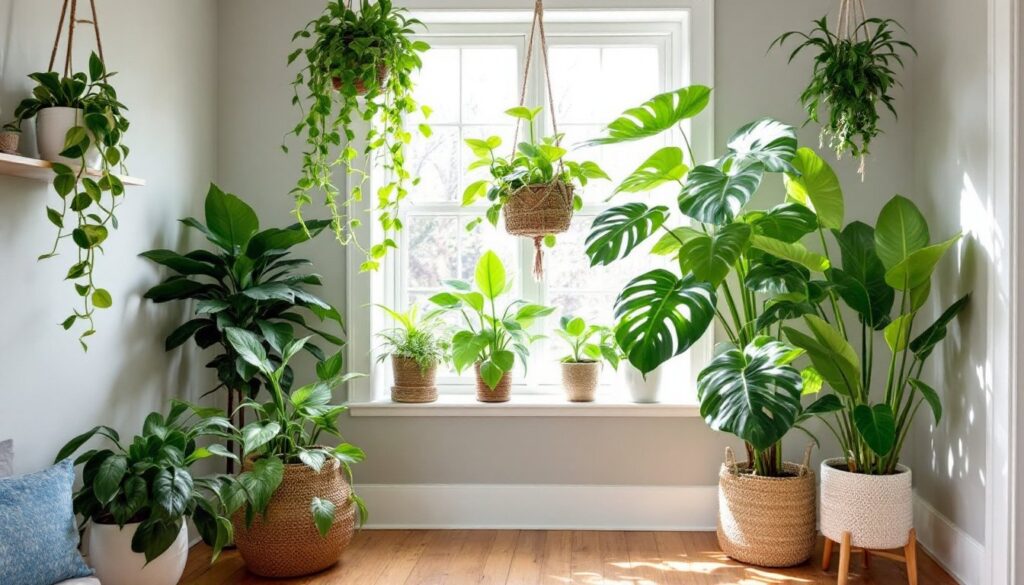

Bringing greenery into a home shouldn’t feel like a high-stakes game of survival. For those who’ve tried to keep a sun-loving plant alive in the shadowy corners of their living room, the struggle is all too real. Luckily, low light house plants are here to save the day, and they’re ready to thrive even in the dimmest of spaces.
These leafy companions not only brighten up your home but also boost your mood and purify the air. Imagine a lush oasis right in your living room, all while you sip your coffee in peace. With a variety of options available for sale, finding the perfect plant that suits your low-light lifestyle has never been easier. So why not embrace your inner plant parent without the fear of plant apocalypse?
Table of Contents
ToggleOverview of Low Light House Plants
Low light house plants thrive in environments with minimal sunlight. Many options exist for those wanting to introduce greenery into dim spaces. These plants not only survive but also flourish indoors, making them ideal for apartments or offices.
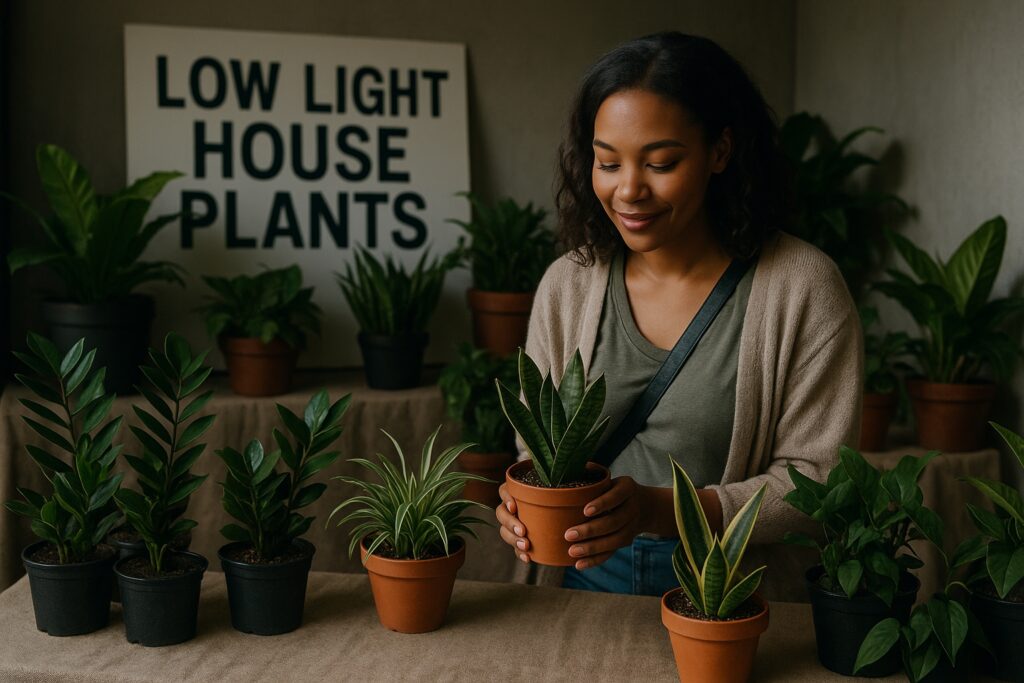
Snake plants adapt easily to low light conditions. With its striking leaves, this plant enhances any room’s aesthetic. Pothos presents another popular choice, known for its hardiness and air-purifying qualities.
ZZ plants tolerate neglect and thrive in various lighting situations. Their glossy leaves add a contemporary touch to home decor. Peace lilies bloom even in low light, producing beautiful white flowers that brighten up shaded areas.
Spider plants are known for growing in a range of conditions while being resilient in low light. They produce small plantlets that can easily be propagated, providing additional greenery.
These low light house plants require minimal care, making them suitable for novice plant owners. Regular watering and occasional fertilization maintain their health. Ultimately, choosing the right low light plant enhances both living spaces and air quality, providing numerous benefits for individuals who love nature without significant sunlight exposure.
Benefits of Low Light House Plants
Low light house plants offer significant advantages for both living and working environments. They enhance air quality and contribute to a visually appealing space.
Air Quality Improvement
These plants effectively filter toxins from the air. Snake plants and peace lilies, for instance, are recognized for their ability to remove formaldehyde and benzene, common indoor pollutants. Improved air quality supports better health and well-being. Some studies indicate that indoor plants can increase humidity levels by releasing moisture vapor, benefiting respiratory health. Additionally, the presence of greenery diminishes stress levels, promoting a calming atmosphere within the home or office.
Aesthetic Appeal
Low light house plants add beauty to any space. Their lush foliage and vibrant colors create a fresh ambiance, even in dim environments. Pothos and ZZ plants serve as excellent decorative elements that complement various interior styles. By incorporating these plants, individuals can achieve a more inviting atmosphere. The diverse shapes and sizes of low light plants allow for dynamic arrangements, making it easy to personalize spaces. Furthermore, these plants require minimal care, ensuring that aesthetics remain effortless and enjoyable.
Popular Low Light House Plants for Sale
Low light house plants make it easy for plant lovers to enjoy greenery in dimly lit areas. Several popular varieties thrive in these conditions, each offering unique benefits.
Snake Plant
Snake plants, also known as Sansevieria, are resilient and adaptable. They tolerate neglect and require minimal watering, making them ideal for busy individuals. This plant features striking, upright leaves that enhance any room’s aesthetic. Native to West Africa, snake plants also purify the air by filtering out harmful toxins. Their low maintenance nature appeals to both beginners and seasoned plant enthusiasts.
ZZ Plant
ZZ plants, or Zamioculcas zamiifolia, showcase glossy, dark green leaves that catch the eye. Highly tolerant of low light, they thrive in various environments, including offices and apartments. This plant also withstands irregular watering, which adds to its appeal. ZZ plants are excellent for improving indoor air quality, making them a great addition for health-conscious individuals. Their unique appearance complements modern decor elements effortlessly.
Pothos
Pothos, recognized for its heart-shaped leaves, is a favorite among houseplant collectors. This trailing vine thrives in low-light settings, allowing it to flourish in corners or hanging planters. Regular pruning encourages bushier growth, enhancing its visual aspect. Pothos plants also purify indoor air by removing toxins, which contributes to a healthier living environment. They’re exceptionally adaptable and are often recommended for novice plant owners.
Spider Plant
Spider plants, known scientifically as Chlorophytum comosum, demonstrate remarkable resilience. Their arching green and white striped leaves create a vibrant display in low-light spaces. Often, they produce small “pups” that can easily propagate, making them fun to cultivate. This plant effectively filters indoor air pollutants, enhancing overall air quality. Spider plants thrive with minimal care while adding a touch of nature to home or office environments.
Care Tips for Low Light House Plants
Caring for low light house plants involves specific practices that ensure they thrive in minimal sunlight. These simple care tips help maintain plant health in dimmer environments.
Watering Practices
Watering low light house plants requires careful attention. Allow the soil to dry partially between waterings to prevent overwatering. Check the top inch of soil; if it feels dry, it’s time to water. Snake plants and ZZ plants tolerate dry conditions well, while pothos prefer slightly moist soil. When watering, use room-temperature water, promoting healthy root absorption. Additionally, during winter, reduce watering frequency as plants enter dormancy.
Soil Requirements
Selecting the right soil significantly influences plant health. A well-draining potting mix supports low light house plants best. Consider using a mix containing peat moss, perlite, and vermiculite for optimal drainage and moisture retention. For snake plants or ZZ plants, a cactus mix suffices. Ensure that the pot has drainage holes to prevent waterlogged roots, which can lead to root rot. Regularly check the soil condition and refresh as necessary.
Fertilization
Fertilization helps enhance growth in low light house plants. During the growing season, apply a balanced liquid fertilizer every four to six weeks. This practice supports healthy foliage development. Opt for an organic option to avoid chemical buildup in the soil. Avoid fertilizing during the winter months, as plants typically slow down their growth. Observing the plant’s response to fertilization assists in tailoring the approach for specific needs.
Where to Buy Low Light House Plants
Finding low light house plants for sale is convenient, with numerous options available both locally and online. Here’s a closer look at where to purchase these essential greenery companions.
Local Nurseries
Local nurseries often provide a wide selection of low light house plants. Many nurseries carry popular choices like snake plants, pothos, and peace lilies, ensuring high-quality specimens. Staff members typically possess valuable knowledge about plant care, offering helpful tips for optimal growth. Visiting local nurseries also allows for firsthand inspection of plant health, enabling customers to pick the best options. Engaging with local plant enthusiasts and attending workshops can further enhance the purchasing experience.
Online Retailers
Online retailers have made acquiring low light house plants simple and accessible. Numerous websites specialize in houseplants, including reputable platforms like Amazon, Etsy, and plant-specific shops. Customers can browse a vast selection from the comfort of home and find plants like ZZ plants and spider plants. Many online stores provide detailed care instructions along with each purchase, ensuring buyers have the necessary information for healthy plant maintenance. Review sections on these sites often offer insight into other customers’ experiences, guiding informed decisions.
Low light house plants offer an ideal solution for anyone looking to enhance their living or working spaces without the hassle of demanding care. With a variety of resilient options available it’s easier than ever to find the perfect plant that thrives in dim conditions. These plants not only beautify spaces but also contribute to better air quality and overall well-being.
Whether opting for a snake plant or a pothos each choice brings unique benefits and a touch of nature to any environment. By selecting the right low light plants and following simple care tips individuals can enjoy the rewards of indoor greenery without the stress of constant maintenance. Embracing low light house plants is a rewarding way to connect with nature even in less illuminated areas.