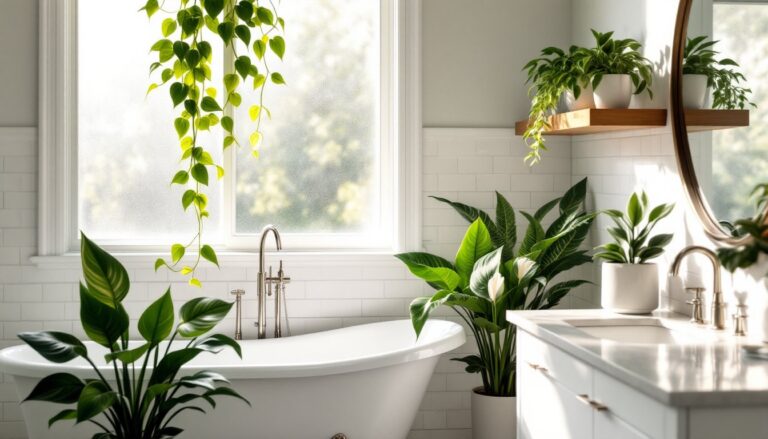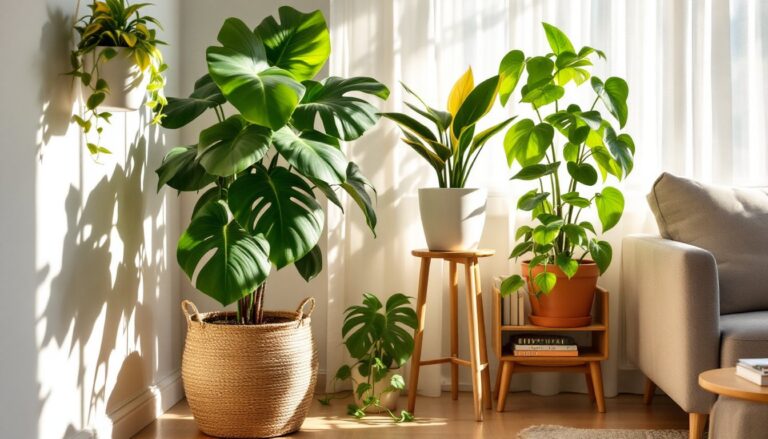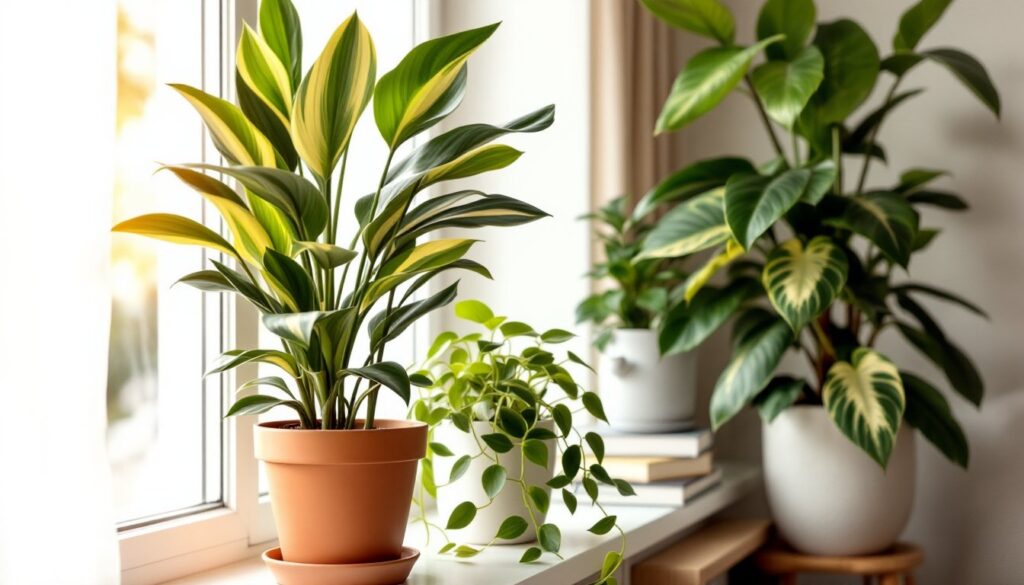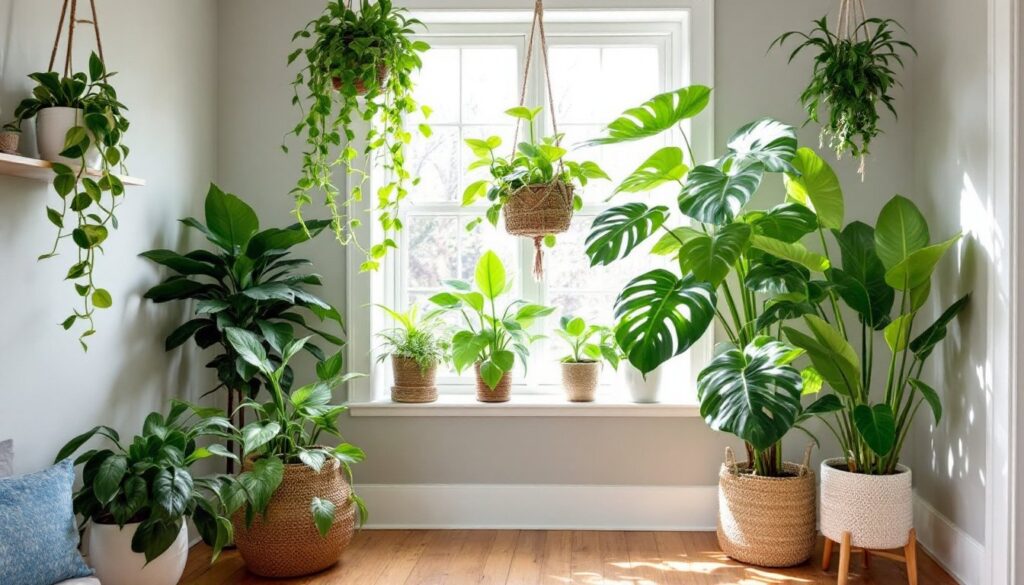

Imagine a world where you can enjoy the beauty of houseplants without the constant worry of sunlight. For those living in cozy, dim corners of the universe—or simply lacking a green thumb—there’s good news. Some plants thrive in the shadows, turning even the gloomiest room into a lush oasis.
Table of Contents
ToggleOverview of House Plants That Need No Light
House plants that need no light serve as ideal solutions for low-light environments. These plants often thrive in dark corners or poorly lit rooms, allowing individuals to enjoy greenery without the need for bright sunlight. Many of these resilient species demonstrate adaptability, making them suitable for a range of indoor conditions.
Several popular house plants require minimal to no light. Snake plants, for instance, can prosper in low-light areas and feature striking leaves. ZZ plants also tolerate darkness well, offering glossy foliage that enhances any indoor space. Pothos plants exhibit similar traits, flourishing even under challenging light conditions.
Consider the peace lily, which not only survives but also produces beautiful white flowers in low light. Meanwhile, cast iron plants embody durability; they can thrive with little attention and adapt to various indoor settings. Additionally, philodendrons showcase ability to grow with minimal light, adding lushness wherever positioned.
While these plants excel in low-light environments, proper care remains essential. Root rot can occur due to over-watering, even for resilient species. Regularly checking moisture levels helps maintain plant health, even in a dim atmosphere.
Selecting house plants that require little or no light enhances indoor ambiance. These selections offer greenery and aesthetic appeal while simplifying plant care. Prioritizing species capable of thriving in low light sets the stage for a vibrant indoor garden.
Benefits of Low-Light House Plants
Low-light house plants offer numerous advantages for indoor environments. These plants not only thrive in dim spaces but also enrich the atmosphere in various ways.
Air Quality Improvement
Air quality benefits from low-light house plants. Many species, like peace lilies and snake plants, actively filter harmful toxins from the air. These plants absorb pollutants such as formaldehyde and benzene, promoting a healthier living space. Increased humidity from transpiration further enhances air quality. This added moisture helps alleviate respiratory issues and dry skin. Regularly incorporating low-light plants into a home can significantly contribute to overall well-being.
Aesthetic Appeal
Aesthetic appeal is another key benefit of low-light house plants. Their greenery brightens up otherwise dull corners, adding life to any room. Varieties like pothos and ZZ plants bring a sense of tranquility, perfect for relaxation areas. Unique shapes and textures of these plants provide visual interest. Arranging them creatively enhances any decor style, from modern to rustic. Homeowners can easily curate a captivating indoor garden that complements their personal taste while improving the ambiance.
Types of House Plants That Need No Light
Low-light house plants thrive in dim environments, making them ideal for spaces with limited sunlight. They enhance indoor aesthetics while simplifying care routines.
Ferns
Ferns, particularly the Boston and Maidenhair varieties, excel in low-light conditions. Their lush foliage adds texture to any room. Moisture lovers, these plants prefer humid environments and require consistent watering. Placing them in bathrooms or kitchens can create a vibrant green space. Generally low-maintenance, ferns tolerate occasional neglect but flourish when attention is given to their watering needs.
Snake Plants
Snake plants, also known as Sansevieria, are renowned for their hardiness. They adapt well to various lighting conditions, including low light. Thick, waxy leaves exhibit a striking vertical growth that adds architectural interest to a room. Infrequent watering aids in prevention of root rot. As air purifiers, snake plants filter toxins, contributing positively to indoor air quality.
ZZ Plants
ZZ plants, or Zamioculcas zamiifolia, thrive in low-light settings. Their glossy, dark green leaves create a sophisticated look. This plant tolerates periods of inactivity, making it perfect for busy individuals. Minimal watering requirements further enhance its appeal, as it withstands neglect. Adaptability to different environments allows ZZ plants to fit seamlessly into various decor styles.
Care Tips for Low-Light House Plants
Caring for low-light house plants involves specific techniques to ensure their health and growth. Proper attention to watering and soil preferences plays a crucial role in their maintenance.
Watering Guidelines
Watering low-light plants requires a keen observation of their moisture levels. Generally, these plants prefer to dry out between waterings. Soil should feel slightly dry to the touch before adding water. Infrequent watering helps prevent root rot, a common issue in low-light species. Over-watering can lead to yellowing leaves and stunted growth. Keeping a routine of checking soil moisture every week promotes healthy plant development. During winter months, reduce watering frequency as many plants enter a dormant phase and need less moisture.
Soil Preferences
Soil choices significantly impact the health of low-light house plants. A well-draining potting mix works best for these species, allowing excess water to escape while retaining necessary moisture. Ingredients like peat moss, perlite, and coconut coir create a balanced environment. Low-light plants typically thrive in slightly acidic to neutral pH levels, ideally between 6.0 and 7.0. Consider repotting every 1-2 years to refresh the soil and provide additional nutrients. Proper soil mixes can enhance growth while minimizing the risk of root problems.
Houseplants that thrive in low light offer an excellent solution for those seeking greenery in less-than-ideal conditions. By choosing resilient species like snake plants, ZZ plants, and pothos, anyone can create a vibrant indoor environment without the need for abundant sunlight. These plants not only enhance aesthetics but also contribute to improved air quality and humidity levels.
With simple care tips in mind, such as monitoring soil moisture and using well-draining potting mixes, maintaining these low-light houseplants becomes a hassle-free endeavor. Embracing these green companions can transform any dimly lit space into a soothing and inviting oasis.