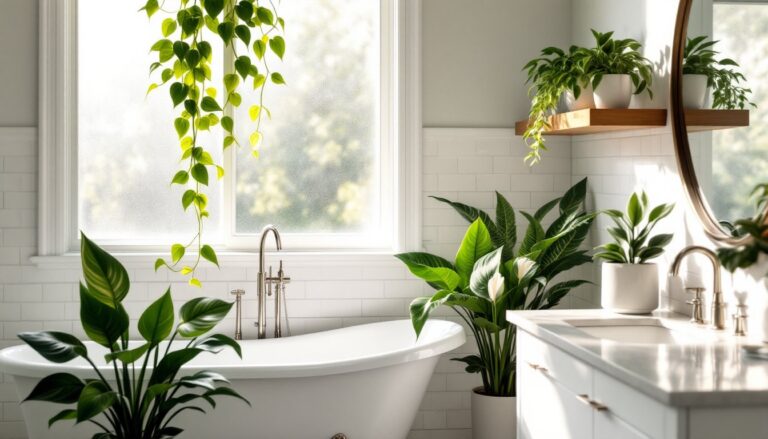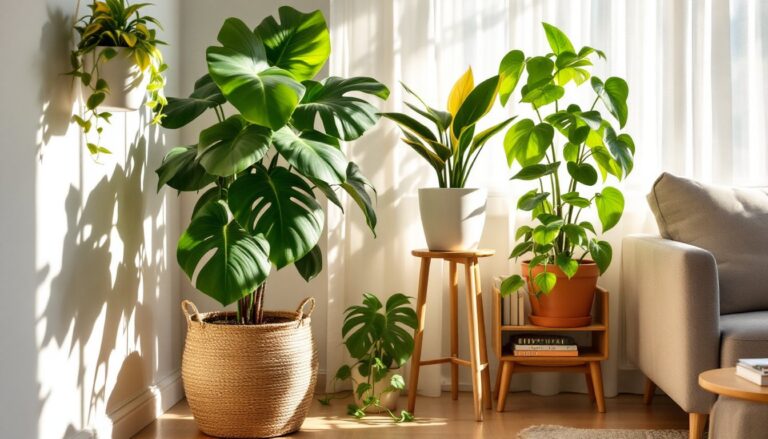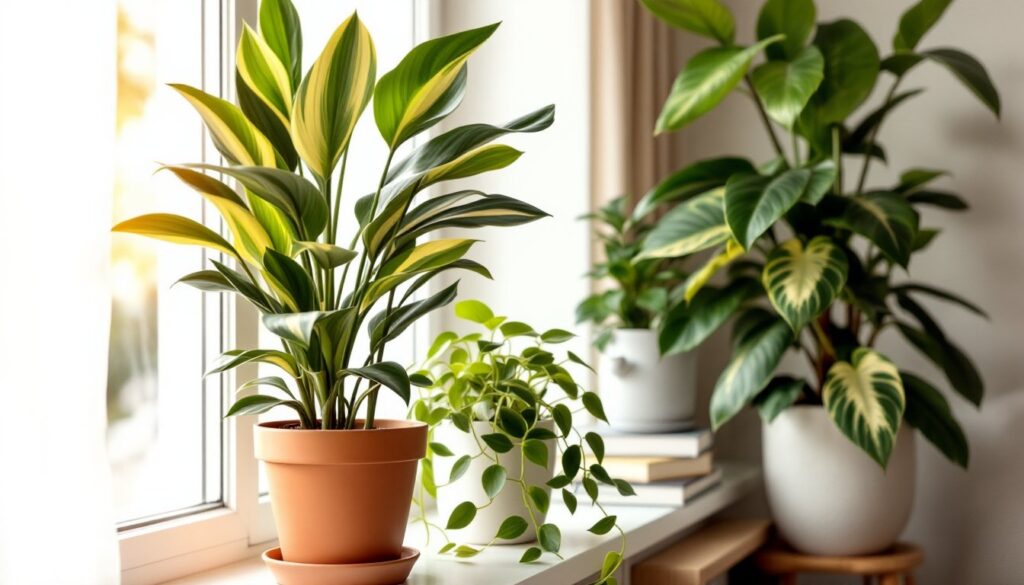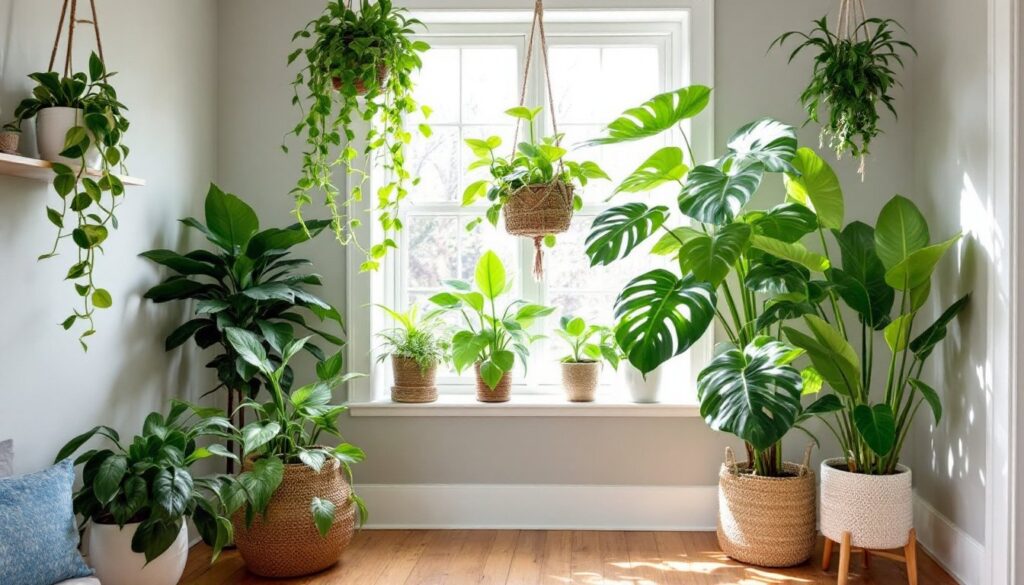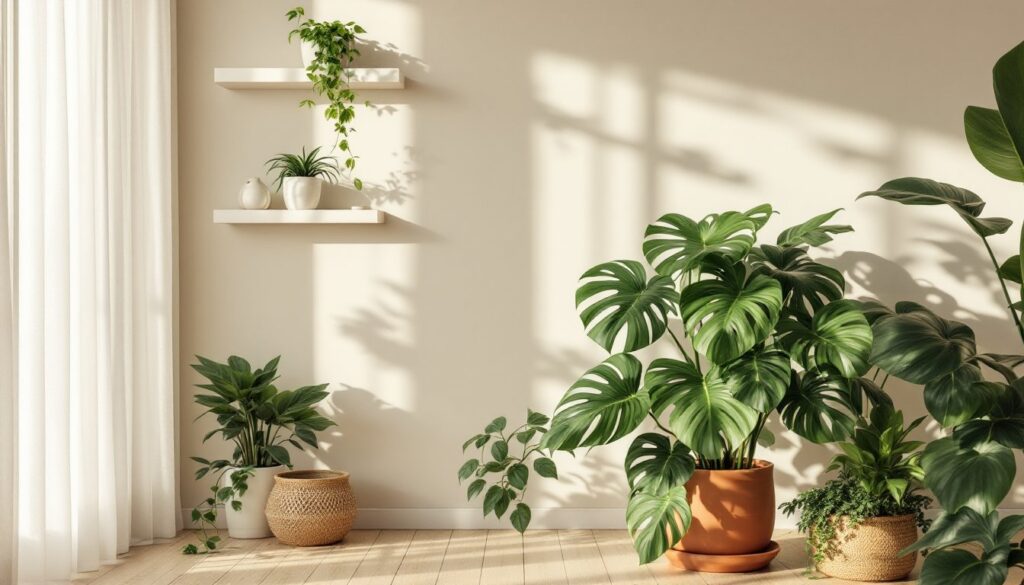

Choosing the right indoor plants doesn’t require a botany degree or a greenhouse. What matters is matching the plant to the space and understanding its basic care requirements. The best indoor plants adapt to typical home conditions, moderate humidity, fluctuating temperatures, and less-than-perfect light. Some tolerate neglect better than others, while certain varieties actively filter air or add dramatic visual interest without demanding constant attention. Whether the goal is cleaner air, a splash of green in a dim corner, or a statement piece for the living room, the following picks deliver results without the fuss.
Table of Contents
ToggleKey Takeaways
- The best indoor plants match your home’s actual light conditions, humidity, and temperature rather than aspirational care routines.
- Popular low-light indoor plants like snake plant, pothos, and spider plant are nearly indestructible and ideal for beginners who forget to water.
- Indoor plants improve air quality by removing formaldehyde and other volatile organic compounds, though multiple plants are needed for measurable benefits.
- Statement plants like fiddle leaf fig and monstera deliciosa anchor a room as focal points but require consistent light and careful watering.
- Pet-safe indoor plants including parlor palm, Boston fern, and peperomia deliver visual interest without the toxicity risks of popular varieties like pothos.
- Success with indoor plants depends on using containers with drainage holes, assessing actual light levels before purchasing, and adjusting watering frequency based on pot material.
Why Indoor Plants Are Essential for Your Home
Indoor plants do more than fill empty corners. They improve air quality by absorbing carbon dioxide and releasing oxygen, and certain species remove trace amounts of volatile organic compounds (VOCs) like formaldehyde and benzene from the air. NASA’s Clean Air Study identified several common houseplants capable of reducing indoor pollutants, though it’s worth noting that the effect is modest unless you’re working with a significant number of plants.
Beyond air filtration, plants regulate humidity. Through transpiration, they release moisture into the air, which can help offset the dryness caused by heating systems in winter. For homeowners dealing with low humidity, especially in climates with harsh winters, this can make a noticeable difference in comfort.
There’s also the psychological angle. Studies show that indoor greenery reduces stress and improves focus. It’s not magic: it’s biophilia, the human tendency to seek connections with nature. A well-placed plant in a home office or bedroom creates a calmer environment without the need for costly renovations or decor overhauls.
Top Low-Light Indoor Plants for Beginners
Low-light plants are the workhorses of indoor gardening. They tolerate north-facing windows, interior rooms, and the dim corners where most species would sulk and drop leaves. These aren’t high-drama plants, they’re reliable, forgiving, and ideal for anyone testing their green thumb.
Snake Plant (Sansevieria)
Snake plant (also called mother-in-law’s tongue) is nearly indestructible. Its upright, sword-like leaves grow 1 to 4 feet tall depending on the variety, and it thrives on neglect. Water it every 2 to 3 weeks during the growing season, less in winter. Overwatering is the only real threat: root rot sets in quickly if the soil stays soggy.
Sansevieria tolerates low light but grows faster in bright, indirect light. It’s also one of the few plants that releases oxygen at night, making it a solid choice for bedrooms. The architectural form works well in modern or minimalist spaces, and it doesn’t require fertilizer more than once or twice a year.
For homeowners who forget to water, easy houseplants like snake plants are the safest bet. They handle a wide range of conditions without complaint.
Pothos (Epipremnum Aureum)
Pothos is a vining plant with heart-shaped leaves, often variegated in shades of green, yellow, or white. It’s fast-growing, adaptable, and will cascade from a hanging basket or climb a moss pole if given support. Pothos tolerates low light but loses some of its variegation in deep shade, bright, indirect light keeps the color vibrant.
Water when the top inch of soil feels dry. Pothos is forgiving if you forget a watering or two, but it will let you know by wilting slightly. Trim it back regularly to encourage bushier growth and prevent it from getting leggy. Cuttings root easily in water, so propagation is simple.
One caution: pothos contains calcium oxalate crystals, which are toxic to cats and dogs if ingested. Keep it out of reach if pets are in the home. For more options on houseplants that thrive in dim corners, there are several alternatives worth exploring.
Best Air-Purifying Plants for Healthier Living Spaces
Air-purifying plants filter out common indoor pollutants, though they’re not a replacement for proper ventilation or air filtration systems. These species offer measurable benefits when used in multiples, especially in tightly sealed homes.
Spider plant (Chlorophytum comosum) is a proven air cleaner, removing formaldehyde and xylene. It’s also one of the easiest plants to grow, producing offsets (“spiderettes”) that can be potted up for new plants. Spider plants prefer bright, indirect light but tolerate lower levels. Water when the soil dries out, and expect fast growth.
Peace lily (Spathiphyllum) is another NASA-approved air purifier. It handles low light and blooms periodically with white spathes that add visual interest. Peace lilies are sensitive to overwatering and prefer consistent moisture without waterlogged soil. They’ll droop dramatically when thirsty, then perk up within hours of watering, handy for visual learners.
Dracaena species (including marginata, fragrans, and compacta) are tall, structural plants that remove benzene, trichloroethylene, and formaldehyde. They grow slowly and can reach 6 to 10 feet indoors, making them ideal for filling vertical space. Dracaenas prefer indirect light and infrequent watering. Fluoride and chlorine in tap water can cause brown leaf tips, so use filtered or distilled water if possible.
For those looking for additional low-light houseplants that also purify air, several species overlap in function and adaptability.
Stunning Statement Plants for Home Decor
Statement plants anchor a room. They’re large, sculptural, or visually striking enough to serve as focal points without additional decor.
Fiddle leaf fig (Ficus lyrata) is the go-to for modern interiors. Its large, violin-shaped leaves and upright growth habit make it a favorite among interior designers. It needs bright, indirect light and consistent watering, let the top 1 to 2 inches of soil dry between waterings. Fiddle leaf figs are sensitive to drafts, overwatering, and sudden changes in light, so place them carefully and resist the urge to move them around.
Monstera deliciosa (Swiss cheese plant) is a tropical vine with dramatic, split leaves that can span 2 feet or more. It’s more forgiving than the fiddle leaf fig and tolerates a range of light conditions, though it thrives in bright, indirect light. Provide a moss pole or trellis for support as it matures. Monstera grows quickly and benefits from regular fertilizing during the growing season.
Bird of paradise (Strelitzia reginae) brings a tropical vibe with its paddle-shaped leaves and eventual orange-and-blue flowers (though blooming indoors is rare). It prefers bright light and can handle some direct sun. Water thoroughly when the top 2 inches of soil dry out, and expect slow but steady growth. This plant gets large, plan for 5 to 6 feet of height.
For those interested in more unusual specimens, indoor bonsai offers a miniature alternative with equally striking visual impact.
Pet-Friendly Indoor Plants That Are Safe and Beautiful
Many popular houseplants are toxic to cats and dogs, so pet owners need to choose carefully. Fortunately, there are several non-toxic options that don’t sacrifice aesthetics or ease of care.
Parlor palm (Chamaedorea elegans) is a compact palm that grows 2 to 4 feet tall and tolerates low light. It’s safe for pets and adds a soft, tropical feel to any room. Water when the top inch of soil dries, and mist occasionally to increase humidity.
Boston fern (Nephrolepis exaltata) is a classic choice for hanging baskets. It’s non-toxic and thrives in high humidity, making it ideal for bathrooms. Boston ferns prefer consistent moisture and bright, indirect light. They’ll drop leaves if the air is too dry, so expect some maintenance.
Calathea species (including orbifolia, medallion, and rattlesnake plant) are safe for pets and prized for their patterned foliage. They prefer low to medium light and high humidity. Water when the top layer of soil dries, and use distilled or filtered water to avoid brown leaf edges. Calatheas are more finicky than some other options, but the visual payoff is worth it.
Peperomia varieties are compact, low-maintenance, and pet-safe. They tolerate a range of light conditions and prefer to dry out slightly between waterings. Peperomia come in dozens of forms, some with thick, succulent-like leaves, others with rippled or variegated foliage.
For additional guidance on pest-resistant varieties that are also safer around animals, there are several overlapping options.
According to The Spruce, matching plant care requirements to the home’s actual conditions, not wishful thinking, is the most reliable path to success. And for homeowners exploring forgetful-waterer-friendly species, the plants listed here are a strong starting point.
Final Considerations
Before bringing any plant home, assess the light levels in the intended location. Use a light meter or observe how shadows fall throughout the day. Most indoor plant failures stem from mismatched light conditions, not lack of skill.
Pot selection matters. Use containers with drainage holes to prevent root rot. Terracotta pots dry out faster than plastic or ceramic, so adjust watering frequency accordingly. And remember that most houseplants are tropical or subtropical in origin, they prefer temps between 65°F and 75°F and don’t tolerate cold drafts or heat vents.
For anyone experimenting with alternative growing methods, hydroponic houseplants offer a soil-free option that eliminates some of the guesswork around watering and drainage. The upfront setup is more involved, but the long-term care can be simpler.
The best indoor plants are the ones that fit the space, the schedule, and the home’s environment. Choose based on actual conditions, not aspirations, and the plants will do the rest.