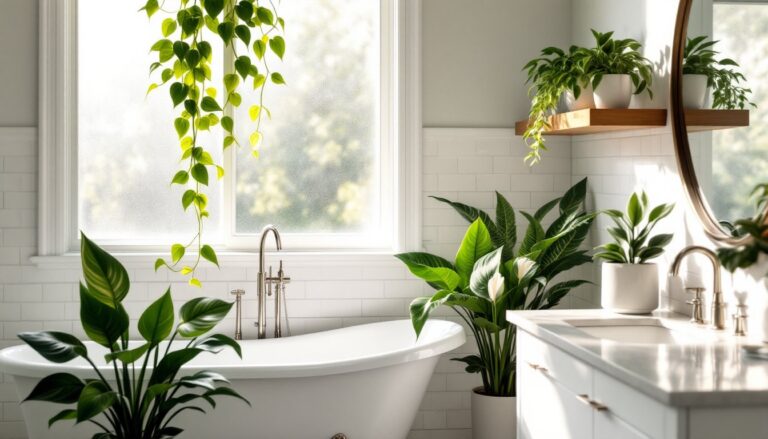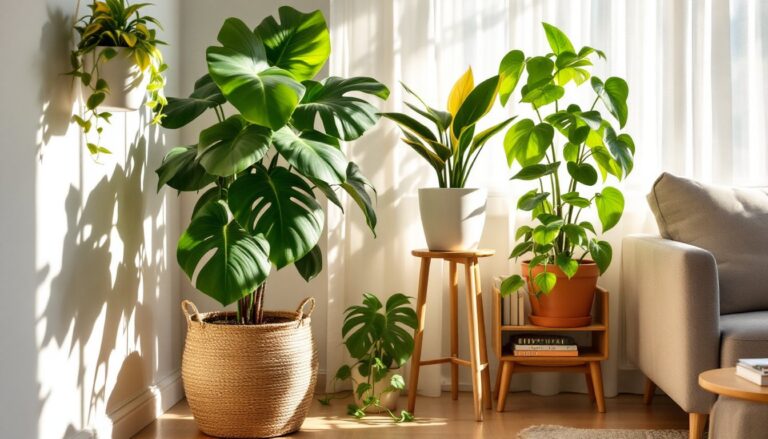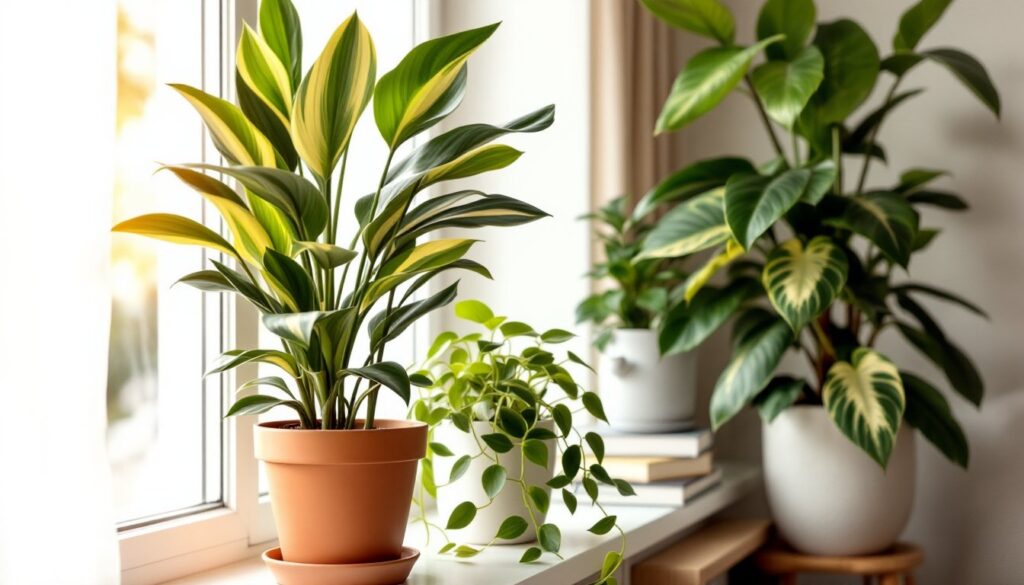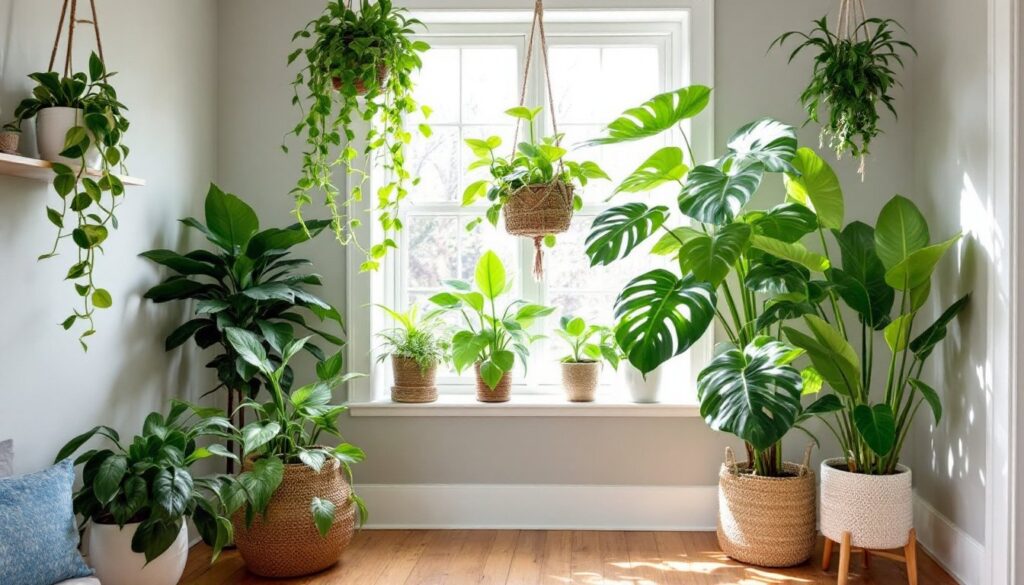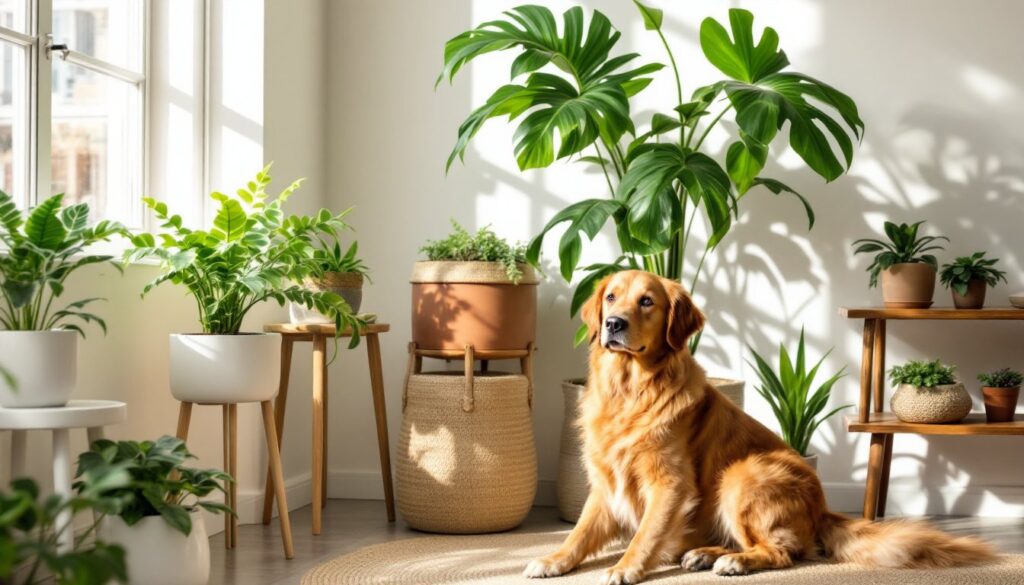

Bringing plants indoors shouldn’t mean choosing between greenery and a dog’s safety. Every year, pet poison control centers field thousands of calls about dogs nibbling on houseplants, many of which cause anything from mild stomach upset to serious toxicity. The good news? There’s no shortage of non toxic house plants for dogs that look great and won’t send you scrambling to the vet if your pup gets curious. Whether it’s a low-maintenance succulent for a sunny windowsill or a statement palm for a dim corner, dog friendly house plants exist for every skill level and room in the house. This guide covers which indoor plants are safe for dogs, which common varieties to avoid, and how to set up a genuinely pet-friendly indoor garden without sacrificing style or plant health.
Table of Contents
ToggleKey Takeaways
- Thousands of dogs are poisoned annually by common houseplants like pothos, philodendron, and snake plant, making dog safe house plants a critical choice for pet-owning households.
- Non-toxic alternatives such as spider plants, Boston ferns, parlor palms, and areca palms provide visual appeal and safety without sacrificing style or plant health.
- Dog-friendly plants should be matched to your home’s actual light conditions and watering habits to ensure both pet and plant thrive together.
- Placement, pot weight, and soil barriers are essential strategies to prevent curious dogs from damaging plants or ingesting soil additives like cocoa mulch or bone meal.
- Always cross-reference any new indoor plant against the ASPCA’s searchable database before bringing it home to confirm it’s safe for dogs.
Why Choosing Dog Safe House Plants Matters
Dogs explore the world with their mouths. A dangling leaf or freshly watered soil is fair game for chewing, especially for puppies or bored adults. The problem is that many popular houseplants contain compounds, oxalates, saponins, glycosides, that irritate or poison dogs when ingested.
Symptoms range widely depending on the plant and amount consumed. Mild cases involve drooling, vomiting, or diarrhea. More serious exposures can cause tremors, difficulty breathing, kidney damage, or cardiac issues. Even “mildly toxic” plants can mean a costly emergency vet visit and days of discomfort for the dog.
Selecting dog friendly plants indoor from the start eliminates that risk. It’s not about bubble-wrapping the house, it’s about making intentional choices so a curious nibble doesn’t turn into a crisis. If the household already has plants, cross-reference them against ASPCA or pet poison databases before assuming they’re safe. Many gardeners are surprised to learn that trendy varieties like pothos, philodendron, and snake plant all pose risks to pets.
Top Dog Safe House Plants for Every Room
Easy-Care Options for Beginner Plant Parents
Spider Plant (Chlorophytum comosum) tolerates neglect, low light, and irregular watering. Its arching leaves and trailing plantlets add visual interest without demanding daily attention. Safe for dogs and forgiving of amateur mistakes.
Boston Fern (Nephrolepis exaltata) thrives in humidity and indirect light, making it ideal for bathrooms or kitchens. It requires consistent moisture, let the top half-inch of soil dry between waterings, but won’t harm a dog that brushes past or samples a frond. According to pet-safe houseplant guides, Boston ferns rank among the most popular non-toxic options for households with animals.
Parlor Palm (Chamaedorea elegans) handles low to medium light and stays compact (2–4 feet tall indoors). Water when the top inch of soil feels dry. It’s one of the few true palms safe for dogs and adds a tropical accent to dim corners or entryways.
African Violet (Saintpaulia) blooms year-round under moderate light and stays small enough for shelves or side tables. Use room-temperature water and avoid wetting the leaves to prevent spotting. Completely safe if a dog decides to investigate.
Peperomia varieties (Watermelon, Baby Rubber Plant, Ripple) are compact, slow-growing, and nearly indestructible. They prefer bright indirect light but tolerate lower conditions. Water sparingly, overwatering causes root rot faster than underwatering kills the plant.
Statement Plants That Are Safe for Dogs
Areca Palm (Dypsis lutescens) can reach 6–7 feet indoors and fills vertical space with feathery fronds. It prefers bright indirect light and consistent watering (keep soil lightly moist). The ASPCA confirms it as non-toxic to dogs, making it a go-to for large, airy rooms.
Calathea (Prayer Plant, Rattlesnake Plant, Zebra Plant) offers bold foliage patterns, stripes, spots, or deep purples, and remains safe for curious pets. These plants close their leaves at night and prefer high humidity, indirect light, and filtered water (tap water’s minerals cause leaf browning). They’re fussier than palms but worth the effort for the visual payoff.
Ponytail Palm (Beaucarnea recurvata) isn’t a true palm but a succulent with a swollen trunk base that stores water. It tolerates drought, bright light, and benign neglect, growing slowly to 3–6 feet indoors. Safe for dogs and nearly impossible to kill through underwatering.
Bird’s Nest Fern (Asplenium nidus) has broad, wavy fronds that emerge from a central rosette. It thrives in medium to low light and high humidity, making it suitable for bathrooms or north-facing rooms. The fronds are non-toxic, though their texture usually deters chewing.
Majesty Palm (Ravenea rivularis) is another dog-safe option for filling corners, though it demands more care: bright indirect light, high humidity, and consistently moist (not soggy) soil. It’s prone to spider mites in dry indoor air, so mist regularly or use a humidifier.
Common House Plants That Are Toxic to Dogs
Awareness prevents accidents. The following plants are widely available and frequently found in homes, but all pose documented risks to dogs.
Pothos (Epipremnum aureum) and Philodendron contain calcium oxalate crystals that cause oral irritation, drooling, vomiting, and difficulty swallowing. Both are trailing vines popular for hanging baskets, exactly the kind of setup that invites a dog to investigate.
Snake Plant (Sansevieria trifasciata) and ZZ Plant (Zamioculcas zamiifolia) contain saponins, which cause nausea, vomiting, and diarrhea. Neither is usually life-threatening, but symptoms are unpleasant and warrant a vet call.
Dieffenbachia (Dumb Cane) causes intense mouth pain and swelling due to oxalates. Severe cases can obstruct airways. Keep this one out of reach, or better, out of the house if there’s a dog.
Sago Palm (Cycas revoluta) is one of the most dangerous. All parts, especially seeds, contain cycasin, a toxin that causes liver failure. Ingestion is a veterinary emergency.
Peace Lily (Spathiphyllum) and Monstera also contain calcium oxalates. While not typically fatal, they cause enough discomfort to make them poor choices for pet households.
For a comprehensive rundown of plants toxic to dogs, cross-reference any new purchase with the ASPCA’s searchable database or consult a vet before bringing it home.
How to Create a Dog-Friendly Indoor Garden
Start by auditing existing plants. Remove or relocate anything on the toxic list. If a plant is too valuable to discard, move it to a room the dog doesn’t access, an office with a closed door, a high shelf in a mudroom, or a sunroom with a baby gate.
Next, choose indoor pet safe plants based on available light and the household’s watering habits. Match plant needs to actual conditions, not aspirations. A low-light hallway won’t support a sun-loving succulent, and a forgetful waterer shouldn’t attempt a moisture-loving fern.
Placement matters. Even non-toxic plants can cause mess or mild stomach upset if a dog eats a large quantity. Elevate smaller plants on shelves, plant stands, or wall-mounted brackets. Use heavy ceramic or terracotta pots to prevent tipping if a dog brushes past or investigates.
For floor plants, position them in corners or behind furniture where they’re less likely to be bumped during play. Anchor tall plants like large palms with wide, stable bases. If a dog is a determined digger, cover soil with decorative stones or a mesh barrier to discourage digging.
Mulch and fertilizer safety: Avoid cocoa mulch (contains theobromine, the same toxin in chocolate) and bone meal (attractive to dogs but causes digestive blockages). Use organic, pet-safe fertilizers and apply them sparingly. Granular fertilizers should be watered in immediately: keep dogs away until the soil surface dries.
Training and deterrents: Teach “leave it” and reward the dog for ignoring plants. Bitter apple spray on leaves can deter chewing, though it wears off and requires reapplication. Redirect chewing behavior to appropriate toys or chews.
Watering logistics: Excess water in saucers attracts dogs looking for a drink. Empty saucers after watering or use self-watering pots with hidden reservoirs. If the dog is prone to knocking over pots, consider cachepots (decorative outer containers) that add weight and stability.
Lighting: Many indoor plants that are safe for dogs also tolerate low light conditions, which is convenient for homes without south-facing windows. Spider plants, ferns, and pothos alternatives like peperomia all adapt to dimmer spaces.
Rotate and refresh: Swap out plants seasonally or when they outgrow their space. A well-maintained plant is less likely to drop leaves or attract pests that might tempt a curious dog.
Conclusion
Creating a dog-friendly indoor garden isn’t about settling for boring greenery. From easy-care spider plants to dramatic palms, there’s no shortage of dog friendly plants indoor that bring life to a space without risking a pet’s health. Start by removing toxic varieties, choose plants suited to actual light and care habits, and use thoughtful placement to keep both plants and dogs thriving. The result is a home that’s greener, safer, and a whole lot less stressful when the dog decides to explore.