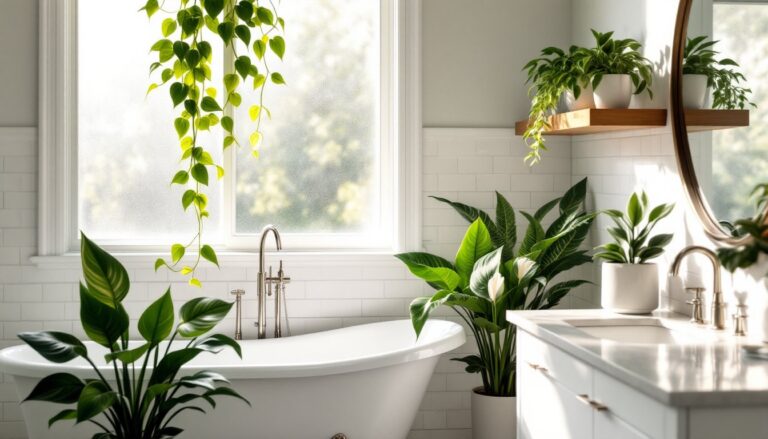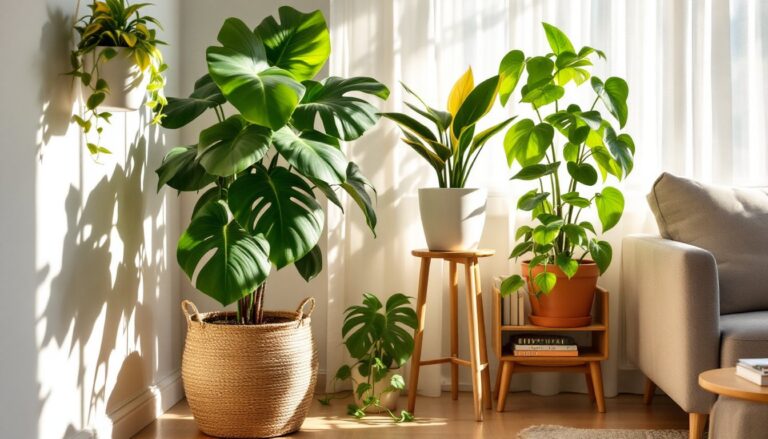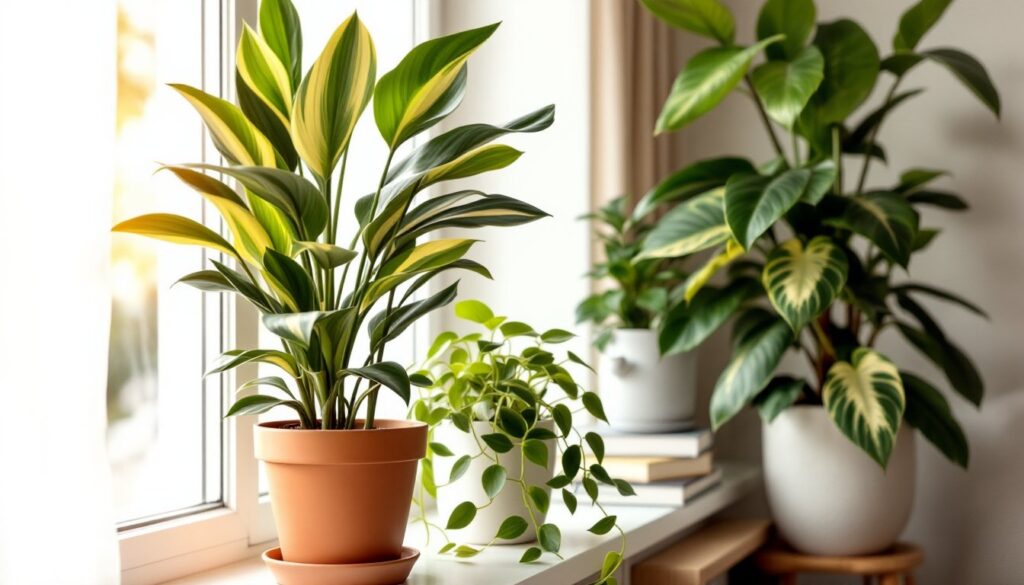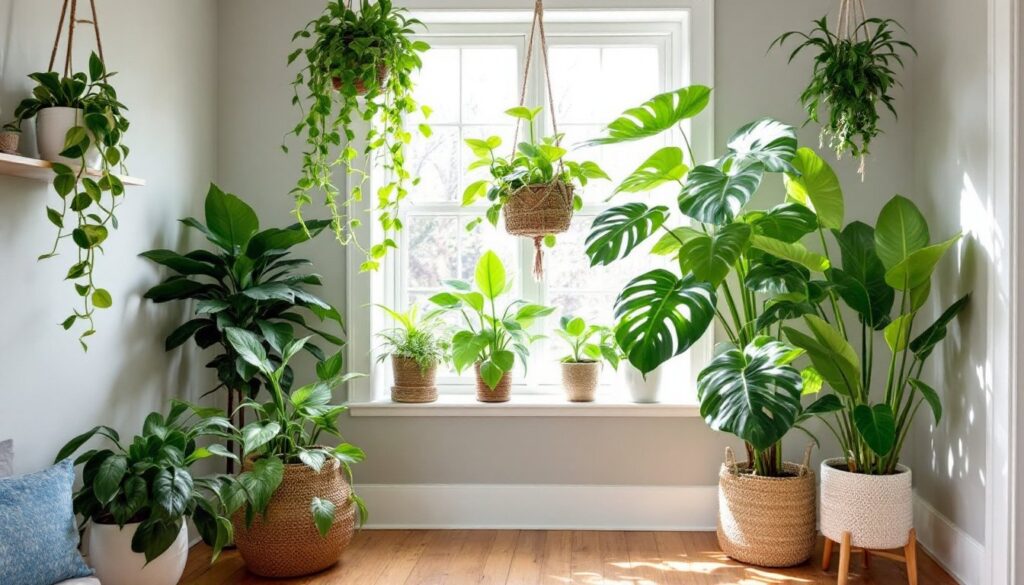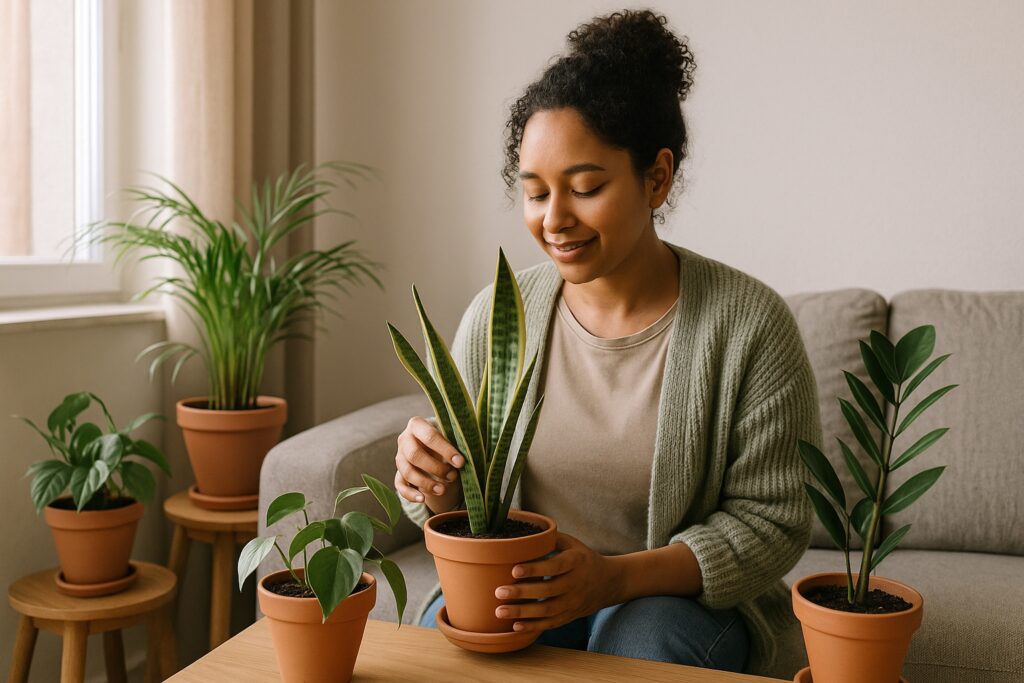

Imagine a lush green oasis right in your living room, all without the need for a sun-soaked window. For those who think their thumbs are more brown than green, house plants that thrive in low light are the perfect solution. These resilient beauties don’t just survive; they flourish in the shadows while adding a splash of life to any corner of your home.
Table of Contents
ToggleUnderstanding House Plants That Don’t Need A Lot Of Light
House plants that thrive in low light offer an excellent solution for individuals with dimly lit environments. Many of these plants adapt remarkably well to reduced sunlight, making them ideal companions in homes or offices. Varieties such as snake plants, pothos, and ZZ plants require minimal light yet continue to grow and flourish.
Low-light plants typically have broad leaves or dark pigments, which help them capture available light effectively. They often store water in their leaves, allowing them to endure periods without regular watering. For example, snake plants can tolerate neglect while maintaining their vibrant, upright appearance.
Additionally, these resilient plants contribute to indoor air quality by filtering harmful toxins. Research shows that plants like peace lilies and spider plants not only thrive in low light but enhance overall well-being. They also introduce a calming presence into living spaces, providing a touch of nature.
Understanding the specific needs of these plants aids in their successful care. They prefer indirect sunlight, making windows with sheer curtains suitable. Overwatering is a common mistake; ensuring the soil dries out between watering sessions benefits many low-light species.
Incorporating a variety of these plants into different rooms creates a lively atmosphere. The versatility of these species allows for creative arrangements, adding interest without overwhelming the space. Overall, house plants that don’t need a lot of light serve both aesthetic and practical purposes, enriching indoor environments effortlessly.
Benefits Of Low-Light House Plants
Low-light house plants offer several advantages, making them ideal for many indoor settings. These plants thrive in less sunlight, ensuring that anyone can enjoy their presence regardless of their lighting situation.
Improved Indoor Air Quality
Improved indoor air quality ranks among the primary benefits of low-light house plants. They actively filter toxins such as formaldehyde, benzene, and trichloroethylene from the air. Research by NASA highlights that certain house plants can remove up to 87% of indoor air pollutants within 24 hours. Breathing cleaner air promotes better health and well-being. Moreover, the presence of greenery contributes to overall mood and cognitive function, creating a refreshing indoor atmosphere.
Aesthetic Appeal
Aesthetic appeal significantly enhances the environment provided by low-light house plants. Their lush foliage adds a vibrant touch to any room, complementing various interior design styles. Options like pothos and snake plants offer striking colors and shapes, making them versatile choices for decorating. By distributing these plants throughout the home, one can create focal points that draw the eye and enhance the overall decor. Even in limited light, the beauty of these plants shines, transforming dull spaces into lively retreats.
Popular House Plants That Don’t Need A Lot Of Light
Many house plants thrive in low-light conditions, allowing individuals to enjoy greenery without worrying about bright sunlight. Here are some popular choices:
Snake Plant
Snake plants, known scientifically as Sansevieria, excel in low-light environments. Leaves grow upright, making them an ideal choice for tight spaces. They only require watering every few weeks, making maintenance simple. This plant filters toxins like formaldehyde and benzene from indoor air, enhancing living spaces significantly. Furthermore, snake plants can tolerate various temperatures, adding to their appeal.
Pothos
Pothos, or Epipremnum aureum, adapts well to low-light settings, growing long, trailing vines that beautify any space. These plants only need occasional watering, thriving on neglect. Their heart-shaped leaves, which feature striking variegation, enliven interiors instantly. With their air-purifying qualities, pothos help eliminate harmful pollutants, contributing to a healthier atmosphere. Versatility in potting, from hanging baskets to shelves, enhances their decorative potential.
ZZ Plant
ZZ plants, or Zamioculcas zamiifolia, are exceptionally resilient, thriving even in dim corners of homes. Dark green, glossy leaves store water efficiently, minimizing the need for frequent watering. Despite limited light exposure, they manage to grow steadily. ZZ plants are also known for their air-purifying ability, helping maintain clean indoor air. Their low-maintenance nature makes them perfect for beginners and busy individuals alike.
Spider Plant
Spider plants, scientifically known as Chlorophytum comosum, bring lively charm to spaces with their arching green leaves. They flourish in indirect sunlight, making them suitable for darker rooms. Regular watering keeps the soil slightly moist, though they tolerate short periods of drought. Spider plants produce small “baby” offshoots, offering extra plants without much effort. Known for their air quality benefits, these plants effectively filter indoor pollutants, creating a fresher environment.
Tips For Caring For Low-Light House Plants
Caring for low-light house plants involves understanding their specific needs. Successful maintenance ensures these plants thrive without bright light.
Watering
Water low-light plants infrequently to prevent root rot. Check the moisture level by inserting a finger into the soil; if it feels dry, it’s time to water. Most low-light species like snake plants and pothos prefer drier conditions. Water until it drains from the bottom of the pot, but avoid allowing the plant to sit in water. Adjust frequency according to seasonal changes; plants may require less water during winter months. Recognizing signs of overwatering or underwatering is crucial for their health.
Soil Considerations
Select well-draining soil to promote healthy root growth. A mix designed for house plants works well, as it retains moisture without becoming waterlogged. Consider adding perlite or sand for better drainage. Low-light plants thrive in nutrient-rich soil but typically don’t need frequent fertilization. Fertilizing every few months during the growing season supports vitality without overwhelming the plants. Emphasizing proper soil choices fosters a thriving environment for plants like ZZ and spider plants.
Low-light house plants offer an excellent solution for anyone looking to brighten their space without the hassle of direct sunlight. These resilient plants not only thrive in dim conditions but also enhance the overall ambiance of a home. With their air-purifying qualities and unique aesthetics, they create a healthier living environment while requiring minimal care.
By choosing the right low-light plants and following simple care tips, anyone can enjoy a lush indoor garden. Incorporating these plants into various rooms can transform dull areas into vibrant retreats. With the right selection and care, low-light house plants can truly elevate both mood and home decor.