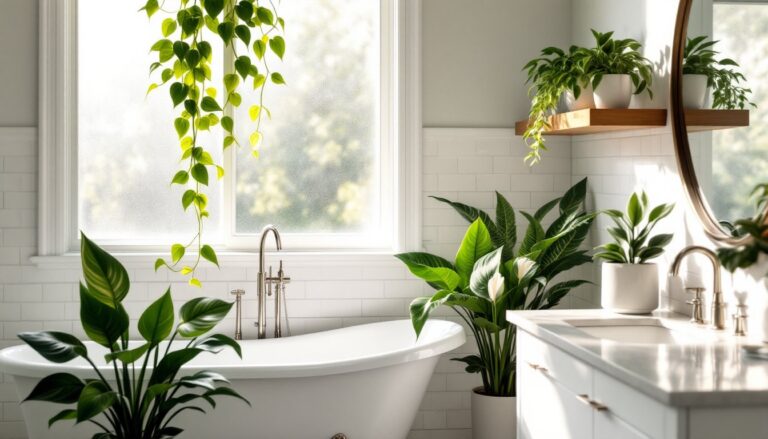
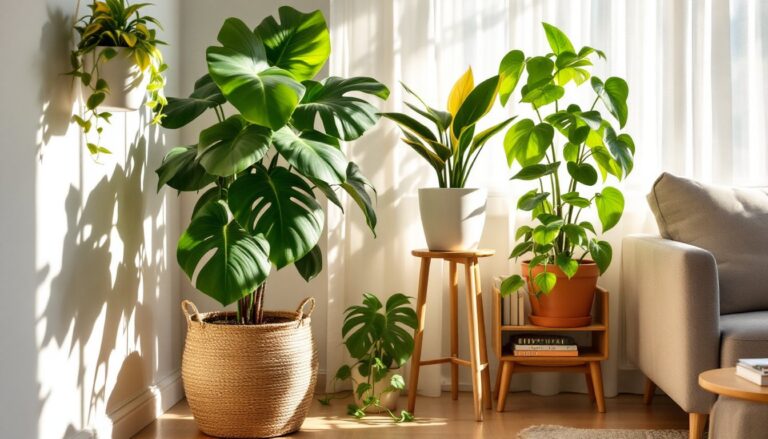
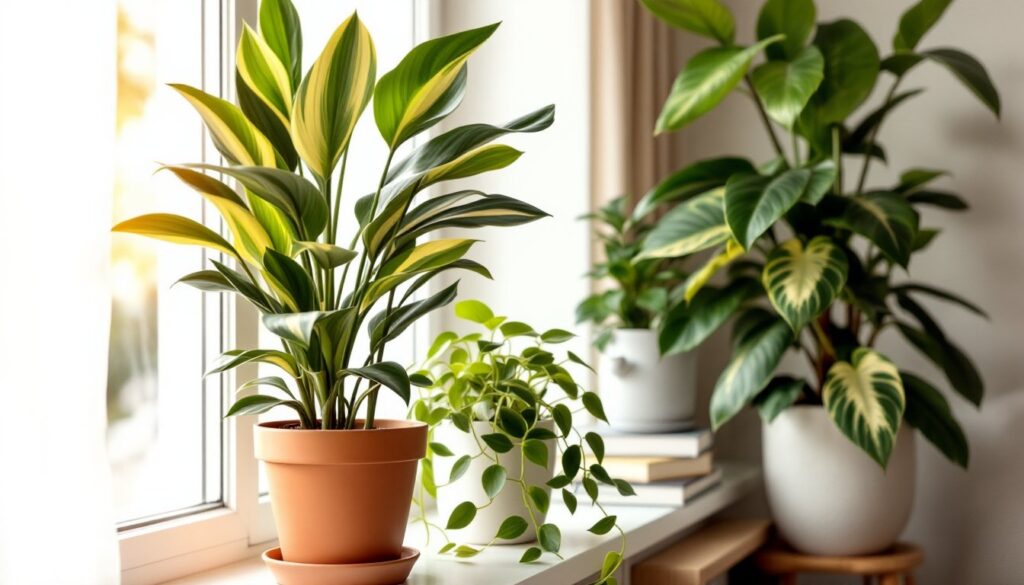
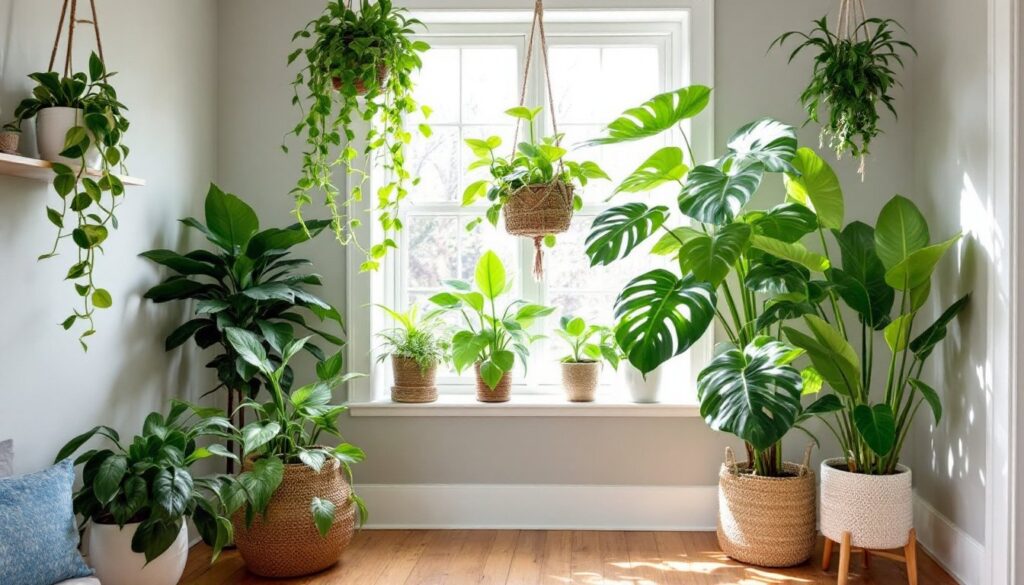
Imagine transforming your home into a lush oasis without needing a degree in botany or a sun-drenched windowsill. Tall house plants that thrive in low light are the secret weapon for anyone looking to add a touch of greenery to their space without the hassle of constant sunlight. These leafy giants not only elevate your decor but also boost your mood—because who wouldn’t feel happier surrounded by nature’s best?
Table of Contents
ToggleOverview of Tall House Plants Low Light
Tall house plants that thrive in low light are ideal for decorating spaces with limited natural sunlight. These plants offer vibrant greenery that elevates the aesthetic appeal of any room. They adapt well to various indoor environments, making them suitable for apartments, offices, and homes. With various species available, it’s easy to find options that match different styles and preferences.
Examples of tall house plants include the Snake Plant, which features upright, sword-like leaves. The ZZ Plant retains a glossy appearance, making it a popular choice for low-light areas. The Pothos, known for its cascading vines, can also grow tall when given support. These plants require minimal maintenance, making them perfect for individuals who may not have a green thumb.
Light levels may differ, but these plants remain resilient in lower conditions. They thrive in indirect light or partially shaded areas, allowing owners to enjoy lush foliage without worrying about direct sun exposure. Best practice involves rotating the plants periodically to ensure even growth and prevent leaning towards the light source.
Water requirements vary among tall house plants, but overwatering often causes more issues than underwatering. Focusing on a consistent yet modest watering schedule benefits health. Some plants may only require water every few weeks.
Soil choice is equally vital for optimal growth. A well-draining potting mix typically supports roots while allowing excess water to escape. Feeding the plants with a balanced fertilizer during the growing season enhances their vitality, promoting lush foliage and overall health.
Benefits of Tall House Plants
Tall house plants that thrive in low light benefits spaces greatly. They add beauty and lively energy to any area while requiring minimal upkeep.
Enhancing Aesthetic Appeal
Visual impact strengthens with tall house plants. These plants provide structure and height, transforming empty corners or bare walls into inviting focal points. They come in various shapes and colors, allowing customization for different decor styles. For instance, a Snake Plant complements modern interiors, while a Pothos adds lush greenery. Incorporating multiple types creates depth and intrigue, enhancing overall visual interest. Indoor gardens feel more complete and balanced when tall plants are included.
Improving Air Quality
Air quality improves significantly with the presence of indoor plants. Tall house plants, such as ZZ Plants and Dracaena, naturally filter toxins from the air, promoting healthier living environments. They absorb carbon dioxide and release oxygen, boosting indoor air freshness. Research indicates that plants can reduce pollutants and harmful chemicals, making them beneficial additions, especially in low light settings. Regularly caring for these plants also cultivates a sense of responsibility, contributing to a positive mental atmosphere.
Ideal Conditions for Low Light Tall House Plants
Tall house plants thrive under specific conditions. Adequate understanding of these factors ensures healthy growth even in low light.
Understanding Low Light Environments
Low light environments feature indirect sunlight or limited exposure. Spaces such as offices or rooms with north-facing windows often fall into this category. These conditions do not stifle growth for certain plants. Many tall house plants, including the Snake Plant and ZZ Plant, adapt well to these settings. They require less light to photosynthesize effectively. Ensuring a balance between light intensity and plant needs plays a crucial role in their health.
Factors Affecting Growth
Light intensity significantly affects plant health and vitality. While tall house plants can tolerate low light, they still need some exposure to ensure appropriate growth rates. Temperature levels also influence their overall development. Most low light plants prefer temperatures between 60°F and 75°F. Humidity levels create an additional layer; higher humidity benefits some species by mimicking their native habitats. Soil quality impacts growth as well. Well-draining soil maintains moisture without suffocating roots, enhancing overall plant resilience.
Types of Tall House Plants Suitable for Low Light
Tall house plants add elegance to low-light settings, enhancing overall decor while improving air quality.
Popular Varieties
Snake Plants, ZZ Plants, and Pothos stand out as popular choices for low-light environments. Snake Plants, with their upright leaves, thrive with minimal care. ZZ Plants exhibit glossy foliage and adapt well to various conditions. Pothos delivers trailing vines that can climb or hang, enhancing vertical spaces. Each plant’s unique characteristics appeal to different aesthetic preferences, making them versatile options for homes or offices.
Unique Features of Each Plant
Snake Plants require infrequent watering, allowing them to withstand occasional neglect. ZZ Plants excel in low light, thriving in rooms with minimal natural sunlight. Pothos, known for its heart-shaped leaves, grows rapidly, providing lush greenery throughout a space. These attributes make each plant easy to care for while maintaining vibrant aesthetics, effectively fitting seamlessly into low-light environments.
Care Tips for Low Light Tall House Plants
Caring for tall house plants in low light conditions requires specific attention to their needs. Proper watering and maintenance cultivate healthy growth.
Watering Guidelines
Watering practices differ among low light plants. It’s essential to allow the top inch of soil to dry out before watering again. Snake Plants prefer infrequent watering, requiring moisture only when completely dry. ZZ Plants thrive on neglect; underwatering often suits their needs best. Pothos plants benefit from a balanced approach, needing watering when the soil feels dry but not too crispy. Overwatering remains a common mistake, leading to root rot. Observing each plant’s response helps fine-tune watering habits.
Fertilization and Maintenance
Fertilization plays a crucial role in plant health. Using a balanced liquid fertilizer every four to six weeks during the growing season enhances growth. Snake Plants and ZZ Plants need minimal fertilization, while Pothos responds well to regular feeding. During winter months, reduce fertilization to prevent stressing the plants. Maintenance also includes removing yellowing leaves and dusting the foliage to improve light absorption. Regular pruning encourages bushier growth, shaping the plant’s form and enhancing its visual appeal. Proper care ensures plants remain vibrant and healthy.
Incorporating tall house plants that thrive in low light can truly elevate any indoor space. Their ability to adapt to various environments makes them perfect for those who may not have a green thumb or access to abundant sunlight.
These plants not only enhance the aesthetic appeal of homes and offices but also contribute positively to air quality and overall well-being. With minimal maintenance and a few care tips, anyone can enjoy the benefits of greenery in their living spaces.
Choosing the right tall house plants can create inviting focal points while bringing life and vibrancy to even the dimmest corners. Embracing these resilient plants is a step towards a healthier and happier home environment.