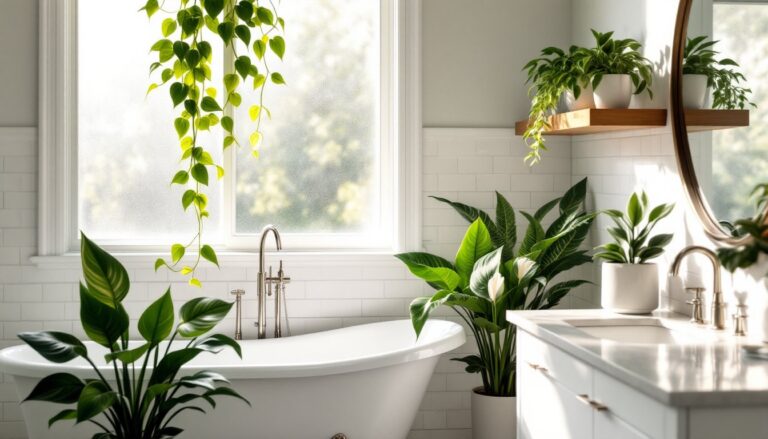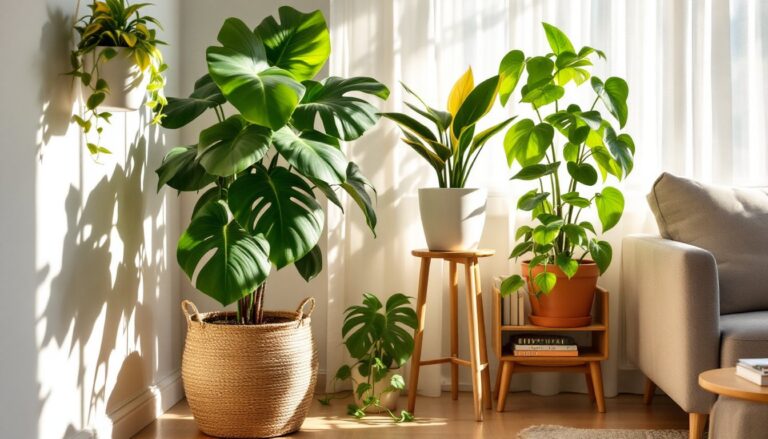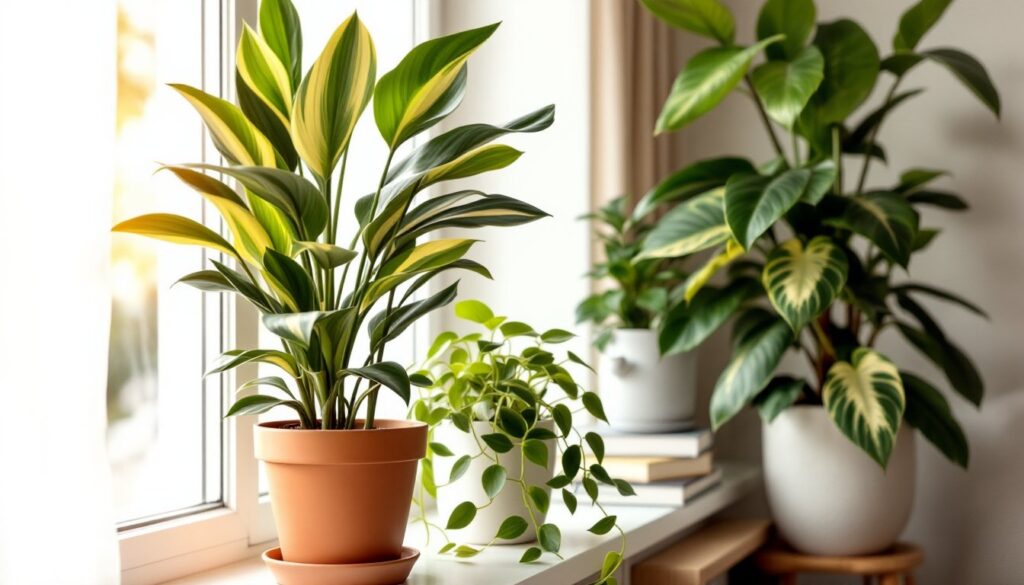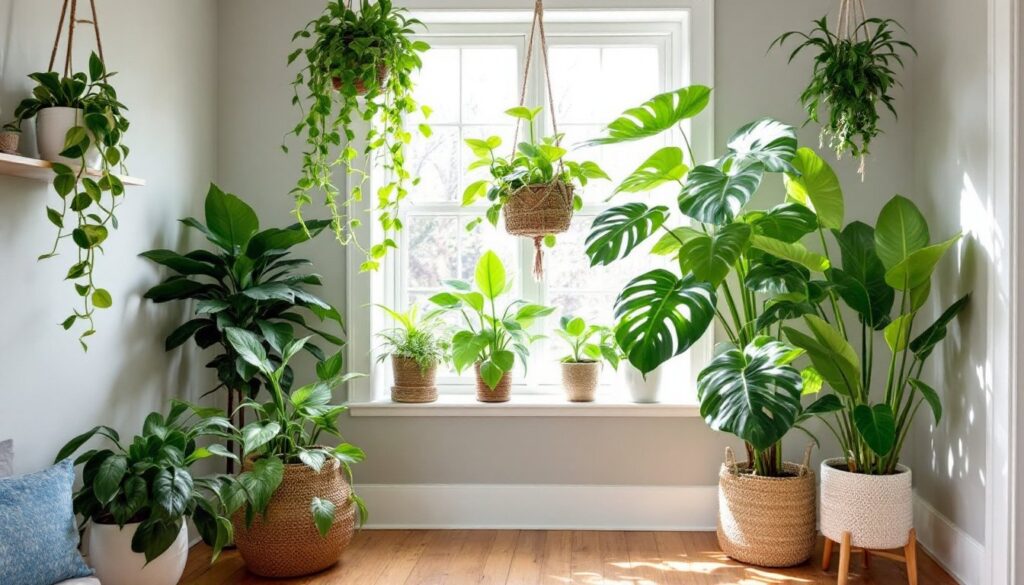

Imagine transforming your dimly lit living room into a lush oasis without needing a degree in botany or a sunroom that rivals the tropics. For those who think their homes are too dark for any greenery, think again! There’s a whole world of houseplants that thrive in low light, ready to brighten your space and your mood.
Table of Contents
ToggleBest House Plants Low Light
Snake plants thrive in low light and require minimal care. They’re known for their air-purifying properties, making them a popular choice for homes. Pothos plants adapt well to various light conditions, including shade. Their trailing vines add an attractive touch to any room.
ZZ plants can withstand neglect and survive in low light. Their glossy leaves create a striking appearance. Peace lilies showcase beautiful white blooms even in low light, providing elegance with air-purifying benefits. Spider plants also flourish in those conditions. Their arching leaves and baby plantlets are visually appealing.
Cast iron plants boast resilience in low-light environments. Once established, they require little attention while still adding greenery. Chinese evergreen plants are versatile and come in various patterns and colors, making them a popular choice for low-light spaces.
Ferns, particularly the Boston fern, thrive in shade and add a lush, textured look. Dracaena varieties, such as the Janet Craig, adapt well to lower light. These plants also enhance interior aesthetics with their tall, sculptural form.
Many of these choices not only survive but also improve indoor air quality. Incorporating these houseplants can enhance the ambiance of dimly lit spaces, making them more inviting and vibrant. Selecting the right variety will lead to successful indoor gardening, even in less-than-ideal lighting conditions.
Top Varieties of Low Light House Plants
Low light house plants can transform a dim space into a lively area. Here are some top choices for low light conditions.
Snake Plant
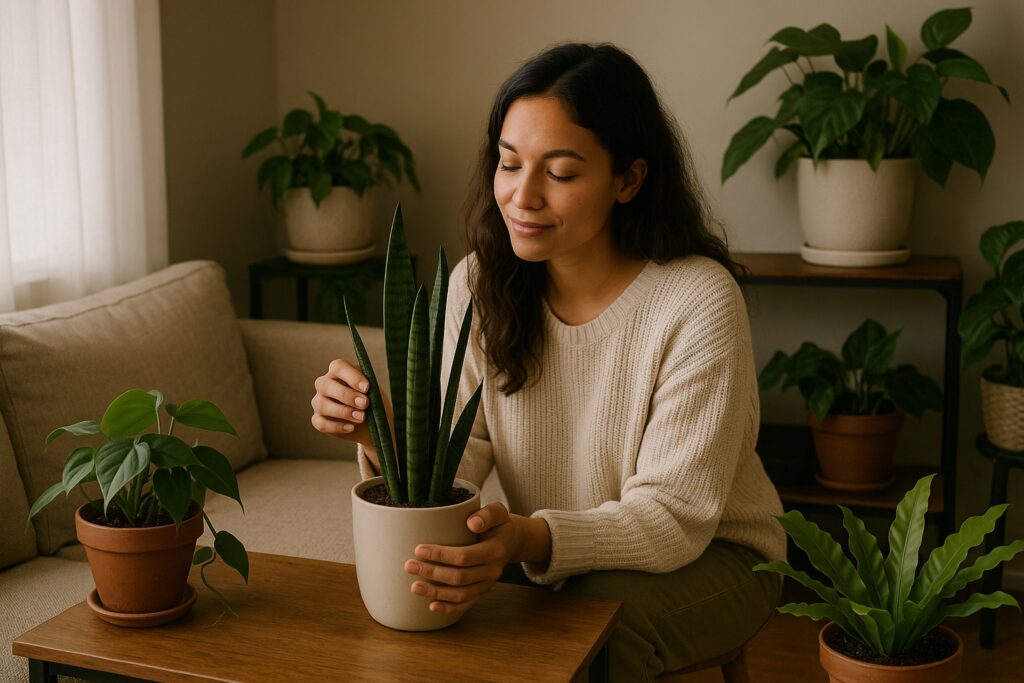
Snake plants thrive in low light and require minimal care. They’re known for their upright, sword-like leaves that come in various shades of green and yellow. Tolerating neglect, these plants only require watering every few weeks. Snake plants are also great air purifiers, improving indoor air quality. Its hardy nature makes it an excellent choice for beginners and those with busy lifestyles.
ZZ Plant
ZZ plants flourish in low light, making them ideal for dark corners. Their thick, waxy leaves store water, allowing them to withstand drought. Requiring little maintenance, ZZ plants can survive with minimal watering and neglect. They adapt well to different environments, from homes to offices. This resilience, combined with their lush appearance, makes them a popular choice for indoor gardening.
Pothos
Pothos plants adapt beautifully to low light conditions. Known for their trailing vines, they can grow long and lush with minimal effort. These plants thrive in various environments and require watering only when the soil dries out. Pothos also enhance air quality, benefiting indoor spaces. Their attractive heart-shaped leaves come in green or variegated patterns, making them visually appealing.
Spider Plant
Spider plants do exceptionally well in low light, offering a fresh touch to any room. With arching leaves that create a dramatic display, they’re easy to care for. Spider plants also produce small “baby” plants, adding to their charm. Watering every week or so is sufficient, and they can thrive in a variety of conditions. Their air-purifying abilities further enhance indoor environments, making them worthwhile additions to any home.
Care Tips for Low Light House Plants
Proper care ensures low light house plants remain healthy and vibrant. Understanding their unique needs allows for successful indoor gardening.
Watering Needs
Watering low light house plants requires attention to moisture levels. Most plants prefer to dry out slightly between waterings. Snake plants thrive on infrequent watering, typically every 2 to 6 weeks. ZZ plants can go longer without water, often needing it every 2 to 3 weeks. Pothos plants appreciate weekly watering, allowing soil to dry slightly. Overwatering causes root rot, so testing the top inch of soil for dryness helps determine when to water. Additionally, humidity levels affect watering frequency, especially in dry environments.
Soil Type
Choosing the right soil type supports healthy growth in low light house plants. Well-draining potting mixes work best for many varieties. A blend containing peat moss, perlite, and bark offers adequate aeration and moisture retention. Snake plants perform well in cactus or succulent soil due to their tolerance for drought. Pothos thrives in standard potting mix but benefits from extra perlite for improved drainage. A mix formulated for indoor plants provides the necessary nutrients while preventing compacting, ensuring roots can access air and moisture.
Fertilization
Fertilization plays a vital role in sustaining low light house plants’ health. During the growing season, typically spring and summer, plants require regular feeding. A balanced, water-soluble fertilizer diluted to half strength is recommended, applied every 4 to 6 weeks. Snake plants and ZZ plants are low feeders, needing less frequent fertilization. Pothos plants flourish with regular feeding, especially when growing actively. Reducing or halting fertilization in autumn and winter aligns with their dormant period, preventing nutrient buildup and promoting sustainable growth.
Benefits of Low Light House Plants
Low light houseplants offer various advantages that enhance indoor living spaces. These plants provide natural air purification and improve aesthetic appeal.
Air Purification
Low light houseplants such as snake plants and peace lilies effectively clean indoor air. Studies indicate that these plants filter harmful pollutants like formaldehyde and benzene. Snake plants, in particular, convert carbon dioxide into oxygen, benefiting overall air quality. In addition, ZZ plants also purify the air while requiring minimal maintenance, making them suitable for busy lifestyles. Incorporating these plants creates a healthier living environment and allows for cleaner air without relying on artificial purifiers.
Aesthetic Appeal
Low light houseplants contribute significantly to interior aesthetics. Varieties like pothos and spider plants add visual interest with their lush foliage and attractive growth patterns. Pothos features heart-shaped leaves that drape elegantly, while spider plants present arching leaves and produce “baby” plants, enhancing their visual charm. Additionally, Chinese evergreens come in various colors and patterns, making them versatile decorative options. A well-placed plant can complement any room’s decor, transforming spaces into inviting retreats.
Bringing low light houseplants into a dimly lit space can transform the atmosphere and improve air quality. With options like snake plants and pothos, even the darkest corners can become vibrant and inviting. These resilient plants not only require minimal maintenance but also add a touch of nature to any environment.
Understanding the specific care needs of each plant will ensure they thrive. By choosing the right varieties and following simple care tips, anyone can enjoy the beauty and benefits of greenery, regardless of light conditions. Embracing low light houseplants is a rewarding way to enhance home decor and promote a healthier living space.