Creative architecture isn’t just about buildings; it’s about crafting experiences that make people stop and stare. Imagine walking down a street and suddenly finding yourself face-to-face with a structure that looks like it defied gravity or a design that seems to have sprung straight from a daydream. These architectural wonders don’t just house people; they inspire them, sparking joy and curiosity in equal measure.
In a world where cookie-cutter designs dominate, creative architecture breaks the mold. It challenges the ordinary and invites us to think outside the box—literally. From whimsical homes that resemble giant mushrooms to skyscrapers that twist and turn like a pretzel, the possibilities are endless. Dive into the world of creative architecture, where innovation meets imagination, and discover how these marvels are reshaping our urban landscapes and our lives.
Understanding Creative Architecture
Creative architecture embodies innovative design that captivates and inspires. It breaks away from traditional aesthetics, resulting in structures that not only house functions but also engage senses.
Definition and Significance
Creative architecture refers to designs that push boundaries while addressing practical and aesthetic needs. This architectural style invites exploration and fosters emotional connections within spaces. Significant works serve as landmarks, defining city skylines and promoting cultural identity. Unique designs encourage community interaction and pride, presenting opportunities for events and social gatherings. Breathtaking structures stimulate tourism, contributing economically by attracting visitors and showcasing creativity.
Key Characteristics
Key characteristics of creative architecture include originality, aesthetic appeal, and environmental integration. Originality manifests in unconventional shapes and imaginative concepts. Aesthetic appeal enhances beauty through thoughtful design choices, materials, and colors. Environmental integration promotes the use of sustainable materials and emphasizes harmony with surroundings. Functionality remains paramount; buildings must serve their intended purpose effectively. Flexibility often characterizes these structures, allowing spaces to adapt to various uses. Lastly, context plays a vital role, as innovative designs respect and reflect the local culture and environment.
Influential Creative Architects
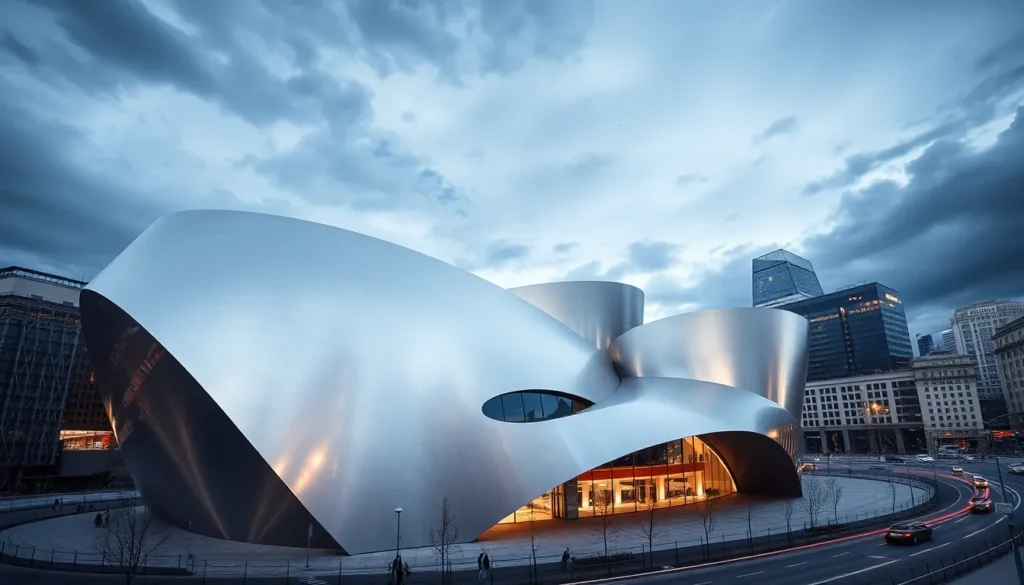
Many architects shape the landscape of creative architecture, pushing conventions and inviting exploration. Their visionary approaches leave a lasting impact on urban design and cultural identity.
Innovators in the Field
Frank Gehry stands out for his deconstructivist structures. His designs, like the Guggenheim Museum in Bilbao, redefine traditional architectural norms. Zaha Hadid revolutionized the field through fluid forms and dynamic spaces, exemplified in the Guangzhou Opera House. Bjarke Ingels introduces sustainable solutions with bold, imaginative designs, as seen in the 8 House in Copenhagen. These innovators inspire future generations and encourage a broader interpretation of what architecture can achieve.
Notable Works and Contributions
The Guggenheim Museum reshaped the image of modern architecture, showcasing Gehry’s innovative style. Hadid’s MAXXI Museum in Rome highlights the intersection of art and architecture, creating visually striking environments. The High Line in New York, designed by James Corner Field Operations, transforms urban landscapes into linear parks, promoting community engagement. Each project reflects a commitment to creativity and redefines spaces, enriching urban experiences. Unique contributions from these architects significantly influence the evolution of architectural design.
Trends in Creative Architecture
Creative architecture constantly evolves, incorporating fresh approaches and innovative concepts. Two prominent trends are sustainable design practices and the integration of technology.
Sustainable Design Practices
Sustainable design practices prioritize environmental consciousness in creative architecture. Architects increasingly use eco-friendly materials that reduce carbon footprints. Renewable energy sources, such as solar panels and wind turbines, integrate into building designs, enhancing energy efficiency. Water conservation methods, including rainwater harvesting systems, become commonplace, contributing to sustainability. Green roofs and living walls foster biodiversity while improving air quality. Overall, these practices enhance aesthetics while promoting ecological responsibility.
Integration of Technology
Integration of technology shapes modern creative architecture significantly. Architects leverage Building Information Modeling (BIM) for precise planning and execution. Smart building technologies optimize energy management, security, and comfort for occupants. The use of augmented reality (AR) tools transforms design visualization, allowing for immersive client experiences. Drones assist in surveying sites, facilitating accurate assessments and site management. Furthermore, innovative materials such as carbon fiber and 3D-printed elements push the boundaries of design. Ultimately, technology enhances functionality and redefines architectural possibilities.
Case Studies of Creative Architecture
Creative architecture thrives on unique expressions in design, showcasing remarkable examples worldwide.
Famous Examples Around the World
The Sydney Opera House in Australia stands as an iconic symbol of creativity, featuring sail-like structures that blend with the harbor’s natural beauty. Another example, the Burj Khalifa in Dubai, challenges conventional skyscraper designs with its soaring height and innovative engineering. The Leadenhall Building in London, often referred to as the “Cheesegrater,” features a striking slanted roof and contributes to the city’s dynamic skyline. Lastly, the Dancing House in Prague, with its fluid shapes, appears as if it’s in motion, reflecting the city’s rich artistic heritage. Each structure encourages admiration and enhances urban landscapes by attracting millions of visitors annually.
Analysis of Design Approaches
Famous architects use various design approaches to achieve creativity. Frank Gehry employs deconstructivism, emphasizing non-linear forms that challenge traditional aesthetics. Zaha Hadid’s work incorporates fluid dynamics, creating structures that mimic natural landscapes and enhance spatial perception. Bjarke Ingels focuses on sustainability and functionality, integrating eco-friendly elements without sacrificing innovative design. Community engagement often guides these approaches, as seen in public spaces that foster interaction while addressing their environmental context. These methodologies transform architecture into a form of art, engaging people and inspiring future generations.
Creative architecture represents a vibrant intersection of art and functionality. It challenges conventional norms while fostering emotional connections within urban spaces. As architects continue to innovate, the impact of these imaginative structures will resonate throughout communities and cities.
By prioritizing sustainability and technology, they’re not only enhancing aesthetic appeal but also addressing crucial environmental concerns. The future of architecture lies in its ability to inspire and engage, transforming the way people experience their surroundings.
With each new project, creative architecture redefines possibilities, ensuring that urban landscapes remain dynamic and reflective of cultural identities. This ongoing evolution promises to captivate future generations and enrich lives in profound ways.