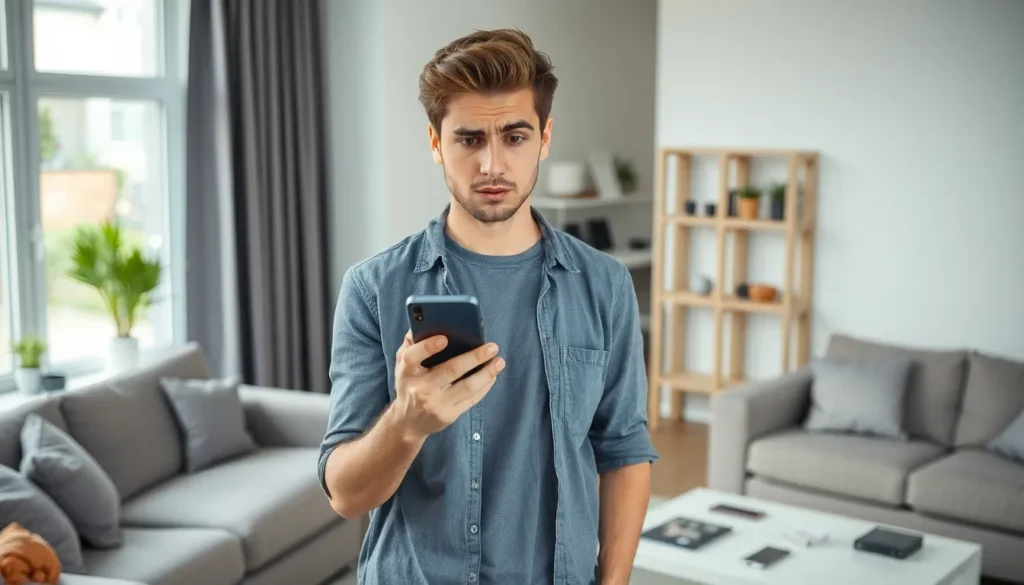

In the digital age, communication is as essential as breathing, and nothing stings quite like realizing you might’ve been blocked. For iPhone users, the question lingers: can they tell if an Android user has hit the dreaded block button? Picture this: you send a text, only to be met with radio silence. Did they lose their phone in the couch cushions or is it time to face the music?
Understanding Blocking Across Platforms
Blocking operates differently across messaging platforms, creating confusion for users. An iPhone user might notice they can’t send messages to an Android user, but this doesn’t definitively indicate a block. Various factors can contribute to the situation, including network issues or app malfunctions.
When an iPhone user sends a message, they often see a “delivered” or “read” status. If these indicators don’t appear, it raises questions. The absence of these statuses might suggest the Android user has blocked them, but alternative explanations exist. For instance, the recipient could be experiencing issues with their device or the messaging app.
Text messaging compatibility also plays a role. iPhone users primarily use iMessage, while Android users rely on SMS or MMS. If the recipient has switched messaging apps or disabled certain features, messages might not go through. Such technical barriers can leave the sender in doubt about the recipient’s availability.
Voice calls present another layer. If a call does not connect, the iPhone user may think they’ve been blocked. However, factors such as the recipient’s phone settings or network coverage could affect this. It’s essential to consider these possibilities before jumping to conclusions.
Ultimately, the differences between blocking protocols and messaging systems create ambiguity. An iPhone user’s inability to communicate with an Android user doesn’t always signify blocking. Understanding these nuances helps clarify communication issues across platforms.
How Blocking Works on iPhone

Understanding how blocking functions on iPhone provides clarity in communication. The differences between messaging services significantly affect user experiences.
iMessage vs. SMS
iMessage operates exclusively on Apple devices, allowing users to send messages over Wi-Fi or cellular data. Android users, in contrast, primarily use SMS and MMS for text communication. When an iPhone user sends a message to an Android device, it defaults to SMS, which lacks the features of iMessage. Delivery notifications become unreliable in this scenario, as SMS doesn’t show “delivered” or “read” statuses. If an iMessage user sends texts without any feedback, the confusion can grow quickly. Misinterpretations happen when iPhone users expect the seamless experience of iMessage when communicating with Android users.
Indicators of Being Blocked
Not receiving replies from an Android user might suggest a block, yet this isn’t the only possibility. Common indicators include persistent silence or failure to reach the user’s phone. If a message appears to send without status updates, it could imply a block. However, connectivity issues or app malfunctions also play a role. An iPhone user might experience unusual behavior, like not being able to call, which can also indicate blocking. Recognizing these signs requires understanding that various factors impact communication, particularly when different platforms are involved.
How Blocking Works on Android
Understanding how blocking functions on Android enhances clarity in communication. The method varies from other platforms, especially when iPhone users engage with their Android counterparts.
Text Messaging Protocols
Android users predominantly rely on SMS and MMS for messaging. SMS lacks delivery or read receipts, which can lead to uncertainty. When an iPhone user sends a message to an Android device, it travels via SMS. If the message doesn’t arrive or show as delivered, it may not indicate a block. Multiple factors such as network issues, device settings, or app errors can all disrupt message delivery. These protocols create an environment where misinterpretation of communication becomes common.
Signs of Blocking on Android
Several signs may suggest that blocking occurred on an Android device. Calls to a blocked number typically go straight to voicemail without ringing. Messages sent from the iPhone user won’t show a delivery status. Repeated attempts to reach the Android user with no response often point to a possible block. Users may notice that texts consistently fail to convert from iMessage to SMS. It’s essential to consider connectivity problems or app malfunctions before concluding a block situation. Understanding these indicators allows for informed interpretations of messaging challenges across devices.
Can an iPhone User Tell If an Android User Blocked Them?
Messaging challenges arise when an iPhone user tries to communicate with an Android user. Understanding the differences between messaging apps is crucial for clarity.
Differences in Messaging Apps
iMessage operates only on Apple devices, allowing messages to be sent over Wi-Fi or cellular data. SMS and MMS, used by Android users, lack delivery notifications, leading to potential misunderstandings. When an iPhone user sends an SMS to an Android phone, the absence of delivery confirmation doesn’t automatically suggest blocking. Network issues or app errors could prevent messages from arriving, complicating the communication further. This distinction between platforms can cause significant confusion about the status of sent messages.
Possible Indicators
Several signs might suggest an Android user has blocked an iPhone user. Calls may go straight to voicemail without ringing, a common occurrence when blocked. Messages often fail to show as delivered, adding to the uncertainty. Persistent silence can indicate a block, but it is essential to consider alternative explanations. Factors like connectivity problems or device malfunctions may also impact message delivery. Therefore, interpreting these indicators requires caution to avoid jumping to conclusions.
Navigating communication between iPhone and Android users can be tricky. While an iPhone user may suspect they’ve been blocked by an Android user due to unanswered messages or calls, it’s essential to consider other factors. Network issues app malfunctions and differences in messaging protocols can all contribute to misunderstandings.
Without definitive indicators like delivery notifications it’s easy to jump to conclusions. By staying aware of these nuances and keeping an open mind, users can avoid unnecessary confusion and frustration. Understanding the technology behind messaging can foster better communication and reduce assumptions about being blocked.