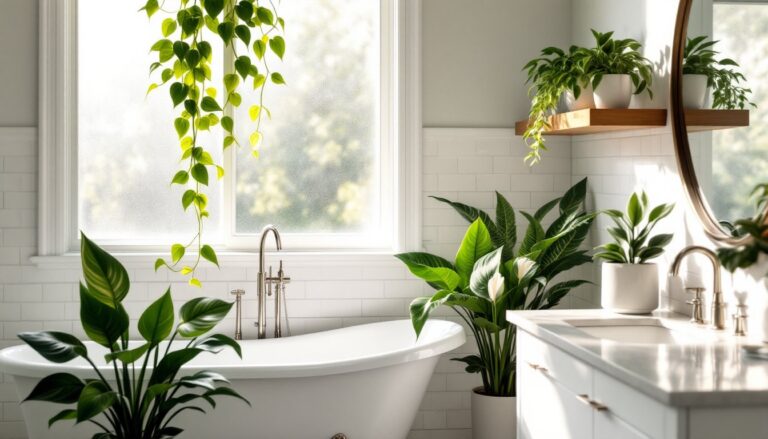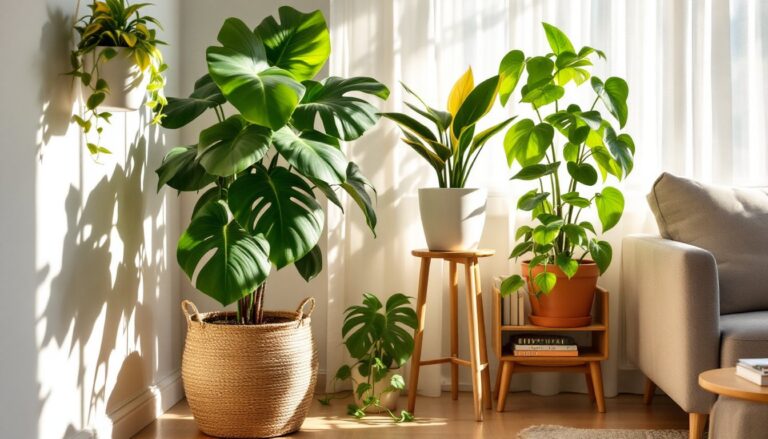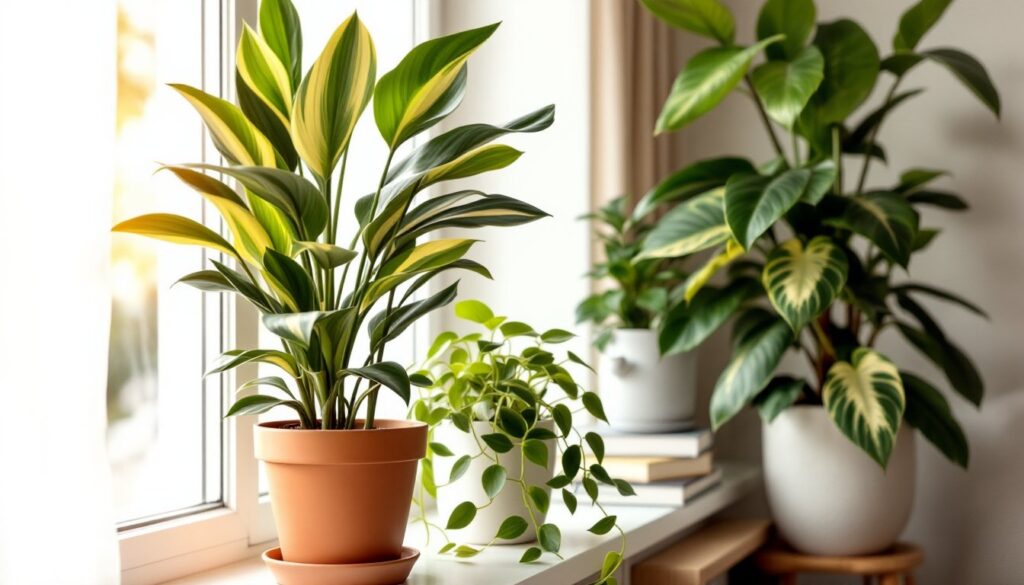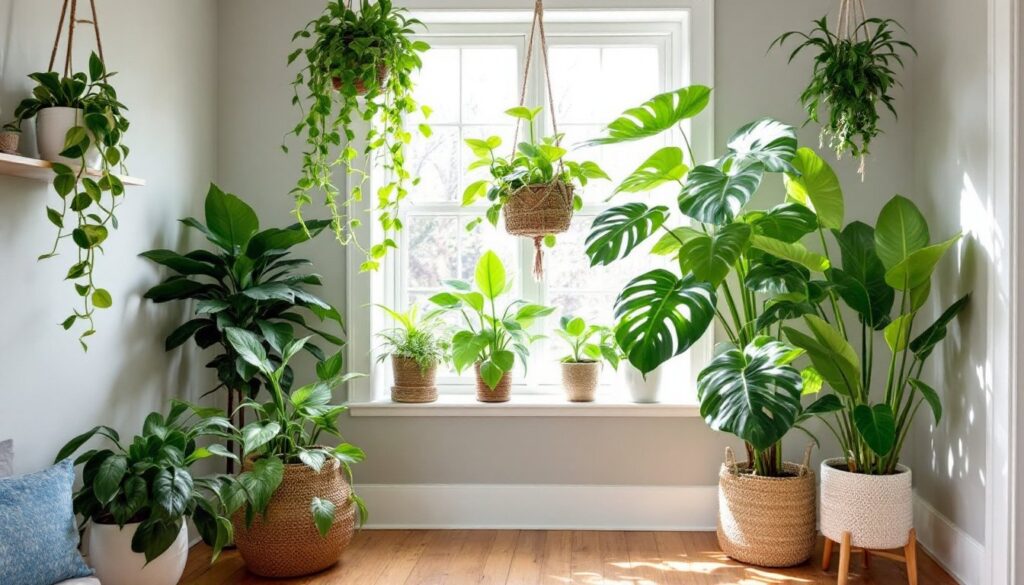

If you’ve ever watched your cat turn into a furry tornado, you know they have a knack for getting into everything. So, why not bring some greenery into your home without risking a trip to the vet? Enter cat-safe house plants that thrive in low light! These delightful plants not only brighten up your space but also keep your curious feline out of harm’s way.
Imagine a lush indoor jungle that’s both stylish and safe for your whiskered companion. With the right selection, you can transform your living room into a cozy oasis without worrying about toxic plants. Plus, your cat will appreciate the new scenery—who knew houseplants could be so entertaining? Let’s dive into the best options that will keep both you and your feline friend happy and healthy.
Table of Contents
ToggleOverview of Cat Safe House Plants
Selecting houseplants that are safe for cats contributes to a healthier home environment. Many cat owners seek plants that won’t harm their pets while still thriving in low light conditions. Numerous options exist that not only appeal visually but also fit these safety requirements.
One option, the spider plant, grows well in low light and is non-toxic to cats. This resilient plant can tolerate various conditions and helps purify the air. Another popular choice is the Boston fern, which adds lush greenery and is safe for pets. Its ability to thrive in shade makes it ideal for less sunny spaces.
Parlor palm, known for its elegant fronds, excels in low-light conditions and poses no risk to curious cats. Moreover, the bamboo palm provides a tropical feel while being safe for pets. Both plants enhance home aesthetics and keep cats unharmed.
Additionally, the Christmas cactus offers a festive touch without jeopardizing your cat’s health. This plant prefers indirect light and is resilient, making it a low-maintenance option.
Incorporate these plant varieties into your home to create a vibrant and safe environment. Focusing on cat-safe options allows for a harmonious living space where both pets and plants thrive. It’s important to regularly check for any changes in your plants’ health and pot them in appropriate-sized containers to ensure adequate growth. This practice promotes both plant vitality and kitty safety.
Benefits of Low Light Plants for Cat Owners
Low light plants offer several advantages for cat owners looking to create a safe and serene environment. Choosing the right plants enhances both indoor air quality and aesthetic appeal.
Improves Indoor Air Quality
Low light plants effectively purify indoor air. They absorb pollutants and toxins, making the space healthier for both pets and humans. For instance, the spider plant and Boston fern excel at filtering airborne contaminants. Additionally, these plants produce oxygen, contributing to a fresher atmosphere. Owners benefit from having cleaner air, which can lead to better overall wellness for their cats and themselves. Regularly caring for these plants further encourages a routine that promotes a thriving home environment.
Provides Aesthetic Appeal
Incorporating low light plants enhances the visual appeal of any room. These plants add life and color to spaces that might otherwise feel dull. Options like the parlor palm and bamboo palm create a lush backdrop without needing direct sunlight. Visually stimulating greenery creates a calming atmosphere, beneficial for both cats and their owners. Selecting diverse plants can establish a vibrant indoor garden that complements home décor. Creating a harmonious blend of nature and indoor living spaces enriches the overall aesthetic experience for everyone.
Recommended Cat Safe House Plants for Low Light
Incorporating cat-safe plants into low-light areas enhances the home’s aesthetic while ensuring pet safety. The following selections thrive in less sunny conditions and benefit your living space.
Snake Plant
Snake plants, also known as Sansevieria, tolerate low light and require minimal care. It features striking, upright leaves with a bold pattern that complements various interior designs. This plant effectively filters toxins from the air, enhancing indoor air quality for both pets and humans. Snake plants flourish in indirect sunlight and need infrequent watering, making them an excellent choice for busy individuals.
Spider Plant
Spider plants, or Chlorophytum comosum, adapt well to low-light environments. This plant exhibits arching green leaves adorned with white stripes, adding liveliness to any room. Spider plants produce “pups,” small offshoots that can be propagated easily. They absorb indoor pollutants and release oxygen, promoting a healthier atmosphere. Regular misting of the leaves helps maintain humidity, especially in drier environments.
Pothos
Pothos, or Epipremnum aureum, grows rapidly in low light and features trailing vines that create a lush look. Its heart-shaped leaves come in various shades, from deep green to variegated patterns. This resilient plant can thrive in corners or shelves, making it versatile for decorating. Pothos purifies the air by filtering formaldehyde and other toxins. Watering only when the top inch of soil is dry supports its robust growth.
Peace Lily
Peace lilies, scientifically known as Spathiphyllum, excel in low-light settings and showcase elegant white blooms. The glossy leaves provide a sophisticated touch, brightening darker rooms. They tolerate neglect, thriving even in low moisture conditions. Peace lilies help remove indoor air pollutants like ammonia and benzene, contributing to a healthier environment. They require occasional watering and can signal thirst by drooping, making care straightforward.
Tips for Maintaining Low Light House Plants
Maintaining low light house plants involves specific care practices that ensure their health and vitality.
Watering Guidelines
Watering practices for low light house plants require attention to detail. These plants typically prefer slightly moist soil, not overly saturated. Checking the top inch of soil can provide insight into moisture levels. If it’s dry at that depth, it’s time to water. Overwatering may lead to root rot, a common issue for many house plants. Use pots with drainage holes to prevent standing water. Adjust watering frequency based on seasonal changes; plants may need less water in winter months. Regularly observe the leaves; yellowing can indicate excess moisture, while wilting suggests underwatering.
Pest Control
Pest control measures are essential for keeping low light house plants healthy. Regularly inspecting the leaves and stems helps identify early infestations. Common pests include spider mites and aphids, which can weaken plants if not managed promptly. Using insecticidal soap or neem oil effectively eliminates these pests. Additionally, quarantining new plants prevents the introduction of pests to established ones. Introducing beneficial insects, like ladybugs, can provide a natural pest control option. Maintaining cleanliness around plants helps deter pests. Dust accumulation can harbor unwanted bugs, so gently wiping leaves with a damp cloth promotes overall plant health.
Creating a cat-friendly home with low-light houseplants enriches both the environment and the lives of pets. By selecting non-toxic plants that thrive in less sunny spaces, cat owners can enjoy the beauty and benefits of greenery without worry. The right plants not only enhance aesthetics but also improve air quality, making a positive impact on overall well-being.
Regular maintenance and care ensure these plants remain healthy while providing a safe haven for curious cats. With thoughtful choices and proper attention, it’s possible to cultivate a vibrant living space where both plants and pets flourish together.