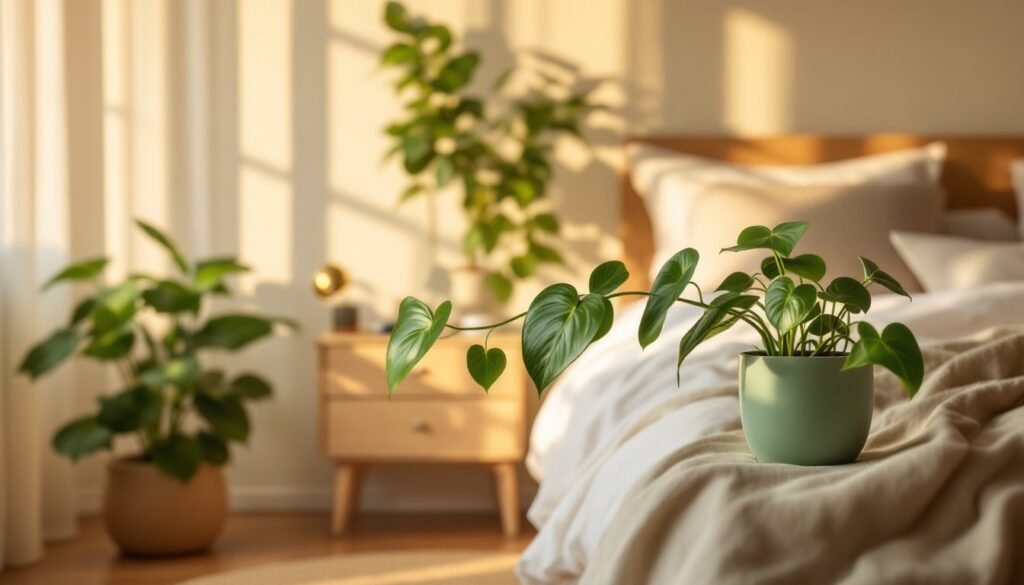

Choosing the right plants for a bedroom isn’t just about aesthetics, it’s about creating a space that supports rest, energy flow, and overall well-being. Feng shui, the ancient Chinese practice of harmonizing individuals with their environment, offers specific guidance on which plants work best in sleep spaces and where to place them. Unlike other rooms where vigorous growth is welcome, the bedroom requires a more thoughtful approach. The wrong plant can disrupt sleep patterns or stagnate energy, while the right choices can purify air, promote relaxation, and create a balanced atmosphere that supports restorative sleep.
Table of Contents
ToggleKey Takeaways
- Feng shui plants in bedroom should have soft, rounded leaves and gentle growth patterns to promote yin energy and support restful sleep.
- The best feng shui bedroom plants include pothos, spider plant, peace lily, and lucky bamboo, which are low-maintenance and air-purifying without disruptive energy.
- Avoid cacti, bonsai, and overgrown plants with sharp leaves or aggressive growth, as they create yang energy that disrupts sleep and blocks positive chi flow.
- Place bedroom plants strategically in corners, on windowsills, or at least 3-4 feet from the bed to maintain energy flow while supporting the sleep sanctuary.
- Healthy, well-maintained plants are essential to feng shui benefits—neglected or dying plants carry stagnant energy that undermines the bedroom’s restorative purpose.
- Keep bedroom plants minimal (one or two small to medium plants) to prevent excessive yang energy and oxygen depletion during nighttime hours.
Understanding Feng Shui Principles for Bedroom Plants
Feng shui views the bedroom as a sanctuary for rest and intimacy, where yin energy, quiet, passive, and restorative, should dominate. Plants introduce living energy (chi) into a space, but not all plant energy suits a sleep environment.
The core principle: bedroom plants should have soft, rounded leaves and gentle growth patterns. Sharp, spiky, or aggressive foliage (think cacti or mother-in-law’s tongue) creates yang energy, active, stimulating, and counterproductive to sleep. Plants with thorns or pointed leaves are believed to generate “sha chi” (negative energy) that can cause restlessness.
Another consideration is plant quantity. Too many plants can create excessive yang energy and compete for oxygen during nighttime hours when photosynthesis stops and plants release carbon dioxide. Most feng shui practitioners recommend keeping it to one or two small to medium plants per bedroom, placed strategically rather than clustered.
The five elements theory, wood, fire, earth, metal, and water, also plays a role. Plants represent the wood element, which should balance with other elements in the room. Too much wood energy without earth or metal elements to ground it can feel chaotic. Consider your bedroom’s existing materials: wooden furniture, metal fixtures, ceramic or stone accents, and how plants fit into that balance.
Finally, plant health matters enormously in feng shui. Dead, dying, or neglected plants carry stagnant or negative energy. If you can’t commit to regular care, it’s better to skip bedroom plants entirely than to let them languish.
Best Feng Shui Plants to Keep in Your Bedroom
Low-Maintenance Air-Purifying Options
Snake plant (Sansevieria) is controversial in feng shui circles. While its pointed leaves typically violate the “no sharp edges” rule, it’s one of the few plants that releases oxygen at night through CAM photosynthesis (crassulacean acid metabolism). If you choose to include one, place it in a far corner, not beside the bed, and keep it to a single small plant.
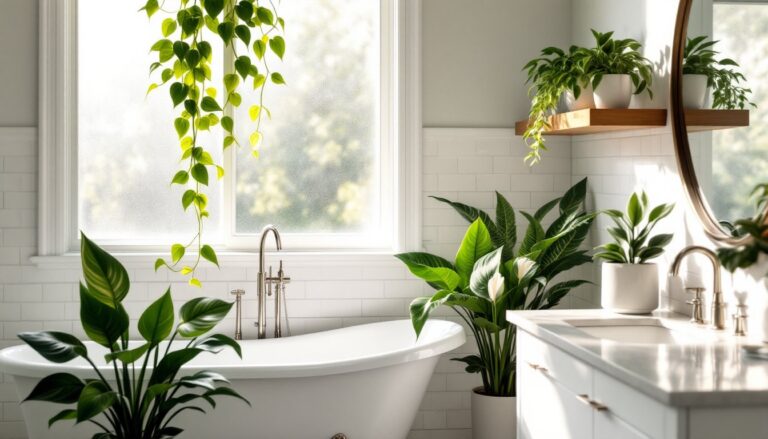
Pothos (Epipremnum aureum) offers heart-shaped, rounded leaves and tolerates low light well. It’s a climbing or trailing plant, so it works on a high shelf or in a hanging planter where vines can cascade gently. Pothos removes formaldehyde, benzene, and carbon monoxide from air, though you’d need several to make a measurable impact in indoor air quality.
Peace lily (Spathiphyllum) features broad, glossy leaves and occasional white blooms. It thrives in low to medium light and high humidity, making it suitable for bedrooms with en-suite baths. Peace lilies filter ammonia, benzene, and trichloroethylene. Keep them out of reach of pets, they’re toxic if ingested.
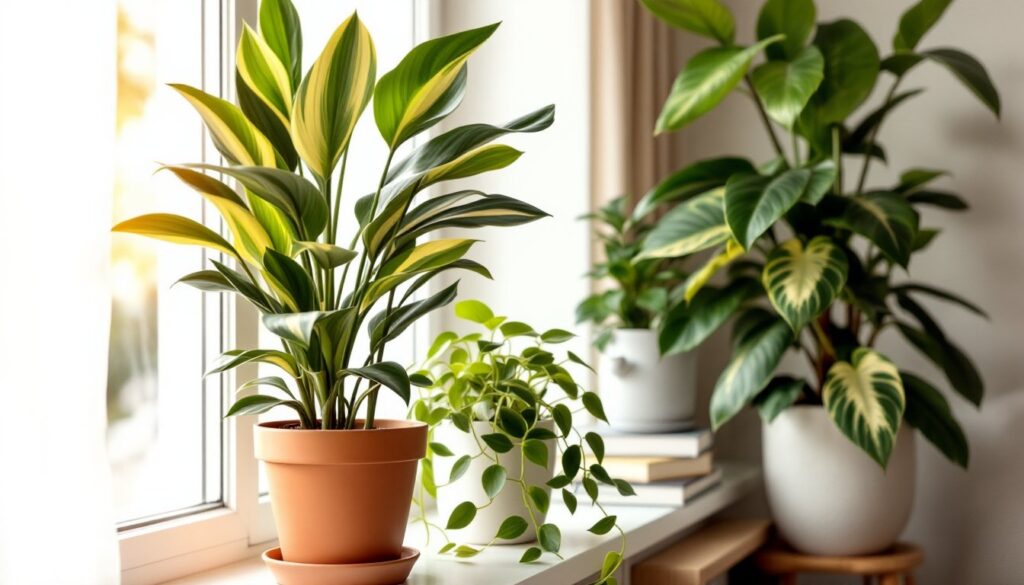
Spider plant (Chlorophytum comosum) produces soft, arching leaves and occasional baby plantlets. It’s nearly indestructible, tolerates irregular watering, and removes formaldehyde and xylene from air. The gentle, flowing form aligns well with yin energy principles.
Plants That Promote Relaxation and Better Sleep
Lavender (Lavandula) is well-documented for sleep benefits. Studies show lavender scent can lower heart rate and blood pressure, promoting relaxation. It requires bright, direct light (4-6 hours daily) and well-draining soil, so it’s best near a south or west-facing window. Without adequate light, lavender becomes leggy and won’t bloom. If window placement isn’t viable, consider a small grow light on a timer.
Jasmine (Jasminum) produces delicate white or yellow flowers with a sweet fragrance linked to improved sleep quality and reduced anxiety in research on calming indoor plants. It needs bright indirect light and consistent moisture. Jasmine is a vining plant, train it on a small trellis or allow it to cascade from a hanging basket.
Aloe vera sits in a gray area for feng shui. Its spiky leaves are yang in nature, but its medicinal properties and air-purifying abilities make it a popular choice. If you include aloe, keep it small and place it on a windowsill rather than on a nightstand. It requires bright light and infrequent watering (every 2-3 weeks).
Lucky bamboo (Dracaena sanderiana) isn’t true bamboo but a resilient houseplant often sold in decorative arrangements. In feng shui, the number of stalks carries meaning: three stalks represent happiness, five bring wealth, and six promote health. Avoid four stalks, which symbolize death in Chinese culture. Lucky bamboo grows well in water or soil with minimal light requirements, making it genuinely low-maintenance.
Plants to Avoid in the Bedroom According to Feng Shui
Cacti and succulents with spines top the avoid list. Their sharp needles create aggressive energy incompatible with sleep. While trendy and low-maintenance, save these for offices or living areas where active energy is appropriate.
Bonsai trees represent stunted growth in feng shui philosophy. Keeping a deliberately dwarfed tree in a bedroom can symbolically limit personal growth and opportunities. They also require significant care and bright light, making them impractical for most bedrooms.
Dead or dying plants of any variety should be removed immediately. Brown leaves, dried stems, or stagnant water breed negative energy and attract dust and potential mold. If a plant isn’t thriving even though proper care, it’s not suited to your bedroom’s conditions, move it or replace it.
Strongly scented plants beyond lavender and jasmine can be overwhelming in a confined sleep space. Eucalyptus, gardenia, or heavily fragrant lilies might trigger headaches or allergies during nighttime hours. What smells pleasant during the day can become cloying when you’re trying to sleep.
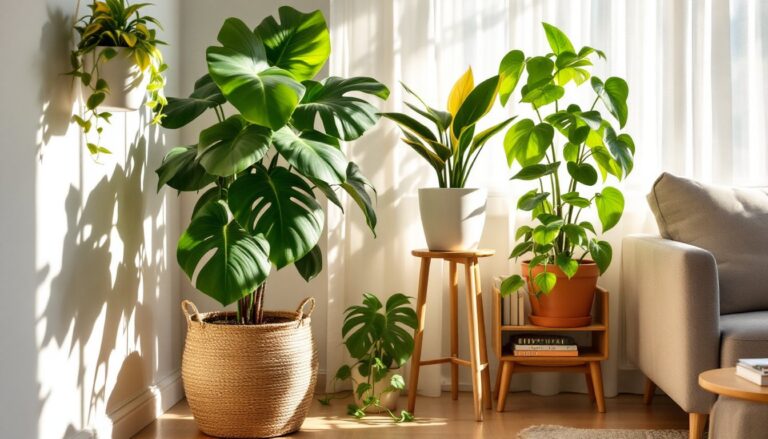
Large or overgrown plants dominate a bedroom’s energy. A floor-to-ceiling fiddle-leaf fig or sprawling monstera introduces too much yang energy and can make a room feel crowded. Keep bedroom plants under 2-3 feet tall to maintain visual balance and proper energy flow. Those who are also improving bathroom plant selections can reserve larger specimens for that space where humidity and active morning energy suit vigorous growth.
Optimal Placement for Bedroom Plants in Feng Shui
The commanding position, where you can see the door from bed without being directly in line with it, guides furniture placement in feng shui. Plants should support this arrangement, not interfere with it. Avoid placing plants directly between the bed and the door, as this can block energy flow.
Windowsills offer natural light and separate plants from the immediate sleep zone. East-facing windows receive gentle morning light ideal for most houseplants without the harsh afternoon intensity of west exposures. South-facing windows provide the brightest light for sun-lovers like lavender.
Corners represent areas where energy can stagnate. A plant in a bedroom corner activates that space and keeps chi moving gently. Choose corners diagonally opposite from the bed rather than directly beside the headboard.
Bedside tables are controversial. Some feng shui practitioners approve of small, soft-leaved plants on nightstands, while others consider them too close to the head during sleep. If you do place a plant on a nightstand, keep it under 12 inches tall with rounded leaves and excellent health. Never let it block your bedside lamp or crowd personal items.
Avoid placing plants above the bed, on wall-mounted shelves or hanging from ceiling hooks. This creates subconscious pressure and anxiety, the opposite of bedroom goals. Similarly, avoid placing plants on top of tall dressers or wardrobes directly behind the headboard.
Many home decor resources suggest grouping plants in clusters, but bedrooms benefit from singular, intentional placement. One thoughtfully positioned plant creates a focal point and breathing room, while multiple plants can feel busy and overstimulating.
Distance from the bed matters. Maintain at least 3-4 feet between plants and where you sleep. This physical separation helps preserve the immediate sleep zone while still allowing you to enjoy the plant’s presence and benefits.
Caring for Your Bedroom Feng Shui Plants
Plant health directly affects the energy they contribute, so maintenance isn’t optional, it’s fundamental to feng shui benefits.
Watering varies by species, but overwatering kills more houseplants than any other factor. Most bedroom-suitable plants prefer soil that dries slightly between waterings. Check moisture 2 inches down with your finger before watering. Use room-temperature water: cold water shocks root systems. Bottom watering, placing the pot in a tray of water for 10-15 minutes, encourages healthy root development and prevents soil compaction.
Light requirements can’t be faked. If your bedroom lacks natural light, choose truly low-light plants like pothos or snake plant. “Low light” doesn’t mean no light, it means indirect or filtered light for most of the day. Rotate plants 90 degrees weekly so all sides receive equal exposure, preventing lopsided growth.
Dust accumulation on leaves blocks photosynthesis and looks neglected. Wipe broad leaves with a damp microfiber cloth monthly. For plants with smaller leaves, give them a gentle shower in the bathroom or kitchen sink every 4-6 weeks, allowing them to drain thoroughly before returning them to the bedroom.
Pruning dead or yellowing leaves immediately prevents energy drain and disease spread. Use clean, sharp scissors or pruning shears. Cut at the base of the stem or leaf, not partway up. This also prevents the “dying plant” energy feng shui warns against.
Fertilizing during active growth periods (spring through early fall) keeps plants vigorous. Use a balanced, water-soluble fertilizer (10-10-10 NPK ratio) at half-strength monthly. Skip fertilizing in winter when most plants enter dormancy. Over-fertilizing creates salt buildup that damages roots and creates brown leaf tips.
Repotting becomes necessary when roots circle the drainage holes or growth slows dramatically. Most bedroom plants need repotting every 18-24 months. Choose a pot only 1-2 inches larger in diameter, too much space encourages excessive growth unsuited to bedroom energy. Always use pots with drainage holes. Decorative cachepots without drainage should hold a plastic grower’s pot inside them, never house the plant directly.
Pest management matters in bedrooms more than other spaces. You don’t want to spray insecticides near where you sleep. For common pests like spider mites or fungus gnats, use neem oil spray or insecticidal soap, apply in another room, and let the plant air out for several hours before returning it to the bedroom. Better yet, inspect plants regularly and catch problems early before they require intervention.