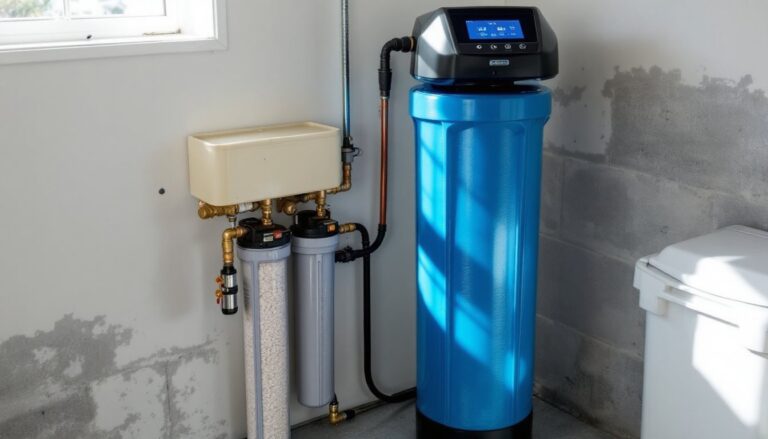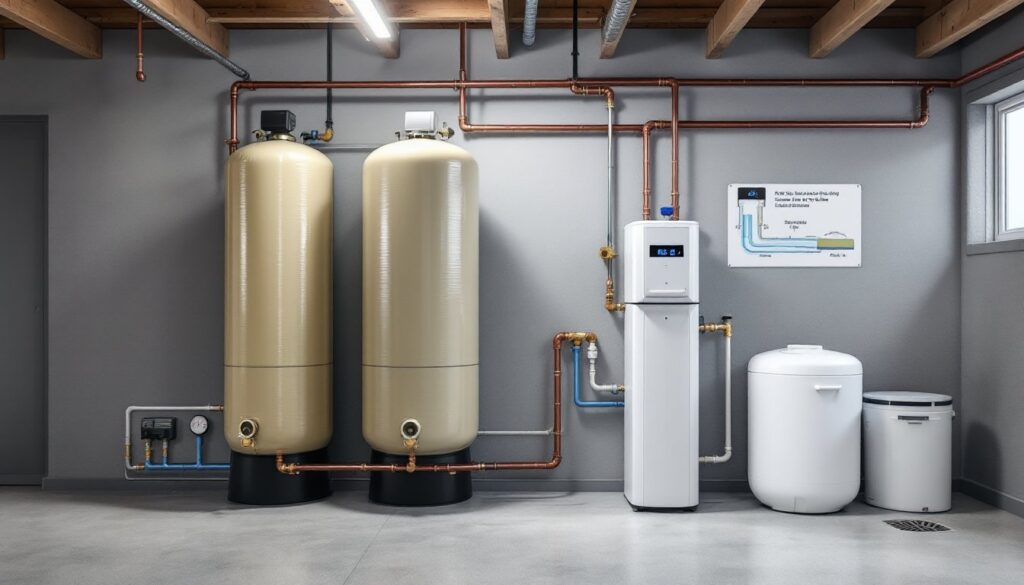
Hard water and contaminants don’t announce themselves with flashing signs. Instead, they show up as scale on faucets, spots on glassware, dry skin after showers, and a lingering metallic taste in drinking water. A whole house water filter and softener combo tackles both issues at the point of entry, treating every drop that flows through the home’s plumbing. These systems combine sediment and chemical filtration with ion-exchange softening in a single installation, eliminating the need for separate units and duplicate plumbing work. For homeowners dealing with mineral buildup and water quality concerns, understanding how these combo systems work, and what to look for, makes the difference between a smart investment and an expensive mistake.
Table of Contents
ToggleKey Takeaways
- A whole house water filter and softener combo treats water at the point of entry, combining sediment and chemical filtration with ion-exchange softening to eliminate hard water scale, spots on fixtures, and contaminants in a single installation.
- Proper sizing based on daily water usage and hardness level in grains per gallon (gpg) is critical—aim for a system rated for three to five days of use between regeneration cycles to avoid undersizing and constant cycling.
- Flow rate must match peak household demand: a typical 2-bathroom home needs at least 10 GPM, while larger homes with 3+ bathrooms should target 12–15 GPM to prevent pressure drops during simultaneous water use.
- Regular maintenance—including monthly salt checks, filter replacements every 6–12 months, and annual resin bed cleaning—extends appliance lifespan by several years and prevents costly replacements.
- Professional installation ($500–$1,200) ensures code compliance and warranty coverage, though DIY installation ($300–$800 savings) is possible for homeowners with plumbing experience and local code knowledge.
- Testing water quality through certified analysis before purchase prevents buying incorrect filtration media and helps identify specific contaminants like iron or lead that affect system selection.
What Is a Whole House Water Filter and Softener Combo?
A combo system integrates two treatment processes into one installation point on the main water supply line. The filtration stage removes sediment, chlorine, volatile organic compounds (VOCs), heavy metals, and other contaminants through carbon filters, sediment pre-filters, or more advanced media like catalytic carbon or KDF (kinetic degradation fluxion). The softening stage uses a resin tank filled with ion-exchange beads that swap calcium and magnesium ions (the minerals causing hardness) for sodium or potassium ions.
Most combo units mount in series, filtration first, then softening, though some manufacturers build both processes into a single tank with dual media chambers. The system typically includes a brine tank for the softener regeneration cycle, a control valve with programmable settings, and bypass valves for maintenance.
These aren’t the same as point-of-use filters under a kitchen sink. Combo systems treat water before it reaches fixtures, appliances, and hose bibs. That means washing machines, water heaters, dishwashers, and showerheads all benefit from treated water. Installation requires access to the main water line after the shutoff valve and pressure regulator, usually in a basement, crawl space, or utility closet. Systems need a nearby drain line for backwash discharge and a 120V electrical outlet for the control head.
Key Benefits of Installing a Combo System
The most immediate payoff is longer appliance life. Water heaters, dishwashers, and washing machines accumulate scale from hard water, reducing efficiency and requiring earlier replacement. Soft, filtered water prevents mineral buildup inside heating elements and pump assemblies, often extending appliance lifespan by several years.
Plumbing fixtures stay cleaner. No more scrubbing white calcium deposits off showerheads and faucet aerators. Soap and detergent perform better in soft water, reducing the amount needed per load and leaving fewer residues on dishes, laundry, and skin. Many homeowners report softer hair and less skin irritation after switching to treated water.
Filtration removes chlorine taste and odor, along with sediment that can clog aerators or leave grit in drinking water. Depending on the filter media, combo systems also reduce lead, pesticides, herbicides, and industrial solvents. Homeowners dealing with well water maintenance or municipal supplies with inconsistent taste often see the biggest difference.
A single combo system costs less than buying separate filter and softener units, and it simplifies installation and maintenance. One set of plumbing connections, one control valve, one service schedule. For homes with limited space, the footprint savings matter, especially in tight utility rooms or crawl spaces where two tanks won’t fit side by side.
How to Choose the Right System for Your Home
System Capacity and Flow Rate Requirements
Capacity measures how many grains of hardness the softener can remove before needing regeneration, typically ranging from 32,000 to 64,000 grains for residential systems. To size correctly, multiply your home’s daily water usage (average is 80–100 gallons per person) by the hardness level in grains per gallon (gpg). A family of four using 400 gallons per day with 10 gpg hardness needs a system that can handle 4,000 grains daily. Build in a buffer, most installers recommend a system rated for three to five days of use between regeneration cycles to avoid constant cycling.
Flow rate determines whether the system can keep up during peak demand, multiple showers, dishwasher, and washing machine running simultaneously. Measured in gallons per minute (GPM), residential combo systems range from 7 to 15 GPM. Undersized flow rates cause pressure drops at fixtures. A typical 2-bathroom home needs at least 10 GPM: larger homes with 3+ bathrooms should aim for 12–15 GPM. Check the system’s service flow rate at 15 psi pressure drop: that’s the realistic working capacity, not the inflated maximum.
Filtration Technology and Water Hardness Levels
Filtration stages vary by media type. Sediment pre-filters (5–20 microns) catch rust, sand, and silt but don’t address chemicals. Activated carbon removes chlorine, chloramines, VOCs, and some pesticides: catalytic carbon handles chloramines more effectively than standard carbon. KDF media reduces heavy metals (lead, mercury, iron) and inhibits bacterial growth in the filter bed. Some high-end systems add a UV sterilization chamber for bacteria and viruses, though that’s overkill unless using well water with known contamination.
Water hardness dictates softener resin capacity. Hardness levels above 10 gpg (considered “very hard” by the Water Quality Association) benefit most from softening. Test kits or municipal water reports provide hardness data in gpg or parts per million (ppm), divide ppm by 17.1 to convert to gpg. If hardness exceeds 15 gpg, look for systems with larger resin tanks or more frequent regeneration settings. Iron content above 0.3 ppm complicates softening, iron fouls resin beads over time. Systems with iron-specific filters or an upstream iron filter prevent damage.
For homes on well water, a lab test through a certified provider identifies contaminants the combo system must address. Municipal water customers can request a Consumer Confidence Report (CCR) from their utility, though it won’t reflect home-specific issues from aging pipes. Testing through certified water analysis services costs $100–$300 but prevents buying the wrong filtration media.
Installation Options: DIY vs. Professional Setup
Installing a combo system requires cutting into the main water line, adding tees and shutoff valves, mounting the tanks, and connecting drain and electrical lines. It’s within reach for homeowners comfortable with PEX or copper plumbing, but mistakes cause leaks or code violations.
DIY installation saves $300–$800 in labor but demands specific skills. The installer must shut off the main water supply, drain the system, cut the pipe at the installation point, and solder or crimp new fittings. Most combo units ship with flexible hoses and compression fittings for tank connections, simplifying that part. The control valve needs a drain line routed to a floor drain, sump, or standpipe, gravity-fed, not pumped. An electrical outlet within six feet powers the valve timer. Total time: 4–8 hours for someone with plumbing experience.
Critical: Check local code requirements before starting. Some jurisdictions require a backflow preventer on the main line or a pressure relief valve after the softener. If the home uses PEX, confirm the system’s fittings are compatible, some older units expect 3/4-inch or 1-inch copper. Running new drain lines through finished spaces may require drywall patching and repainting.
Professional installation costs $500–$1,200 depending on region and complexity, but includes warranty coverage and code compliance. Plumbers handle tricky situations, tight crawl spaces, galvanized pipe replacements, or homes without nearby drains. For homeowners uncertain about pipe sizing, electrical work, or local codes, hiring a licensed plumber avoids expensive do-overs.
One advantage: many water treatment companies offer free installation with system purchase, though that’s often bundled into higher equipment pricing. Read the fine print, some “free” installs exclude electrical work, drain line extensions, or haul-away of old equipment.
Permits: Most areas don’t require permits for add-on water treatment systems, but cutting into the main supply line might. Call the local building department to confirm. Unpermitted work can complicate home sales or insurance claims after water damage.
Maintenance and Long-Term Care Tips
Combo systems don’t run maintenance-free. The softener needs salt or potassium pellets refilled every 4–8 weeks, depending on household size and hardness levels. Use high-purity salt labeled for water softeners, not rock salt or pellets with additives that leave residue in the brine tank. Check the salt level monthly: running empty causes the resin bed to harden and lose effectiveness.
Carbon filters require replacement every 6–12 months, depending on water quality and usage volume. A sulfur or chlorine smell, or a return of hard water symptoms, signals exhausted media. Pre-sediment filters clog faster, every 3–6 months in homes with heavy sediment. Most systems have a bypass valve for filter swaps without shutting off the whole house.
Resin bed cleaning extends softener life. Every 12–24 months, run a resin cleaner (citric acid or specialized products) through the system to remove iron buildup and restore ion-exchange capacity. Follow the manufacturer’s schedule, some systems auto-clean during regeneration cycles if the right additives are used.
Annual tasks include inspecting the brine tank for salt bridges (hardened salt layers that prevent proper regeneration), cleaning the venturi valve and injector screens, and checking drain lines for blockages. The control valve may need reprogramming if power outages reset the timer.
Replacement schedules for major components: carbon filters (6–12 months), resin bed (10–15 years with proper care), control valve (15–20 years). Factor these into long-term cost calculations. Some high-end systems track usage and send app alerts when maintenance is due, which helps homeowners stay on schedule.
Safety note: Wear gloves when handling salt pellets or working inside brine tanks. Stagnant brine can harbor bacteria. If the system sits unused for extended periods (vacation homes, seasonal properties), flush the lines and run a cleaning cycle before resuming normal use. Homes following seasonal maintenance checklists report fewer surprise issues and longer system lifespans.
For homes with fluctuating water quality, construction nearby, seasonal runoff, or municipal supply changes, test water annually to confirm the system still matches treatment needs. Water chemistry shifts over time, and a combo system spec’d for 2026 conditions may need filter upgrades or resin changes if hardness or contamination levels increase.