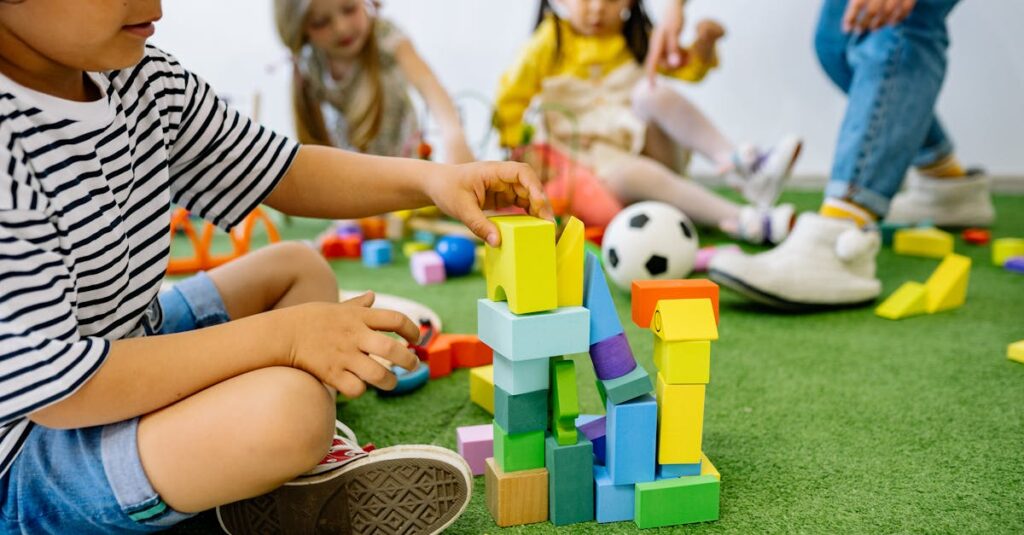

In the grand tapestry of life, some skills are like the sturdy foundation of a house—unseen yet crucial. These building block skills are the unsung heroes that pave the way for more complex abilities. Without them, trying to master advanced skills is like trying to bake a soufflé without knowing how to crack an egg. Spoiler alert: it won’t end well!
Table of Contents
ToggleUnderstanding Basic Skills
Building block skills serve as the essential components for developing more complex abilities. Without these foundational skills, mastering advanced skills becomes significantly challenging.
Definition of Building Blocks
Building blocks refer to fundamental skills that support the development of more complicated tasks. Examples include basic motor skills, communication skills, and problem-solving skills. Each foundational skill interacts with others, creating a network of interconnected abilities. They function as the groundwork upon which individuals can construct further competencies.
Importance in Skill Development
Importance lies in the way these foundational skills enhance learning and adaptation. Developing basic skills can lead to increased confidence and competence in more advanced areas. Educational systems prioritize foundational learning to ensure that students build strong skill sets from the start. Individuals lacking these skills may struggle with complex tasks or face challenges in new environments. Therefore, focusing on these building blocks fosters better problem-solving, socialization, and cognitive abilities.
Types of Foundational Skills
Foundational skills encompass various areas essential for personal development. These skills contribute directly to enhancing more complex abilities.
Cognitive Skills
Cognitive skills include critical thinking, memory, and problem-solving abilities. Mastering these skills allows individuals to analyze information effectively and make informed decisions. Developing strong cognitive skills serves as a precursor for academic success and complex reasoning. For example, children who excel in basic math often find it easier to tackle advanced math concepts. Furthermore, improved memory enhances learning retention across subjects. When these skills are prioritized, individuals navigate new challenges with confidence.
Emotional Skills
Emotional skills involve understanding and managing one’s own emotions and recognizing others’ feelings. Building emotional intelligence supports relationship development and conflict resolution. For instance, a person with high emotional awareness can empathize with others, facilitating better communication. Prioritizing emotional skills fosters resilience and adaptability in challenging situations. Additionally, these skills improve stress management, leading to enhanced overall well-being. Thus, strong emotional competencies contribute significantly to personal and professional success.
Social Skills
Social skills encompass effective communication, collaboration, and interpersonal interactions. Mastery of these skills facilitates successful relationships in various environments. Individuals with strong social abilities often excel in team settings and networking opportunities. For example, active listening promotes thoughtful conversations and builds trust. Developing social skills enhances one’s ability to navigate social complexities, which is vital for emotional and cognitive growth. Prioritizing social skills creates a foundation for effective teamwork and positive interactions in personal and professional spheres.
How Building Blocks Contribute to Skill Sets
Building block skills create a foundation for more complex abilities. Their development fosters both confidence and competence.
Relationship Between Basic and Advanced Skills
Basic skills serve as the groundwork for advanced skills. Without proficiency in foundational skills like communication and problem-solving, mastering intricate tasks becomes arduous. Advanced skills rely on the integration of these foundational abilities for effective execution. The interplay between basic and advanced skills illustrates how advancement in one area strengthens the other. Educational frameworks emphasize this connection, demonstrating that students with solid foundational skills excel in higher-level learning.
Examples of Skill Progressions
Skill progressions involve clear hierarchies with identifiable stages. A person may begin with basic reading and writing skills before advancing to analytical writing and critical reading. Another example includes mastering basic mathematics before tackling algebra and geometry concepts. Social skills also display progression; initiating simple interactions leads to complex negotiation and collaboration. These examples underscore the importance of building block skills in facilitating movement towards more sophisticated competencies. Mastery of foundational skills enhances overall performance and adaptability.
Strategies for Developing Foundational Skills
Foundational skills can be developed through various techniques and consistent practice. Focusing on these strategies enables individuals to build strong skill sets essential for advanced abilities.
Techniques for Skill Acquisition
Employing specific techniques enhances skill acquisition. Breaking down complex tasks into manageable parts allows learners to focus on one aspect at a time. Using visual aids, such as charts or diagrams, helps in understanding concepts better. Engaging in group activities promotes peer learning and skill sharing, creating opportunities for cooperation. Incorporating games makes learning enjoyable while solidifying essential skills. Utilizing technology and interactive tools fosters engagement and can lead to effective skill development. Staying consistent with these techniques ensures continual progress and reinforces foundational abilities.
Role of Practice and Feedback
Regular practice plays a critical role in developing foundational skills. Consistent repetition reinforces learning and aids in retention. Seeking feedback provides valuable insights into progress and areas that require improvement. Encouragement from peers and instructors can motivate individuals to persist and refine their skills. Furthermore, using self-assessment tools helps learners identify their strengths and weaknesses. This combination of practice and feedback creates an environment where foundational skills thrive, enabling seamless progression to more complex abilities.
Building block skills are essential for personal and professional growth. They lay the groundwork for more complex abilities and enhance overall adaptability. By mastering foundational skills such as cognitive, emotional, and social competencies, individuals can navigate challenges with greater confidence.
The interplay between basic and advanced skills highlights the importance of a structured approach to skill development. When individuals focus on strengthening these foundational abilities, they pave the way for success in more intricate tasks. Prioritizing these skills not only fosters competence but also enriches learning experiences, enabling smoother transitions into advanced areas. Investing in foundational skills is a strategic move that pays dividends throughout one’s life.