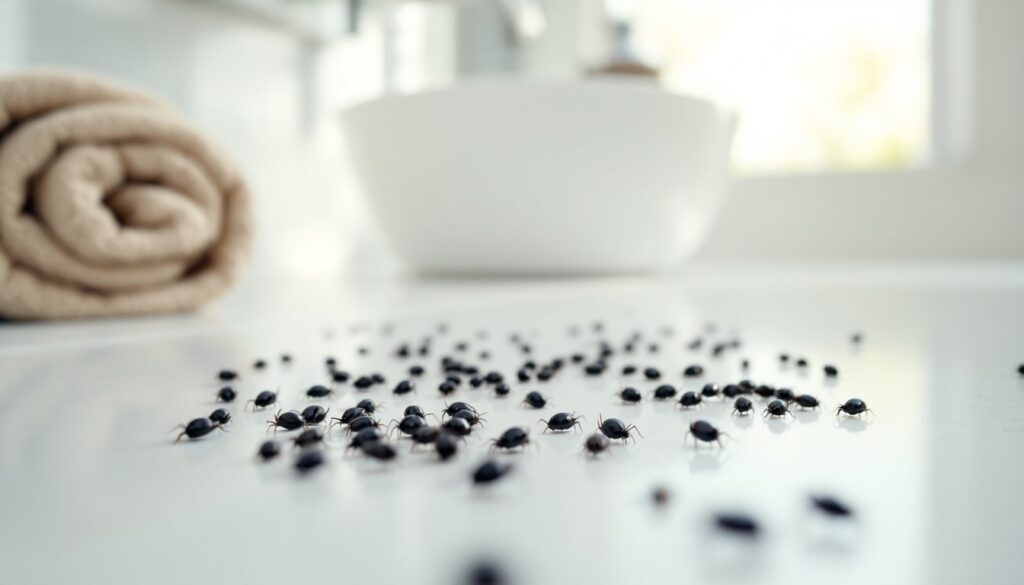

Spotting tiny black bugs crawling across your countertop or bathroom floor is unsettling, especially when you can’t identify them. These pests can range from harmless nuisances to indicators of moisture problems or sanitation issues that need immediate attention. The good news? Most tiny black bugs found indoors are manageable once you know what you’re dealing with. This guide walks homeowners through the most common culprits, where they hide, and practical elimination strategies that work without calling in the cavalry.
Table of Contents
ToggleKey Takeaways
- The most common tiny black bugs in your house include carpet beetles, drain flies, fungus gnats, booklice, and springtails—each with distinct behaviors and habitats you can target for removal.
- Tiny black bugs thrive in moisture-rich areas like bathrooms, kitchens, basements, and drains; eliminating moisture sources through dehumidifiers and ventilation is the most effective natural control method.
- Thorough cleaning techniques—vacuuming carpets weekly, scrubbing drains with vinegar and baking soda, and laundering fabrics in hot water—eliminate most infestations within 2–4 weeks without chemicals.
- If tiny black bugs persist after 4–6 weeks of consistent treatment or you can’t locate the breeding site, hiring a licensed professional exterminator ($100–$300) saves time and prevents recurring problems.
- Sealing entry points, storing food in airtight containers, and decluttering are critical preventive steps that keep tiny black bugs from establishing infestations in the first place.
Common Types of Tiny Black Bugs Found Indoors
Identifying the pest correctly saves time and money. Here are the most frequent tiny black bugs homeowners encounter, along with their telltale characteristics.
Carpet Beetles
Carpet beetles are small, oval-shaped insects ranging from 1/16 to 1/8 inch long. Adult beetles are typically black or mottled with brown, white, or yellow scales, though their larvae, small, fuzzy, and carrot-shaped, cause the real damage.
They feed on natural fibers like wool, silk, feathers, and pet hair. You’ll often find them in closets, along baseboards, inside air ducts, or near windows where adult beetles enter. The larvae leave behind shed skins and irregular holes in fabrics, rugs, and upholstery.
Carpet beetles don’t bite humans, but their larval hairs can irritate sensitive skin. They thrive in undisturbed areas, behind furniture, under beds, or in stored clothing. If you’re seeing adults clustering near windows in spring, it’s likely they’re trying to exit after spending winter indoors.
Drain Flies
Drain flies (also called moth flies or sewer gnats) are tiny, about 1/8 inch, with fuzzy, moth-like wings and a hunched appearance. They’re dark gray to black and are weak fliers, often seen resting on walls near sinks, tubs, or floor drains.
These pests breed in the organic slime that builds up inside drains, condensate pans, and other moist areas with stagnant water. A single female can lay up to 100 eggs in the gelatinous film inside pipes. Larvae feed on the bacterial sludge before emerging as adults within two weeks.
Drain flies don’t bite or cause structural damage, but their presence signals a moisture or sanitation problem. If you’re spotting them in clusters around bathroom or basement drains, that’s your breeding site.
Other common tiny black bugs include:
- Fungus gnats: Similar to drain flies but attracted to overwatered houseplants and damp soil. Homeowners with indoor plants may see these hovering around pots.
- Booklice (psocids): Barely visible, pale to dark brown/black, thriving in humid conditions and feeding on mold, mildew, and stored grains.
- Fleas: Jumping insects, reddish-black, that infest pets and carpet fibers. If bugs are jumping, they’re likely fleas.
- Springtails: Tiny, dark, moisture-loving insects that jump when disturbed. Common in damp basements, bathrooms, and crawl spaces.
Where These Tiny Black Bugs Hide in Your Home
Knowing where to look is half the battle. Tiny black bugs gravitate toward specific conditions, moisture, food sources, and undisturbed spaces.
High-moisture areas: Bathrooms, laundry rooms, basements, and crawl spaces attract drain flies, springtails, and booklice. Check around leaking pipes, condensate lines from HVAC units, and sump pump areas. Poor ventilation compounds the problem.
Kitchen and pantry zones: Carpet beetles and booklice target stored grains, cereals, and pet food. Inspect pantry shelves, especially the backs of cabinets and corners where spills accumulate. Also check pet food bags stored in garages or basements.
Fabric and textile storage: Closets, linen cabinets, attic storage boxes, and under-bed areas are carpet beetle magnets. Natural-fiber rugs, wool blankets, and vintage clothing are prime targets. Look for shed larval skins and small, irregular holes in fabrics.
Drains and plumbing fixtures: Drain flies breed inside the biofilm lining of drains, kitchen sinks, bathroom sinks, tubs, showers, and floor drains. If you have a seldom-used guest bathroom or basement utility sink, that’s a likely hotspot.
Potted plants and soil: Fungus gnats cluster around overwatered houseplants. The larvae live in the top 2 inches of damp potting soil, feeding on organic matter and plant roots. Yellow sticky traps placed near plants will catch adults.
Windows and light fixtures: Many tiny black bugs are attracted to light. Adult carpet beetles and springtails often gather near windowsills, especially in spring and summer. Dead insects piling up in light fixtures or window tracks are a red flag.
How to Get Rid of Tiny Black Bugs Naturally
Most infestations respond well to targeted cleaning and moisture control. Chemical treatments are rarely the first step.
1. Eliminate moisture sources. Fix leaking pipes, improve ventilation in bathrooms and basements, and use a dehumidifier to keep indoor humidity below 50%. Springtails, drain flies, and booklice can’t survive in dry conditions.
2. Clean drains thoroughly. For drain flies, scrub the inside of pipes with a stiff-bristled brush and hot, soapy water. Remove the P-trap if possible and clean out accumulated sludge. Follow up with a mixture of 1/2 cup baking soda and 1/2 cup white vinegar, let it sit for 30 minutes, then flush with boiling water. Repeat every few days until flies disappear. Avoid chemical drain cleaners, they don’t reach the biofilm where larvae live.
3. Vacuum aggressively. For carpet beetles, vacuum carpets, rugs, upholstery, baseboards, and closet floors weekly. Use the crevice tool to reach corners and under furniture. Empty the vacuum bag or canister immediately into an outdoor trash bin. Steam-cleaning carpets and fabric furniture kills eggs and larvae.
4. Launder and freeze fabrics. Wash infested clothing, linens, and curtains in hot water (120°F or hotter) and dry on high heat for at least 30 minutes. For items that can’t be washed, like wool coats or delicate fabrics, seal them in plastic bags and freeze for 72 hours to kill all life stages.
5. Reduce plant watering. Allow the top 2 inches of potting soil to dry out completely between waterings to eliminate fungus gnat larvae. Yellow sticky traps capture adults. For persistent infestations, top-dress soil with a 1/4-inch layer of sand or diatomaceous earth to prevent egg-laying.
6. Declutter and seal food. Remove old newspapers, cardboard boxes, and clutter where booklice and carpet beetles hide. Store grains, cereals, and pet food in airtight plastic or glass containers. Discard expired or infested items in sealed bags.
7. Seal entry points. Caulk cracks around windows, doors, and plumbing penetrations. Install or repair window screens (mesh size 20×20 or finer) to keep adult beetles from entering in spring.
Safety note: When vacuuming or handling infested materials, wear gloves and a dust mask to avoid irritation from carpet beetle hairs or airborne allergens.
When to Call a Professional Exterminator
DIY methods work for most minor infestations, but some situations require professional intervention.
Call a pro if:
- Infestations persist after 4–6 weeks of consistent treatment. Carpet beetles and drain flies should decline noticeably within two weeks if you’re addressing the source.
- You can’t locate the breeding site. Professionals have inspection tools, borescopes, moisture meters, and pheromone traps, that pinpoint hidden problem areas inside walls, under flooring, or in HVAC ducts.
- You’re dealing with structural moisture issues. If drain flies or springtails keep returning even though cleaning, you may have a hidden plumbing leak, foundation crack, or drainage problem that requires a plumber or contractor.
- You suspect multiple pest types. If you’re seeing a combination of bugs, fleas, carpet beetles, and booklice, a professional can assess your home holistically and carry out an integrated pest management (IPM) plan.
- You’re sensitive to pesticides or have health concerns. Pros can apply targeted, low-toxicity treatments in specific areas rather than broadcasting chemicals throughout the home.
- You’re preparing to sell or rent. Documented pest issues can derail real estate transactions. A licensed exterminator provides treatment records and warranties that satisfy buyers and lenders.
Professionals typically charge $100–$300 for an initial inspection and treatment, depending on region and infestation severity. Many offer quarterly or annual maintenance plans. Ask for a detailed treatment plan, product information, and re-treatment policies upfront.
Tip: Before hiring, verify the company is licensed and insured in your state. Check online reviews and ask whether they use IPM practices, focusing on prevention and non-chemical controls before reaching for sprays.
Conclusion
Tiny black bugs are rarely a sign of catastrophic failure, they’re usually a fixable moisture, sanitation, or storage issue. Correct identification, thorough cleaning, and moisture control solve most problems without chemicals or expensive service calls. If DIY efforts don’t produce results within a month, bringing in a licensed professional ensures the job’s done right and prevents recurring infestations.