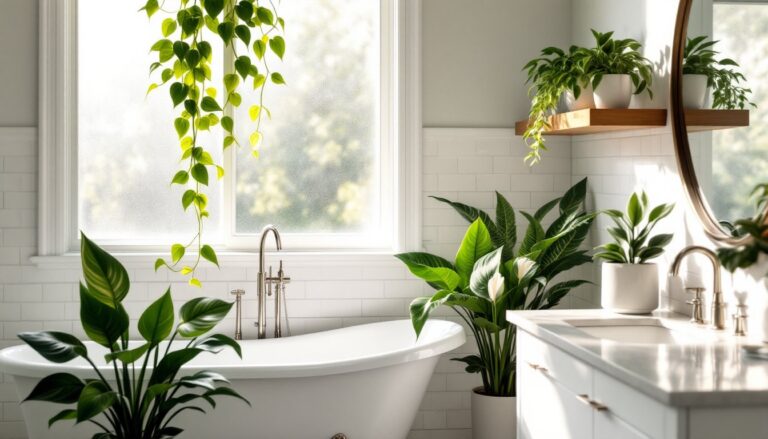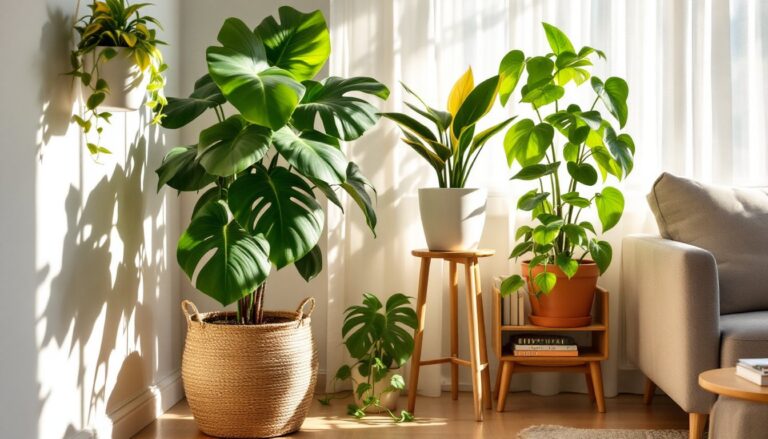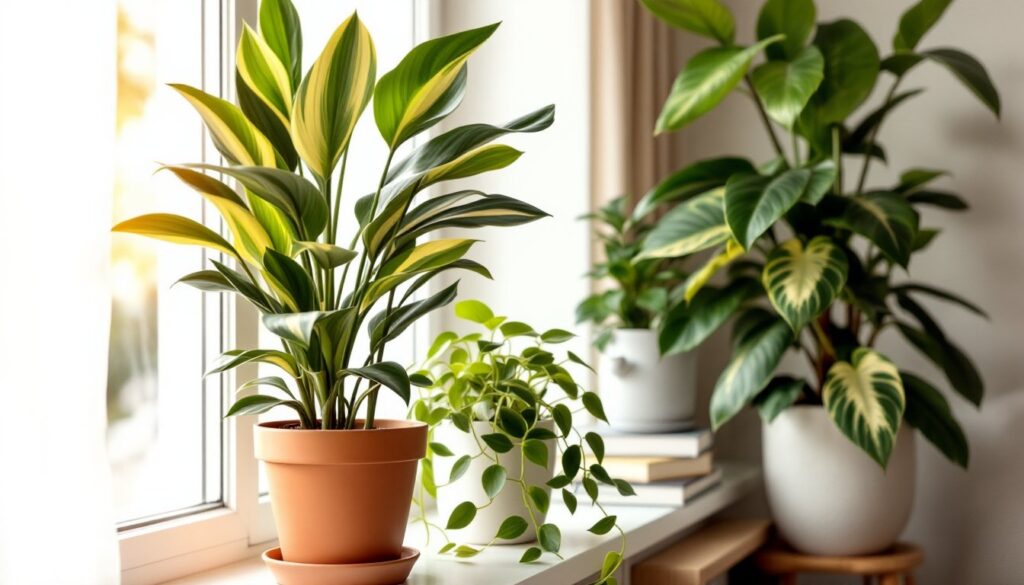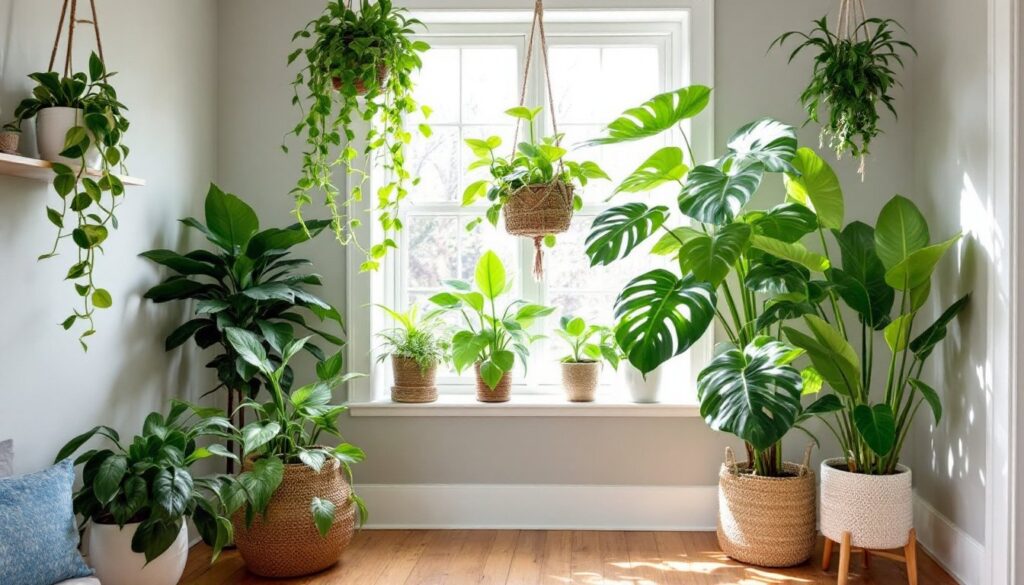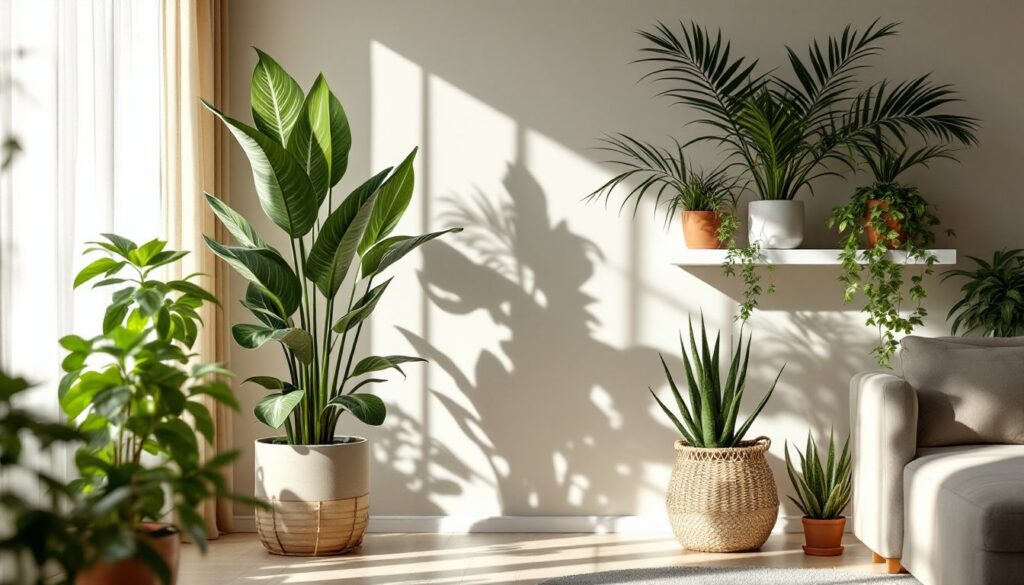

Houseplants do more than look good on a shelf, they actively clean the air and boost oxygen levels while you sleep, work, or binge-watch your favorite shows. If you’re breathing stale indoor air and wondering why your home feels stuffy, the answer might be sitting in a pot on your windowsill. Not all plants pump out oxygen equally, though. Some work overtime at night, others excel in bright light, and a few are tough enough to thrive even if you forget to water them for weeks. Here’s a rundown of the best house plants for oxygen production, along with practical tips to keep them thriving without turning your living room into a jungle.
Table of Contents
ToggleKey Takeaways
- The best house plants for oxygen include snake plants, areca palms, spider plants, and aloe vera, each with unique benefits for air quality and ease of care.
- Snake plants and aloe vera use CAM photosynthesis to produce oxygen at night, making them ideal for bedrooms where you need fresh air while sleeping.
- Indoor air can be 2–5 times more polluted than outdoor air, and strategically placed plants help remove volatile organic compounds like formaldehyde and benzene.
- Proper maintenance—including regular watering, adequate light, clean leaves, and healthy roots—directly impacts how much oxygen your plants produce.
- Place at least two medium-sized plants per 100 square feet of living space, with three to five plants in bedrooms for measurable improvements in air quality.
- Spider plants and areca palms are non-toxic to pets, making them safe choices for homes with cats and dogs, while snake plants and aloe vera should be kept out of reach.
Why Oxygen-Producing Plants Matter for Your Home
Most plants release oxygen during daylight through photosynthesis, but they reverse course at night and consume oxygen instead. That’s fine outdoors, but in a sealed bedroom or basement, it can feel like the air’s getting thin. A handful of species buck this trend, continuing to produce oxygen after dark using a metabolic pathway called CAM (Crassulacean Acid Metabolism). They’re the night-shift workers of the plant world.
Indoor air quality is often worse than outdoor air, thanks to off-gassing from furniture, paint, and cleaning products. The EPA notes that indoor pollutants can be two to five times higher than outdoor levels. Plants with large leaf surface areas or CAM pathways help scrub out volatile organic compounds (VOCs) like formaldehyde, benzene, and trichloroethylene while pumping fresh oxygen back into the room.
Beyond air chemistry, oxygen-rich plants can reduce mental fatigue and improve focus. A study published in the Journal of Physiological Anthropology found that interacting with indoor plants lowered stress and increased feelings of comfort. You don’t need a greenhouse, three to five strategically placed plants in a typical bedroom or living room can make a measurable difference.
Keep in mind that plant size, leaf count, and overall health directly affect oxygen output. A root-bound snake plant in a dark corner won’t perform like a well-lit areca palm with fresh potting mix. Treat your plants like tools: maintain them, and they’ll do the job.
Snake Plant: The Night-Time Oxygen Powerhouse
Snake plant (Sansevieria trifasciata) is the go-to for anyone who wants oxygen production on autopilot. Unlike most foliage, it uses CAM photosynthesis, converting CO₂ into oxygen throughout the night. That makes it ideal for bedrooms where you need fresh air while you sleep.
This plant tolerates neglect better than most pets. It thrives in low to bright indirect light and only needs watering every two to three weeks. Overwatering is the main killer, let the soil dry completely between waterings. Use a well-draining cactus or succulent mix in a pot with drainage holes. In winter, you can stretch watering intervals to once a month.
Snake plants can grow anywhere from 6 inches to 4 feet tall, depending on the variety. The upright, sword-shaped leaves take up minimal floor space, which is a bonus if you’re working with a small apartment. They’re also tough enough to survive near heating vents or drafty windows.
One caution: snake plants contain saponins, which are mildly toxic to cats and dogs if ingested. Keep them on high shelves or in rooms your pets don’t frequent. For humans, they’re perfectly safe and require almost zero maintenance. If you’re new to indoor plants or have a track record of killing houseplants, start here.
Areca Palm: A Natural Air Revitalizer
Areca palm (Dypsis lutescens), also called butterfly palm, is a high-output oxygen producer thanks to its dense canopy of feathery fronds. NASA’s Clean Air Study ranked it among the top plants for removing indoor air toxins, and it’s particularly effective at filtering out formaldehyde and xylene.
This palm prefers bright, indirect light, think a few feet back from a south- or west-facing window. It can tolerate lower light, but growth slows and oxygen output drops. Water when the top inch of soil feels dry, usually once or twice a week depending on humidity. Areca palms love moisture in the air: if your home’s humidity drops below 40%, you’ll see brown leaf tips. A small humidifier or daily misting helps, especially in winter when forced-air heating dries everything out.
Mature areca palms can reach 6 to 7 feet indoors, so plan for space. They grow in clusters, creating a lush, tropical look that works well in corners or next to furniture. Repot every two to three years in spring using a peat-based potting mix with added perlite for drainage.
Areca palms are non-toxic to pets, which is rare for high-performing air purifiers. They do require more attention than snake plants, missed waterings lead to crispy fronds, but the payoff in oxygen and aesthetics is worth it. If you’ve got the space and light, this is one of the best large house plants for boosting air quality.
Spider Plant: Easy Care Meets High Oxygen Output
Spider plant (Chlorophytum comosum) is nearly indestructible, making it a favorite for beginners and forgetful waterers. It produces oxygen efficiently during the day and has been shown to reduce carbon monoxide and formaldehyde levels in controlled studies.
Light requirements are flexible, spider plants handle anything from low light to bright, indirect sun. They’ll grow faster and produce more offshoots (the dangling “spiderettes”) in brighter conditions. Water when the soil surface feels dry, roughly once a week. They’re forgiving if you miss a watering, but consistent moisture keeps the foliage lush and green.
Spider plants grow in a rosette pattern, with arching leaves that can reach 12 to 18 inches long. The cascading habit makes them perfect for hanging baskets or high shelves. The plantlets that dangle from mature plants can be snipped off and propagated in water or soil, an easy way to multiply your oxygen output without spending another dime.
These plants prefer temperatures between 60°F and 75°F and don’t tolerate frost. They’re safe around pets, which is a relief if you’ve got a curious cat or dog. Spider plants occasionally develop brown tips, usually from fluoride or chlorine in tap water. Let water sit overnight before using, or switch to distilled or rainwater. For truly low-light house plants that deliver results, spider plants are hard to beat.
Aloe Vera: Dual-Purpose Healing and Air Quality
Aloe vera is another CAM plant, meaning it releases oxygen at night while absorbing CO₂. Beyond air purification, you can snap off a leaf and use the gel inside to treat minor burns, cuts, and skin irritations, a handy bonus for a houseplant.
Aloe thrives in bright, indirect light but can tolerate some direct sun, especially morning rays. Too much intense light will turn the leaves brown or reddish, while too little causes thin, weak growth. Water deeply but infrequently, every two to three weeks is typical. The thick, fleshy leaves store water, so overwatering leads to root rot fast. Use a cactus or succulent mix and a pot with drainage holes.
Aloe vera stays compact, usually 12 to 24 inches tall, and grows in a tight clump. It occasionally produces offsets (“pups”) around the base, which you can separate and repot. This makes it easy to expand your collection or share with neighbors.
One important note: aloe is toxic to cats and dogs if ingested, causing vomiting and diarrhea. Keep it out of reach if you have curious pets. For humans, it’s safe to handle and use topically. Aloe is drought-tolerant and forgiving, ideal for anyone who travels frequently or has a habit of forgetting to water. It’s also a great candidate for hydroponic house plants if you want to experiment with soil-free growing.
How to Maximize Oxygen Production from Your House Plants
Even the best oxygen producers need proper care to perform. Here’s how to get the most out of your green air filters:
1. Prioritize Leaf Surface Area
More leaves mean more photosynthesis. Keep foliage clean by wiping dust off with a damp cloth every few weeks. Dust blocks light and reduces a plant’s ability to produce oxygen. For large plants like areca palms, a quick rinse in the shower works.
2. Provide Adequate Light
Plants can’t manufacture oxygen without light. If natural light is limited, consider adding a full-spectrum LED grow light. Position it 12 to 18 inches above the plant and run it for 12 to 14 hours daily. This is especially useful in basements or north-facing rooms.
3. Maintain Healthy Roots
Root-bound plants produce less oxygen. Repot every two to three years, or when roots start circling the pot’s edge or poking through drainage holes. Fresh potting mix also restores nutrients and improves drainage. Home improvement pros at The Spruce recommend using a mix that matches your plant’s needs, succulents need gritty soil, while ferns prefer moisture-retentive peat blends.
4. Water Correctly
Both overwatering and underwatering stress plants and reduce oxygen output. Stick your finger into the soil up to the second knuckle: if it’s dry, water. If it’s damp, wait. Use room-temperature water and pour until it drains from the bottom, then discard excess from the saucer.
5. Increase Plant Density
More plants equals more oxygen. Research from Better Homes & Gardens suggests placing at least two medium-sized plants per 100 square feet of living space. In bedrooms, three to five plants can noticeably improve air quality overnight.
6. Avoid Chemical Sprays
Leaf shine products and harsh pesticides can clog plant pores (stomata) and reduce gas exchange. If you spot pests, use insecticidal soap or neem oil, which break down quickly and don’t leave residue.
7. Rotate Plants
Indoor plants grow toward the light source, which can lead to lopsided growth. Rotate pots a quarter turn every week to promote even foliage development and maximize leaf exposure.
If you’re dealing with pets, choose non-toxic varieties like spider plants and areca palms. For low-light spaces, snake plants and pothos are reliable performers. Pothos, in particular, is known for its ability to remove airborne toxins while requiring minimal care. Pair your plant choices with the right environment, and you’ll see tangible improvements in air quality without the need for expensive air purifiers.
Conclusion
Choosing the right house plants for oxygen production isn’t just about aesthetics, it’s about creating a healthier indoor environment with minimal effort. Snake plants and aloe vera work the night shift, spider plants forgive your watering mistakes, and areca palms deliver high output if you’ve got the space and light. Keep the leaves clean, the roots healthy, and the light adequate, and these plants will work harder than most appliances. If you’re ready to breathe easier without buying another gadget, grab a pot and get growing.