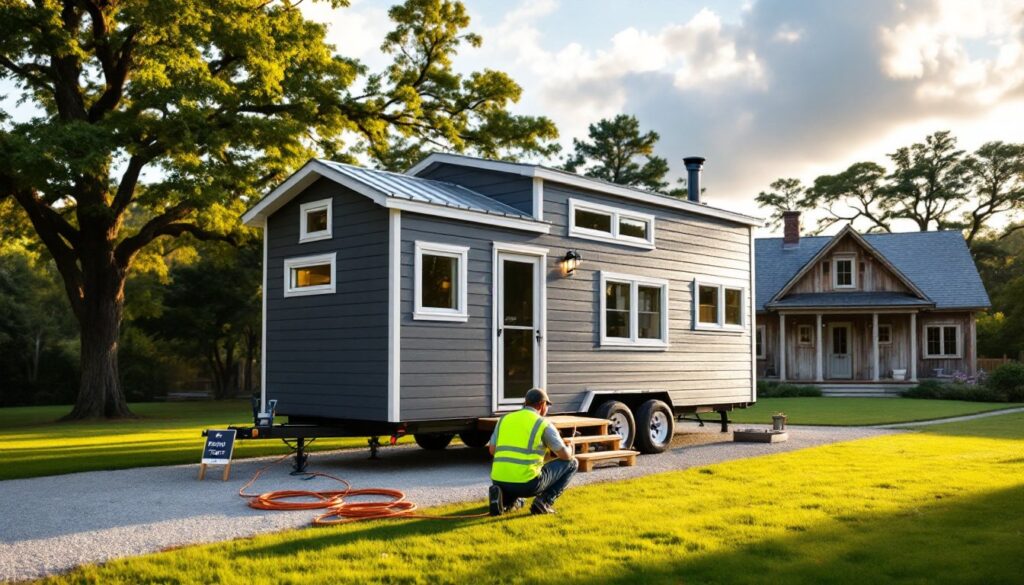

Buying or building a tiny house is the easy part. Finding a legal, practical place to park it? That’s where most tiny house owners hit a wall. Unlike traditional homes, tiny houses occupy a gray area in zoning codes, they’re not quite RVs, not quite permanent dwellings, and local regulations haven’t caught up with the movement. Whether someone’s planning a DIY build on a trailer or a foundation model, the location decision comes first. This guide breaks down the five main placement options, the permits and zoning hurdles involved, and the utilities and foundation work each scenario requires.
Table of Contents
ToggleKey Takeaways
- Finding a legal place to put a tiny house requires navigating zoning codes and regulations that vary dramatically by location, making early research with your local planning department essential.
- The five main placement options—private land, tiny house communities, family property, RV parks, and campgrounds—each offer different levels of autonomy, cost, and legal complexity.
- Zoning ordinances often require minimum dwelling sizes of 600–1,000 square feet, so most tiny houses qualify only as accessory dwelling units (ADUs), which are permitted in some states like California and Oregon but prohibited in many Southern and Midwestern areas.
- Permanent foundations (concrete slabs or pier-and-beam) are more likely to pass zoning inspection than trailer-based tiny houses, which may be classified as RVs and restricted for long-term residential use.
- Utility connections and proper electrical wiring require licensed professionals and permits; running extension cords or improvised connections is both illegal and a serious fire hazard.
- Written agreements and clear contracts are non-negotiable, even between family members, to prevent misunderstandings about utility costs, maintenance, and duration of stay.
On Your Own Private Land
Owning the land outright gives the most control, but it doesn’t guarantee a free pass. Zoning ordinances still apply, and most residential zones have minimum square footage requirements, typically 600 to 1,000 square feet for a primary dwelling. A 200-square-foot tiny house won’t meet that threshold.
Some owners get around this by classifying the tiny house as an accessory dwelling unit (ADU) or a secondary structure like a guest cottage or workshop. ADU regulations vary widely: California and Oregon have relatively permissive rules, while many Southern and Midwestern municipalities prohibit them entirely or require the primary residence to be owner-occupied.
Foundation requirements matter here. A tiny house on a permanent foundation (concrete slab, crawlspace, or pier-and-beam) is more likely to pass inspection than one on a trailer. If the structure is on wheels, some jurisdictions classify it as an RV, which may not be allowed for long-term occupancy in residential zones.
Before breaking ground, call the local planning and zoning department. Ask specifically about:
- Minimum dwelling size for the zone
- ADU allowances and restrictions
- Setback requirements (distance from property lines, roads, and utilities)
- Whether a structure on a trailer qualifies as a permanent dwelling
If the land is rural and unincorporated, regulations may be lighter, but septic, well, and electrical permits will still apply. Don’t assume “out in the country” means “anything goes.”
In Designated Tiny House Communities
Tiny house villages and communities have sprung up in states like Texas, Colorado, North Carolina, and Florida. These are purpose-built developments with infrastructure already in place: electric hookups, water lines, sewer or septic systems, and sometimes shared amenities like laundry facilities or community gardens.
Most communities lease lots monthly or annually, similar to an RV park but with longer-term leases and stricter design standards. Expect to pay $300 to $800 per month depending on location and included utilities. Some communities require tiny houses to meet specific aesthetic guidelines (e.g., board-and-batten siding, metal roofing) to maintain a cohesive look.
The trade-off: less autonomy. Homeowners association (HOA) rules often govern everything from exterior paint colors to the type of vehicle allowed in the driveway. But for those who want a plug-and-play solution with a built-in social network, tiny house communities are the most straightforward option.
Before committing to a lease, ask:
- Are utilities metered individually or shared?
- What’s the guest policy?
- Can residents make exterior modifications (awnings, decks, gardens)?
- Is the lease month-to-month or annual, and what’s the buyout clause?
These communities typically handle permitting and code compliance at the development level, so individual owners don’t need to wrestle with zoning boards.
On Family or Friends’ Property
Parking a tiny house on someone else’s land is common, but it requires clear agreements and often written permission from the property owner. If the property has a mortgage, the lender may have a say, some loan agreements prohibit additional dwellings without approval.
Zoning laws still apply, even on private property. If the tiny house is classified as an ADU, many jurisdictions require the property owner to live in the primary dwelling. Others prohibit more than one dwelling per lot outright. Check local ordinances before moving in a trailer and hooking up utilities.
Utility connections are another consideration. Tapping into an existing home’s electrical panel requires a licensed electrician and potentially a permit if the tiny house draws more than a few amps. The National Electrical Code (NEC) requires a separate circuit breaker and properly sized wire, typically 10 AWG for a 30-amp circuit or 6 AWG for 50 amps. Running an extension cord from a garage outlet won’t cut it and is a fire hazard.
For water and sewer, a T-connection off the main house’s supply line works, but the property’s septic system must be sized to handle the additional load. An undersized septic tank can fail inspection or cause backups. If the property is on city water and sewer, the utility company may require a separate meter and account.
Draft a simple lease or occupancy agreement, even between family members. It should cover:
- Duration of stay
- Utility cost-sharing
- Maintenance responsibilities (yard work, driveway access, snow removal)
- Exit terms if either party wants to end the arrangement
Verbal agreements fall apart when circumstances change. A one-page document signed by both parties avoids misunderstandings later.
At RV Parks and Campgrounds
RV parks accept tiny houses on wheels, but not all of them. Some parks have length restrictions (typically under 40 feet including the trailer hitch) or require the structure to be certified as an RV by the Recreation Vehicle Industry Association (RVIA). Without that certification, many parks won’t allow entry, and insurance can be difficult to obtain.
Monthly rates at RV parks range from $400 to $1,200, with full hookups (water, sewer, electric) included. Long-term sites often have concrete pads, picnic tables, and access to bathhouses and laundromats. But, most RV parks are designed for temporary stays, and some enforce maximum occupancy limits, 60, 90, or 180 days per year.
Campgrounds in national or state parks rarely allow tiny houses, even on trailers. They’re geared toward recreational camping, not full-time living. Private campgrounds are more flexible, but again, expect scrutiny over RVIA certification and vehicle registration.
Before booking a long-term site, ask:
- Is there a length or weight limit?
- Do they require RVIA certification?
- What’s the maximum consecutive stay?
- Are there quiet hours or generator restrictions?
- Can residents receive mail and packages on-site?
RV parks work well for people who want mobility and minimal commitment, but they’re not a permanent housing solution in most cases.
Zoning Laws and Permits You Need to Know
Zoning is the single biggest obstacle to tiny house placement. Most residential zones were written decades ago with minimum square footage rules designed to prevent “substandard” housing. A tiny house, by definition, doesn’t meet those minimums.
Some jurisdictions have created tiny house appendices to their zoning codes, explicitly allowing structures under 400 square feet as ADUs or on foundation-permanent dwellings. Others classify tiny houses on wheels as RVs, which are often prohibited for long-term residential use in most zones.
Key terms to understand:
- ADU (Accessory Dwelling Unit): A secondary dwelling on the same lot as a primary residence. May be attached (in-law suite) or detached (backyard cottage). Many cities now allow ADUs but cap size at 800 to 1,200 square feet.
- Minimum dwelling size: The smallest habitable structure allowed in a zone. Often 600 to 1,000 square feet for a primary residence.
- Setbacks: Required distance from property lines, streets, and other structures. Typically 5 to 25 feet depending on the zone and structure type.
- Variance: A formal exception to zoning rules, granted by a zoning board after a public hearing. Requires proof of hardship or unique circumstances.
Some states, like California and Oregon, have passed laws preempting local restrictions on ADUs, making it easier to place a tiny house legally. Others, like Texas and North Carolina, leave zoning entirely to cities and counties, resulting in a patchwork of rules.
To research local zoning:
- Call the planning or zoning department in the city or county where the land is located.
- Ask for the zoning designation of the property (R-1, R-2, agricultural, etc.).
- Request a copy of the zoning ordinance or a link to the municipal code online.
- Look for sections on ADUs, minimum dwelling size, and RV/trailer occupancy.
- If the answers aren’t clear, hire a local land-use attorney for a consultation. Costs typically run $200 to $500 but can save months of headaches.
Permits depend on whether the tiny house is on a foundation or wheels. Foundation models require:
- Building permit (structural, electrical, plumbing inspections)
- Septic permit (if not on city sewer)
- Well permit (if not on city water)
- Certificate of occupancy after final inspection
Tiny houses on wheels may not require building permits but could need:
- Vehicle registration (if classified as an RV)
- Electrical permit for hookups
- Zoning approval or variance for long-term parking
Never assume a tiny house on wheels sidesteps permitting. Some jurisdictions treat them exactly like permanent structures if they’re occupied year-round.
Utilities and Foundation Considerations for Any Location
Utilities and foundations are where DIY skills meet code compliance. Most tiny houses need electricity, water, and waste disposal. How those get delivered depends on the location.
Electrical
A tiny house typically draws 30 to 50 amps, similar to a small RV. If connecting to an existing panel, a licensed electrician should install a dedicated circuit breaker and run appropriately sized wire in conduit to the tiny house. For a 30-amp circuit, use 10 AWG wire: for 50 amps, use 6 AWG. Distance matters, voltage drop over 100+ feet requires upsizing the wire.
Off-grid setups using solar panels and battery banks are popular but require careful load calculations. A typical off-grid system for a tiny house includes:
- 4 to 8 solar panels (300–400 watts each)
- A 5 to 10 kWh lithium battery bank
- A 3,000-watt inverter
- Charge controller and disconnects
Consult advanced construction techniques for wiring best practices, especially for DIY solar installations.
Water and Waste
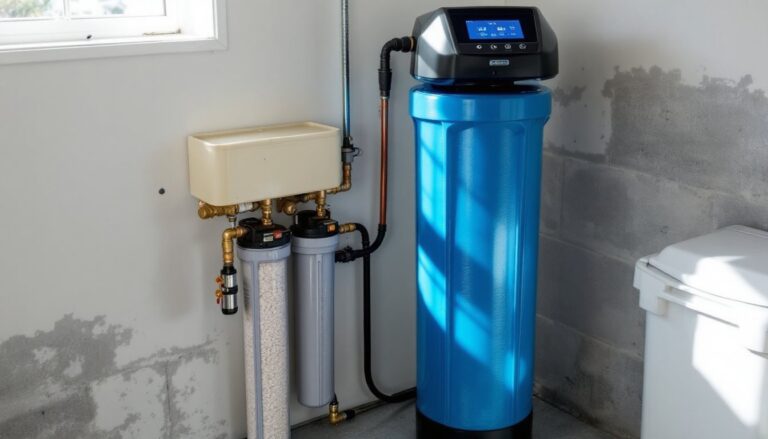
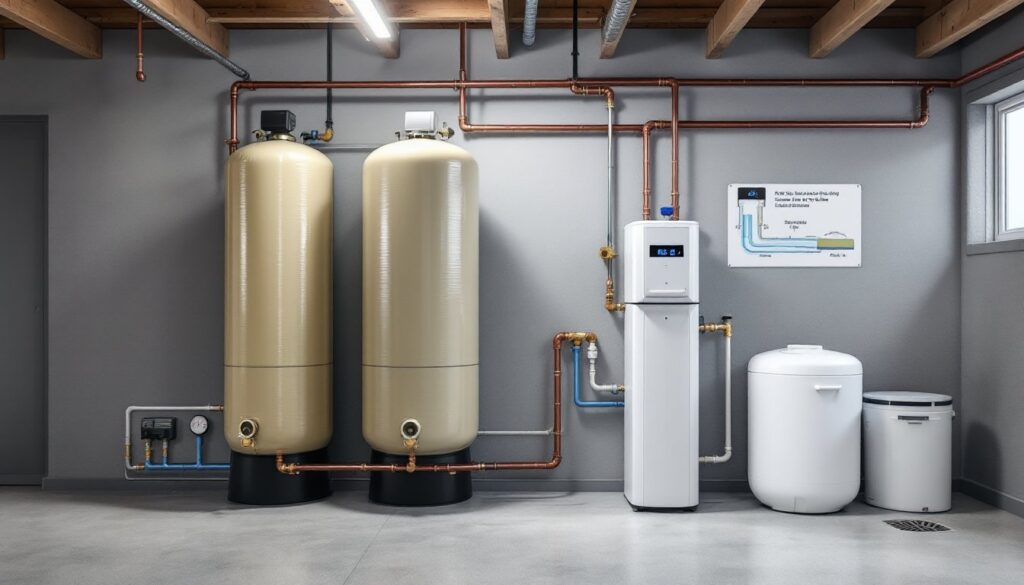
City water and sewer connections are straightforward if available. A plumber can tap into existing lines with a T-fitting and run 3/4-inch PEX or copper supply lines and 3- or 4-inch PVC drain lines.
For off-grid or rural locations:
- Well water: Requires a pump, pressure tank, and filtration. Expect $3,000 to $10,000 for a drilled well.
- Rainwater catchment: Legal in most states but may not be approved as a sole potable source. Pair with filtration and UV sterilization.
- Septic system: A standard septic tank and drainfield cost $5,000 to $15,000. Composting toilets eliminate the need for a septic system but aren’t allowed in all jurisdictions.
- Gray water systems: Some codes allow gray water (from sinks and showers) to irrigate landscaping with proper filtration.
Foundations
Tiny houses on wheels sit on trailer frames, typically with dual axles rated for 10,000 to 14,000 pounds. The trailer must be level, supported by leveling jacks or concrete blocks at each corner and mid-span to prevent sagging. Never leave the weight on the tires long-term, they’ll develop flat spots and rot.
For permanent placement, pour a concrete slab (4 inches thick, reinforced with rebar or wire mesh) or build a pier-and-beam foundation using concrete footings below the frost line and pressure-treated 4×4 or 6×6 posts. Pier-and-beam allows for uneven terrain and easier utility access but requires more labor.
Insulation and moisture barriers under the floor are critical. Use rigid foam insulation (1 to 2 inches) and a vapor barrier (6-mil polyethylene) to prevent condensation and heat loss. Many tiny house placement regulations hinge on whether the structure is on a permanent foundation, so consider this carefully before choosing a trailer-based build.
Conclusion
Placement is the make-or-break decision for tiny house living. Start by researching local zoning and permit requirements, assumptions lead to expensive mistakes. Whether parking on private land, joining a tiny house community, or staying mobile at RV parks, each option has trade-offs in cost, autonomy, and legal complexity. Get permits in writing, hire licensed pros for utilities, and remember: the cheapest option upfront isn’t always the smartest long-term.