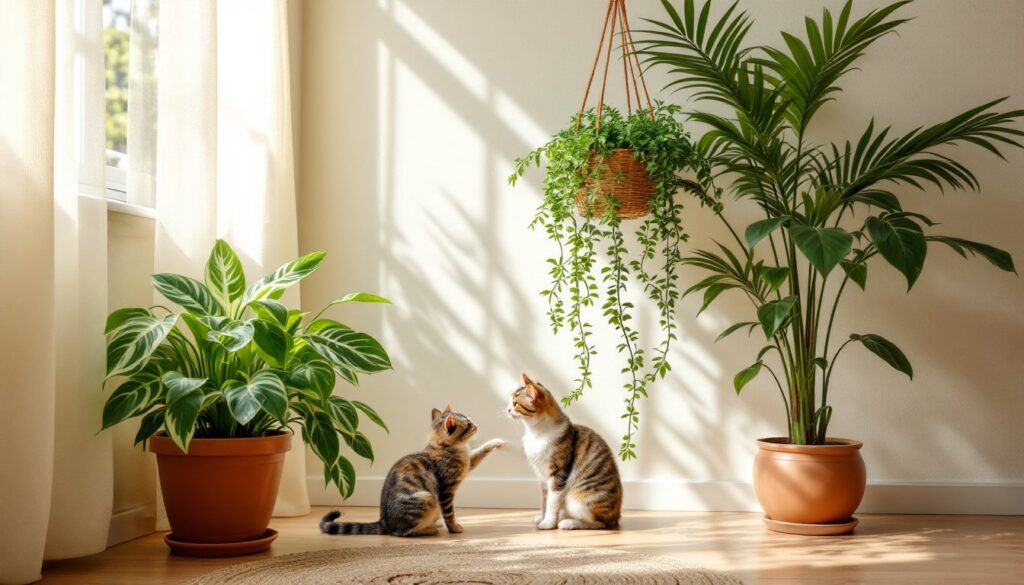

Cat owners face a real dilemma when greening up their homes: most houseplants either demand bright light or pose a risk to curious felines. The good news? Several non-toxic plants thrive in dim corners and shaded rooms without turning into a vet bill. These low-light, cat-safe options let homeowners fill north-facing rooms, hallways, and basement spaces with greenery while keeping pets out of harm’s way. This guide covers the best varieties, how to keep them healthy in darker conditions, and where to place them for maximum impact.
Table of Contents
ToggleKey Takeaways
- Spider plants, Boston ferns, and parlor palms are the best cat-safe house plants for low-light spaces, thriving in north-facing rooms and interior areas while remaining completely non-toxic to curious felines.
- Low-light cat-safe plants require less water and fertilizer than sun-loving varieties since they photosynthesize slower, making a finger-moisture test and proper drainage essential to prevent root rot.
- Position cat-safe house plants in north-facing windows 2–4 feet from glass, use LED grow lights (5000K–6500K) in windowless rooms, and rotate plants weekly to ensure even light exposure and full foliage.
- Wipe leaves every few weeks with a damp cloth to boost photosynthesis, skip fertilizer in fall and winter, and cover soil with river rocks or moss to prevent cats from using pots as litter boxes.
- Hang trailing plants like Boston ferns from ceiling hooks and elevate smaller spider plants on shelves to discourage nibbling while adding vertical interest to dimly lit hallways and interior rooms.
Why Choosing Cat Safe Plants for Low Light Spaces Matters
Many common houseplants contain compounds like saponins, insoluble calcium oxalates, or glycosides that cause anything from mild stomach upset to serious toxicity in cats. Plants like pothos, philodendrons, and peace lilies, popular for their shade tolerance, can trigger vomiting, drooling, or worse if a cat chews a leaf.
Cats are notorious nibblers. Even plants placed on high shelves aren’t always safe: a determined climber or a swatting paw can bring foliage within munching range. Choosing non-toxic varieties eliminates that risk entirely.
Low light spaces add another layer of challenge. Rooms with north-facing windows, interior hallways, or corners far from natural light receive less than 50–100 foot-candles of illumination, enough to read by, but not enough for sun-loving tropicals. The plants that tolerate these conditions often overlap with the toxic list, narrowing options further.
By selecting cat-safe, shade-tolerant species, homeowners avoid the guesswork. There’s no need to barricade plants or worry about emergency vet visits. Easy house plants that tolerate neglect and dim light make maintenance simpler, too.
Best Cat Safe House Plants That Thrive in Low Light
Spider Plant: The Nearly Indestructible Pet-Friendly Option
Spider plants (Chlorophytum comosum) top the list for a reason: they’re bulletproof. These plants tolerate low to moderate light, forgive inconsistent watering, and produce arching foliage that cats might bat at but won’t be harmed by.
Spider plants grow best in temperatures between 65–75°F and prefer soil that dries out slightly between waterings. They’ll survive in darker corners but may not produce as many plantlets (the dangling offshoots). If a cat chomps a leaf, the plant recovers quickly, and the cat walks away unharmed.
These plants do well in 6–8 inch pots with standard potting mix. Expect mature specimens to span 12–18 inches across. They’re also forgiving of root-bound conditions, so repotting isn’t urgent. According to The Spruce, spider plants rank among the easiest for beginners.
One quirk: spider plants can develop brown leaf tips in low humidity or with fluoride-heavy tap water. Use filtered or distilled water if tips turn crispy, and mist occasionally during dry winter months.
Boston Fern: Lush Greenery Your Cat Can Safely Explore
Boston ferns (Nephrolepis exaltata) deliver the lushness of a Victorian parlor without the toxicity. Their feathery fronds cascade beautifully from hanging baskets or pedestals, and cats can investigate without consequence.
These ferns prefer indirect light and consistent moisture. Let the top half-inch of soil dry between waterings, but don’t let the root ball go bone-dry, ferns sulk when neglected. They thrive in 60–75°F with humidity above 50%, making them ideal for bathrooms or kitchens with ambient moisture.
Boston ferns grow large over time, reaching 2–3 feet in width. Plant them in 8–10 inch pots with a peat-based potting mix that holds moisture without turning soggy. If fronds brown, it’s usually a sign of low humidity or underwatering, not low light.
Hanging baskets work well to keep curious cats from trampling delicate fronds. If a cat does nibble, the fern won’t retaliate, just trim any damaged fronds at the base with clean pruning shears.
Parlor Palm: Elegant Low Light Tropical Vibes
Parlor palms (Chamaedorea elegans) bring a tropical feel to spaces where most palms would fail. They handle low light better than areca or majesty palms, and they’re completely safe for cats.
These slow-growing palms reach 2–4 feet indoors over several years. They prefer temperatures between 65–80°F and tolerate drier air better than Boston ferns, though they’ll look better with occasional misting.
Water when the top inch of soil feels dry. Overwatering causes root rot, while underwatering leads to crispy leaf tips. Use a well-draining potting mix in a container with drainage holes. Gardenista recommends repotting every 2–3 years or when roots circle the pot’s interior.
Parlor palms handle fluorescent office lighting just fine, making them a solid choice for interior rooms without windows. Cats may swat at the fronds, but the plant won’t harm them, and the sturdy stems resist toppling.
Other cat-safe, low-light options include African violets (Saintpaulia), prayer plants (Maranta leuconeura), and calathea varieties. Each has specific care needs, but all avoid the toxic compounds found in more common shade plants.
Care Tips for Maintaining Cat Safe Low Light Plants
Low light doesn’t mean no light. Plants still need indirect natural or bright artificial light to photosynthesize. A north-facing window provides enough illumination, as do east-facing windows with sheer curtains. Rooms lit solely by incandescent bulbs won’t cut it, swap in LED grow bulbs (5000K–6500K color temperature) if natural light is scarce.
Watering schedules shift in low light. Plants photosynthesize less, so they use less water. Check soil moisture with a finger test: insert your index finger to the first knuckle. If it’s dry, water thoroughly until excess drains from the pot. If it’s damp, wait another day or two.
Overwatering kills more houseplants than underwatering. In dim conditions, soil stays wet longer, increasing the risk of root rot. Always use pots with drainage holes, and empty saucers 15–20 minutes after watering.
Fertilize sparingly. Low light plants grow slowly and don’t need frequent feeding. Apply a balanced liquid fertilizer (10-10-10 or 20-20-20) diluted to half strength once every 6–8 weeks during spring and summer. Skip fertilizer entirely in fall and winter when growth stalls.
Dust blocks light absorption. Wipe leaves with a damp microfiber cloth every few weeks to keep pores clear and photosynthesis efficient. This also deters spider mites, which thrive on dusty, dry foliage.
Rotate plants 90 degrees every week or two so all sides receive equal light exposure. This prevents lopsided growth and keeps foliage full.
If a cat shows interest in digging or using potting soil as a litter box, cover the soil surface with decorative river rocks or a layer of sphagnum moss. This discourages digging without harming the plant. Homeowners seeking more low light house plants can explore nurseries specializing in shade-tolerant varieties.
Where to Place Your Cat Safe Plants in Low Light Rooms
North-facing windows offer consistent, indirect light throughout the day, ideal for spider plants, ferns, and parlor palms. Place pots 2–4 feet from the glass to avoid cold drafts in winter or heat buildup in summer.
Bathrooms with windows provide natural humidity that Boston ferns crave. A pedestal or corner shelf keeps plants out of the shower spray zone while still benefiting from ambient moisture.
Hallways and interior rooms without windows need supplemental lighting. Install overhead LED grow lights or clamp-on fixtures with adjustable arms. Position bulbs 12–18 inches above foliage and run them for 10–12 hours daily to mimic natural daylight.
Bookshelves and mantels work for smaller spider plants or pothos (if you’re confident your cat won’t reach them). Elevating plants discourages nibbling and adds vertical interest. Just ensure shelves are stable, cats knock things over.
Hanging baskets suspended from ceiling hooks keep trailing plants like Boston ferns out of paw’s reach. Use macramé hangers or metal chains rated for the combined weight of pot, soil, and plant. Install hooks into ceiling joists or use toggle bolts in drywall for secure mounting.
Avoid placing plants near heating vents or air conditioning registers. Forced air dries out foliage and stresses plants already coping with low light. Similarly, keep plants away from drafty doors or single-pane windows in cold climates.
If a cat persistently bothers a plant, try placing it in a room the cat doesn’t frequent, or use a baby gate to restrict access temporarily. Most cats lose interest once novelty wears off. For inspiration on best house plants suited to dim spaces, Better Homes & Gardens offers seasonal guides.
Grouping multiple plants together creates a microclimate with slightly higher humidity, benefiting moisture-loving species like ferns. Just ensure pots have drainage and saucers don’t overflow, creating standing water that attracts pests or encourages mold.
Finally, observe your cat’s behavior. If they ignore plants entirely, placement becomes purely aesthetic. If they’re persistent nibblers, prioritize elevation and physical barriers over hoping they’ll behave. Plants that don’t need much light often adapt better to out-of-the-way corners where cats are less likely to explore.
Final Thoughts
Filling low light spaces with greenery doesn’t require sacrificing a cat’s safety. Spider plants, Boston ferns, and parlor palms deliver lush foliage without toxic side effects, and all three tolerate the dim conditions of north-facing rooms or interior spaces. With proper watering, occasional feeding, and strategic placement, these plants thrive for years with minimal fuss. Homeowners who thought they had to choose between pets and plants now have a third option: both.