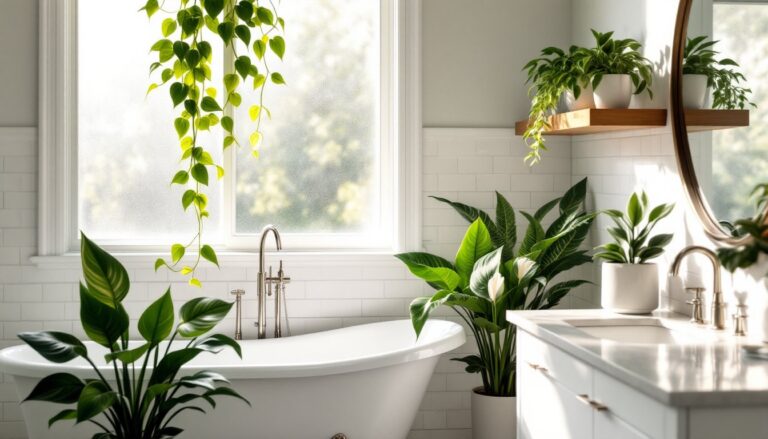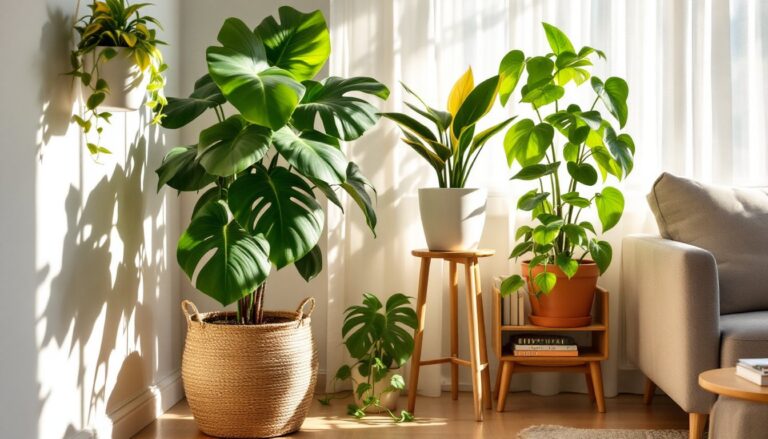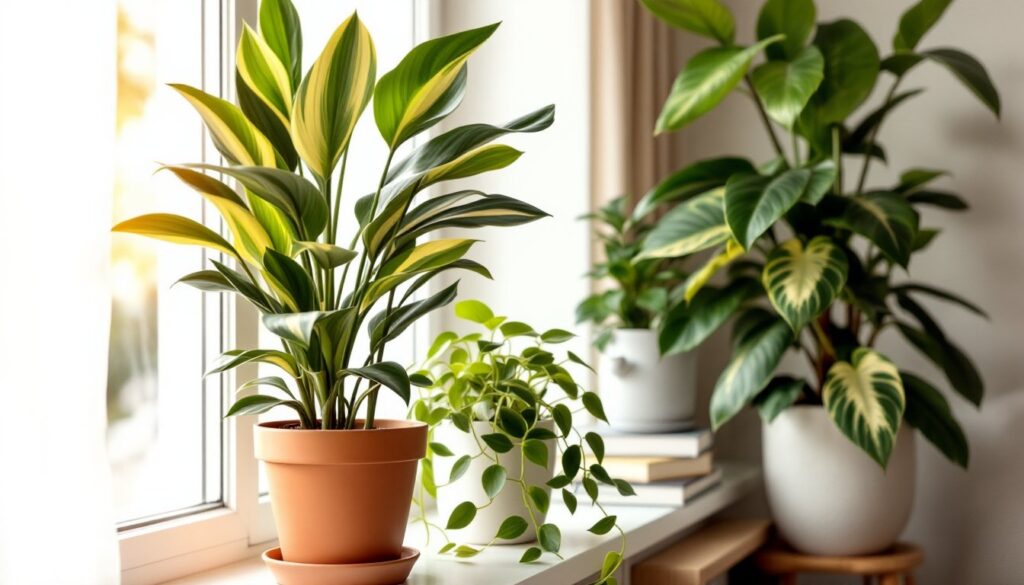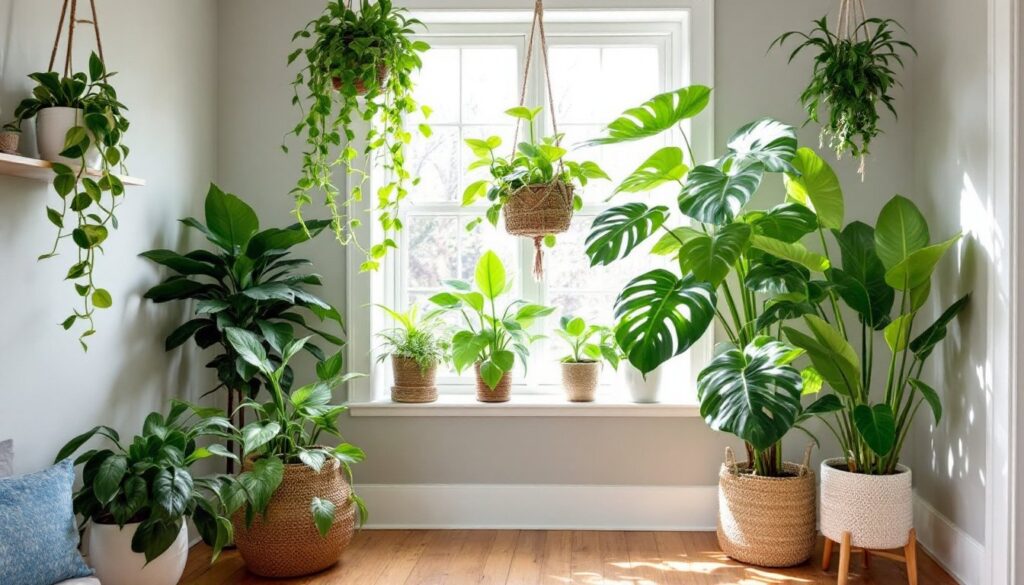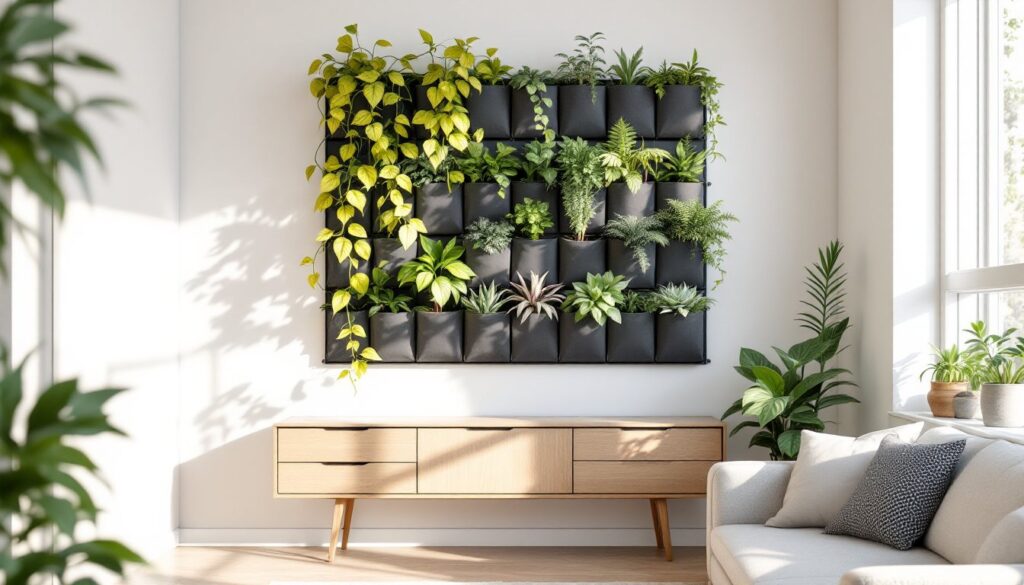

Living walls aren’t just for trendy restaurants anymore. Homeowners are bringing vertical gardens indoors, turning bare walls into living focal points that clean the air and add character without eating up square footage. Whether someone’s working with a sun-drenched south wall or a dim hallway, wall-mounted plants can thrive with the right system and plant selection. This guide walks through choosing plants, picking mounting hardware, and keeping an indoor wall garden healthy long-term.
Table of Contents
ToggleKey Takeaways
- Wall plants indoor designs maximize vertical space while improving air quality by removing VOCs like formaldehyde and benzene without consuming floor space.
- Low-light plants like pothos, snake plants, and philodendrons thrive on north-facing walls, while string-of-pearls, ferns, and spider plants perform best in bright, indirect light.
- Choose between modular pocket planters (lightweight and affordable), mounted shelves (traditional and easier to water), or framed living wall panels (dramatic but expensive and automated).
- Proper installation requires locating studs, installing a moisture barrier to prevent water damage, and selecting anchors rated for the combined weight of planter, soil, and water.
- Wall gardens need zone-by-zone watering adjustments since top plants dry slower than bottom ones, plus monthly leaf cleaning, fertilizing every 4-6 weeks, and regular pruning to maintain healthy growth.
Why Wall Plants Are Perfect for Modern Indoor Spaces
Square footage costs money, and floor space disappears fast. Wall plants use vertical real estate that’s usually wasted, that blank stretch above a console table, the narrow wall in a hallway, or the dead zone behind a home office setup.
Beyond the space savings, living walls improve indoor air quality. NASA’s Clean Air Study confirmed that houseplants remove volatile organic compounds (VOCs) like formaldehyde and benzene from indoor environments. A wall with a dozen plants does the work of several scattered pots without the clutter.
There’s also the visual payoff. A well-planned wall garden creates depth and texture that paint alone can’t deliver. The vertical format shows off trailing plants like pothos or string-of-hearts in ways that sitting on a shelf never could. It’s functional design that doesn’t sacrifice aesthetics.
For renters or anyone hesitant about permanent changes, modular wall planter systems offer flexibility. Most mount with minimal wall penetration, think picture-hanging hardware, and can move to a new home without leaving behind a grid of screw holes.
Best Indoor Plants for Wall Gardens
Low-Light Wall Plants
Not every wall gets flooded with sunlight, and that’s fine. Several low light house plants thrive in indirect or dim conditions, making them ideal for north-facing walls or interior rooms.
Pothos (Epipremnum aureum) tops the list for good reason. It tolerates neglect, grows quickly, and its trailing vines create a cascading effect that fills vertical space. The golden or marble varieties add color variation without needing extra care.
Snake plants (Sansevieria) work in wall-mounted pockets or shelves. Their upright, sword-like leaves add architectural interest, and they’re nearly indestructible. They also handle irregular watering better than most houseplants.
Philodendrons, especially heartleaf varieties, perform well in low light and produce long, draping stems. They root easily in water, so propagating extras to fill gaps in a wall garden is straightforward.
ZZ plants (Zamioculcas zamiifolia) and cast iron plants (Aspidistra elatior) round out the low-light options. Both tolerate low humidity and infrequent watering, which matters when plants are mounted at heights that make daily misting impractical.
Bright-Light Wall Plants
South or west-facing walls with direct sun exposure open up different plant options. These species reward bright light with faster growth and more vibrant foliage.
String-of-pearls (Senecio rowleyanus) and string-of-hearts (Ceropegia woodii) are succulent trailers that cascade beautifully from wall planters. They need well-draining soil and benefit from the air circulation that vertical mounting provides.
Ferns, particularly Boston ferns (Nephrolepis exaltata), thrive in bright indirect light and high humidity. They’re lush and full, creating a dense green backdrop. Keep in mind they’re thirstier than succulents and need consistent moisture. Designers and plant enthusiasts often showcase ferns in vertical garden ideas that emphasize their dramatic texture.
Spider plants (Chlorophytum comosum) produce offshoots (spiderettes) that dangle from the mother plant, creating a layered look perfect for wall displays. They handle bright light and occasional missed waterings.
Peperomia varieties offer compact growth and interesting leaf textures, watermelon, ripple, and teardrop types all work. They stay small, making them suitable for modular systems with individual plant pockets.
Choosing the Right Wall Planter System for Your Home
Wall planter systems fall into three main categories: modular pocket planters, mounted shelves or troughs, and framed living wall panels. Each has trade-offs in cost, installation complexity, and maintenance.
Modular pocket planters use individual felt or fabric pockets attached to a backing board. They’re lightweight, relatively affordable, and DIY-friendly. The felt wicks moisture, but drainage can be tricky, some systems include a built-in catchment tray, while others require placing a drip tray on the floor below. For vertical installations with multiple species, these work well because each plant gets its own compartment.
Mounted shelves and troughs offer more traditional planting. Floating shelves with built-in planters or wall-mounted troughs let someone use standard potting mix and conventional pots. They’re easier to water and replant, but they project further from the wall (typically 6-10 inches) and require more robust anchoring. Use wall studs whenever possible for mounting hardware: toggle bolts work for drywall if studs aren’t aligned, but check the weight rating, a trough full of wet soil is heavier than it looks.
Framed living wall panels are self-contained units with integrated irrigation, often using hydroponic or semi-hydroponic substrates. They’re the most expensive option and may need professional installation, especially if plumbing a water line. They deliver the most dramatic visual impact and simplify watering, but they’re a commitment.
Before choosing, consider wall material. Drywall needs anchors rated for the load. Brick or concrete requires masonry bits and appropriate fasteners. For rental situations, damage-free mounting strips work for lightweight systems (under 10 pounds total), but heavier setups need proper anchors.
Waterproofing matters. Even systems with drainage trays can drip or develop condensation. Back the wall area with a moisture barrier, a sheet of plastic, a waterproof membrane, or even a piece of treated plywood, to protect drywall or plaster from long-term moisture exposure.
DIY Wall Plant Installation: Step-by-Step Guide
Safety first: Wear safety goggles when drilling, and use a dust mask if working with masonry.
Materials and Tools:
- Wall planter system (modular pocket, shelf, or trough)
- Stud finder
- Drill with appropriate bits (wood, masonry, or drywall depending on wall type)
- Level (24-inch or laser level)
- Wall anchors or screws rated for load (check system weight plus soil and water)
- Moisture barrier (plastic sheeting or waterproof backing)
- Potting mix suitable for plant types
- Plants (acclimated to indoor conditions)
Step-by-Step:
-
Locate studs. Use a stud finder to mark stud locations along the wall. For systems over 20 pounds, anchor into at least two studs. If studs don’t align with the planter layout, use heavy-duty toggle bolts or molly bolts rated for the combined weight.
-
Mark and level mounting points. Hold the planter or mounting bracket in position. Use a level to ensure it’s straight, then mark drill holes with a pencil. Double-check measurements, most systems have little tolerance for misaligned holes.
-
Install moisture barrier. Cut plastic sheeting or a moisture-resistant panel to fit behind the planter area. Secure it to the wall with adhesive or small fasteners. This step prevents water damage from seepage or condensation over time.
-
Drill pilot holes and install anchors. Drill into marked locations. For wood studs, use a bit slightly smaller than the screw diameter. For drywall with anchors, match bit size to anchor specifications. For masonry, use a masonry bit and appropriate anchors.
-
Mount the planter system. Attach brackets or the backing board using screws. Tighten firmly but don’t over-torque, stripping drywall anchors is easy. If using a shelf system, confirm it’s level before fully securing.
-
Prepare and insert plants. Use a lightweight potting mix, peat-based or coco coir blends work well because they retain moisture without adding excessive weight. If using a pocket system, slide root balls into pockets and backfill with mix. For pots in troughs or shelves, plant normally. Many easy house plants adapt quickly to vertical arrangements with minimal fuss.
-
Initial watering. Water lightly after installation. For pocket systems, water from the top and let it percolate down: place a tray below to catch runoff. Check drainage after 10-15 minutes to spot any issues.
-
Monitor for settling. Over the first week, check that mounting hardware remains secure as soil settles and plants adjust. Retighten screws if necessary.
If the wall is load-bearing or if installation requires running water lines for an automated system, consult local building codes. Some jurisdictions require permits for plumbing modifications, even minor ones.
Caring for Your Indoor Wall Garden
Wall gardens need different care rhythms than tabletop plants. Gravity and air circulation affect watering, and accessibility changes how hands-on someone can be.
Watering: Top-mounted plants dry out slower than bottom ones because water trickles down. Check soil moisture at multiple levels, stick a finger into pockets or pots at different heights. In modular systems, the bottom row may stay wet while the top dries out. Water accordingly, adjusting volume by section. Using a watering can with a long, narrow spout helps reach upper planters without soaking lower ones.
Drainage: Ensure water exits the system. Pooling water breeds mold and root rot. If using a tray system, empty catchment trays within an hour of watering. For enclosed systems, consider drilling small drainage holes if none exist (check manufacturer guidance first).
Fertilizing: Wall plants grow in limited soil, so nutrients deplete faster. Use a diluted liquid fertilizer at half strength every 4-6 weeks during the growing season (spring and summer). Slow-release granules work for pot-based systems but are harder to apply in pocket planters.
Pruning and grooming: Trim dead leaves and spent growth regularly. Trailing plants like pothos can get leggy: snip back stems to encourage bushier growth. Cuttings root easily in water and can fill in sparse spots. Keep an eye out for pests, spider mites and aphids occasionally show up. Wipe leaves with a damp cloth monthly to remove dust, which improves photosynthesis.
Light monitoring: Even house plants that don’t need a lot of light show stress if conditions change seasonally. South-facing walls get intense summer sun that can scorch leaves: consider sheer curtains to diffuse light. In winter, shorter days may slow growth, that’s normal.
Replanting and rotation: Every 12-18 months, assess plant health. Root-bound plants need repotting or dividing. Swap out struggling specimens for fresh ones. Rotating plants within the wall system ensures even growth and prevents one side from outgrowing the other. Resources like The Spruce provide seasonal care calendars that help time these tasks.
Humidity: Most tropical houseplants appreciate humidity levels between 40-60%. Wall-mounted arrangements benefit from natural air circulation, but heating and cooling systems can dry things out. A small humidifier nearby helps, or group plants with similar needs together, ferns, for instance, appreciate being clustered with other moisture-loving species. Experts on vertical growing often highlight specific pairings on sites like Gardenista, where plant selection is matched to wall conditions.
With consistent attention and adjustments based on seasonal changes, an indoor wall garden becomes a low-maintenance, high-impact feature that grows along with the home.