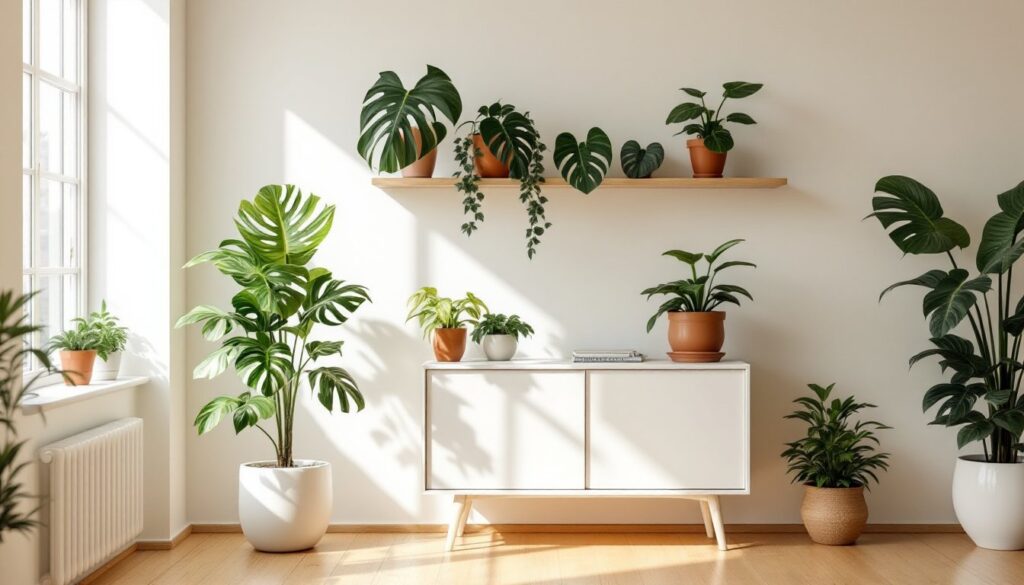

The houseplant market has evolved far beyond basic pothos and snake plants. Today’s plant enthusiasts are hunting for rare variegated varieties, sculptural specimens, and conversation-starting greenery that doubles as living art. While common plants fill retail shelves year-round, unique house plants require knowing where to look, what to ask for, and how to keep them thriving once they’re home. This guide walks through what makes certain plants worth the investment, which rare varieties are gaining traction in 2026, where to source them reliably, and how to integrate them into a home’s design without turning a living room into a chaotic greenhouse.
Table of Contents
ToggleKey Takeaways
- Unique house plants command premium prices due to slow propagation and specialized growing conditions, but they offer significant design value and can appreciate in size and visual impact over time.
- Popular rare varieties in 2026 include variegated Monstera ‘Thai Constellation,’ Philodendron ‘Pink Princess,’ ZZ Raven, and Whale Fin Snake Plant, each requiring specific light and humidity levels for optimal growth.
- Reliable sources for sourcing unique house plants include online specialty nurseries like NSE Tropicals and Steve’s Leaves, local plant swaps, independent nurseries, and botanical garden sales—avoid suspiciously cheap listings on resale platforms.
- Proper care for unique house plants requires acclimation periods, chunky well-draining soil mixes, finger-testing for watering, consistent humidity levels (50–60% for tropicals), and careful pest management to prevent costly losses.
- Position rare plants as intentional focal points near appropriate light sources rather than treating them as filler decor, and group plants by care needs—humidity-loving tropicals together and drought-tolerant varieties separately—to simplify maintenance.
Why Unique House Plants Are Worth the Investment
Rare house plants command higher prices, sometimes significantly higher, than their common counterparts, but that cost often reflects more than scarcity. Many unique varieties are propagated slowly, require specialized growing conditions, or come from limited stock cultivated by small-scale growers. A variegated Monstera deliciosa ‘Thai Constellation,’ for example, can’t be rushed through mass production the way a standard Monstera can.
Beyond the market economics, unique plants offer design value that generic greenery doesn’t. A well-placed Alocasia with dramatic foliage or a trailing Hoya carnosa ‘Compacta’ with twisted leaves draws the eye in ways a grocery store fern can’t replicate. These plants become focal points, conversation starters, and, when cared for properly, long-term investments that appreciate in size and visual impact over time.
There’s also the learning curve. Caring for rare plants often pushes a grower’s skills forward. Someone who’s mastered a pothos might find a Calathea’s humidity requirements challenging at first, but the payoff is a deeper understanding of indoor horticulture. That knowledge transfers to every plant in the collection.
Finally, many unique plants hold their value or even increase it through propagation. A healthy rare Philodendron can be divided or rooted from cuttings, creating new plants to trade, sell, or gift. The initial investment becomes a renewable resource.
Top Unique House Plants to Buy This Year
Rare Variegated Varieties
Variegated plants, those with white, cream, or yellow patches mixed into green foliage, remain among the most sought-after categories in 2026. Variegation occurs naturally through genetic mutation or can be cultivated through selective breeding. Either way, these plants require more light than their all-green counterparts because they have less chlorophyll.
Monstera deliciosa ‘Thai Constellation’ features creamy yellow speckles across large fenestrated leaves. Unlike the unstable variegation of Monstera albo (which can revert to all-green), Thai Constellation’s variegation is tissue-cultured and stable. Expect to pay $80–$200 for a well-rooted specimen, depending on size and maturity.
Philodendron ‘Pink Princess’ produces leaves with bubblegum-pink variegation. The pink portions are delicate and prone to browning if exposed to direct sun or low humidity. This plant requires bright indirect light and consistent moisture. Growers with success in low light house plants may need to adjust their techniques.
Scindapsus pictus ‘Exotica’ offers silvery variegation on velvety heart-shaped leaves. It’s more forgiving than Philodendrons, tolerating lower light and occasional neglect. Prices range from $25–$60 for a 4-inch pot.
One reliable source showcasing curated house plant selections includes variegated options alongside rare species, making it easier to compare availability and pricing.
Sculptural and Architectural Plants
Some plants earn their “unique” status not through color but through form. These specimens function as living sculptures, adding vertical interest or bold geometric shapes to a room.
Zamioculcas zamiifolia ‘Raven’ (ZZ Raven) starts as deep green and matures to near-black. Its thick, upright stems and glossy leaves create a modern, architectural presence. Unlike many rare plants, ZZ Raven tolerates low light and irregular watering, making it beginner-friendly. Expect $30–$80 for a 6-inch pot.
Euphorbia trigona (African Milk Tree) grows in tall, columnar branches with small leaves along the edges. It’s technically a succulent, requiring minimal watering and well-draining soil. The milky sap is an irritant, so wear gloves when handling or pruning. Mature plants can reach 6–8 feet indoors.
Alocasia ‘Dragon Scale’ features thick, textured leaves with prominent venation that resembles reptile skin. It’s humidity-dependent and goes dormant if conditions aren’t ideal, so it’s not a plant for hands-off growers. Pair it with a humidifier or pebble tray, especially in winter.
Sansevieria masoniana (Whale Fin Snake Plant) produces single, paddle-shaped leaves that can grow 3–4 feet tall. Unlike traditional snake plants with narrow, upright leaves, the Whale Fin makes a bold statement in minimalist interiors. It’s drought-tolerant and thrives on neglect, similar to other Sansevierias.
Where to Find Unique House Plants for Sale
Sourcing rare plants requires more effort than walking into a big-box garden center. While mainstream retailers occasionally stock unique varieties, serious collectors rely on specialized channels.
Online specialty nurseries offer the widest selection. Shops like NSE Tropicals, Steve’s Leaves, and Gabriella Plants ship nationally and often list rare stock that local stores never carry. Always check seller reviews, shipping policies (plants shipped in cold weather often arrive damaged), and whether they include heat packs in winter or cold packs in summer.
Local plant swaps and Facebook groups connect growers within a region. These communities often trade cuttings or sell divisions at below-retail prices. The downside is availability is unpredictable, and plant ID can be unreliable. Ask for photos of the mother plant and verify species names before committing.
Independent nurseries and botanical garden sales occasionally stock rare plants, especially during spring fundraisers or member sales. Staff at independent nurseries are often growers themselves and can offer care advice tailored to local climate and indoor conditions.
Etsy and eBay carry unique plants, but quality varies wildly. Stick to sellers with hundreds of positive reviews and clear photos of the actual plant being sold (not stock images). Be wary of listings that seem too cheap, variegated Monsteras selling for $15 are likely scams or misidentified plants.
For those interested in expanding beyond traditional soil-based plants, hydroponic house plants offer a modern growing method that can reduce pest issues and simplify watering schedules for rare varieties.
Home improvement and gardening resources like those found on Better Homes & Gardens frequently highlight seasonal plant trends and shopping guides that can point shoppers toward reputable sources.
How to Care for Your Rare House Plants
Rare plants often come with specific care requirements that differ from common varieties. Skipping these steps usually results in expensive casualties.
Acclimate new arrivals slowly. Plants shipped in boxes or moved from a greenhouse to a home need time to adjust. Place new plants in a sheltered spot with indirect light for 7–10 days before moving them to their permanent location. Monitor for shipping stress, yellowing leaves or wilting, and avoid fertilizing until the plant stabilizes.
Soil composition matters more than brand. Most rare aroids (Philodendrons, Monsteras, Anthuriums) need a chunky, well-draining mix. Combine potting soil (40%), orchid bark (30%), perlite (20%), and worm castings (10%) for a blend that retains moisture without staying soggy. Pre-bagged mixes marketed as “aroid mix” are available but often overpriced.
Water based on the plant, not a schedule. Stick a finger 2 inches into the soil: if it’s dry, water thoroughly until it drains from the bottom. Rare plants are more susceptible to root rot than hardy varieties, so err on the side of underwatering. Use pots with drainage holes, decorative cache pots are fine as long as the inner pot drains.
Humidity is non-negotiable for many rare tropicals. Target 50–60% relative humidity for Calatheas, Alocasias, and Anthuriums. A digital hygrometer ($10–$15) removes the guesswork. If ambient humidity is low, group plants together, use a cool-mist humidifier, or place pots on trays filled with water and pebbles (ensuring the pot doesn’t sit in water).
Fertilize sparingly. Rare plants grow slowly, especially in indoor conditions. Use a balanced liquid fertilizer (20-20-20 NPK) diluted to half strength, applied monthly during the growing season (spring through early fall). Over-fertilizing causes salt buildup and burned roots.
Those adding red house plants to their collection should note that many colorful varieties, like Fittonia or certain Aglaonemas, share similar care needs with rare variegated plants, high humidity and consistent moisture.
Pest management is critical. Rare plants are often more vulnerable to spider mites, thrips, and mealybugs. Inspect new plants carefully before introducing them to an existing collection. Quarantine newcomers for two weeks. If pests appear, treat immediately with insecticidal soap or neem oil, following label instructions. Wear gloves when handling neem oil, as it can irritate skin.
Designing Your Space Around Unique House Plants
Rare plants deserve thoughtful placement. Treating them as afterthoughts tucked into corners wastes their visual potential.
Scale the plant to the room. A 6-foot Fiddle Leaf Fig works in a living room with 9-foot ceilings but overwhelms a small bedroom. Conversely, a 4-inch variegated Hoya gets lost on a large bookshelf. Match plant size to the space, or plan for growth if buying a juvenile specimen.
Use plants as focal points, not filler. A single Alocasia ‘Polly’ on a mid-century plant stand draws more attention than a cluster of mismatched pots on a windowsill. Let unique plants stand alone or pair them with simple, complementary greenery. Avoid crowding rare plants with tchotchkes or competing decor.
Lighting dictates placement, not aesthetics. A stunning Philodendron ‘Pink Princess’ won’t thrive in a dim hallway, no matter how good it looks there. Measure light levels with a light meter app (many are free) or observe natural light patterns throughout the day. Bright indirect light means the plant is near a window but shielded from direct sun by a sheer curtain or positioned a few feet back. East-facing windows offer gentler morning light: south-facing windows provide the brightest conditions.
For homes with limited natural light, consulting guides on the best house plants low light can help identify which rare varieties, like certain Pothos or ZZ plants, can tolerate shadier corners.
Choose pots that complement, not compete. Rare plants with bold foliage (variegation, unusual colors, dramatic shapes) pair best with neutral pots, matte white, terracotta, or concrete. Save colorful or patterned pots for simpler greenery. Ensure pots are appropriately sized: too large, and soil stays wet too long: too small, and roots become bound quickly.
Consider vertical space. Trailing plants like Scindapsus or Hoya look best on shelves, in hanging planters, or trained up a moss pole. Climbing plants benefit from support structures, moss poles, bamboo stakes, or trellises, which encourage larger leaf development in aroids like Monstera.
Resources like The Spruce provide additional guidance on integrating plants into various interior design styles, from modern minimalist to boho eclectic, helping homeowners visualize placement before committing.
Group plants by care needs, not just aesthetics. Placing a humidity-loving Calathea next to a drought-tolerant Euphorbia creates conflicting watering and environmental needs. Cluster tropicals together where you can run a humidifier: keep succulents and cacti in drier zones. This approach simplifies care and reduces the risk of overwatering or underwatering.
For those exploring more exotic color palettes, reviewing pictures of tropical house plants can spark ideas for combining textures, colors, and forms in cohesive displays that feel intentional rather than haphazard.