
Adding greenery to a home doesn’t require a green thumb or hours of weekend maintenance. Low-maintenance indoor plants thrive on minimal attention, making them ideal for busy schedules, forgetful waterers, or anyone new to plant parenthood. These hardy varieties tolerate inconsistent care, adapt to various light conditions, and keep on growing even when life gets hectic. Whether it’s a corner office, a dim hallway, or a sun-drenched kitchen, there’s a resilient plant that fits the space and lifestyle without demanding constant fussing.
Table of Contents
ToggleKey Takeaways
- Easy to care indoor plants like snake plants, pothos, and ZZ plants require minimal attention and adapt to various light conditions, making them perfect for busy schedules or beginners.
- Overwatering is the leading cause of indoor plant failure; stick to a simple rule of checking soil moisture 2 inches deep before watering to prevent root rot.
- Low-light indoor plants naturally purify air by filtering toxins like formaldehyde and benzene while thriving in corners, dim hallways, or offices with limited windows.
- Start with well-draining soil mixed with perlite (20–30% by volume) and ensure every pot has drainage holes to prevent moisture buildup and root disease.
- Feed easy care indoor plants only during spring and early fall with half-strength diluted fertilizer, as most require minimal nutrition compared to high-maintenance varieties.
- Isolate and treat pest problems early by wiping leaves weekly and maintaining good air circulation, since low-maintenance plants resist pests better than finicky tropical species.
Why Choose Low-Maintenance Indoor Plants?
Low-maintenance indoor plants offer practical benefits beyond aesthetics. They purify air by filtering toxins like formaldehyde and benzene, improving indoor air quality without running a mechanical filter. Most beginner-friendly species tolerate irregular watering schedules, surviving a missed week or two without wilting. This resilience makes them ideal for renters, frequent travelers, or households where plant care isn’t always top of mind.
These plants also adapt to a range of lighting conditions. Many species thrive in indirect light or even dim corners, eliminating the need for south-facing windows or grow lights. They’re forgiving of temperature fluctuations common in homes, no need to maintain greenhouse-level humidity or precision climate control.
From a maintenance standpoint, beginner plants require minimal pruning, infrequent repotting, and simple fertilization schedules. Most only need feeding once or twice during the growing season (spring through early fall). They’re less prone to pests like spider mites or aphids compared to finicky tropical varieties, reducing the need for chemical treatments or constant monitoring.
Cost-wise, starter plants run $10–$30 at garden centers or big-box stores, with propagation-friendly species like pothos allowing free expansion through cuttings. Unlike high-maintenance orchids or fiddle-leaf figs, these workhorses deliver green without the ongoing investment in specialty soil mixes, humidifiers, or plant hospital visits.
Best Easy to Care Indoor Plants for Beginners
Snake Plant (Sansevieria): The Ultimate Hands-Off Houseplant
Snake plants (also called mother-in-law’s tongue) tolerate weeks of neglect, making them nearly indestructible. Their thick, upright leaves store water, so they prefer dry soil between waterings, overwatering causes root rot faster than underwatering ever will. Water every 2–3 weeks in warmer months, less in winter when growth slows.
They adapt to low, medium, or bright indirect light, though growth accelerates near windows. Variegated varieties (with yellow or white edges) need slightly more light to maintain color patterns. Snake plants handle temperature swings from 55°F to 85°F without complaint, making them suitable for drafty entryways or climate-controlled offices.
Plant in well-draining cactus or succulent mix (1:1 potting soil to perlite works). Terra-cotta pots help wick excess moisture from roots. These plants grow slowly, so repotting every 3–5 years suffices unless roots crack the container. They propagate easily via leaf cuttings or root division, slice a healthy leaf into 3-inch sections, let cut ends dry for a day, then plant in moist soil.
Snake plants filter formaldehyde and benzene while releasing oxygen at night (unlike most plants), making them bedroom-friendly. Mature plants reach 2–4 feet tall depending on variety, with dwarf cultivars staying under 12 inches.
Pothos: The Forgiving Trailing Plant
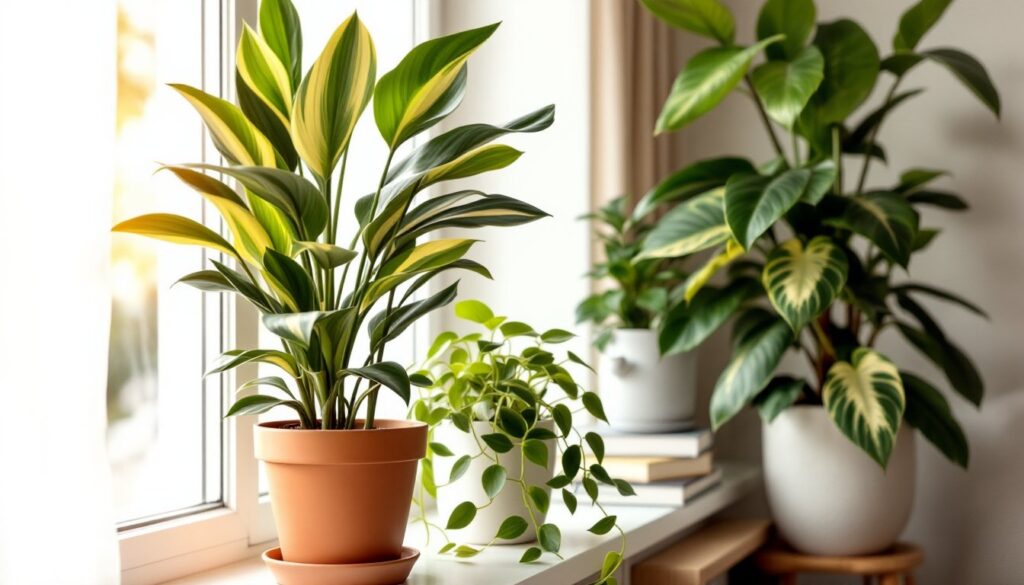
Pothos (Epipremnum aureum) trails elegantly from shelves or hanging baskets, tolerating low light better than most vining plants. Golden pothos features green leaves splashed with yellow: jade pothos stays solid green and handles dimmer spots. Both varieties bounce back from missed waterings, with leaves drooping slightly as a visual cue before any permanent damage occurs.
Water when the top 2 inches of soil feel dry, about once a week in spring/summer, every 10–14 days in fall/winter. Pothos roots rot quickly in soggy soil, so ensure pots have drainage holes. They thrive in standard potting mix with added perlite for aeration (70% potting soil, 30% perlite). These plants adapt well to low light house plants environments, making them versatile for apartments or rooms with limited windows.
They grow fast, vines extend 12–18 inches per growing season in good conditions. Trim leggy stems to encourage bushier growth, and propagate cuttings in water or soil. Snip 4–6 inch sections below a node (the bump where leaves emerge), remove lower leaves, and place in a glass of water. Roots develop in 1–2 weeks.
Pothos tolerates average home humidity (40–60%) and temperatures between 60°F and 80°F. Yellowing leaves often signal overwatering: brown, crispy tips indicate underwatering or low humidity. Wipe leaves monthly to remove dust that blocks light absorption. Fertilize with diluted liquid houseplant fertilizer every 4–6 weeks during spring and summer, skip feeding in fall/winter when growth naturally slows.
ZZ Plant: Thrives on Neglect
ZZ plants (Zamioculcas zamiifolia) feature glossy, dark green leaves on thick stems that store water like a camel stores reserves. They tolerate low light conditions better than snake plants, making them ideal for windowless bathrooms or basement offices. The species survives fluorescent lighting in commercial spaces, though growth stays compact in dim settings.
Water sparingly, every 2–3 weeks when soil dries completely. ZZ plants grow from underground rhizomes that rot if kept wet, so err on the dry side. In winter, reduce watering to once monthly. Use a well-draining mix (standard potting soil with added perlite or orchid bark). Terra-cotta pots help prevent moisture buildup.
These plants grow slowly, reaching 2–3 feet tall over several years. New shoots emerge from the soil base rather than branching from existing stems, so don’t expect bushy growth from pruning. Repot only when rhizomes crowd the pot, typically every 2–3 years. Division during repotting produces new plants: separate rhizomes with a clean knife, ensuring each section has stems and roots.
ZZ plants handle temperature fluctuations from 60°F to 75°F and tolerate dry indoor air without crispy leaf tips. They’re pet-unfriendly (toxic if ingested), so keep them out of reach from curious cats or dogs. Dust leaves with a damp cloth quarterly to maintain their natural shine. Fertilize once in spring with half-strength liquid fertilizer, these plants don’t need heavy feeding.
Yellowing stems usually indicate overwatering or root rot. If stems feel mushy, unpot the plant, trim affected rhizomes with sterilized shears, and repot in fresh, dry soil. Let the plant recover without watering for 2–3 weeks. For more varieties that handle minimal lighting conditions, consider pairing ZZ plants with other low-light champions.
Simple Care Tips to Keep Your Indoor Plants Thriving
Watering: Most beginner plant deaths come from overwatering, not underwatering. Stick a finger 2 inches into the soil, if it feels damp, wait. Use room-temperature water to avoid shocking roots, and always pour until water drains from the bottom. Empty saucers within 30 minutes to prevent root rot. Plants in terra-cotta pots dry faster than those in plastic or ceramic, requiring more frequent watering.
Light Requirements: “Low light” doesn’t mean no light. Even shade-tolerant plants need some natural or artificial light to photosynthesize. Place plants within 5–10 feet of a window for ambient light, or use full-spectrum LED bulbs if natural light is scarce. Rotate pots a quarter-turn weekly so all sides receive equal exposure, preventing lopsided growth. According to Gardenista’s guide on indoor plants, many low-light species adapt well to offices and north-facing rooms.
Soil and Drainage: Standard potting mix works for most houseplants, but adding perlite or coarse sand (20–30% by volume) improves drainage and prevents compaction. Never use garden soil indoors, it’s too dense and may harbor pests. Ensure every pot has drainage holes: decorative cache pots without holes work as outer sleeves, but plants should sit in an inner nursery pot that drains.
Humidity and Temperature: Most easy-care plants tolerate typical home humidity (40–50%). If leaf tips brown consistently, group plants together to create a microclimate, or place pots on pebble-filled trays with water (pots sit above water level, not in it). Keep plants away from heating vents, air conditioners, and drafty doors, which cause temperature swings.
Fertilizing: Feed during active growth (spring through early fall) with diluted liquid fertilizer at half the package strength. Over-fertilizing causes salt buildup that burns roots, watch for white crust on soil or pot rims. Flush pots with plain water every few months to leach excess salts. Skip fertilizing in winter when most plants enter dormancy.
Pest Management: Check leaves weekly for spider mites (fine webbing), mealybugs (white cottony clusters), or aphids (tiny green or black insects). Isolate affected plants immediately. Wipe pests off with a damp cloth, or spray with insecticidal soap (follow label directions). Good air circulation and avoiding overwatering reduce pest problems. For ongoing care insights, home decor and gardening resources offer detailed troubleshooting guides.
Repotting: Repot when roots circle the pot’s interior or poke through drainage holes, usually every 1–3 years depending on growth rate. Choose a pot 1–2 inches larger in diameter. Gently loosen root-bound roots before placing in fresh soil, and water thoroughly after repotting. Some plants, like snake plants and ZZ plants, prefer being slightly root-bound and flower more readily when snug in their pots.
Pruning and Maintenance: Trim dead or yellowing leaves at the base with clean scissors or pruning shears. Pinch back leggy stems on vining plants to encourage branching. Wipe leaves with a damp microfiber cloth monthly to remove dust, which blocks light and attracts pests. For additional tips on maintaining greenery in spaces with limited natural light, consider exploring varieties specifically adapted to dim conditions.
Safety Considerations: Many common houseplants, including pothos, ZZ plants, and snake plants, contain compounds toxic to pets if ingested. Keep plants on high shelves or in rooms pets don’t access. If a pet chews a plant, contact a veterinarian, symptoms like drooling, vomiting, or lethargy require prompt attention. Non-toxic alternatives include spider plants, Boston ferns, and prayer plants.
Seasonal Adjustments: Growth slows in fall and winter due to shorter days and cooler temperatures. Reduce watering frequency and pause fertilizing until spring. Move plants closer to windows if possible to compensate for weaker winter sunlight. Avoid placing plants near fireplaces or radiators, which dry out leaves rapidly. Insights from Southern Living’s home and garden articles highlight regional considerations for indoor plant care, especially in climates with extreme seasonal shifts.
Conclusion
Easy-care indoor plants prove that greenery doesn’t require expertise or daily attention. Snake plants, pothos, and ZZ plants deliver lush foliage with minimal fuss, adapting to varied light, forgiving missed waterings, and thriving under benign neglect. With straightforward care routines, proper watering, adequate light, and occasional feeding, even beginners can cultivate a thriving indoor garden that cleans air and brightens spaces year-round.