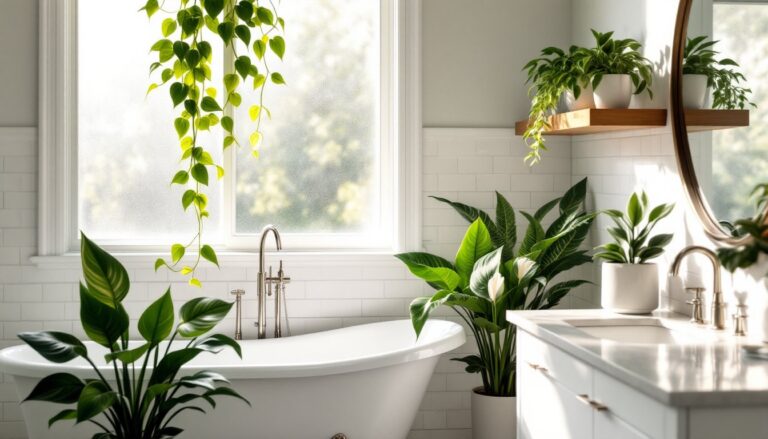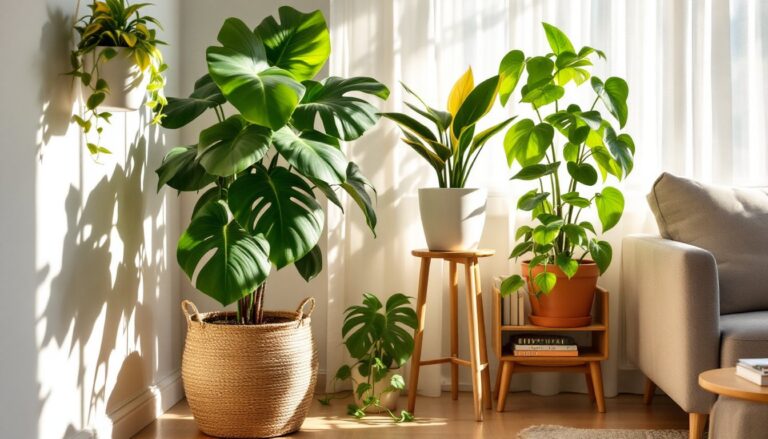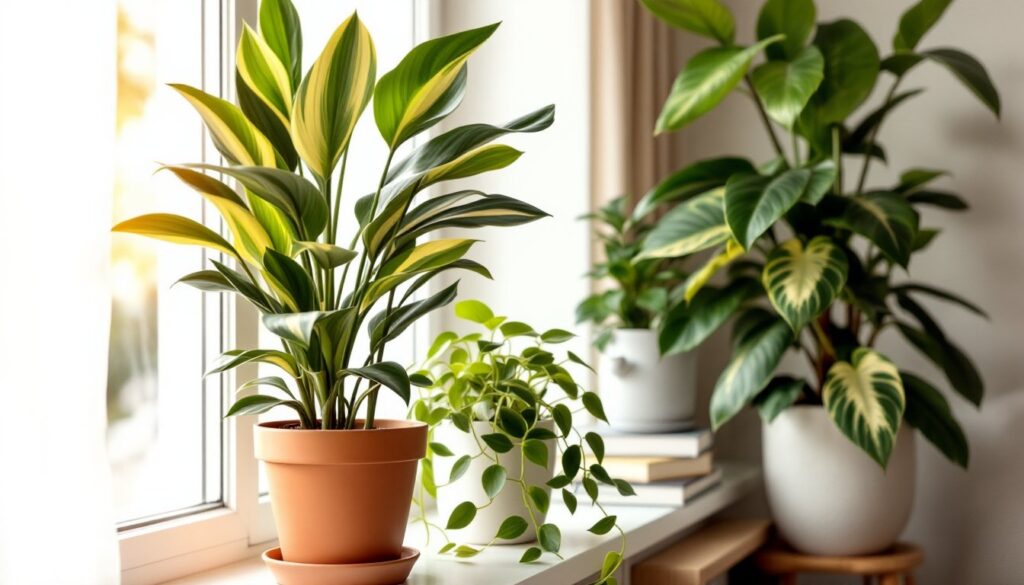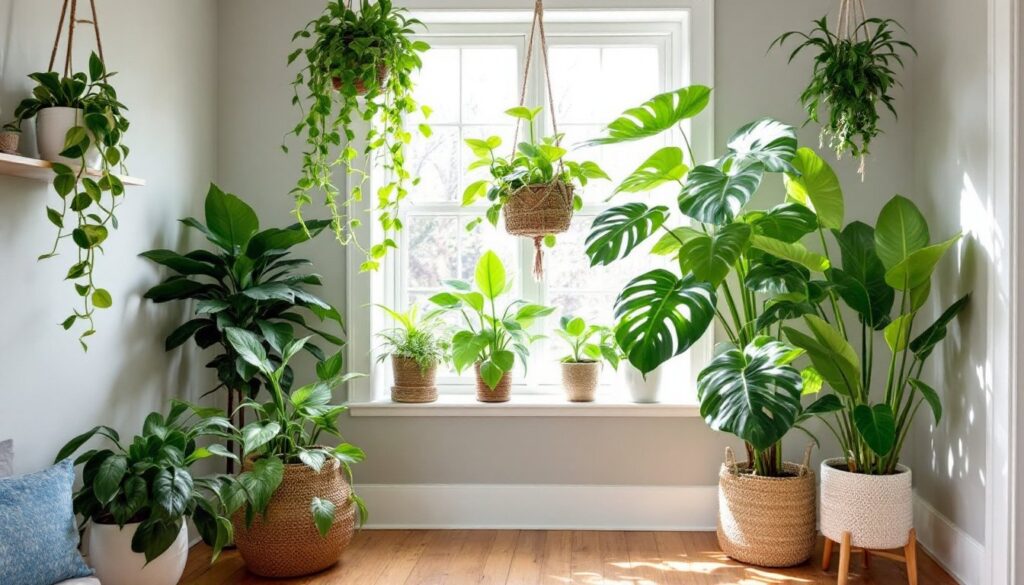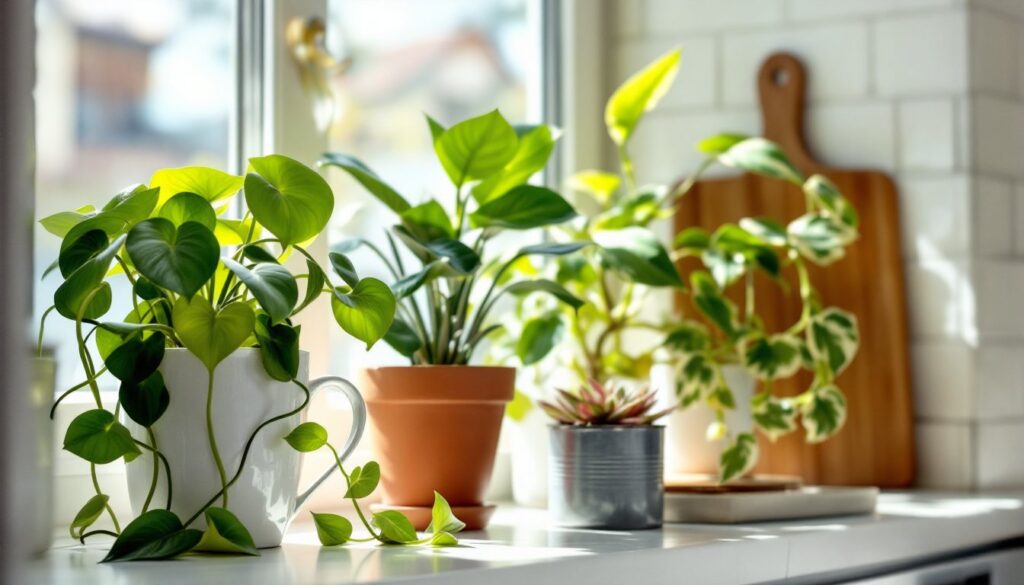

Filling a home with greenery doesn’t require draining a savings account or signing up for a botanical subscription service. Budget-friendly house plants deliver the same air-purifying benefits, visual warmth, and living texture as their pricier counterparts, often with hardier constitutions and easier care requirements. Whether working with a shaded apartment corner or a sun-drenched kitchen windowsill, affordable options exist that won’t punish beginners for occasional neglect. This guide covers the best low-cost plants, where to source them without sacrificing quality, and smart strategies to expand an indoor collection without inflating the budget.
Table of Contents
ToggleKey Takeaways
- Affordable house plants like pothos and snake plants deliver air-purifying benefits and visual warmth without the cost of premium varieties, making them ideal for beginners and budget-conscious homeowners.
- Budget-friendly plants propagate easily, turning a single $5 cutting into dozens of new plants within weeks through simple water-rooting techniques.
- Big-box stores, grocery chains, and clearance racks offer competitive pricing (often 30-50% cheaper than specialty nurseries), while online marketplaces and community plant swaps provide nearly free or low-cost options.
- Master DIY potting mix recipes and reuse household containers with drainage holes to reduce soil and planter costs by 60-70%, making expansion affordable.
- Start with forgiving species like spider plants and succulents that tolerate low light and irregular watering, then expand your collection through propagation and trades without additional spending.
- Identify problems early—yellowing leaves, leggy growth, and brown tips—to prevent costly plant loss and keep your collection thriving long-term.
Why Budget-Friendly House Plants Are Perfect for Every Home
Affordable house plants offer a low-risk entry point for anyone skeptical about their ability to keep something green alive. A $5 pothos cutting forgives overwatering mishaps and missed feedings far more gracefully than a $75 fiddle-leaf fig. For renters or frequent movers, inexpensive plants eliminate the anxiety of transporting delicate specimens across state lines or up three flights of stairs.
Budget varieties also propagate easily, turning one purchase into a dozen plants within months. Snip a stem, stick it in water, and root growth typically appears within two weeks. This multiplication factor transforms a modest initial investment into a thriving indoor jungle without additional spending.
Many low-cost plants tolerate a wide range of light conditions and irregular watering schedules, traits that make them ideal for busy households, dimly lit spaces, or anyone still learning to read plant signals. A snake plant survives weeks of neglect in a basement office, while a spider plant thrives under fluorescent bulbs in a windowless bathroom. These forgiving species build confidence and horticultural knowledge without the financial sting of trial-and-error learning.
Top 10 Affordable House Plants for Beginners
Low-Light Champions: Pothos and Snake Plants
Pothos (Epipremnum aureum) ranks as the virtually indestructible gateway plant. Its trailing vines grow 6-10 feet indoors with minimal fussing, tolerating everything from bright indirect light to the dim glow of a north-facing hallway. Golden pothos, marble queen, and jade varieties typically cost $3-$8 for a 4-inch pot at garden centers. Water when the top inch of soil dries out, roughly every 7-10 days in most homes. Pothos works well in hanging baskets or trained up a moss pole, and cuttings root so reliably in water that propagation feels almost foolproof.
Snake plants (Sansevieria trifasciata) handle neglect like seasoned veterans. Their thick, upright leaves store water for weeks, making them ideal for forgetful waterers or frequent travelers. These architectural plants fit modern and traditional decor equally well, with varieties ranging from compact 6-inch ‘Hahnii’ types to tall 3-foot specimens. Expect to pay $6-$15 for starter sizes. Snake plants tolerate low light house plants conditions better than most species, though growth accelerates with brighter exposure. Water every 2-3 weeks, allowing soil to dry completely between sessions. Overwatering kills these plants faster than drought ever will.
Easy-Care Favorites: Spider Plants and Succulents
Spider plants (Chlorophytum comosum) produce cascades of arching, variegated leaves and dozens of plantlets (“pups”) that dangle from thin stems like botanical chandeliers. A single $4-$7 plant generates enough offspring within six months to furnish an entire apartment. These workhorses tolerate low to bright indirect light and bounce back quickly from underwatering. Trim brown leaf tips with clean scissors if tap water chlorine causes cosmetic damage, switching to filtered or distilled water prevents the issue. Spider plants also rank among the best house plants low light environments can support, thriving even in offices with minimal windows.
Succulents offer incredible variety at thrift-store prices. Echeveria rosettes, jade plants (Crassula ovata), and aloe vera typically cost $3-$6 for 2-3 inch pots at big-box stores and nurseries. These water-wise plants require well-draining soil (a 50/50 mix of potting soil and perlite works well) and infrequent watering, every 2-3 weeks during active growth, less in winter dormancy. Place them in south or west-facing windows for 4-6 hours of direct sun daily. Succulents make excellent candidates for DIY arrangements: cluster several varieties in a shallow terracotta bowl with drainage holes for an instant desert garden.
Additional budget champions worth noting:
- Philodendron: Heart-shaped leaves, trailing or climbing growth, $5-$10 for starter plants
- ZZ plant (Zamioculcas zamiifolia): Glossy, architectural foliage: survives extreme neglect: $8-$15
- Peace lily (Spathiphyllum): White blooms, air-purifying qualities, visibly droops when thirsty (fool-proof watering cue): $7-$12
- Lucky bamboo (Dracaena sanderiana): Grows in water alone, needs no soil: $3-$8 for small arrangements
- Chinese evergreen (Aglaonema): Variegated leaves in silver, pink, or red: tolerates low light: $6-$12
- Cast iron plant (Aspidistra elatior): Named for its resilience: survives dim corners and temperature swings: $8-$15
Where to Find Cheap House Plants Without Sacrificing Quality
Big-box home improvement stores (Home Depot, Lowe’s, Menards) stock house plants year-round at competitive prices, often undercutting specialty nurseries by 30-50%. Check the clearance racks near garden centers, slightly root-bound or cosmetically imperfect plants typically recover quickly with fresh potting soil and proper care. A $2 droopy pothos perks up within days of repotting.
Grocery stores and discount retailers (Trader Joe’s, Aldi, Walmart, Target) carry rotating seasonal selections. Trader Joe’s orchids and succulents consistently retail for $3-$6, while Aldi’s weekly plant specials often feature 6-inch pots for under $5. Arrive early on delivery days (ask staff when new shipments come in) for the best selection and healthiest specimens.
Local nurseries and garden centers may cost more upfront but often sell healthier plants with established root systems. Staff can provide species-specific care advice and troubleshoot problems, expertise that pays off when dealing with finicky specimens. Many nurseries offer end-of-season sales with 30-70% discounts in late September and October.
Online marketplaces (Facebook Marketplace, Craigslist, Nextdoor) connect buyers with local gardeners offloading propagated cuttings or downsizing collections. Free or $1-$5 plants appear regularly, though inspect for pests before bringing them home. Quarantine new arrivals in a separate room for 7-10 days and check for mealybugs, aphids, or spider mites. According to Better Homes & Gardens, community plant swaps represent another budget-friendly sourcing option.
Plant subscription boxes rarely deliver genuine value for budget-conscious buyers, the markup and shipping costs exceed what a single trip to a local nursery would yield. Skip the influencer-marketed services unless receiving mystery plants justifies paying 2-3x retail prices.
Farmers markets occasionally feature vendors selling house plants alongside produce, particularly in spring and summer months. Prices remain negotiable, especially near closing time when sellers prefer making a sale over hauling inventory home.
Money-Saving Tips for Growing Your Indoor Plant Collection
Master propagation techniques to multiply existing plants for free. Most trailing varieties (pothos, philodendron, spider plants) root in plain water within 2-3 weeks. Use clean scissors or pruning shears to cut 4-6 inch stem sections just below a leaf node, remove lower leaves, and submerge cut ends in a clear jar. Change water weekly to prevent bacterial growth. Once roots reach 2-3 inches, transplant into soil.
Reuse household containers as planters instead of buying decorative pots. Yogurt cups, takeout containers, and tin cans work perfectly with drainage holes punched in the bottom (use a hammer and nail). A $0 coffee can performs identically to a $15 ceramic planter, the plant doesn’t know the difference. Conceal utilitarian containers inside thrifted baskets or cache pots if aesthetics matter.
Make DIY potting mix to slash soil costs by 60-70%. Blend equal parts peat moss (or coconut coir), perlite, and compost or worm castings. A 25-pound bag of potting mix costs $8-$12, while the same volume of bagged “premium” houseplant soil runs $20-$30. Bulk ingredients last years when stored in sealed containers. For succulents and cacti, increase perlite to 50% of the mix for faster drainage.
Trade cuttings with friends and neighbors to diversify a collection without spending a cent. Online plant communities on Reddit (r/TakeaPlantLeaveaPlant) and Facebook help shipping-based swaps, though local exchanges eliminate postage costs and shipping stress. One thriving easy house plants specimen can supply cuttings for a dozen trades.
Buy smaller starter plants rather than mature specimens. A 2-inch pot costs $2-$4 and reaches the same size as a $20 gallon pot within 12-18 months, patience saves significant money. Young plants also adapt more readily to new environments than established root systems.
Fertilize sparingly with affordable options. Diluted liquid fertilizer (mixed at half the recommended strength) applied monthly during spring and summer costs pennies per application. A $6 bottle lasts years for a modest collection. Alternatively, reserved aquarium water, diluted worm compost tea, or crushed eggshells provide free nutrient boosts. Skip expensive specialty formulas, most house plants thrive on basic balanced fertilizers with NPK ratios around 10-10-10 or 20-20-20.
Reuse water from cooking (after it cools) to hydrate plants. Pasta water, vegetable steaming water, and water from rinsing rice contain trace nutrients plants appreciate. Just ensure no salt was added during cooking.
Learn to identify and treat common problems early to avoid replacing dead plants. Yellow leaves usually signal overwatering: brown, crispy edges indicate underwatering or low humidity. Leggy, stretched growth means insufficient light, move the plant closer to a window or supplement with a $12 clip-on LED grow bulb from hardware stores. Resources like The Spruce provide troubleshooting guides for diagnosing specific issues. Catching problems early costs nothing: replacing dead plants drains the budget.
Conclusion
Building a lush indoor plant collection requires more resourcefulness than cash. Affordable varieties like pothos, snake plants, and spider plants deliver the same vitality and visual impact as expensive specimens while forgiving the learning curve beginners inevitably face. Sourcing plants from clearance racks, mastering propagation, and embracing DIY solutions transforms a modest budget into a thriving green space. Start with two or three bulletproof species, learn their preferences, and let the collection grow organically, both the plants and the confidence will flourish.