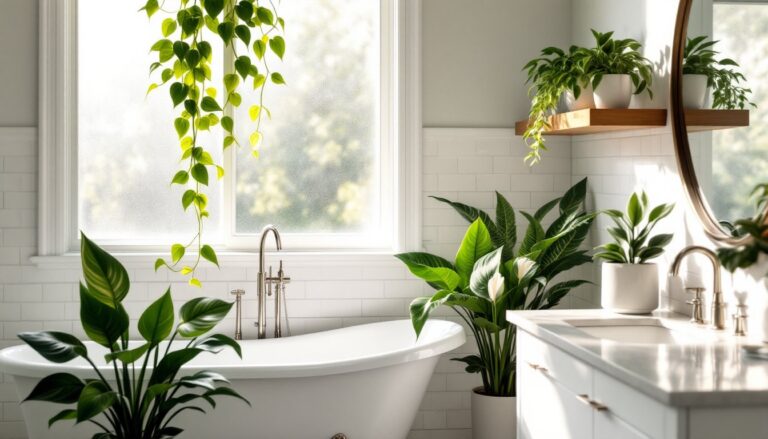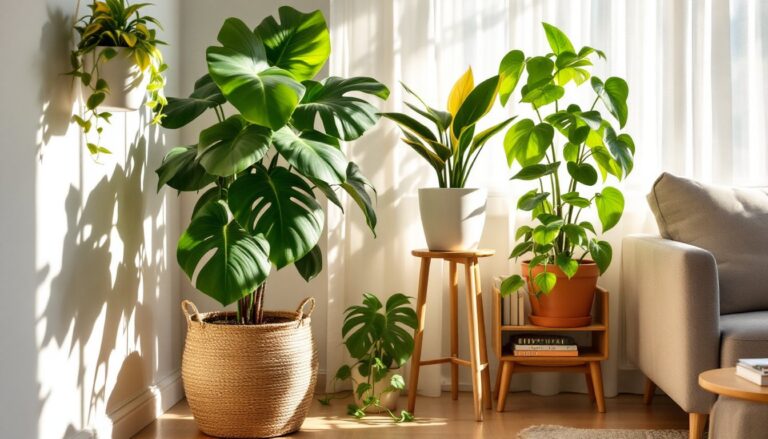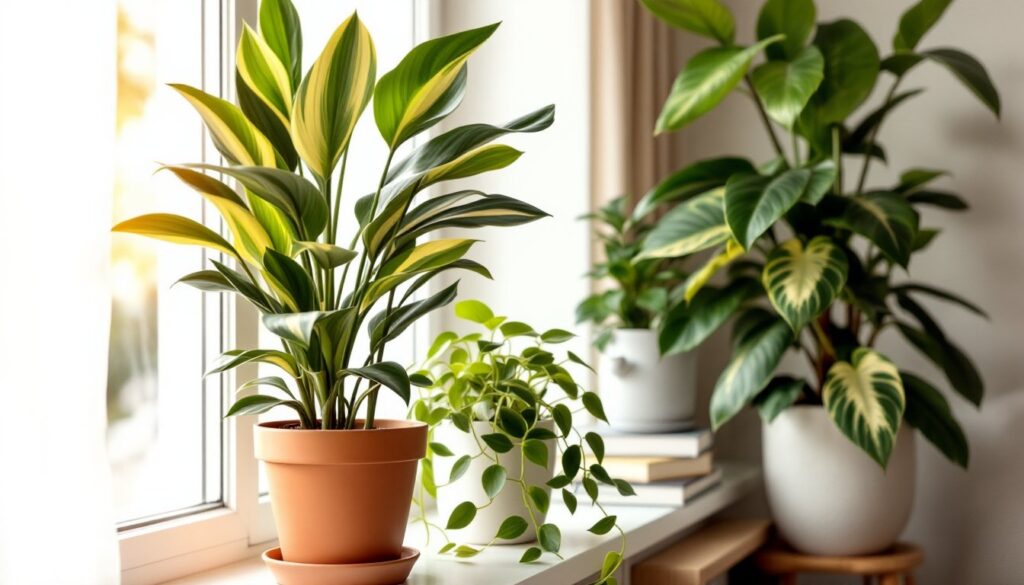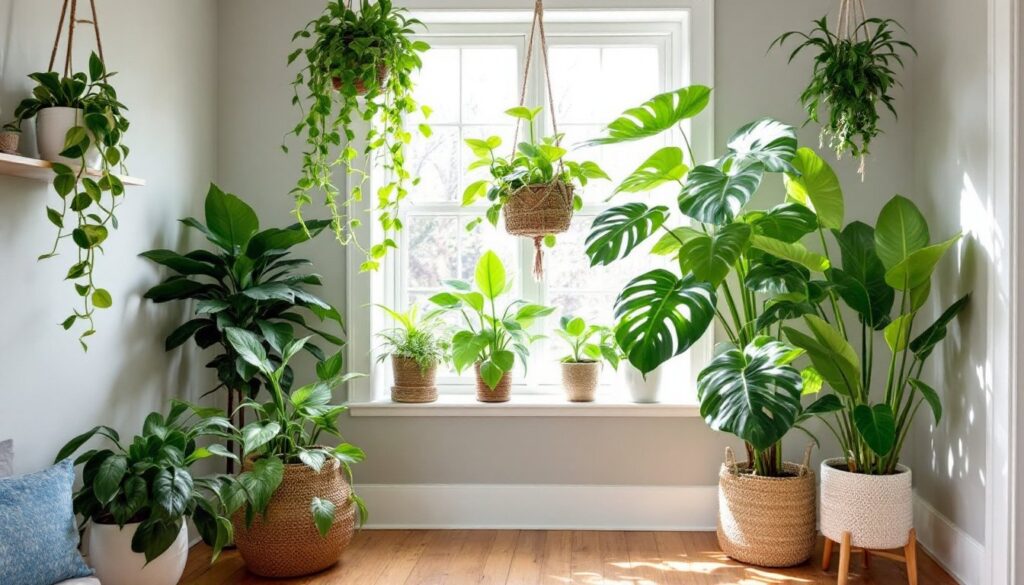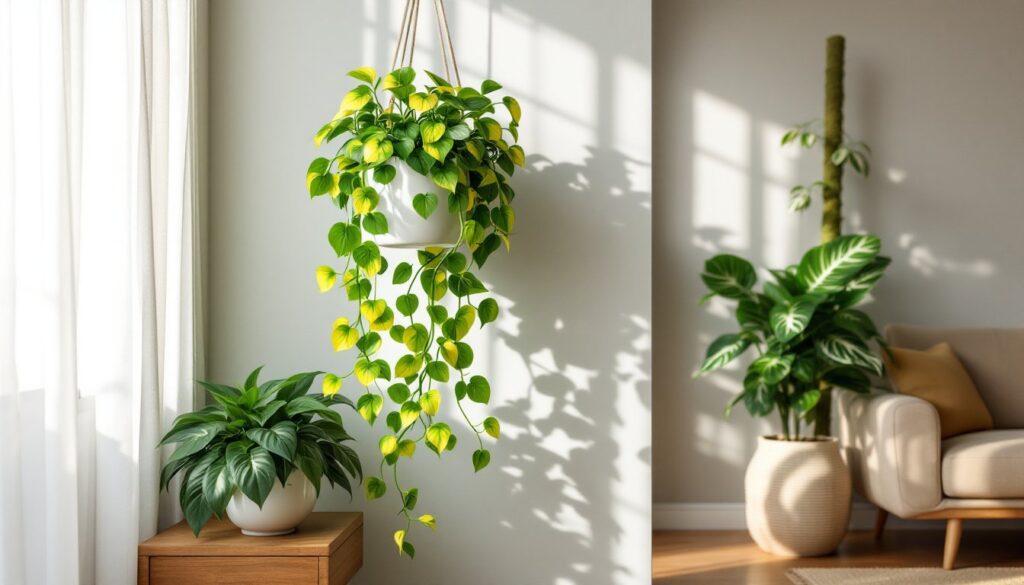

Vining indoor plants bring drama and softness to any room without eating up floor space. They cascade from shelves, climb trellises, or spill from hanging planters, turning bare walls and empty corners into living green focal points. Unlike compact houseplants, vines add vertical dimension and movement. They’re forgiving, adaptable, and many thrive in low to moderate light. Whether someone’s working with a sun-drenched living room or a dim hallway, there’s a trailing plant that’ll work.
Table of Contents
ToggleKey Takeaways
- Vining indoor plants solve space constraints by growing vertically, making them ideal for apartments and smaller homes where floor space is limited.
- Pothos and philodendrons are the best vining indoor plants for beginners because they tolerate low light, irregular watering, and adapt well to most indoor conditions.
- Display options like hanging planters, shelving, trellises, and floating shelves let you customize how vining plants enhance your décor while maximizing vertical space.
- Proper care requires bright, indirect light (with grow lights for dim areas), well-draining soil, consistent watering when the top two inches feel dry, and monthly fertilizing during growing season.
- Common issues like yellow leaves, brown tips, and leggy growth are reversible with adjusted watering, improved humidity, increased light, and regular pruning.
Why Choose Vining Plants for Indoor Spaces
Vining plants solve layout problems. They work vertically, which matters in apartments and smaller homes where floor space is tight. A single pothos on a bookshelf can trail three feet down, covering wall area that’d otherwise need art or shelving.
They’re also visual softeners. Hard edges, straight lines, and boxy furniture benefit from the organic, irregular flow of trailing foliage. Designers lean on vines to break up monotony and add texture without clutter.
From a care standpoint, many vining species are incredibly forgiving. Pothos, philodendrons, and similar plants tolerate irregular watering, lower humidity, and less-than-ideal light. That makes them ideal for beginners or anyone who travels frequently. Unlike finicky tropicals that demand daily misting and precise conditions, vines tend to bounce back from neglect.
Finally, vines are easy to propagate. Most trailing plants root readily from stem cuttings placed in water or moist soil. One plant can become ten in a season, which keeps costs down and makes gift-giving simple.
Best Vining Indoor Plants for Beginners
Pothos: The Foolproof Trailing Favorite
Pothos (Epipremnum aureum) is the go-to vine for anyone new to houseplants. It tolerates low light, survives missed waterings, and grows fast enough to feel rewarding without becoming invasive. The waxy, heart-shaped leaves come in several varieties: golden pothos (green with yellow variegation), marble queen (white and green), and jade (solid green).
Pothos thrives in indirect light but adapts to dim corners. In low light, variegated varieties may lose some color contrast and revert to more green. Water when the top two inches of soil feel dry, roughly once a week in most homes. Overwatering causes root rot, so err on the dry side.
It climbs or trails depending on how it’s displayed. For a fuller look, wrap vines back into the pot or pin them to a moss pole with floral wire. Pothos grown on a support structure develops larger leaves over time. Many low-light varieties adapt well to dim conditions, making them versatile for nearly any room.
One caution: pothos is toxic to pets and children if ingested. Keep it out of reach or choose a pet-safe alternative.
Philodendron: Versatile and Low-Maintenance
Philodendrons are close relatives of pothos and offer similar ease with more variety. Heartleaf philodendron (Philodendron hederaceum) is the classic trailing type, with glossy, dark green leaves. Brasil philodendron adds chartreuse streaks: micans has velvety, iridescent foliage.
Philodendrons prefer moderate to bright indirect light but tolerate lower levels. They’re slightly more moisture-loving than pothos, water when the top inch of soil is dry. Humidity above 40% keeps foliage looking its best, but they’ll survive typical indoor conditions. If leaf tips brown, mist occasionally or group plants together to raise local humidity.
These vines grow quickly. In good conditions, expect 4–6 inches of new growth per month during spring and summer. Pinch back stems to encourage branching and prevent legginess. Like pothos, philodendrons root easily in water. Snip a 4–6 inch section below a node, remove lower leaves, and place in a glass. Roots appear in 7–14 days.
Philodendrons are also toxic to pets. According to Better Homes & Gardens, keeping vining plants on high shelves or in rooms pets don’t access is the safest approach.
Creative Display Ideas for Vining Plants
Hanging planters are the classic choice. Macramé hangers, ceramic pots with built-in hooks, or simple wire baskets all work. Hang them near windows, in corners, or above furniture to maximize vertical space. Just confirm the ceiling hook or bracket is anchored into a stud or uses a toggle bolt rated for the weight (soil + water + pot can exceed 10 pounds).
Shelving and bookcases let vines cascade naturally. Place pots on upper shelves and let foliage spill down. This works especially well for varieties that tolerate low light, since bookshelves are often away from windows. Rotate pots every few weeks so all sides get even light exposure and growth stays balanced.
Wall-mounted brackets or floating shelves turn vines into living wall art. Stagger multiple plants at different heights for a layered effect. Use L-brackets anchored into studs for anything over five pounds. Lightweight resin or plastic pots reduce load.
Trellises and moss poles train vines upward instead of down. Attach stems with soft plant ties or floral wire. Climbing encourages larger leaf development in some species, like pothos and philodendron. A simple bamboo stake or wooden trellis works, but moss poles (PVC pipe wrapped in sphagnum moss) provide aerial roots a surface to grip and draw moisture from.
Tension rods and fishing line create a minimalist support system. Install a tension rod across a window frame or between walls, then guide vines along taut fishing line. It’s nearly invisible and lets foliage appear to float. This setup works well for string of hearts or similar delicate vines.
For rooms with minimal natural light, exploring hydroponic options can extend where vines thrive, especially when paired with grow lights.
Essential Care Tips for Thriving Vines
Light: Most vining plants prefer bright, indirect light, near an east or north-facing window, or a few feet back from a south or west exposure. Too much direct sun scorches leaves: too little slows growth and fades variegation. If natural light is limited, supplement with a full-spectrum LED grow bulb. A 15-watt bulb on a timer (12–14 hours daily) covers a 2-foot radius.
Watering: Stick a finger two inches into the soil. If it’s dry, water thoroughly until it drains from the bottom. Dump any standing water from saucers to prevent root rot. Frequency varies by pot size, humidity, and season, usually once a week in summer, every 10–14 days in winter.
Soil: Use a well-draining potting mix. A blend of peat (or coco coir), perlite, and pine bark in a 2:1:1 ratio works well. Avoid garden soil, which compacts and holds too much moisture indoors.
Fertilizer: Feed every 4–6 weeks during the growing season (spring through early fall) with a balanced liquid fertilizer diluted to half strength. Overfertilizing causes salt buildup and leaf burn. Flush soil with plain water every few months to clear excess salts.
Pruning: Trim back leggy stems to encourage branching. Cut just above a node (the bump where leaves attach). New growth emerges from nodes below the cut. Regular pruning keeps plants bushy and prevents long, bare stems.
Repotting: Vines typically need repotting every 1–2 years, or when roots circle the pot’s interior or poke through drainage holes. Go up one pot size (1–2 inches larger in diameter). Spring is the best time: plants recover faster during active growth.
Pest Management: Watch for spider mites (fine webbing, stippled leaves), mealybugs (white cottony clusters), and scale (brown bumps on stems). Wipe leaves with a damp cloth weekly to remove dust and spot pests early. For infestations, spray with insecticidal soap or neem oil, coating all surfaces. Repeat every 7 days for three weeks. Isolate affected plants to prevent spread.
Common Problems and How to Fix Them
Yellow leaves usually signal overwatering or poor drainage. Check that pots have drainage holes and soil isn’t waterlogged. Let the top two inches dry out before watering again. If roots are brown and mushy, root rot has set in, trim affected roots with sterilized shears, repot in fresh soil, and reduce watering frequency.
Brown, crispy leaf tips indicate low humidity or inconsistent watering. Raise humidity by grouping plants, using a pebble tray (a shallow dish filled with water and pebbles under the pot), or running a humidifier. Consistency matters more than frequency, erratic watering stresses plants.
Leggy growth with long spaces between leaves means insufficient light. Move the plant closer to a window or add a grow light. Prune back leggy stems to encourage fuller growth. Even plants that tolerate dim conditions grow more vigorously with adequate light.
Leaf drop can result from sudden temperature changes, drafts, or transplant shock. Keep vines away from heating vents, air conditioners, and exterior doors. After repotting, expect a brief adjustment period, new growth resumes within a few weeks.
Pests like spider mites thrive in dry, stagnant air. Increase humidity and airflow. Wipe leaves regularly. For persistent issues, The Spruce recommends systemic insecticides for severe infestations, though organic options like neem oil work for most cases.
Variegation loss happens when variegated plants don’t get enough light. The plant reverts to solid green to maximize chlorophyll and photosynthesis. Move it to a brighter spot. Prune any fully green stems to prevent them from overtaking variegated growth.
Root-bound plants show slowed growth, rapid soil drying, and roots emerging from drainage holes. Repot into a container one size larger, gently loosening compacted roots. If keeping the same pot, trim roots by up to one-third and refresh the soil.
For anyone balancing multiple plant care routines, low-light houseplants often share similar maintenance needs with vining varieties, simplifying overall care schedules. And if space or traditional soil setups feel limiting, some growers find success with alternative methods that adapt well to various indoor conditions.
Vining plants are resilient. Most issues are reversible with prompt attention. Keep an eye on foliage, adjust care as needed, and they’ll recover quickly. According to Gardenista, even neglected vines often rebound with a good pruning and reset in watering habits.