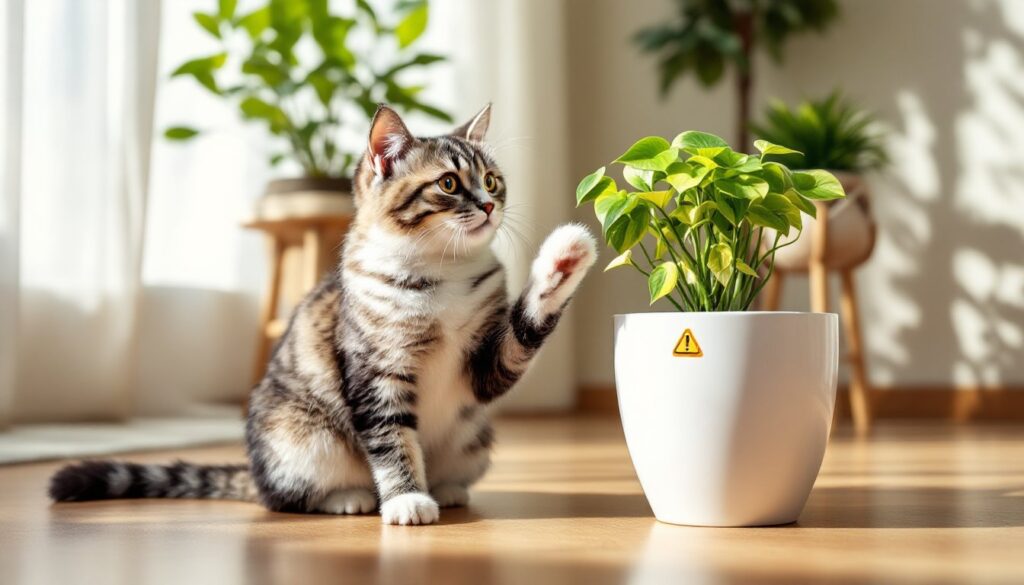

Cats and house plants don’t always mix. While greenery brightens any room, certain species can turn a curious nibble into a veterinary emergency. Felines are natural explorers, batting leaves, chewing stems, and occasionally treating your potted collection like an all-you-can-eat salad bar. The problem? Some of the most popular house plants contain compounds that range from mild irritants to life-threatening toxins. Whether you’re adding plants to a cat-friendly home or troubleshooting an existing collection, knowing which species pose risks, and how to spot warning signs, keeps both your décor and your feline safe.
Table of Contents
ToggleKey Takeaways
- True lilies are the deadliest house plants toxic to cats, with even small ingestion or pollen exposure causing kidney failure within 24–72 hours and requiring emergency veterinary care.
- Common house plants toxic to cats like pothos, philodendrons, sago palms, and aloe vera contain compounds such as calcium oxalate crystals and saponins that cause oral irritation, vomiting, and systemic toxicity.
- Watch for warning signs of plant poisoning including excessive drooling, vomiting, diarrhea, lethargy, and behavioral changes; contact the ASPCA Animal Poison Control Center (888-426-4435) immediately if poisoning is suspected.
- Safe alternatives for cat owners include spider plants, Boston ferns, Calathea, peperomia, and ponytail palms, which provide greenery without toxic risks.
- Cat-proof your plant collection by using elevated shelves above six feet, hanging planters, closed-door plant rooms, nontoxic deterrent sprays, and offering cat grass to redirect chewing behavior.
Why Common House Plants Can Be Dangerous for Cats
Many house plants evolved chemical defenses to deter herbivores in the wild. Those same compounds, calcium oxalate crystals, glycosides, saponins, and alkaloids, cause adverse reactions when cats chew or ingest plant tissue. Unlike dogs or humans, cats lack certain liver enzymes that break down these toxins efficiently, making even small exposures problematic.
Calcium oxalate crystals, found in popular plants like pothos and philodendrons, act like microscopic needles. When a cat bites into a leaf, these crystals embed in soft tissues of the mouth, tongue, and throat, triggering immediate pain, drooling, and swelling. Some plants toxic to other pets share similar mechanisms.
Other plants contain glycosides or alkaloids that affect the heart, kidneys, or gastrointestinal tract once absorbed into the bloodstream. Lilies, for example, produce a renal toxin so potent that even pollen groomed off fur can cause acute kidney failure. Cats’ grooming habits amplify risk, they ingest plant residue from their paws and coats, often hours after initial contact.
Understanding toxicity isn’t just about banning every green leaf. It’s about recognizing which species warrant extra caution, monitoring your cat’s behavior, and knowing when intervention is necessary. Pet owners often assume common availability equals safety, but nurseries stock plants based on aesthetics and care requirements, not pet compatibility.
The Most Toxic House Plants Every Cat Owner Should Avoid
Not all toxic plants pose equal danger. Some cause temporary discomfort: others require emergency veterinary care. The following species top the hazard list for feline households.
Lilies: The Deadliest Threat to Your Feline
True lilies (Lilium and Hemerocallis species), including Easter, tiger, Asiatic, and daylilies, are the most dangerous plants a cat owner can bring indoors. Every part of the plant is toxic: petals, leaves, stems, pollen, and even water from the vase. Ingestion of as little as one or two leaves, or licking pollen from fur, can cause severe acute kidney failure within 24 to 72 hours.
Early symptoms include vomiting, lethargy, and loss of appetite. Without aggressive treatment (IV fluids, activated charcoal, hospitalization), renal damage can become irreversible. According to experts at Gardenista, lily toxicity is a veterinary emergency with a narrow treatment window. Even cats who appear to recover initially may suffer delayed kidney failure.
Note: Peace lilies (Spathiphyllum) and calla lilies (Zantedeschia) aren’t true lilies and don’t cause kidney failure, but they do contain calcium oxalate crystals that irritate mucous membranes. While less lethal, they still warrant removal from cat-accessible areas.
Pothos, Philodendrons, and Other Toxic Favorites
Pothos (Epipremnum aureum), philodendrons (Philodendron spp.), and dieffenbachia are ubiquitous trailing plants prized for low-light tolerance and forgiving care. All three contain calcium oxalate crystals that cause oral irritation, excessive drooling, vomiting, and difficulty swallowing. Severe cases can lead to airway swelling.
Other common offenders include:
- Sago palm (Cycas revoluta): Contains cycasin, which causes liver failure and neurological damage. All parts are toxic, with seeds being the most concentrated source.
- Rubber plants (Ficus elastica): Milky sap contains irritants that cause gastrointestinal upset and dermatitis.
- Snake plants (Sansevieria trifasciata): Contain saponins, leading to nausea, vomiting, and diarrhea.
- English ivy (Hedera helix): Berries and leaves can cause abdominal pain, drooling, and diarrhea.
- Aloe vera: While beneficial for humans, the gel contains saponins and anthraquinones that cause vomiting, diarrhea, and lethargy in cats.
Resources like Better Homes & Gardens offer comprehensive lists, but these plants represent the most frequently encountered hazards in modern interiors. If you already own these species, relocate them to rooms cats can’t access, or consider rehoming the plants entirely.
How to Recognize Signs of Plant Poisoning in Cats
Cats are masters at hiding discomfort, so early detection requires vigilance. Symptoms vary based on the plant, amount ingested, and time elapsed, but several red flags warrant immediate veterinary attention.
Immediate oral symptoms appear within minutes of chewing toxic plants:
- Excessive drooling or foaming at the mouth
- Pawing at the face or mouth
- Visible oral swelling or redness
- Difficulty swallowing or gagging
Gastrointestinal signs typically develop within 2 to 12 hours:
- Repeated vomiting (with or without plant material)
- Diarrhea, sometimes bloody
- Loss of appetite or refusal to eat
- Abdominal pain (hunched posture, vocalization when touched)
Systemic toxicity manifests as the poison enters the bloodstream:
- Lethargy, weakness, or unsteady gait
- Tremors, seizures, or unusual behavior
- Rapid or irregular heartbeat
- Dilated or constricted pupils
- Increased or decreased urination (kidney involvement)
For lily ingestion specifically, watch for sudden onset vomiting followed by apparent recovery. This deceptive “quiet period” precedes kidney failure, making early intervention critical. Some low-light tolerant plants offer safer alternatives if you’re concerned about toxicity in dimly lit rooms.
If you suspect poisoning:
- Remove plant material from your cat’s mouth (wear gloves).
- Collect a sample of the plant, including leaves and any vomited material.
- Call your veterinarian or the ASPCA Animal Poison Control Center (888-426-4435) immediately, don’t wait for symptoms to worsen.
- Do not induce vomiting unless instructed by a professional: some substances cause more damage coming back up.
Time matters. Activated charcoal and supportive care work best within the first few hours, before toxins fully absorb.
Safe House Plant Alternatives for Cat Owners
Pet-safe plants deliver the same aesthetic benefits without the risk. These species are nontoxic to cats and forgiving enough for most home environments.
Spider plants (Chlorophytum comosum) top the list for cat-friendly foliage. They thrive in indirect light, tolerate neglect, and produce cascading offshoots that cats may bat around, harmless, though the plant might look rougher over time. Cat-safe options for low-light spaces include additional shade-tolerant varieties.
Boston ferns (Nephrolepis exaltata) add lush texture and humidity control. They prefer consistent moisture and bright, indirect light. Fronds may tempt playful cats, but nibbling causes no harm beyond cosmetic damage to the plant.
Areca palms (Dypsis lutescens) bring a tropical vibe to corners and entryways. These tall, feathery palms prefer bright light and regular watering. Safe if chewed, though cats usually ignore the coarse fronds.
Calathea species (prayer plants) offer bold, patterned foliage in shades of green, pink, and burgundy. They need medium to low light and high humidity, ideal for bathrooms or kitchens. Nontoxic and visually striking.
Peperomia varieties come in dozens of forms: trailing, upright, variegated, or solid. Most tolerate low to medium light and infrequent watering. Safe for curious cats and perfect for shelves.
African violets (Saintpaulia) provide compact blooms in purple, pink, or white. They thrive under fluorescent lights, making them suitable for windowless spaces. Nontoxic, though delicate flowers may not survive aggressive pawing.
Ponytail palms (Beaucarnea recurvata) aren’t true palms but hardy succulents with long, arching leaves. They tolerate drought and low light. Cats may chew the tips, but the plant is safe and resilient.
Before purchasing, verify plant identity with botanical names, common names vary regionally and can cause confusion. The ASPCA’s online database offers searchable, up-to-date toxicity information for hundreds of species.
Cat-Proofing Your Indoor Plant Collection
Even nontoxic plants benefit from strategic placement. Cats climb, jump, and squeeze into unlikely spots, so passive barriers work better than hoping they’ll behave.
Use vertical space: Install floating shelves or plant stands at heights cats can’t reach, six feet or higher for most jumpers. Wall-mounted planters keep trailing vines out of paw range while adding visual interest.
Hang plants from ceiling hooks: Macramé hangers suspend pots in windows or corners, eliminating floor-level temptation. Ensure hooks anchor into studs or use toggle bolts rated for the combined weight of pot, soil, and plant when wet. Standard drywall anchors won’t hold.
Group plants in rooms with closable doors: Home offices, guest bedrooms, or bathrooms double as plant sanctuaries when cats can’t enter unsupervised. Pocket doors or magnetic screen doors provide access control without sacrificing airflow.
Apply taste deterrents: Spray nontoxic bitter apple or citrus-based repellents around pot rims and on lower leaves. Reapply weekly and after watering. Test on a small area first, some products stain porous ceramic pots.
Cover soil surfaces: Cats dig in loose potting mix, sometimes using pots as litter boxes. Top-dress with river rocks (1–2 inches diameter), decorative pebbles, or mesh pot covers. Avoid small stones or glass beads that become choking hazards if batted across the floor.
Provide alternative greenery: Many cats chew plants out of boredom or dietary instinct. Offer cat grass (wheat, oat, or barley sprouts) in a dedicated planter. Fresh growth satisfies chewing urges and aids digestion. Rotate plantings every two weeks for continuous supply.
Redirect with enrichment: Cats attracted to dangling leaves may lack stimulation. Add vertical scratching posts, interactive feeders, or wand toys to burn energy. Tired cats ignore plants.
Use motion-activated deterrents: Battery-powered devices emit harmless air puffs or ultrasonic sounds when cats approach plant zones. Effective for persistent offenders, though placement requires trial and error to avoid false triggers.
Inspect new plants before bringing them home: Quarantine additions in a closed room for 24 hours. Check for pests, broken leaves, or soil contaminants. Remove any ribbons, stakes, or plastic tags cats might chew.
If you’re redesigning a space with both plants and pets in mind, resources from The Spruce offer room-specific layout ideas that balance aesthetics and safety. For households with multiple cats or especially determined climbers, consider dedicating one room to plants that thrive in minimal light behind a closed door.
No system is foolproof. Even the best barriers fail if a plant tips over or a cat discovers a new climbing route. Regularly assess your setup, especially after moving furniture or adding new plants. The safest approach combines nontoxic species with proactive cat-proofing, defense in depth beats relying on any single strategy.