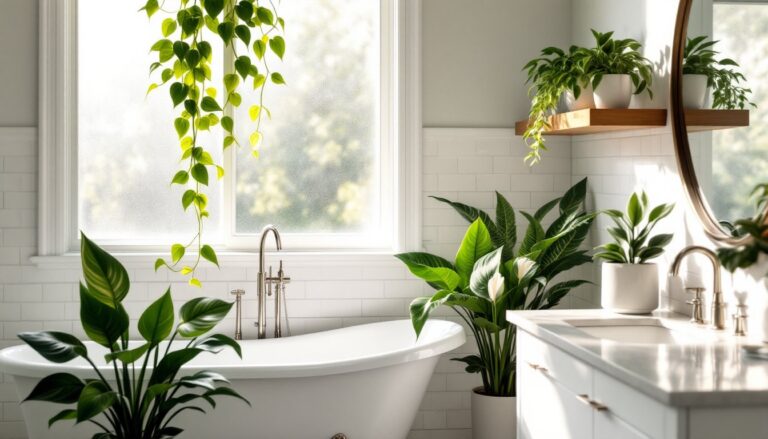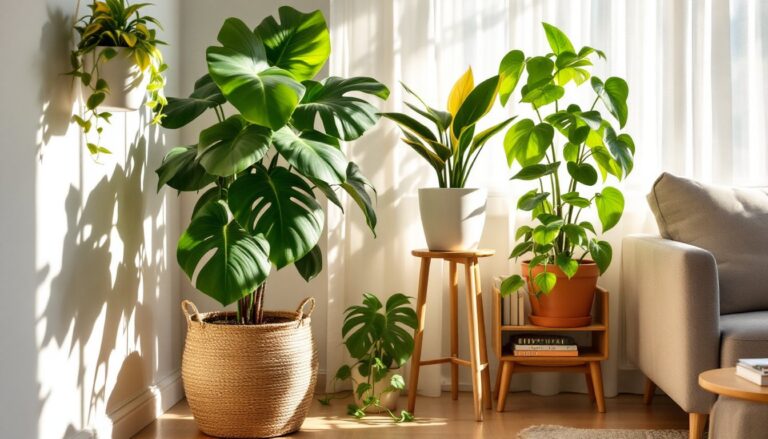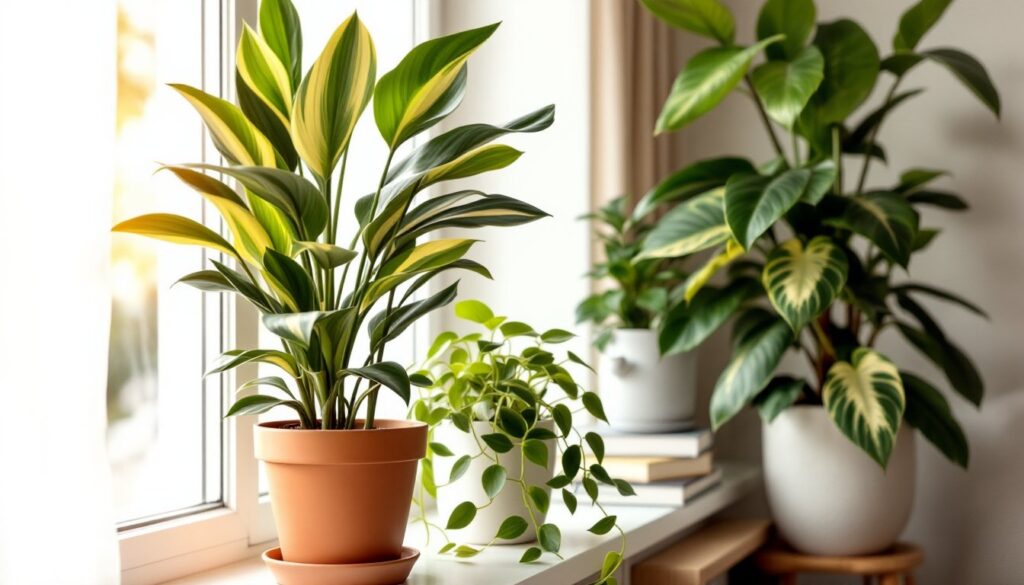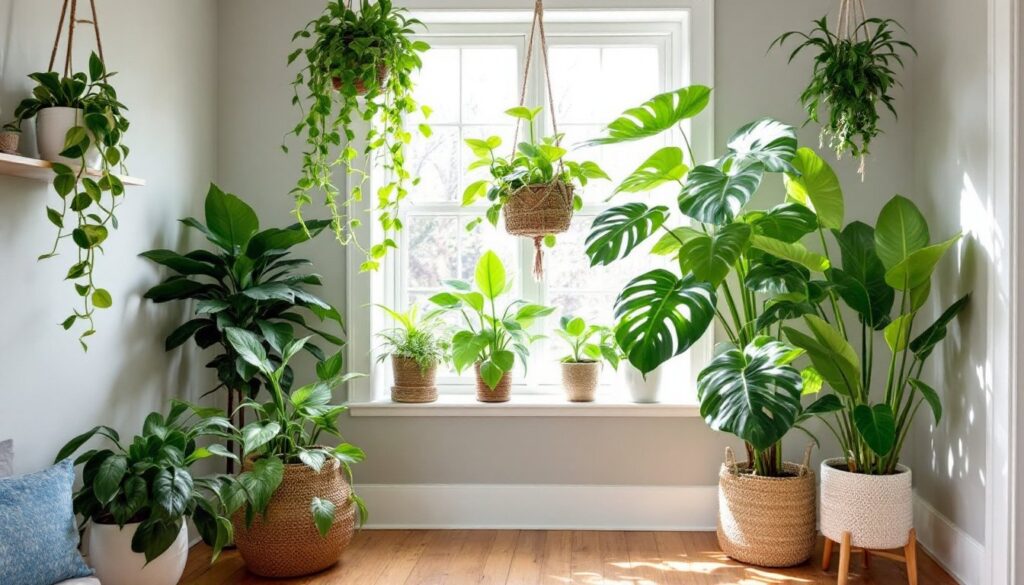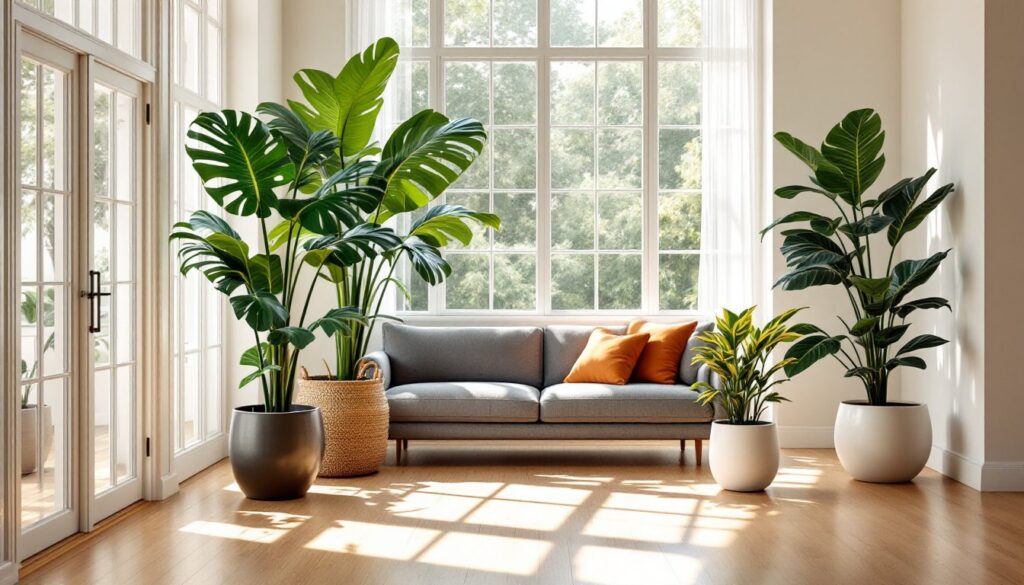

Big indoor plants do more than just fill empty corners, they anchor a room, clean the air, and bring a slice of the outdoors into your living space. Unlike smaller greenery that can get lost on a shelf, huge indoor plants make an immediate visual impact. They’re living architecture that softens hard edges, adds texture, and can even improve acoustics in open-concept layouts. Whether you’re working with a sun-drenched loft or a dim hallway, there’s a large house plant that’ll thrive in your conditions. This guide breaks down the best options, practical placement advice, and the care basics you need to keep your indoor jungle healthy without turning plant maintenance into a second job.
Table of Contents
ToggleKey Takeaways
- Large indoor plants serve as air purifiers, removing harmful compounds like formaldehyde and benzene, while a single 6-foot specimen can process air in a 100-square-foot room.
- Choose low-light tolerant species like snake plants, ZZ plants, and pothos for dim spaces; reserve showstopper varieties like fiddle leaf figs and monsteras for bright, sunny rooms with 4+ hours of direct sun.
- Match large indoor plants to your ceiling height, floor load capacity, and foot traffic flow—maintain at least 12 inches of clearance above the plant and 36 inches in walkways to avoid safety and maintenance issues.
- Water based on soil moisture rather than a fixed schedule: stick your finger 2 inches into the soil, and drain excess water from saucers within 30 minutes to prevent root rot.
- Repot every 18–24 months using appropriately matched soil (fast-draining for cacti, moisture-retentive for tropicals), and fertilize monthly during spring through early fall at half-strength to avoid salt buildup.
- Grouped large plants create natural humidity microclimates that benefit tropical species, and choosing non-toxic varieties like palms protects curious pets and children from calcium oxalate irritation.
Why Large Indoor Plants Are Worth the Investment
Indoor large house plants typically run anywhere from $40 to $300+ depending on species, maturity, and pot size. That’s not pocket change, but the return on investment goes beyond aesthetics.
First, they’re proven air purifiers. NASA’s Clean Air Study identified several large-leafed species that remove formaldehyde, benzene, and trichloroethylene from indoor air, compounds common in paint, furniture, and cleaning products. A single 6-foot fiddle leaf fig or pothos can process air in a 100-square-foot room.
Second, they add real estate value. Staged homes with greenery sell 20% faster according to data from Better Homes & Gardens, and big house plants create focal points that help buyers envision the space as livable, not just empty square footage.
Third, they’re durable. Unlike annuals or cut flowers, a well-cared-for monstera or rubber plant can live for decades. You’re buying a living piece of furniture that grows with you, literally.
Finally, they’re easier than you think. Large plants often have extensive root systems that tolerate inconsistent watering better than finicky succulents. If you’ve killed a string of pearls but kept a snake plant alive, you’re already qualified.
Best Large Indoor Plants for Low-Light Spaces
Low light doesn’t mean no light, it means spaces more than 6 feet from a window, north-facing rooms, or areas with filtered indirect sun. These indoor plants large enough to make a statement will survive (and even thrive) in those conditions.
Snake Plant (Dracaena trifasciata): Also called mother-in-law’s tongue, this upright grower can hit 4 feet tall and tolerates neglect like a champ. It’s nearly impossible to overwater because it stores moisture in thick, sword-like leaves. Varieties like ‘Laurentii’ have yellow margins that add contrast in dim corners.
ZZ Plant (Zamioculcas zamiifolia): Waxy, dark green leaves grow from thick rhizomes that act as water reservoirs. Mature specimens reach 3 feet and can go two weeks without water. It’s one of the few plants that actually prefer low light, bright sun scorches the foliage.
Pothos (Epipremnum aureum): Train this vining plant up a moss pole or trellis and it becomes a vertical statement piece. ‘Golden Pothos’ and ‘Marble Queen’ cultivars handle low light well, though variegation fades without some ambient brightness. Stems can grow 10+ feet if left unchecked.
Parlor Palm (Chamaedorea elegans): A true palm that tolerates shade, it grows slowly to 4 feet indoors. Feathery fronds add tropical texture without the humidity demands of larger palms. It’s also pet-safe, unlike many low light house plants that can be toxic.
Dracaena marginata (Dragon Tree): Slender, arching leaves on woody stems create a sculptural silhouette. It can reach 6 feet indoors and handles fluorescent office lighting just fine. Avoid overwatering, root rot is the main killer.
These species won’t grow as fast in low light, but they’ll maintain their size and color without leggy, weak growth.
Top Large Indoor Plants for Bright, Sunny Rooms
If you’ve got south- or west-facing windows with direct sun for 4+ hours daily, you can grow the showstoppers that need serious light to perform.
Fiddle Leaf Fig (Ficus lyrata): The poster child for Instagram-worthy interiors. Large, violin-shaped leaves can span 12 inches across on plants that reach 6–10 feet indoors. It’s fussy about watering (wants consistent moisture but hates wet feet) and requires bright, indirect light. Rotate the pot a quarter-turn weekly to prevent lopsided growth.
Monstera deliciosa (Swiss Cheese Plant): Iconic split leaves get bigger as the plant matures, some indoor specimens develop 2-foot-wide fenestrations. It’s a climbing vine in nature, so provide a coir-wrapped pole or let it cascade from a shelf. Thrives in bright, indirect light but tolerates morning sun.
Bird of Paradise (Strelitzia reginae): Paddle-shaped leaves on tall stems evoke a tropical resort. It needs direct sun to bloom indoors (orange and blue flowers shaped like a bird’s head), though blooms are rare without outdoor conditions. Expect 5–6 feet of height in a 14-inch pot or larger.
Rubber Plant (Ficus elastica): Glossy, burgundy or variegated leaves on a sturdy trunk. It grows fast in bright light, sometimes 24 inches per year, so plan for a ceiling-height specimen. Prune the top to encourage bushier growth. Sap is mildly toxic and sticky, so wear gloves when trimming.
Yucca (Yucca elephantipes): Sword-like leaves radiate from a thick, woody trunk. It’s drought-tolerant, pest-resistant, and handles full sun like a desert native. Can reach 8 feet indoors, but growth is slow enough that it won’t outgrow a room quickly. Needs well-draining cactus mix to avoid root rot.
Pair sunny-room plants with hydroponic systems if you want to experiment with faster growth and less soil mess, though most adapt fine to traditional potting.
How to Choose the Right Large Plant for Your Space
Before you haul a 6-foot ficus through your front door, measure the space and assess the conditions. Here’s a practical checklist.
Ceiling Height: A plant that grows to 8 feet looks dramatic in a vaulted living room but crowds a standard 8-foot ceiling. Leave at least 12 inches of clearance for air circulation and to avoid constant pruning.
Floor Load: A mature plant in a 20-inch ceramic pot can weigh 80–150 pounds when watered. If you’re in a second-floor apartment or working with older joists, spread the load with a plant dolly or reinforced saucer. Most floors handle it fine, but it’s worth checking if you’re clustering multiple large plants.
Light Measurement: Download a free light meter app or use the shadow test, hold your hand 12 inches above the proposed spot. A sharp, defined shadow = bright light. A soft, fuzzy shadow = medium light. No visible shadow = low light. Match plant requirements accordingly.
Traffic Flow: Big plants narrow walkways. Keep at least 36 inches of clearance in hallways and doorways per standard building codes (IRC R311.6). Corner placements work better than mid-room unless you’re intentionally using the plant as a visual divider in an open floor plan.
HVAC Vents: Avoid placing plants directly over heating registers or under A/C vents. Forced air dries out foliage and soil faster than you can compensate with watering. Aim for at least 3 feet of offset from ducts.
Pet and Kid Safety: Philodendrons, pothos, and ficus species contain calcium oxalates that cause mouth irritation if chewed. If you’ve got curious pets or toddlers, stick with non-toxic options like palms, spider plants, or prayer plants. According to care guides from The Spruce, even non-toxic plants can cause upset stomachs if ingested in quantity.
Essential Care Tips for Keeping Large Indoor Plants Thriving
Large plants have different needs than tabletop greenery. Here’s how to keep them healthy without making it a daily chore.
Watering and Humidity Requirements
Bigger pots hold more soil, which retains moisture longer. A 14-inch pot might need water every 7–10 days, while a 6-inch pot dries out in 3–4 days. Stick your finger 2 inches into the soil, if it’s dry, water thoroughly until it drains from the bottom. Don’t mist leaves as a humidity fix: it encourages fungal issues and doesn’t raise ambient moisture meaningfully.
For humidity-loving species like monsteras or ferns, group plants together (they create a microclimate) or run a small humidifier nearby. Most homes sit around 30–40% relative humidity: tropical plants prefer 50–60%. A hygrometer (under $10) takes the guesswork out.
Drain excess water from saucers within 30 minutes to prevent root rot. If a plant’s too heavy to lift and pour out, use a wet/dry shop vac or turkey baster to suck out standing water. Rot starts fast in oversaturated soil and spreads through the root ball before you notice wilting leaves.
Some large species like tall house plants and snake plants actually prefer to dry out completely between waterings, overwatering kills more indoor plants than underwatering.
Potting, Repotting, and Drainage Essentials
Use pots with drainage holes. Period. Decorative cache pots without holes can sit outside a functional plastic nursery pot, but the plant itself needs drainage. If you’re set on a sealed planter, add a 2-inch layer of lava rock or LECA (lightweight expanded clay aggregate) at the bottom, though this still increases rot risk.
Repot when roots circle the pot’s perimeter or emerge from drainage holes, usually every 18–24 months for mature plants. Go up one pot size (2 inches larger in diameter). A 10-inch pot moves to a 12-inch, not a 16-inch. Oversized pots hold too much moisture and stunt growth.
When repotting, use a soil mix matched to the plant type. Cacti and yucca need fast-draining cactus mix (higher sand and perlite content). Tropicals like monsteras want a rich, moisture-retentive mix with orchid bark or coco coir for aeration. Standard potting soil works for most foliage plants but amend with 20% perlite if drainage seems slow.
For plants over 5 feet tall, repotting is a two-person job. Lay a tarp down, tip the pot on its side, and gently wiggle the root ball free. If it’s rootbound, score the outer roots with a clean utility knife in three vertical cuts, this encourages new growth into fresh soil. Backfill with new mix, water thoroughly, and let it settle for a week before resuming normal care.
Top-dress annually if repotting isn’t feasible: scrape off the top 2–3 inches of old soil and replace with fresh mix. This refreshes nutrients without the heavy lifting. Experts at Gardenista recommend this method for container plants that have maxed out their pot size.
Fertilize during active growth (spring through early fall) with a balanced, water-soluble fertilizer diluted to half-strength. Large plants in big pots don’t need weekly feeding, monthly is plenty. Overfertilizing causes salt buildup and burnt leaf tips. Flush the soil every few months by running water through the pot for a full minute to dissolve accumulated salts.